Department of Diagnostic Imaging, The Hospital for Sick Children, Toronto, Canada; Department of Psychology, University of Toronto, Toronto, Canada; Neuroscience & Mental Health Program, The Hospital for Sick Children Research Institute, Toronto, Canada.
Department of Diagnostic Imaging, The Hospital for Sick Children, Toronto, Canada; Department of Psychology, University of Toronto, Toronto, Canada; Neuroscience & Mental Health Program, The Hospital for Sick Children Research Institute, Toronto, Canada.
Dev Cogn Neurosci. 2018 Nov;34:114-123. doi: 10.1016/j.dcn.2018.09.001. Epub 2018 Sep 29.
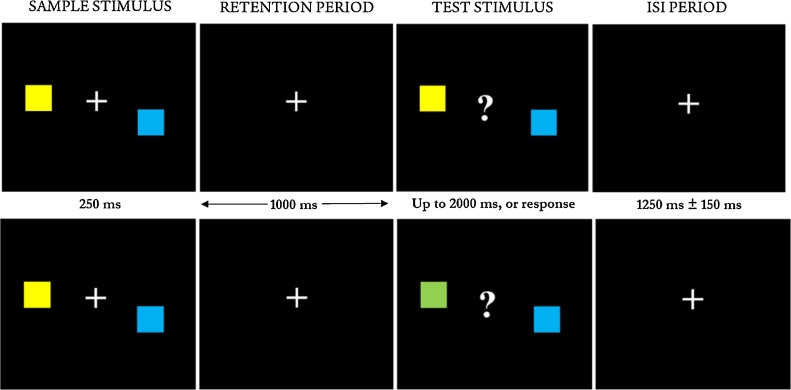
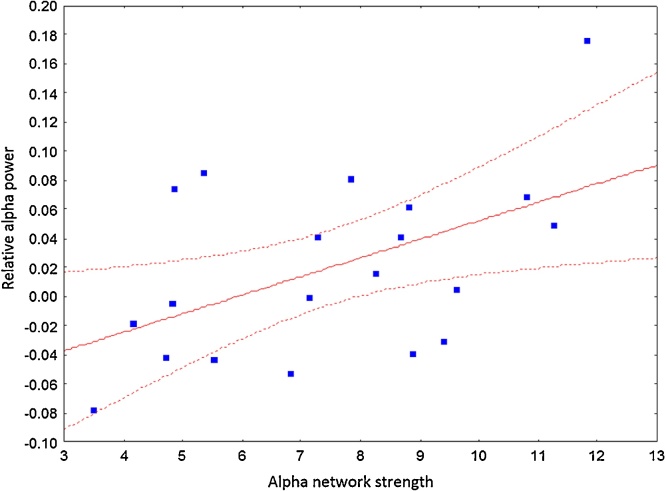
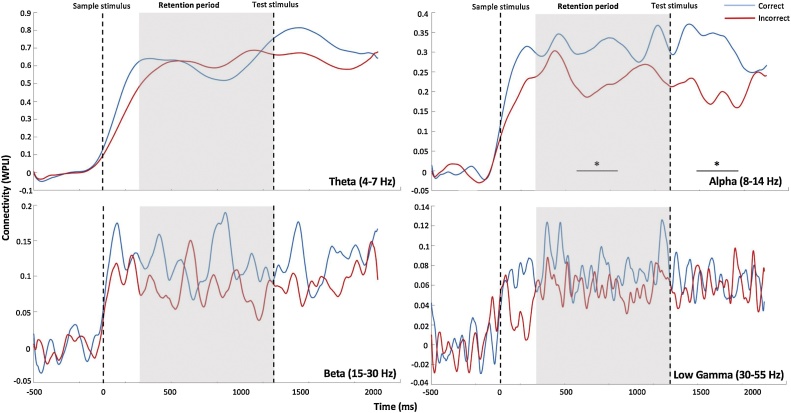
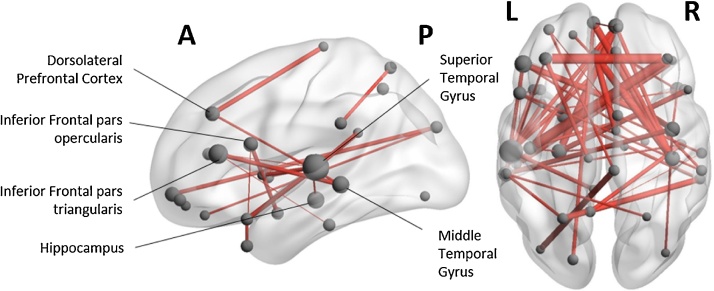
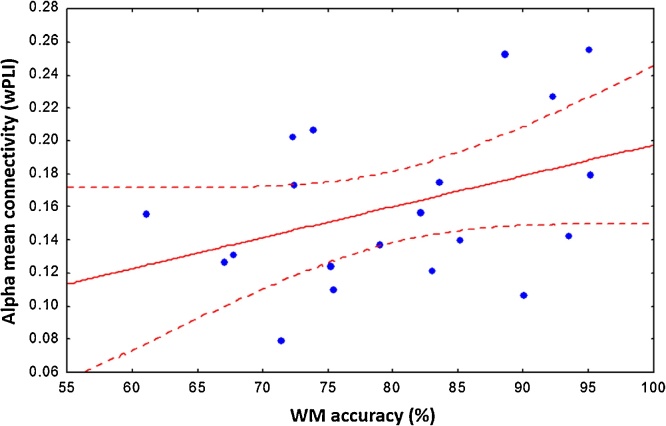
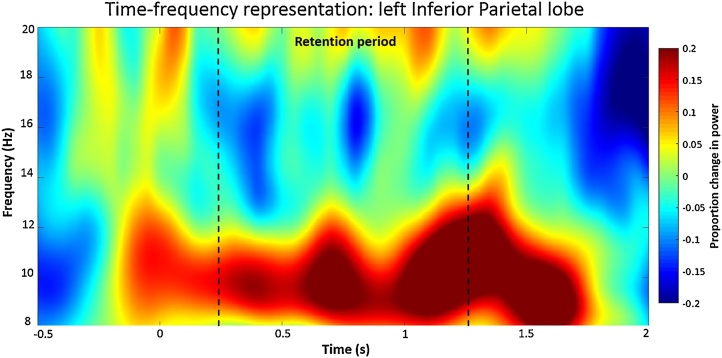
Working Memory (WM) supports a wide range of cognitive functions, and is positively associated with academic achievement. Although fMRI studies have revealed WM networks in adults, little is known about how these networks develop to support successful WM performance in children. Using magnetoencephalography, we examined the networks underlying the maintenance of visual information in 6-year-old children. We observed an increase in mean whole-brain connectivity that was specific to the alpha frequency band during the retention interval associated with correct compared to incorrect responses. Additionally, our network analysis revealed elevated alpha synchronization during WM maintenance in a distributed network of frontal, parietal and temporal regions. Central hubs in the network were lateralized to the left hemisphere with dominant fronto-temporal connections, including the dorsolateral prefrontal cortex, middle temporal and superior temporal gyri, as well as other canonical language areas. Local changes in power were also analysed for seeds of interest, including the left inferior parietal lobe, which revealed an increase in alpha power after stimulus onset that was sustained throughout the retention period of WM. Our results therefore implicate sustained fronto-temporal alpha synchrony during the retention interval with subsequent successful WM responses in children, which may be aided by subvocal rehearsal strategies.
工作记忆(WM)支持广泛的认知功能,并且与学业成绩呈正相关。尽管 fMRI 研究已经揭示了成年人的 WM 网络,但对于这些网络如何发展以支持儿童成功的 WM 表现知之甚少。我们使用脑磁图研究了 6 岁儿童维持视觉信息的网络。我们观察到,与错误反应相比,在与正确反应相关的保留间隔期间,α 频带的平均全脑连通性增加是特定的。此外,我们的网络分析表明,在一个由额、顶和颞区组成的分布式网络中,WM 维持期间的α 同步性升高。网络中的中央枢纽偏向于左侧半球,具有占主导地位的额颞连接,包括背外侧前额叶皮层、中颞叶和上颞叶,以及其他经典的语言区域。还分析了种子感兴趣区域的局部功率变化,包括左顶下小叶,结果显示在 WM 保留期内,刺激后α 功率增加,并持续整个保留期。因此,我们的结果表明,在保留间隔期间持续的额颞 α 同步与儿童随后成功的 WM 反应有关,这可能得益于默读复述策略的帮助。