Department of Pediatrics, Section of Neonatology, USA.
Department of Pediatrics, Section of Genetics and Metabolism, USA.
Mol Metab. 2018 Dec;18:25-41. doi: 10.1016/j.molmet.2018.09.008. Epub 2018 Sep 28.
Non-alcoholic fatty liver disease (NAFLD) risk begins in utero in offspring of obese mothers. A critical unmet need in this field is to understand the pathways and biomarkers underlying fetal hepatic lipotoxicity and whether maternal dietary intervention during pregnancy is an effective countermeasure.
We utilized a well-established non-human primate model of chronic, maternal, Western-style diet induced obesity (OB-WSD) compared with mothers on a healthy control diet (CON) or a subset of OB-WSD mothers switched to the CON diet (diet reversal; OB-DR) prior to and for the duration of the next pregnancy. Fetuses were studied in the early 3rd trimester.
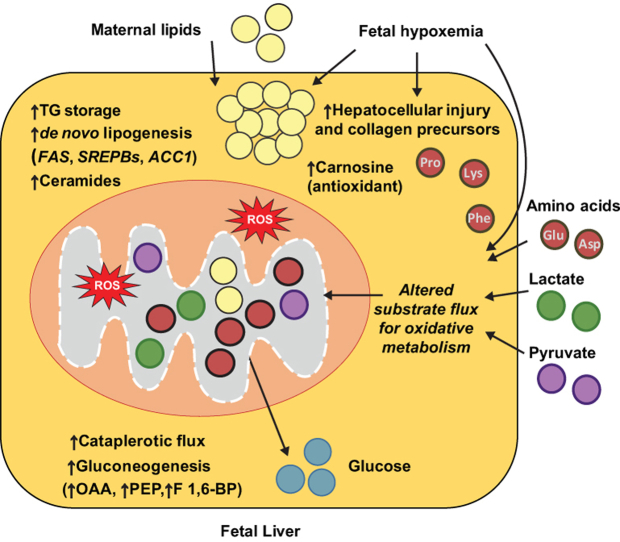
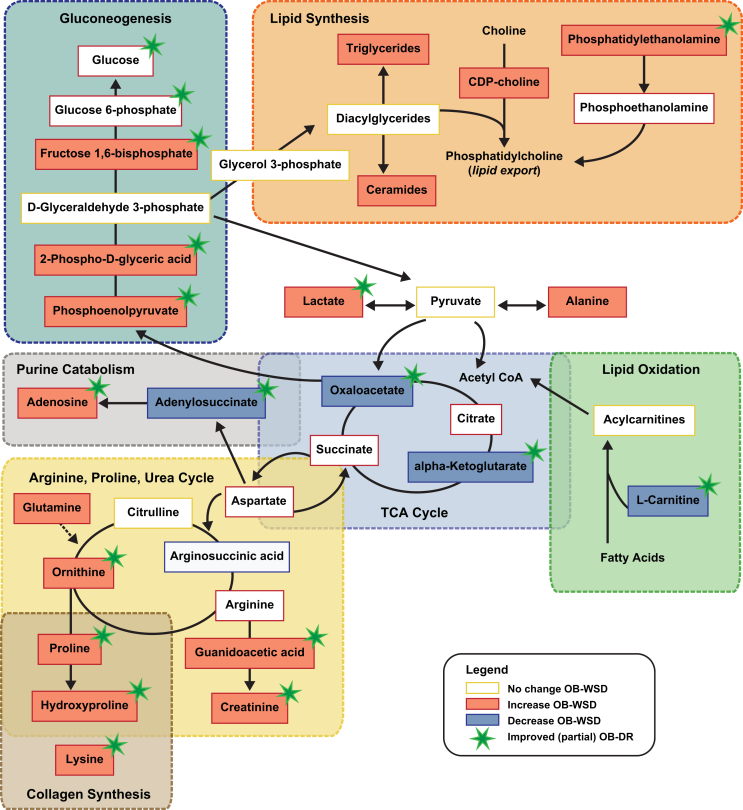
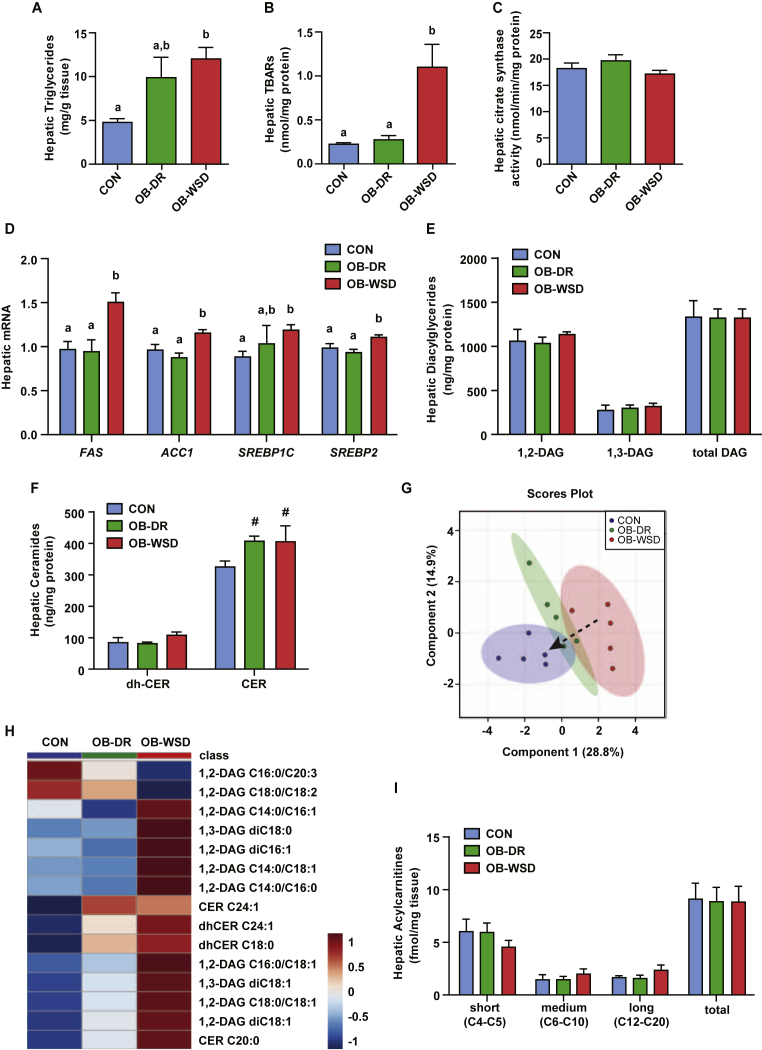
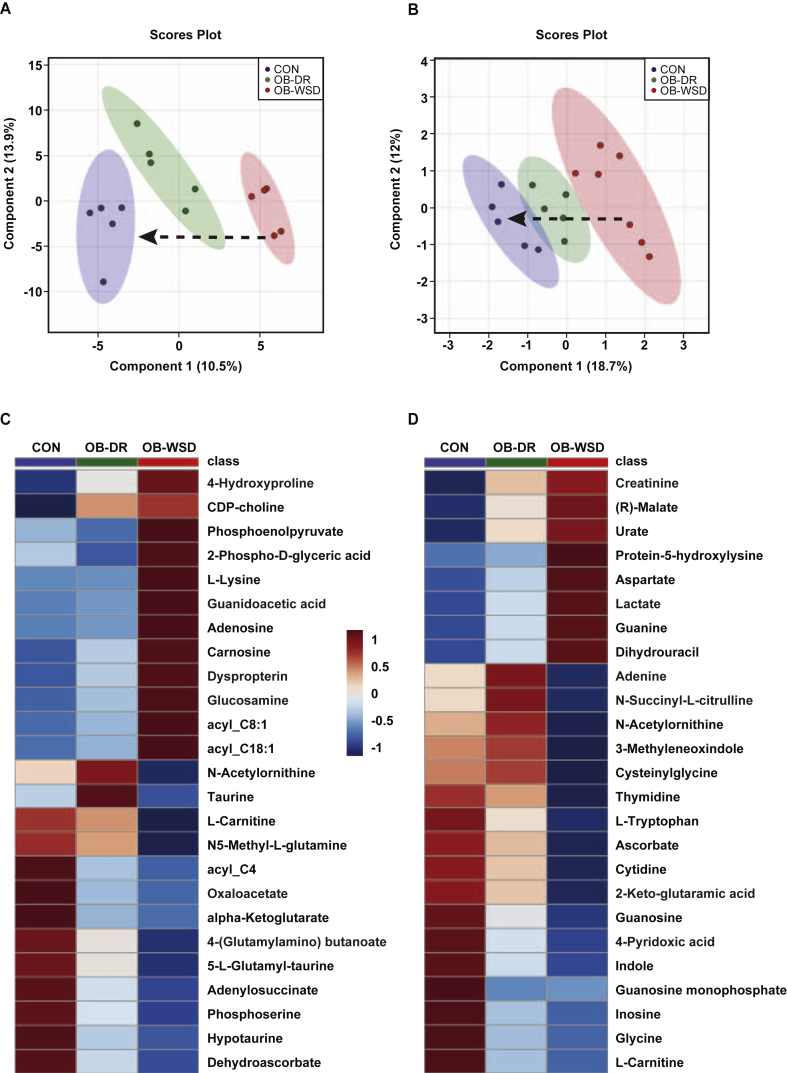
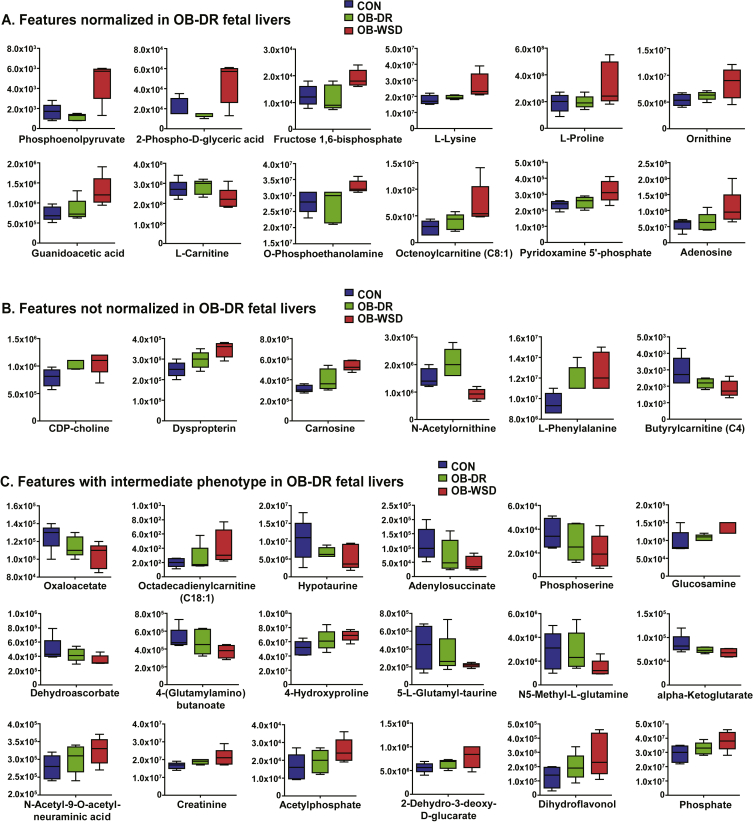
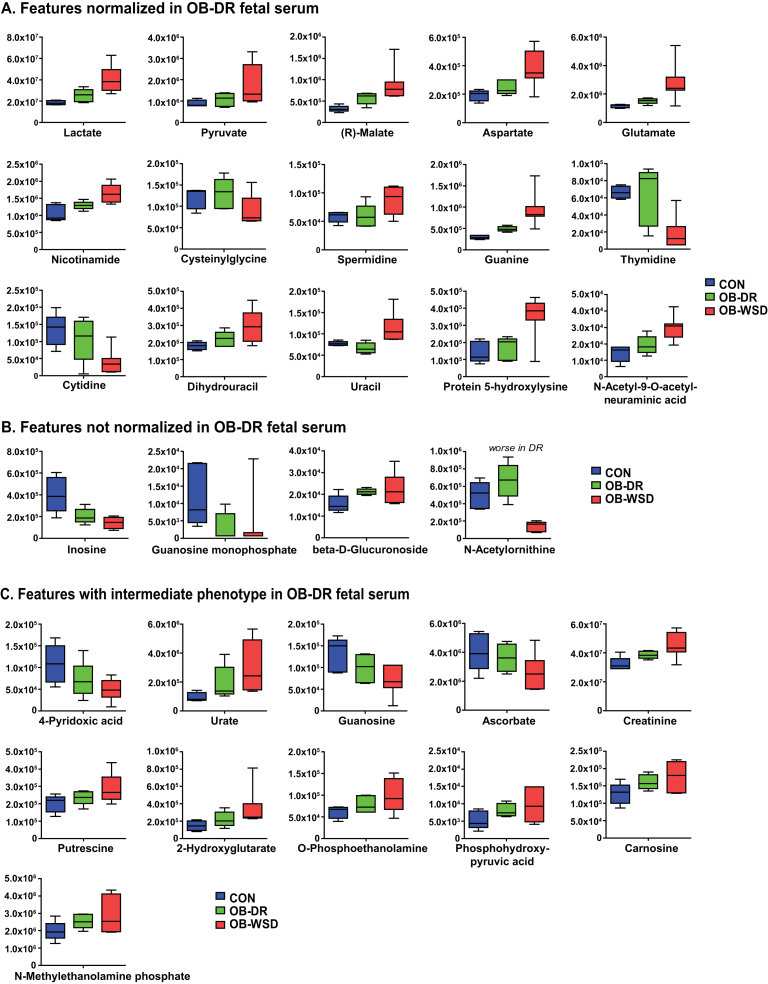
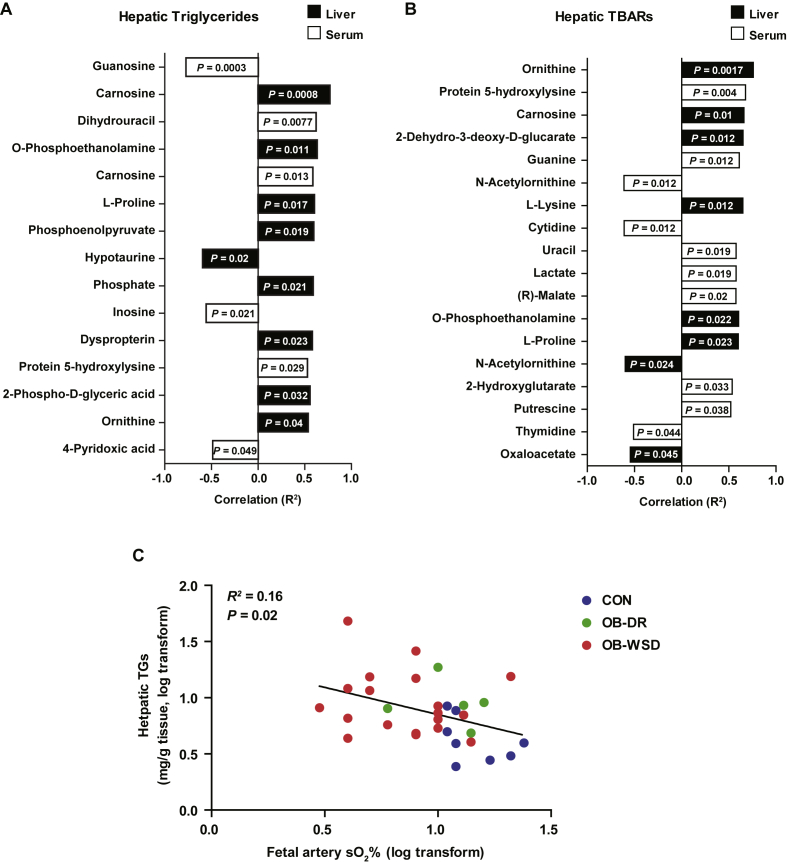
Fetuses from OB-WSD mothers had higher circulating triglycerides (TGs) and lower arterial oxygenation suggesting hypoxemia, compared with fetuses from CON and OB-DR mothers. Hepatic TG content, oxidative stress (TBARs), and de novo lipogenic genes were increased in fetuses from OB-WSD compared with CON mothers. Fetuses from OB-DR mothers had lower lipogenic gene expression and TBARs yet persistently higher TGs. Metabolomic profiling of fetal liver and serum (umbilical artery) revealed distinct separation of CON and OB-WSD groups, and an intermediate phenotype in fetuses from OB-DR mothers. Pathway analysis identified decreased tricarboxylic acid cycle intermediates, increased amino acid (AA) metabolism and byproducts, and increased gluconeogenesis, suggesting an increased reliance on AA metabolism to meet energy needs in the liver of fetuses from OB-WSD mothers. Components in collagen synthesis, including serum protein 5-hydroxylysine and hepatic lysine and proline, were positively correlated with hepatic TGs and TBARs, suggesting early signs of fibrosis in livers from the OB-WSD group. Importantly, hepatic gluconeogenic and arginine related intermediates and serum levels of lactate, pyruvate, several AAs, and nucleotide intermediates were normalized in the OB-DR group. However, hepatic levels of CDP-choline and total ceramide levels remained high in fetuses from OB-DR mothers.
Our data provide new metabolic evidence that, in addition to fetal hepatic steatosis, maternal WSD creates fetal hypoxemia and increases utilization of AAs for energy production and early activation of gluconeogenic pathways in the fetal liver. When combined with hyperlipidemia and limited antioxidant activity, the fetus suffers from hepatic oxidative stress and altered intracellular metabolism which can be improved with maternal diet intervention. Our data reinforce the concept that multiple "first hits" occur in the fetus prior to development of obesity and demonstrate new biomarkers with potential clinical implications for monitoring NAFLD risk in offspring.
非酒精性脂肪性肝病(NAFLD)风险始于肥胖母亲后代的宫内。该领域的一个关键未满足需求是了解胎儿肝脂肪毒性的途径和生物标志物,以及妊娠期间母体饮食干预是否是一种有效的对策。
我们利用了一种经过充分验证的非人类灵长类动物模型,即慢性、母体西式饮食诱导的肥胖(OB-WSD),与健康对照组(CON)的母亲或之前转为 CON 饮食的 OB-WSD 母亲子集(饮食逆转;OB-DR)的母亲进行比较。在接下来的妊娠期间进行了研究。胎儿在妊娠晚期第 3 个月进行研究。
与 CON 和 OB-DR 母亲的胎儿相比,来自 OB-WSD 母亲的胎儿循环甘油三酯(TGs)更高,动脉血氧饱和度更低,表明存在低氧血症。与 CON 母亲的胎儿相比,OB-WSD 母亲的胎儿肝 TG 含量、氧化应激(TBARs)和从头合成脂肪基因增加。OB-DR 母亲的胎儿表达较低的生脂基因和 TBARs,但持续存在更高的 TGs。胎儿肝和血清(脐动脉)的代谢组学分析显示 CON 和 OB-WSD 组明显分离,而 OB-DR 母亲的胎儿表现出中间表型。途径分析确定三羧酸循环中间产物减少,氨基酸(AA)代谢和副产物增加,糖异生增加,表明 OB-WSD 母亲胎儿的肝脏中增加了对 AA 代谢以满足能量需求的依赖。胶原合成中的成分,包括血清蛋白 5-羟赖氨酸和肝赖氨酸和脯氨酸,与肝 TG 和 TBARs 呈正相关,表明 OB-WSD 组肝脏纤维化的早期迹象。重要的是,OB-DR 组的肝糖异生和精氨酸相关中间产物以及血清中的乳酸盐、丙酮酸、几种氨基酸和核苷酸中间产物水平正常化。然而,来自 OB-DR 母亲的胎儿肝 CDP-胆碱和总神经酰胺水平仍然很高。
我们的数据提供了新的代谢证据,表明除了胎儿肝脂肪变性外,母体 WSD 还会导致胎儿低氧血症,并增加胎儿肝脏对 AA 用于能量产生的利用和早期激活糖异生途径。当与高脂血症和有限的抗氧化活性相结合时,胎儿会遭受肝氧化应激和细胞内代谢改变,这可以通过母体饮食干预得到改善。我们的数据强化了这样一个概念,即在肥胖发生之前,胎儿会发生多个“第一击”,并展示了具有监测后代 NAFLD 风险的潜在临床意义的新生物标志物。