Devchand Pallavi R, Liu Tianyun, Altman Russ B, FitzGerald Garret A, Schadt Eric E
Department of Physiology and Pharmacology, University of Calgary, Calgary, AB, Canada.
Department of Genetics, Stanford University, Stanford, CA, United States.
Front Pharmacol. 2018 Oct 4;9:1093. doi: 10.3389/fphar.2018.01093. eCollection 2018.
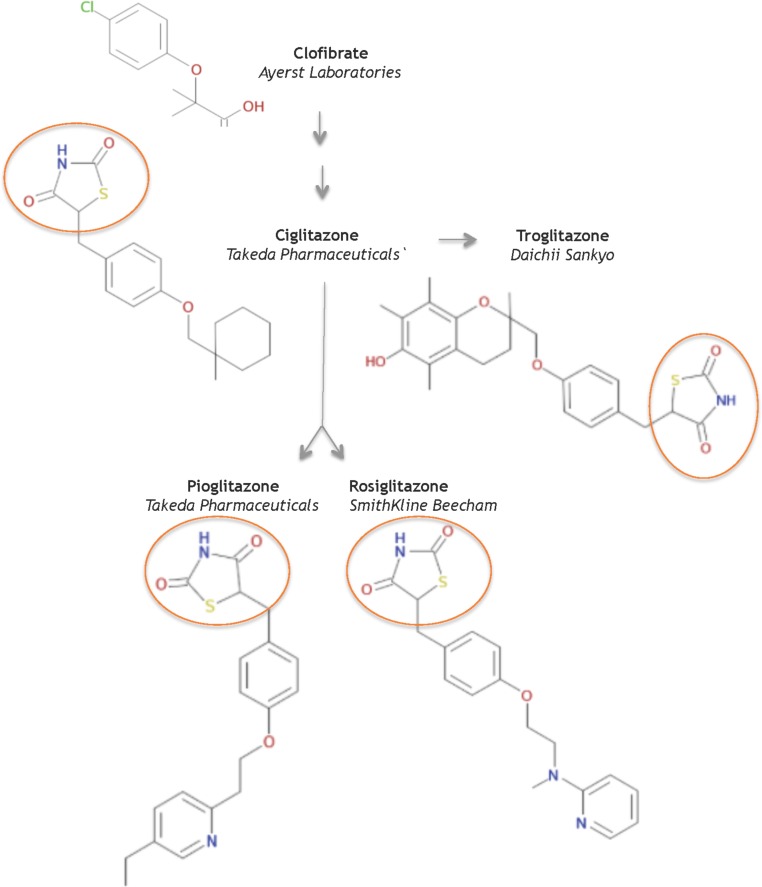
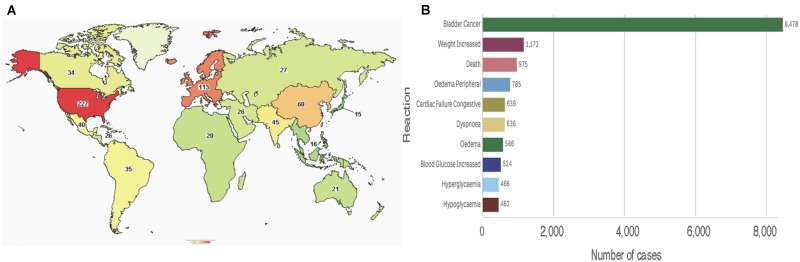
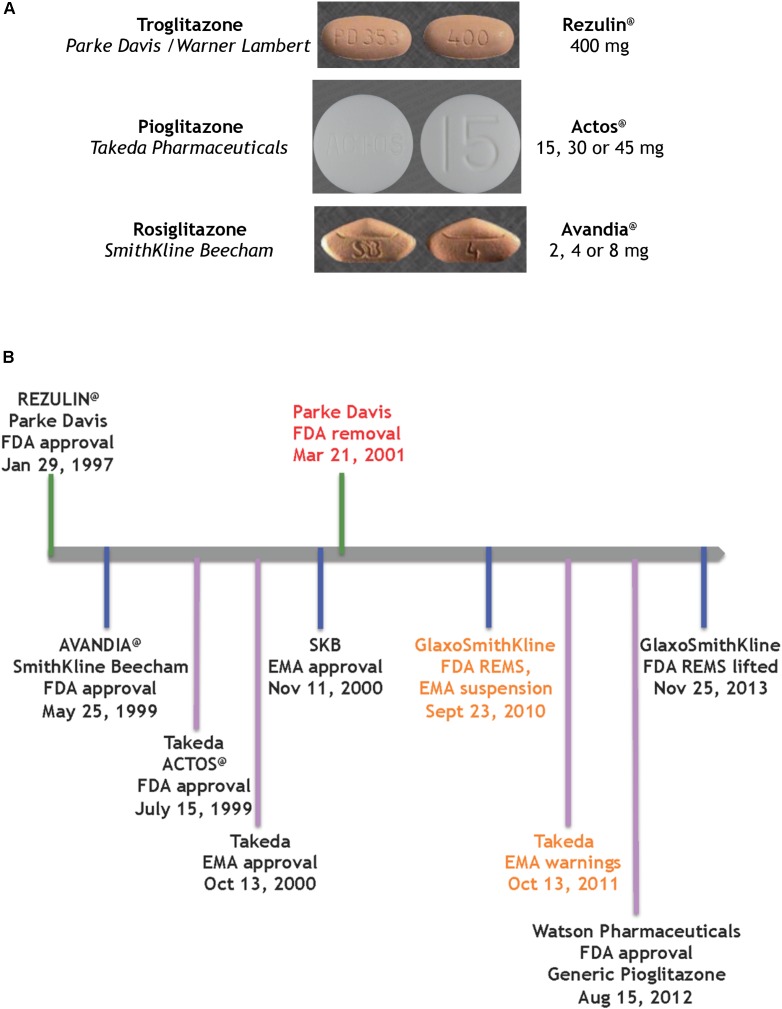
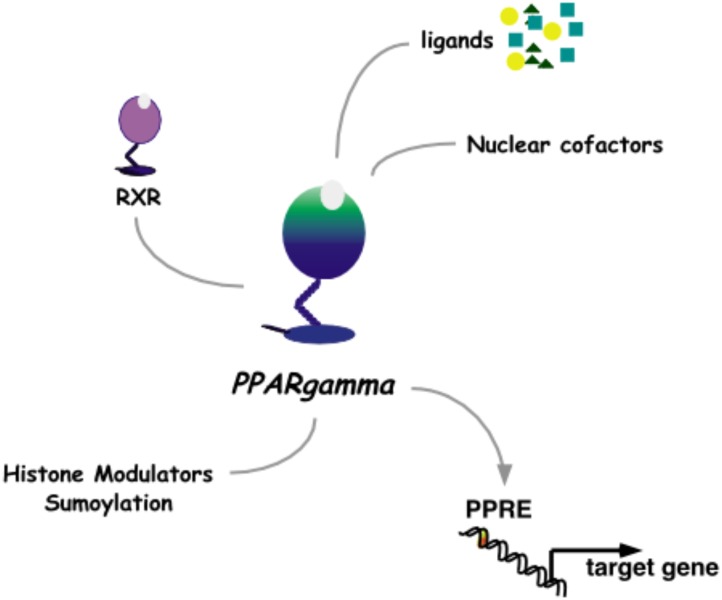
For almost two decades, pioglitazone has been prescribed primarily to prevent and treat insulin resistance in some type 2 diabetic patients. In this review, we trace the path to discovery of pioglitazone as a thiazolidinedione compound, the glitazone tracks through the regulatory agencies, the trek to molecular agonism in the nucleus and the binding of pioglitazone to the nuclear receptor PPAR gamma. Given the rise in consumption of pioglitazone in T2D patients worldwide and the increased number of clinical trials currently testing alternate medical uses for this drug, there is also merit to some reflection on the reported adverse effects. Going forward, it is imperative to continue investigations into the mechanisms of actions of pioglitazone, the potential of glitazone drugs to contribute to unmet needs in complex diseases associated with the dynamics of adaptive homeostasis, and also the routes to minimizing adverse effects in every-day patients throughout the world.
近二十年来,吡格列酮主要用于预防和治疗某些2型糖尿病患者的胰岛素抵抗。在本综述中,我们追溯了吡格列酮作为噻唑烷二酮类化合物的发现历程、该格列酮类药物通过监管机构的审批过程、其在细胞核内的分子激动作用以及吡格列酮与核受体PPARγ的结合情况。鉴于全球2型糖尿病患者中吡格列酮的使用量不断增加,且目前有越来越多的临床试验在测试该药物的其他医学用途,对已报道的不良反应进行一些反思也很有必要。展望未来,必须继续研究吡格列酮的作用机制、格列酮类药物在与适应性稳态动态相关的复杂疾病中满足未满足需求的潜力,以及在全球普通患者中尽量减少不良反应的途径。