Fujibayashi Emi, Yabuta Norikazu, Nishikawa Yukihiro, Uchihashi Toshihiro, Miura Daisaku, Kurioka Kyoko, Tanaka Susumu, Kogo Mikihiko, Nojima Hiroshi
First Department of Oral and Maxillofacial Surgery, Graduate School of Dentistry, Osaka University, Suita 565-0871, Osaka, Japan.
Department of Molecular Genetics, Research Institute for Microbial Diseases, Osaka University, Suita 565-0871, Osaka, Japan.
Oncotarget. 2018 Sep 21;9(74):33931-33946. doi: 10.18632/oncotarget.26092.
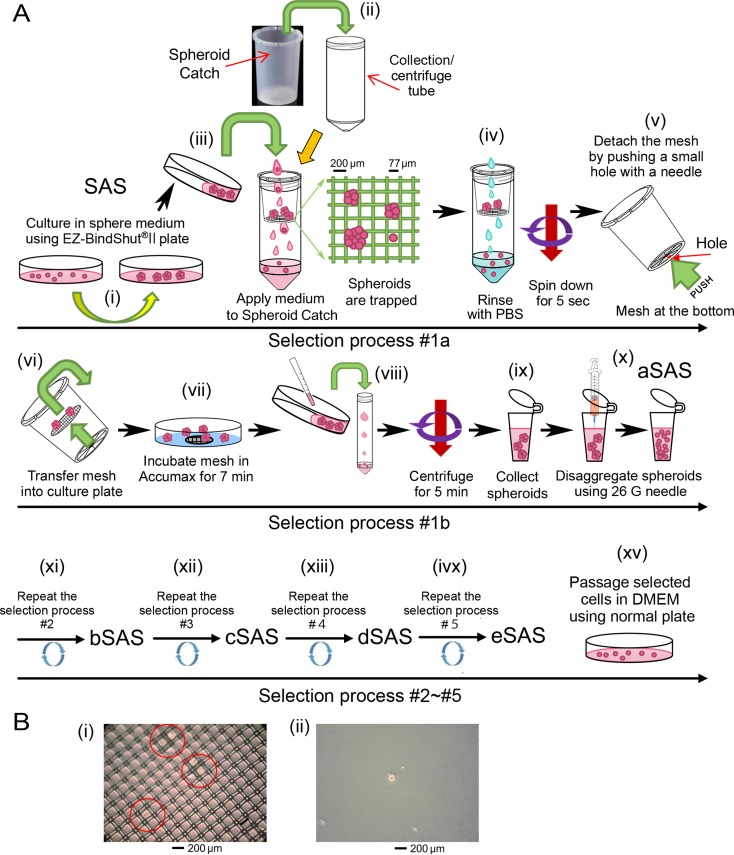
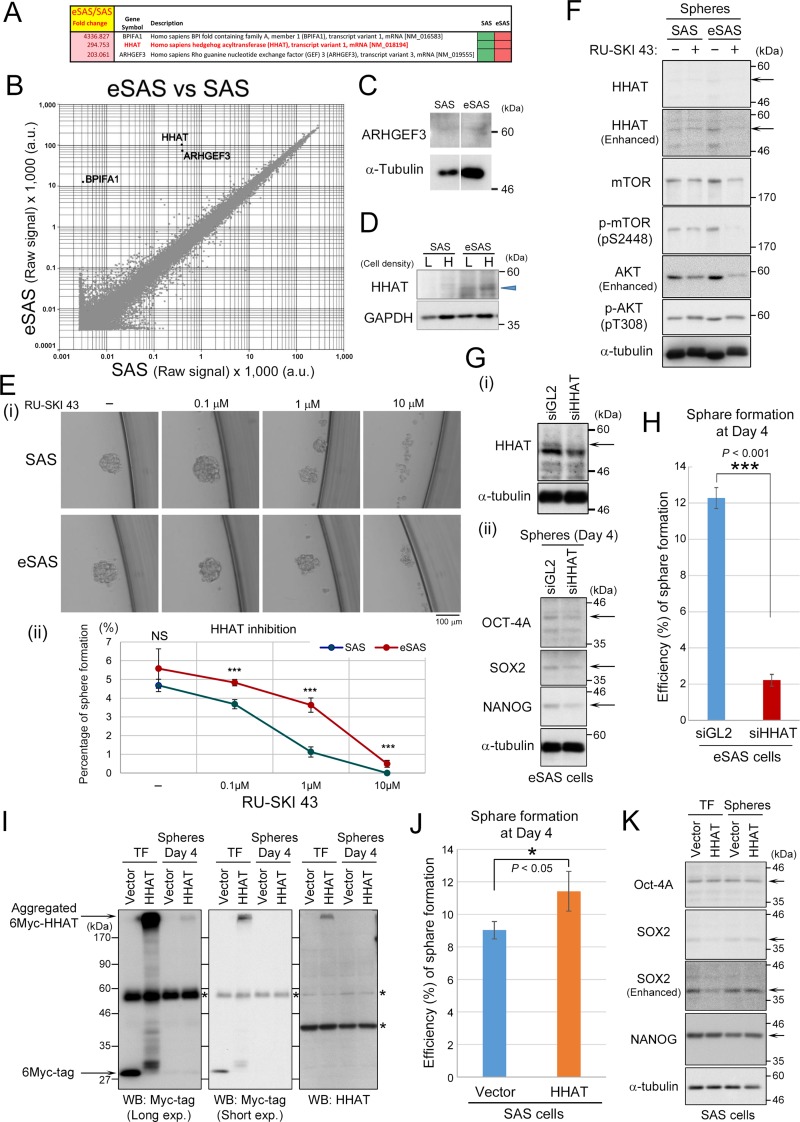
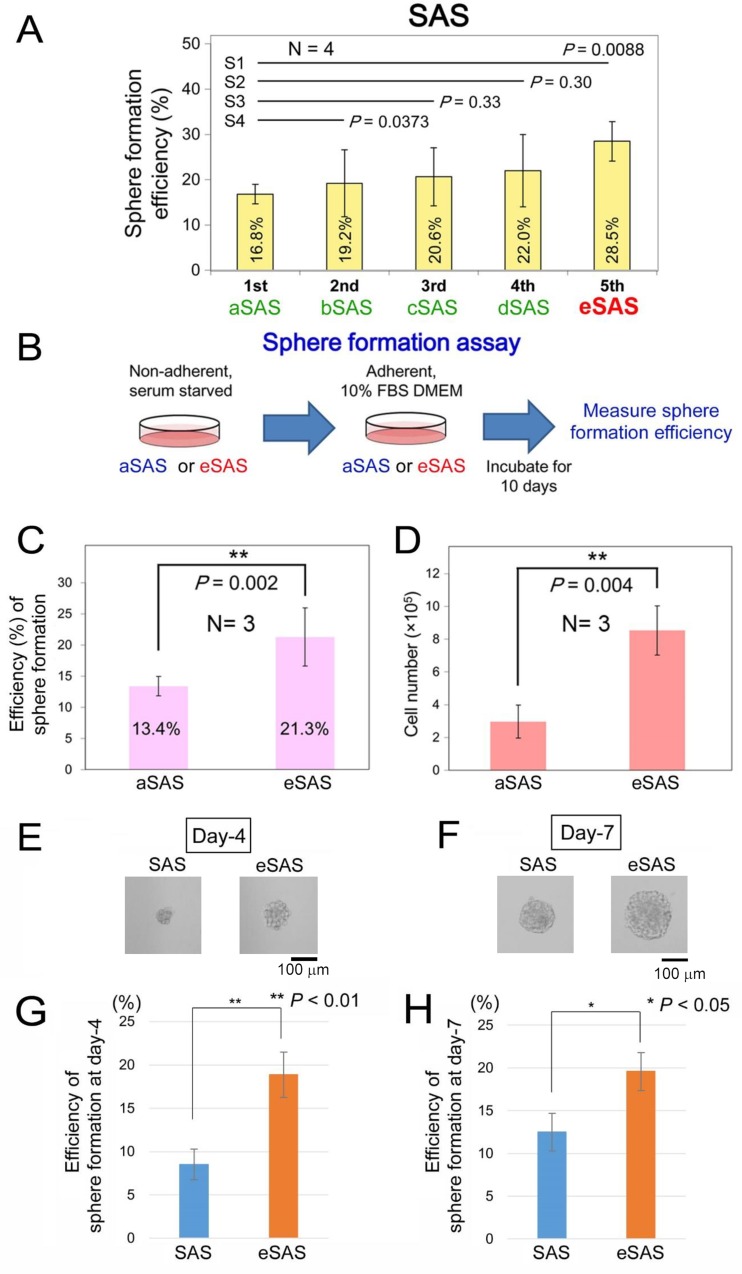
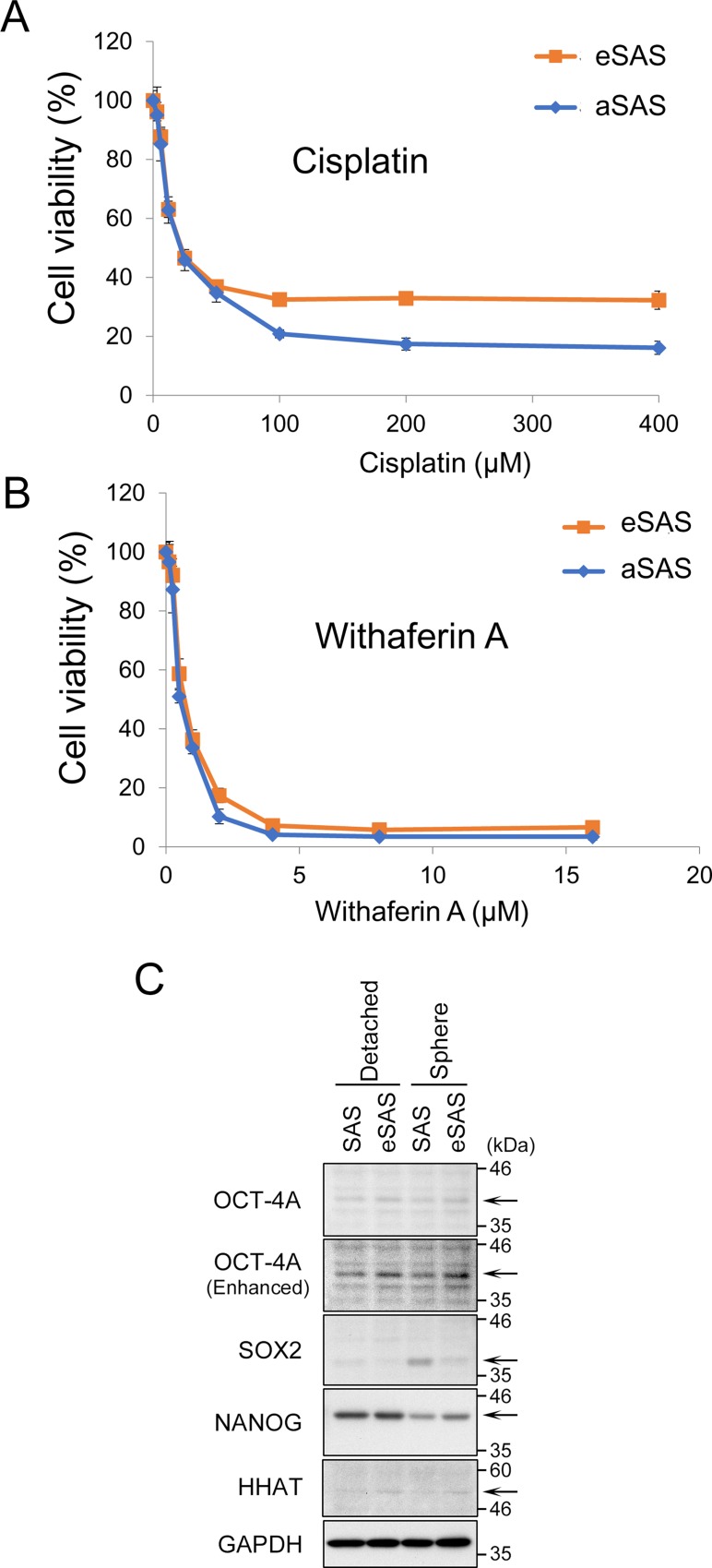
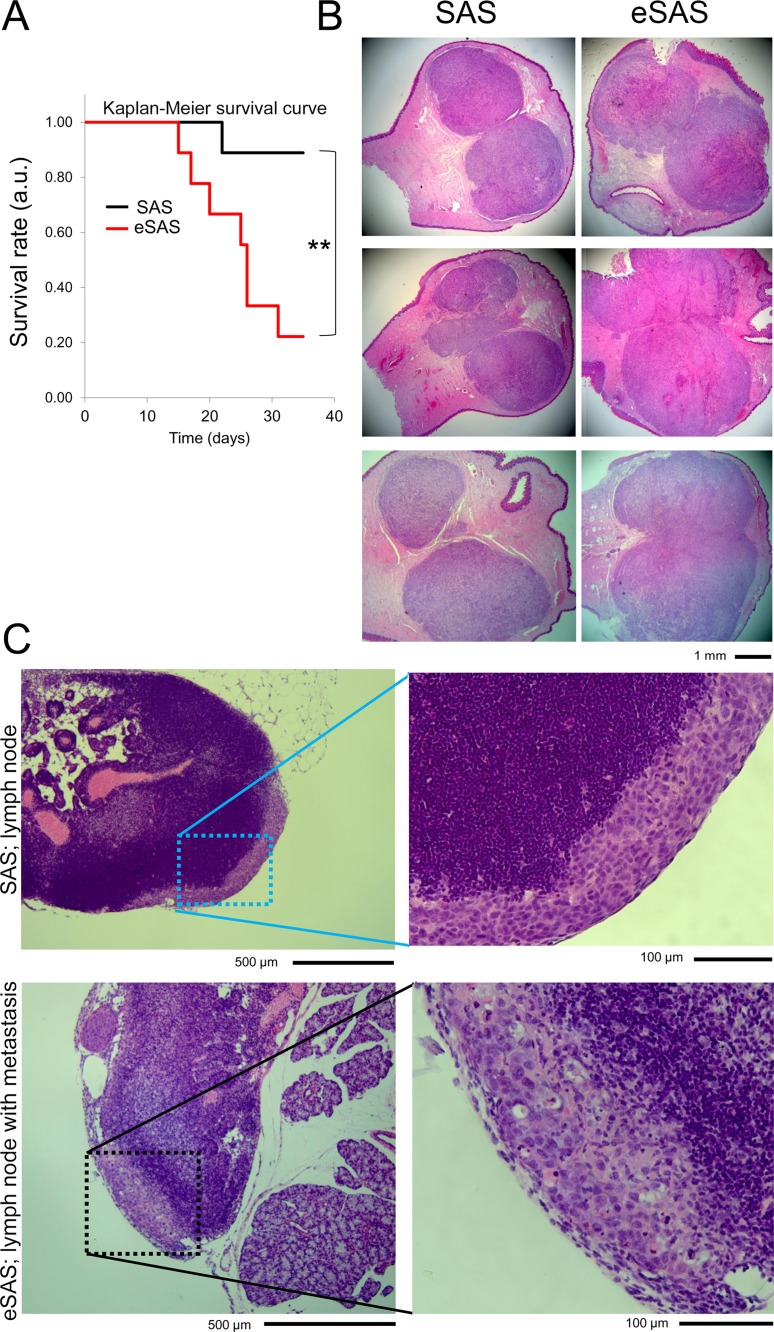
Three-dimensional (3D) cell culture systems have been used to obtain multicellular spheroidal cell aggregates, or spheroids, from cancer cells. However, it is difficult to efficiently prepare large tumor-derived spheroids from cancer cells. To circumvent this problem, we here used a tool equipped with removal membrane, called Spheroid Catch, for the selection and enrichment of large-sized and/or size-matched spheroids from human squamous cell carcinoma (SAS cells) without loss of recovery. After a five-round process of selection and enrichment, we successfully isolated a subpopulation of SAS cells with augmented spheroid-forming capability, named eSAS: the efficiency of spheroid formation is 28.5% (eSAS) vs 16.8% (parental SAS). Notably, we found that some of eSAS cells survived after exposure of high doses of cisplatin in 3D culture. Moreover, orthotopic implantation by injecting eSAS cells into the tongues of nude mice showed reduced survival rate and increased tumor growth compared with those of nude mice injected with SAS cells. These results suggest that spheroids exhibiting properties of higher spheroid forming capacity can be efficiently collected by using Spheroid Catch. Indeed, genome-wide cDNA microarray and western blot analyses demonstrated higher mRNA and protein levels of hedgehog acyltransferase (HHAT), which is associated with stem maintenance in cell carcinoma by catalysing the N-palmitoylation of Hedgehog proteins, in eSAS cells than in SAS cells. We propose that Spheroid Catch could be useful for the study of spheroids, and potentially organoids, in the basic and clinical sciences, as an alternative method to other type of cell strainers.
三维(3D)细胞培养系统已被用于从癌细胞中获得多细胞球状细胞聚集体,即球体。然而,从癌细胞高效制备大的肿瘤来源球体是困难的。为了解决这个问题,我们在此使用了一种配备去除膜的工具,称为球体捕获器,用于从人鳞状细胞癌(SAS细胞)中选择和富集大型和/或大小匹配的球体,且不损失回收率。经过五轮选择和富集过程,我们成功分离出了具有增强球体形成能力的SAS细胞亚群,命名为eSAS:球体形成效率为28.5%(eSAS),而亲代SAS细胞为16.8%。值得注意的是,我们发现一些eSAS细胞在3D培养中暴露于高剂量顺铂后仍能存活。此外,将eSAS细胞注射到裸鼠舌部进行原位植入显示,与注射SAS细胞的裸鼠相比,其存活率降低,肿瘤生长增加。这些结果表明,使用球体捕获器可以有效地收集具有更高球体形成能力的球体。事实上,全基因组cDNA微阵列和蛋白质印迹分析表明,与通过催化刺猬蛋白的N-棕榈酰化参与细胞癌干细胞维持相关的刺猬酰基转移酶(HHAT),在eSAS细胞中的mRNA和蛋白质水平高于SAS细胞。我们提出,作为其他类型细胞滤网的替代方法,球体捕获器可能有助于基础和临床科学中球体以及潜在类器官的研究。