Department of Psychology, Utrecht University, Utrecht, the Netherlands; Department of Psychiatry and Mental Health, University of Cape Town, Cape Town, South Africa.
Center for Psychiatric Neuroscience, Lausanne University and University Hospital Center, Lausanne, Switzerland.
Cell. 2018 Oct 18;175(3):723-735.e16. doi: 10.1016/j.cell.2018.09.028.
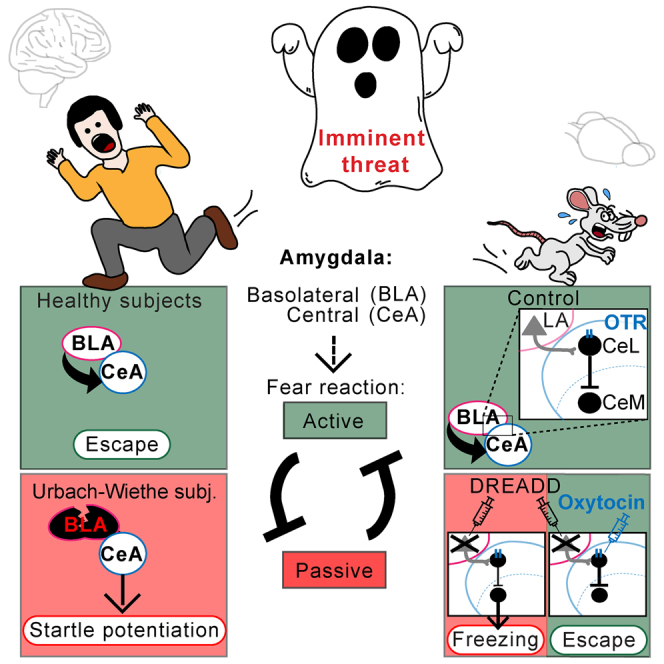
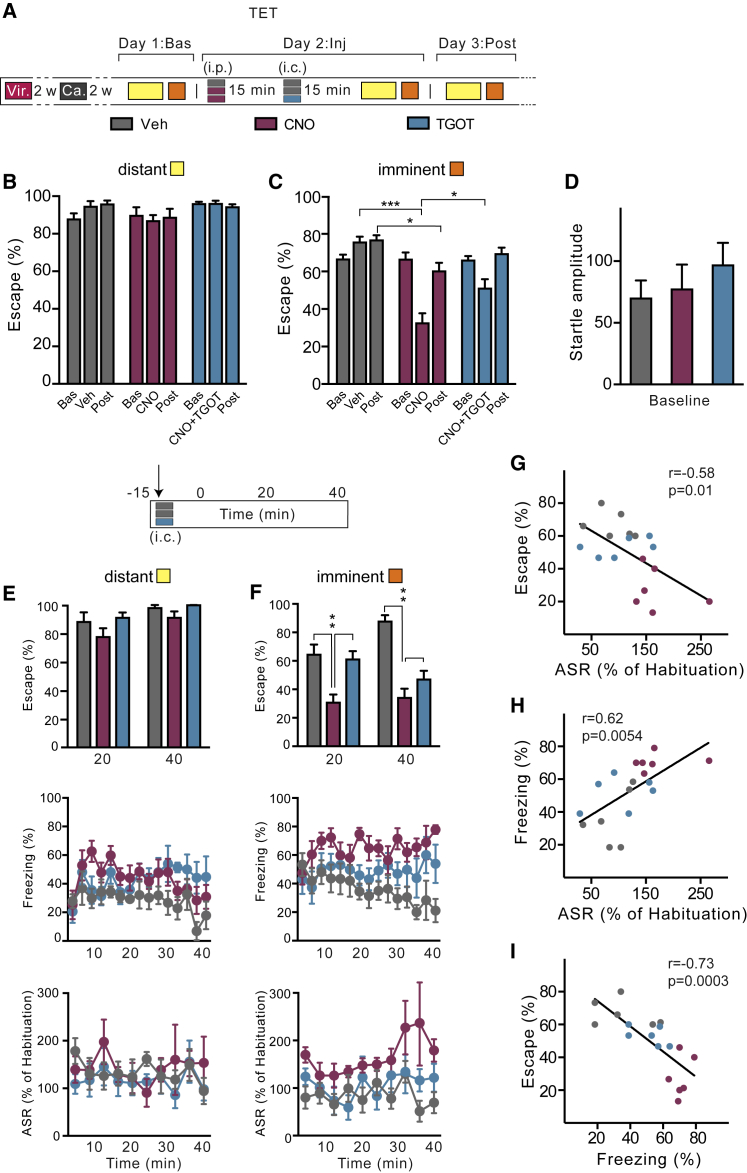
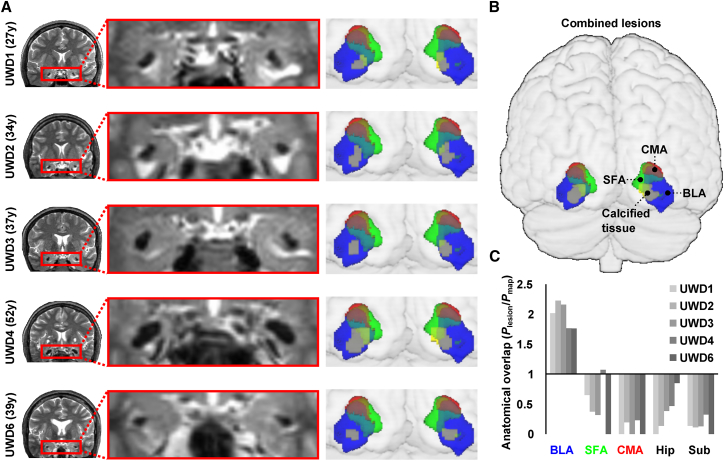
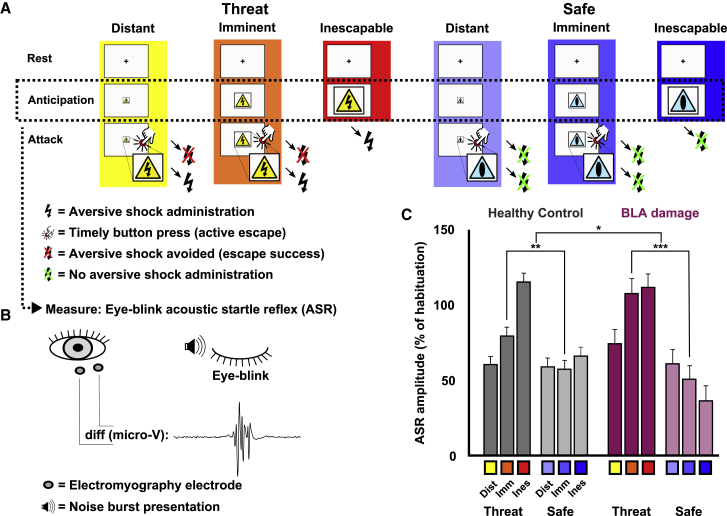
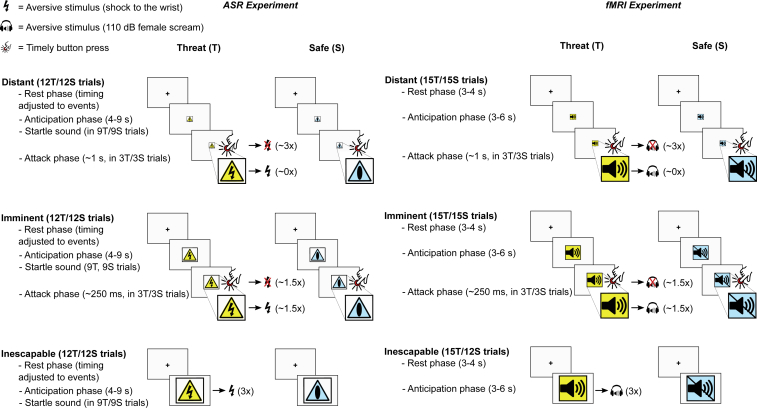
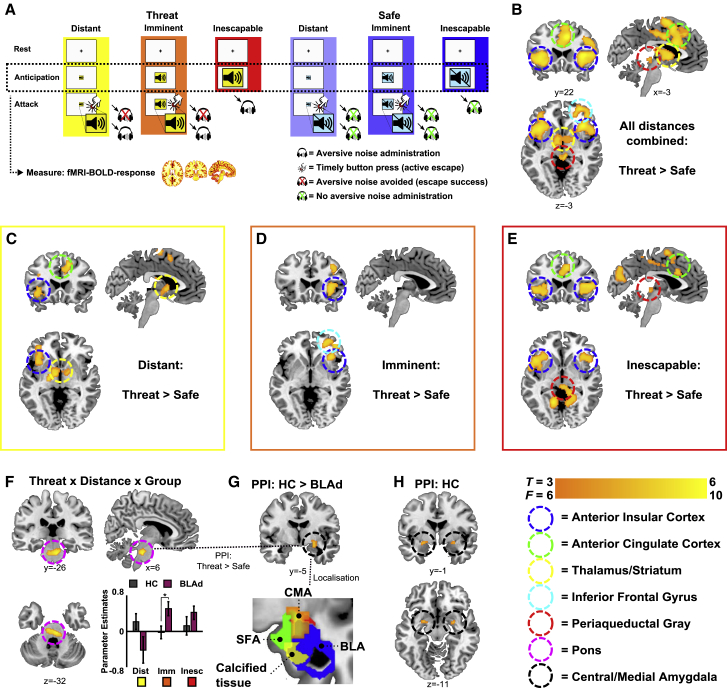
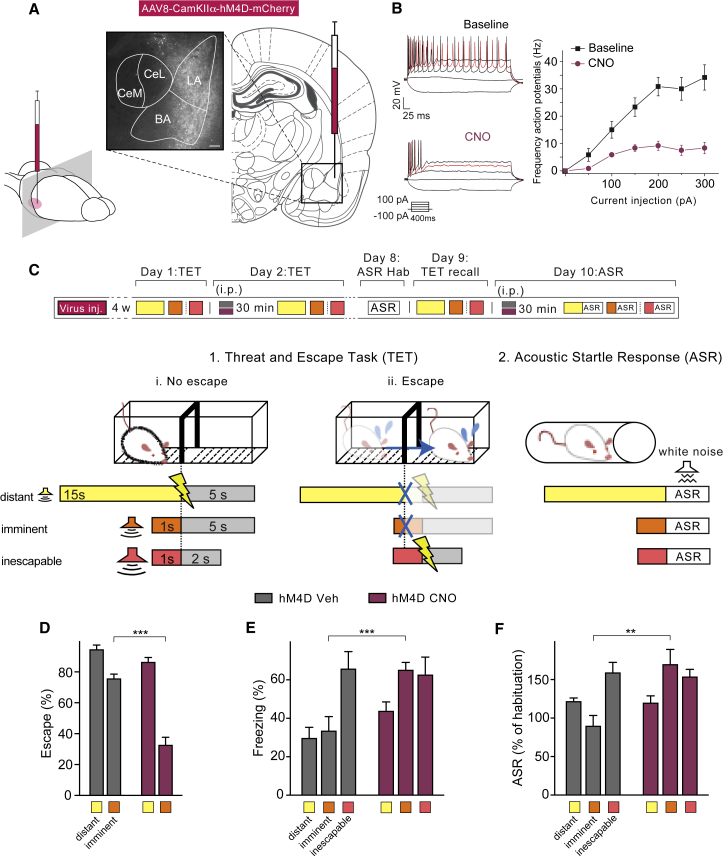
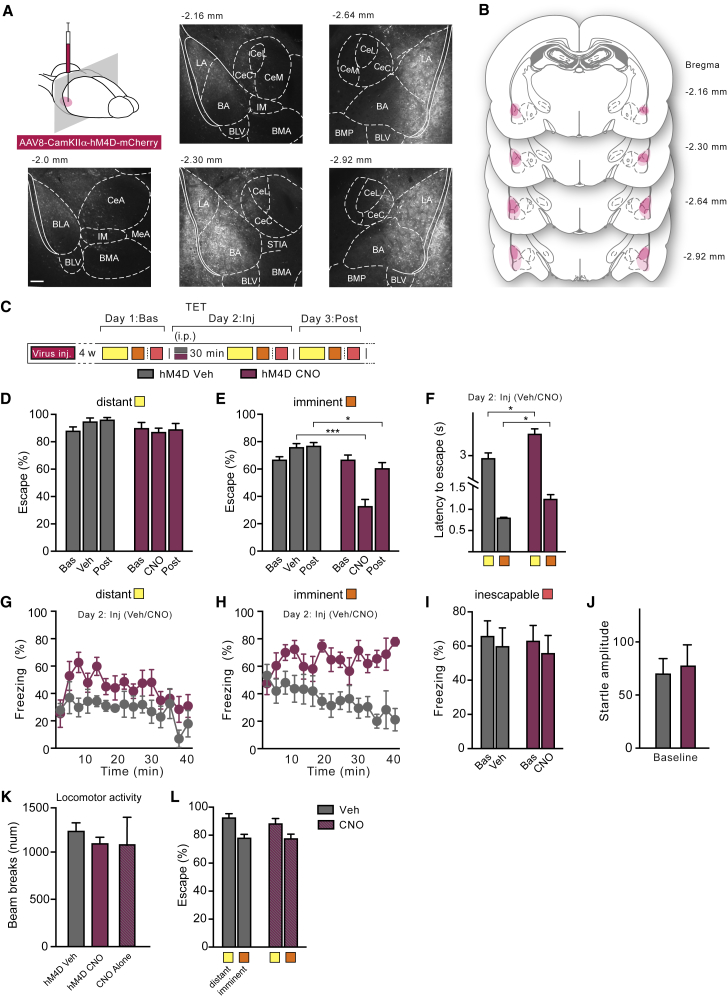
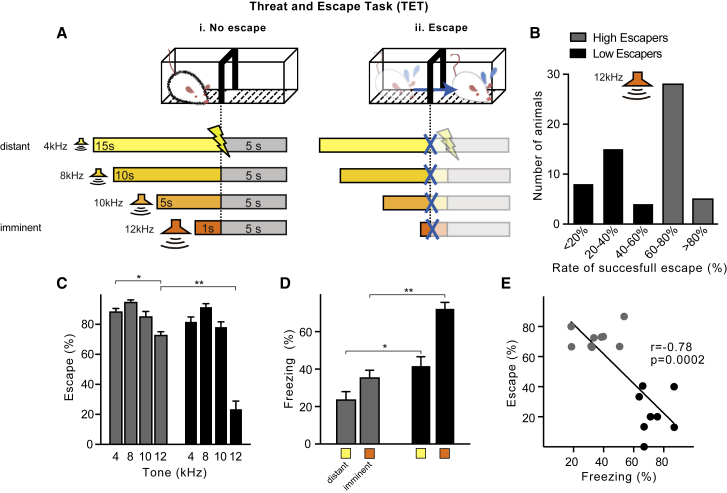
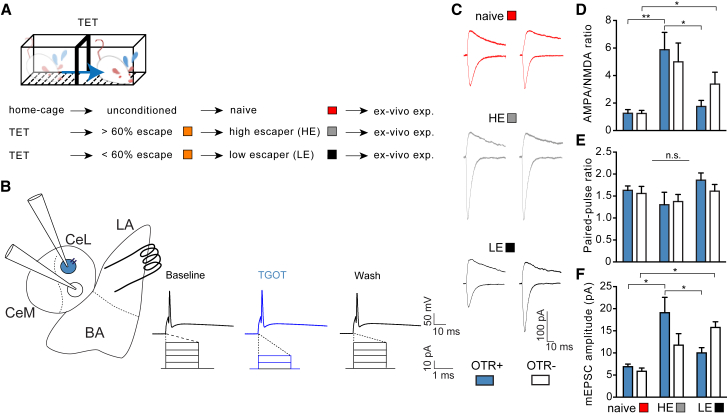
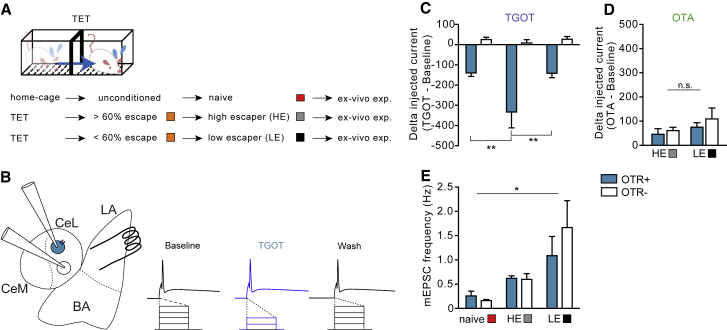
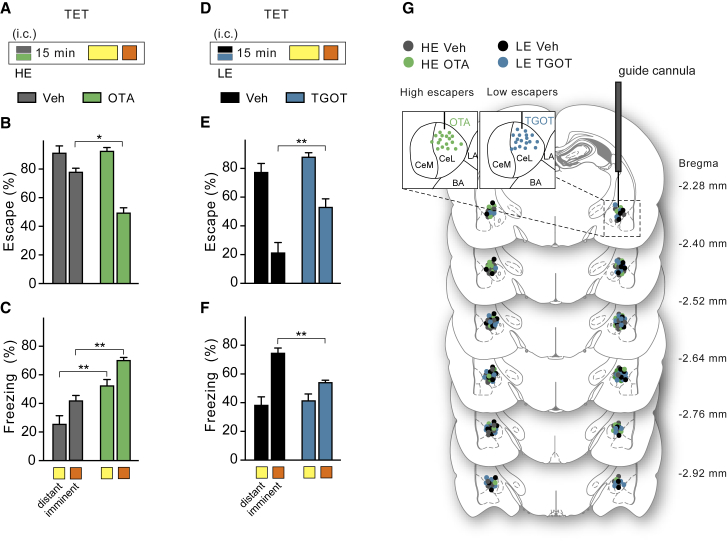
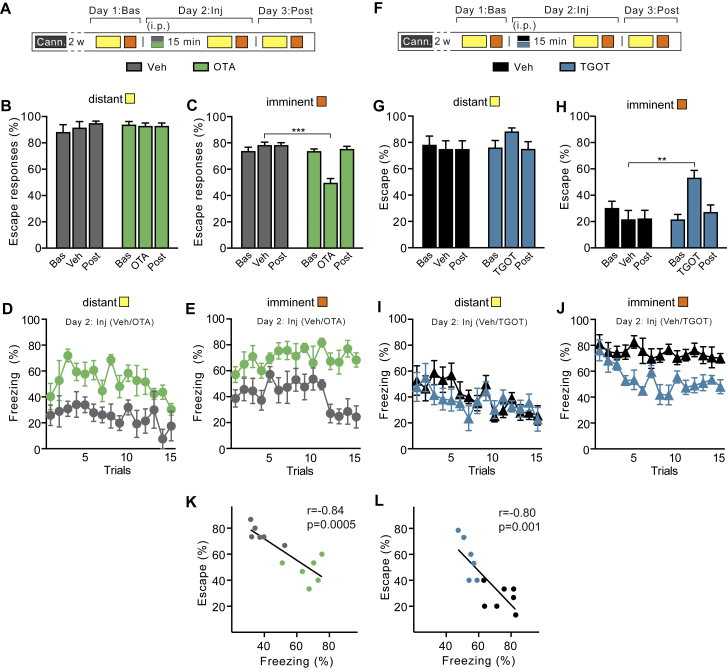
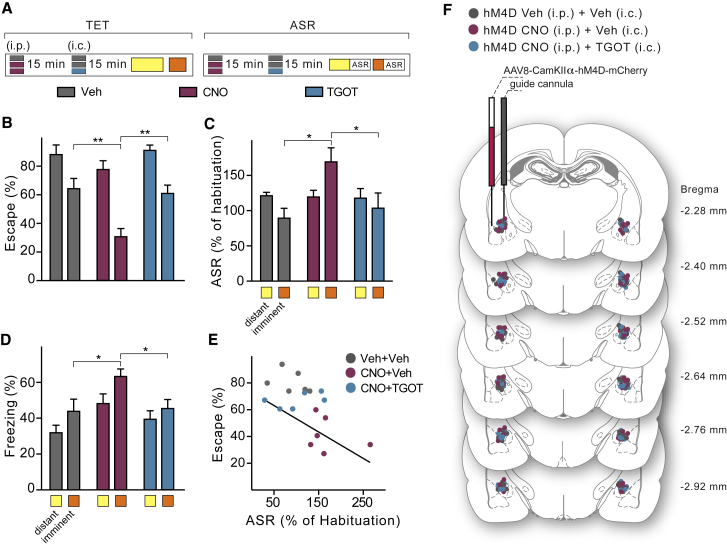
Rodent research delineates how the basolateral amygdala (BLA) and central amygdala (CeA) control defensive behaviors, but translation of these findings to humans is needed. Here, we compare humans with natural-selective bilateral BLA lesions to rats with a chemogenetically silenced BLA. We find, across species, an essential role for the BLA in the selection of active escape over passive freezing during exposure to imminent yet escapable threat (T). In response to T, BLA-damaged humans showed increased startle potentiation and BLA-silenced rats demonstrated increased startle potentiation, freezing, and reduced escape behavior as compared to controls. Neuroimaging in humans suggested that the BLA reduces passive defensive responses by inhibiting the brainstem via the CeA. Indeed, T conditioning potentiated BLA projections onto an inhibitory CeA pathway, and pharmacological activation of this pathway rescued deficient T responses in BLA-silenced rats. Our data reveal how the BLA, via the CeA, adaptively regulates escape behavior from imminent threat and that this mechanism is evolutionary conserved across rodents and humans.
啮齿动物研究描绘了基底外侧杏仁核(BLA)和中央杏仁核(CeA)如何控制防御行为,但需要将这些发现转化为人类。在这里,我们将具有天然选择性双侧 BLA 损伤的人类与化学遗传沉默的 BLA 的大鼠进行比较。我们发现,在物种间,BLA 在选择主动逃避而不是在面临可逃避威胁(T)时被动冻结方面起着至关重要的作用。对于 T,与对照组相比,BLA 受损的人类表现出更大的惊吓增强,而 BLA 沉默的大鼠则表现出更大的惊吓增强、冻结和减少逃避行为。人类的神经影像学研究表明,BLA 通过 CeA 抑制脑干来减少被动防御反应。事实上,T 调节增强了 BLA 对抑制性 CeA 通路的投射,而该通路的药理学激活挽救了 BLA 沉默大鼠中 T 反应的缺陷。我们的数据揭示了 BLA 通过 CeA 如何自适应地调节对即将到来的威胁的逃避行为,并且这种机制在啮齿动物和人类中是进化保守的。