Departmentof Molecular Medicine, Sapienza University of Rome, Viale Regina Elena 291, 00161 Rome, Italy.
Departmentof Anatomical, Histological, Forensic & Orthopedic Sciences, Sapienza University of Rome, Piazzale Aldo Moro 5, 00185 Rome, Italy.
Comput Intell Neurosci. 2018 Sep 24;2018:9616301. doi: 10.1155/2018/9616301. eCollection 2018.
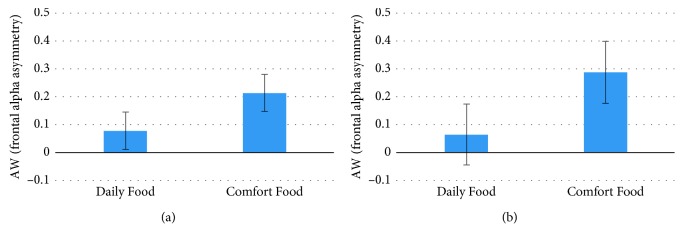
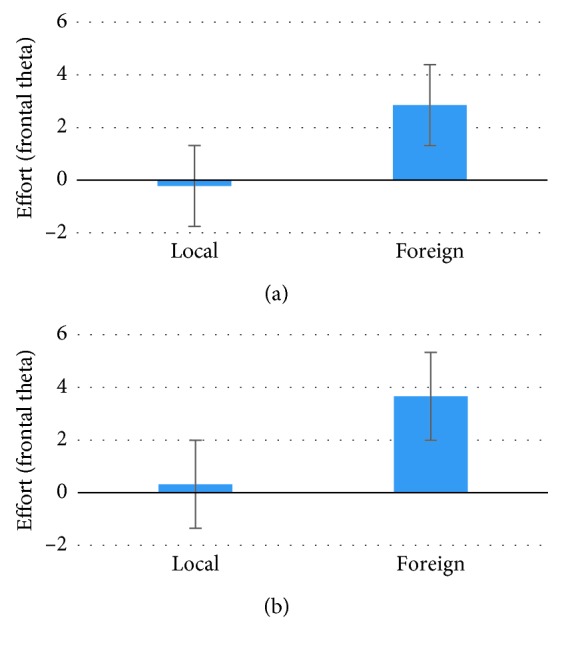
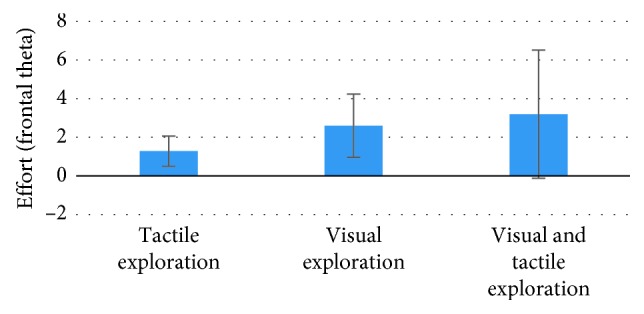
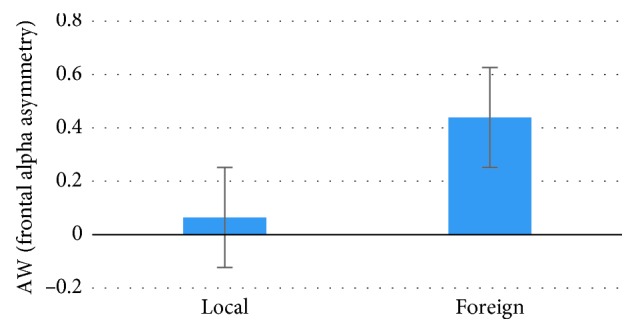
It is well known that the evaluation of a product from the shelf considers the simultaneous cerebral and emotional evaluation of the different qualities of the product such as its colour, the eventual images shown, and the envelope's texture (hereafter all included in the term "product experience"). However, the measurement of cerebral and emotional reactions during the interaction with food products has not been investigated in depth in specialized literature. The aim of this paper was to investigate such reactions by the EEG and the autonomic activities, as elicited by the cross-sensory interaction (sight and touch) across several different products. In addition, we investigated whether (i) the brand (Major Brand or Private Label), (ii) the familiarity (Foreign or Local Brand), and (iii) the hedonic value of products (Comfort Food or Daily Food) influenced the reaction of a group of volunteers during their interaction with the products. Results showed statistically significantly higher tendency of cerebral approach (as indexed by EEG frontal alpha asymmetry) in response to comfort food during the visual exploration and the visual and tactile exploration phases. Furthermore, for the same index, a higher tendency of approach has been found toward foreign food products in comparison with local food products during the visual and tactile exploration phase. Finally, the same comparison performed on a different index (EEG frontal theta) showed higher mental effort during the interaction with foreign products during the visual exploration and the visual and tactile exploration phases. Results from the present study could deepen the knowledge on the neurophysiological response to food products characterized by different nature in terms of hedonic value familiarity; moreover, they could have implications for food marketers and finally lead to further study on how people make food choices through the interactions with their commercial envelope.
众所周知,货架产品评估考虑了对产品不同质量(如颜色、可能显示的图像以及包装的质地)的同时进行的大脑和情感评估(以下统称“产品体验”)。然而,食品产品互动过程中大脑和情感反应的测量在专业文献中并未得到深入研究。本文旨在通过 EEG 和自主活动来研究这些反应,这些反应是由跨感官交互(视觉和触觉)引起的,涉及多种不同产品。此外,我们还研究了品牌(主要品牌或自有品牌)、产品的熟悉度(外国品牌或本地品牌)和产品的愉悦度(舒适食品或日常食品)是否会影响一组志愿者在与产品互动时的反应。结果表明,在视觉探索和视觉与触觉探索阶段,大脑对舒适食品的反应表现出更高的趋近倾向(由 EEG 额叶阿尔法不对称性指标)。此外,对于相同的指标,与本地食品相比,外国食品在视觉和触觉探索阶段表现出更高的趋近倾向。最后,对于不同的指标(EEG 额叶 theta)进行相同的比较显示,在视觉探索和视觉与触觉探索阶段,与外国产品的互动过程中大脑需要付出更高的努力。本研究的结果可以加深对具有不同愉悦度和熟悉度特性的食品产品的神经生理反应的认识;此外,它们可能对食品营销人员具有启示意义,并最终导致进一步研究人们如何通过与商业包装的互动来做出食品选择。