Soler Rafaela, Méndez Cristina, Rodríguez Esther, Barriales Roberto, Ochoa Juan Pablo, Monserrat Lorenzo
Radiology Department, Complexo Hospitalario Universitario A Coruña, Instituto de Investigación Biomédica de A Coruña (INIBIC), Servizo Galego de Saúde (SERGAS), Universidade da Coruña, Xubias de Arriba 86, 15006, A Coruña, Spain.
Cardiology Department, Complexo Hospitalario Universitario A Coruña, Instituto de Investigación Biomédica de A Coruña (INIBIC), Servizo Galego de Saúde (SERGAS), Universidade da Coruña, Xubias de Arriba, 84, 15006, A Coruña, Spain.
Insights Imaging. 2018 Dec;9(6):1007-1020. doi: 10.1007/s13244-018-0656-8. Epub 2018 Oct 22.
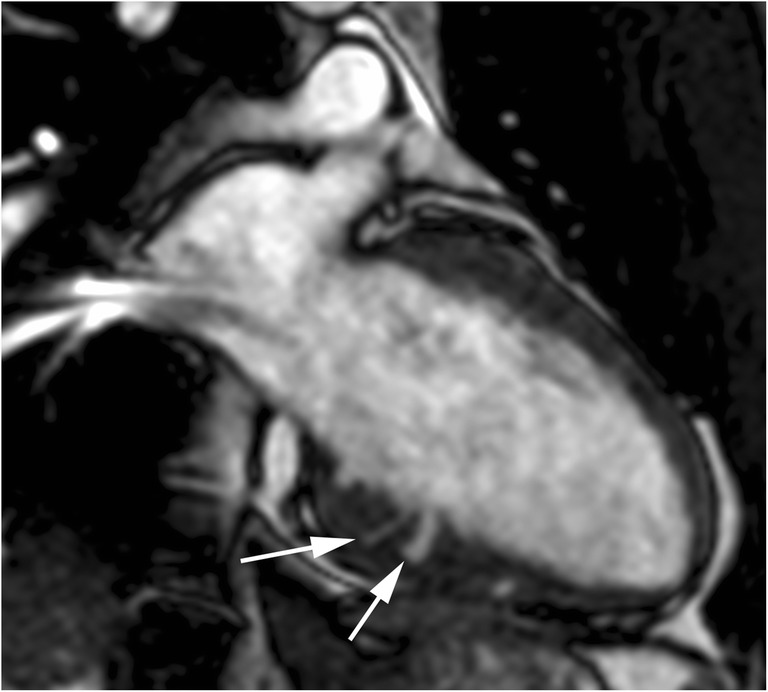
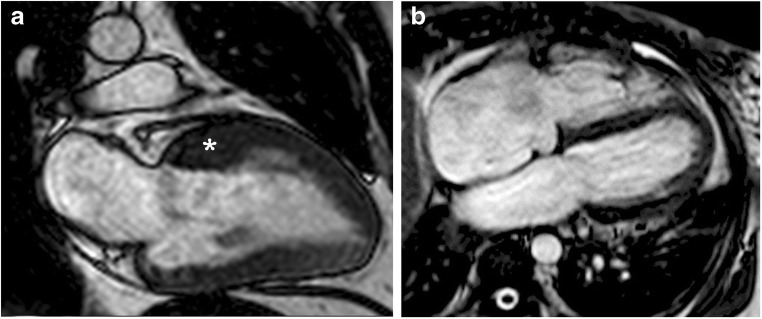
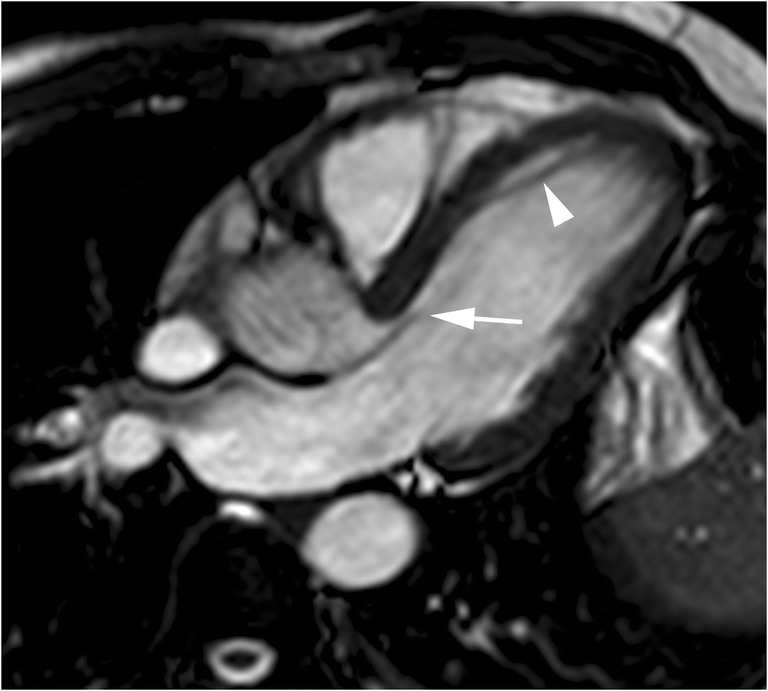
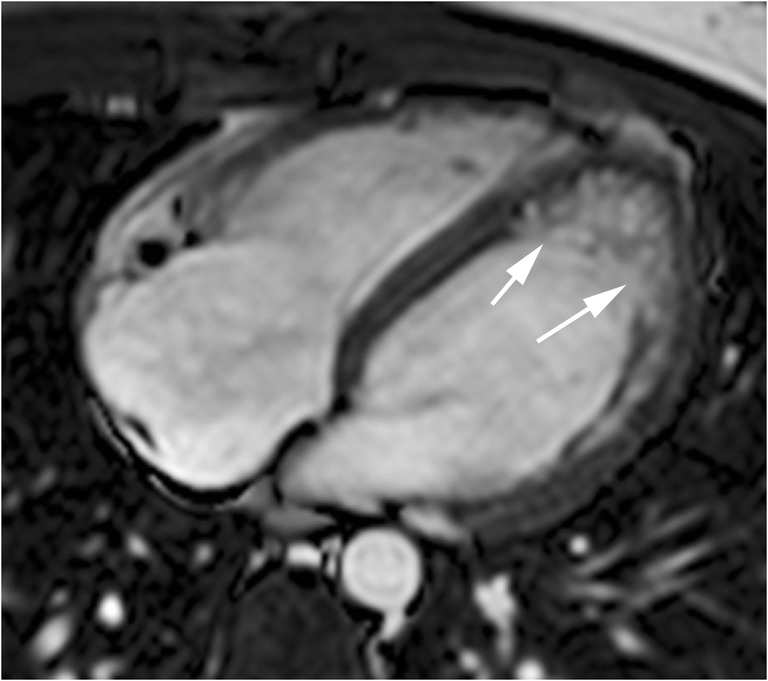
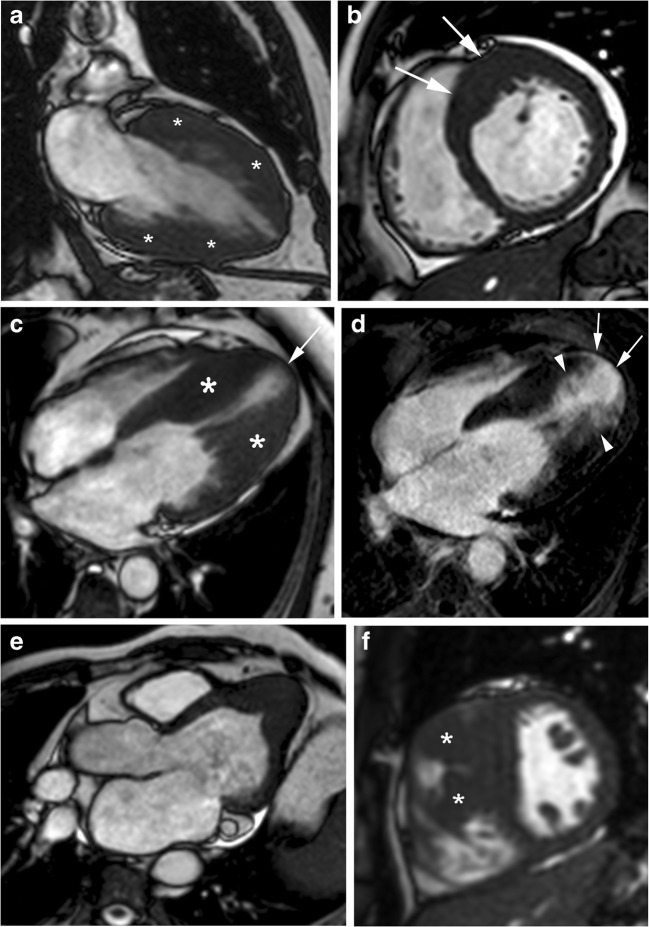
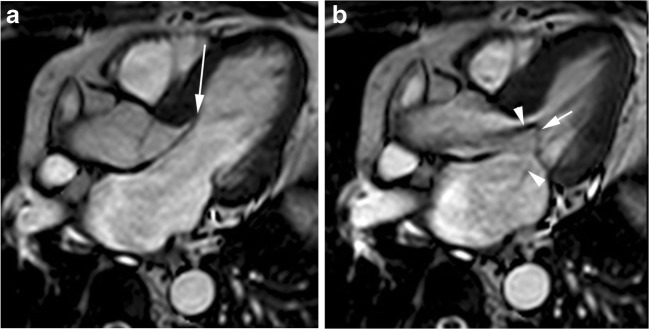
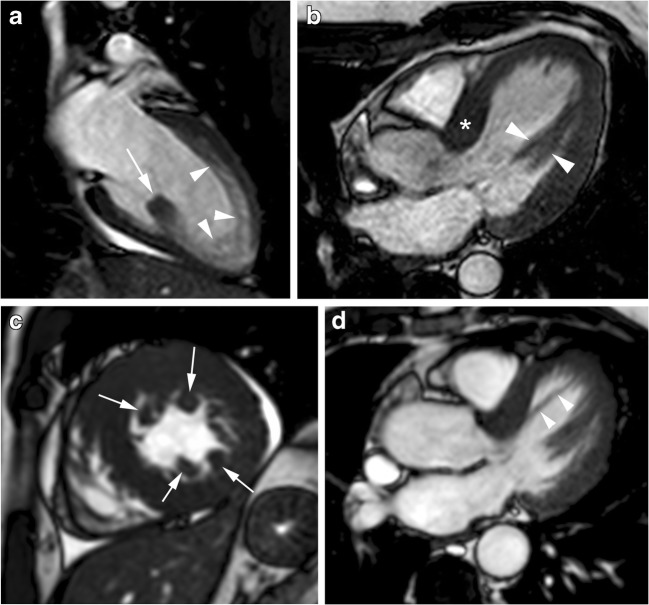
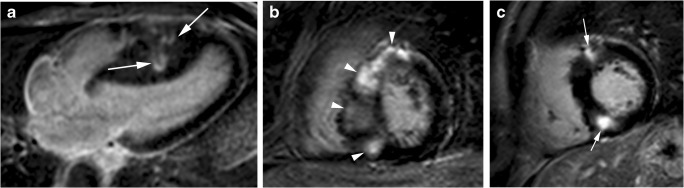
The purpose of this article is to review how cardiac MRI provides the clinician with detailed information about the hypertrophic cardiomyopathy (HCM) phenotypes, assessing its morphological and functional consequences.
An understanding of cardiac MRI manifestations of HCM phenotypes will aid early diagnosis recognition and its functional consequences.
• The phenotypic variability of HCM expands beyond myocardial hypertrophy, to include morphological and functional manifestations, ranging from subtle anomalies to remodelling of the LV with progressive dilatation and thinning of its wall. • The stages of HCM, which are based on the clinical evidence of disease progression, include subclinical HCM, the classic HCM phenothype, adverse remodelling and overt dysfunction, or end-stage HCM. • Cardiac MRI provides the clinician with detailed information regarding the HCM phenotypes and enables the assessment of its functional consequences.
本文旨在综述心脏磁共振成像(MRI)如何为临床医生提供有关肥厚型心肌病(HCM)表型的详细信息,评估其形态学和功能后果。
了解HCM表型的心脏MRI表现将有助于早期诊断识别及其功能后果。
• HCM的表型变异性不仅限于心肌肥厚,还包括形态学和功能表现,范围从细微异常到左心室(LV)重塑,伴有其壁的逐渐扩张和变薄。• HCM的阶段基于疾病进展的临床证据,包括亚临床HCM、经典HCM表型、不良重塑和明显功能障碍或终末期HCM。• 心脏MRI为临床医生提供有关HCM表型的详细信息,并能够评估其功能后果。