Yimtae Kwanchanok, Israsena Pasin, Thanawirattananit Panida, Seesutas Sangvorn, Saibua Siwat, Kasemsiri Pornthep, Noymai Anukool, Soonrach Tharapong
Department of Otorhinolaryngology, Faculty of Medicine, Khon Kaen University, Khon Kaen, Thailand.
National Electronics and Computer Technology Center, National Science and Technology Development Agency, Klong Luang, Pathumthani, Thailand.
JMIR Mhealth Uhealth. 2018 Oct 23;6(10):e186. doi: 10.2196/mhealth.9560.
Hearing ability is important for children to develop speech and language skills as they grow. After a mandatory newborn hearing screening, group or mass screening of children at later ages, such as at preschool age, is often practiced. For this practice to be effective and accessible in low-resource countries such as Thailand, innovative enabling tools that make use of pervasive mobile and smartphone technology should be considered.
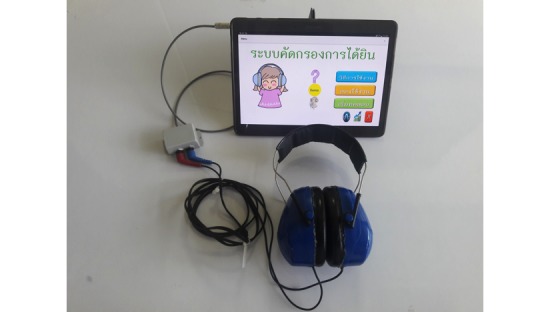
This study aims to develop a cost-effective, tablet-based hearing screening system that can perform a rapid minimal speech recognition level test.
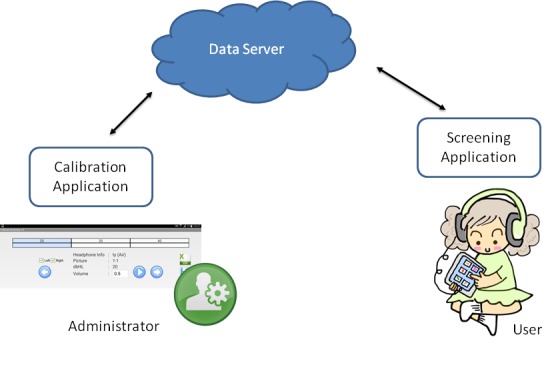
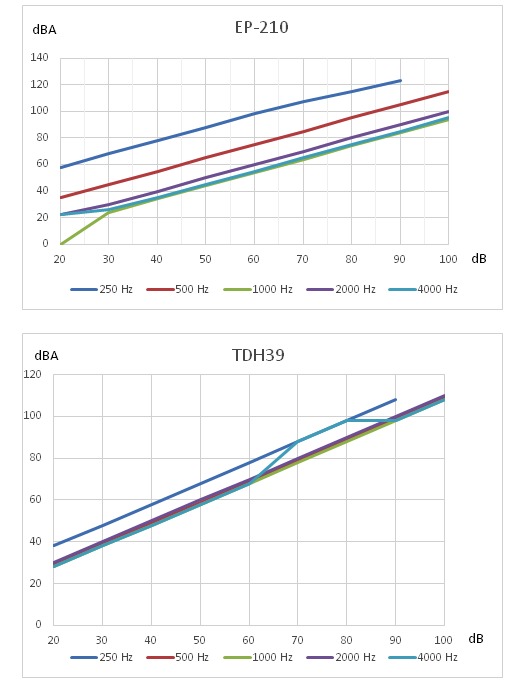
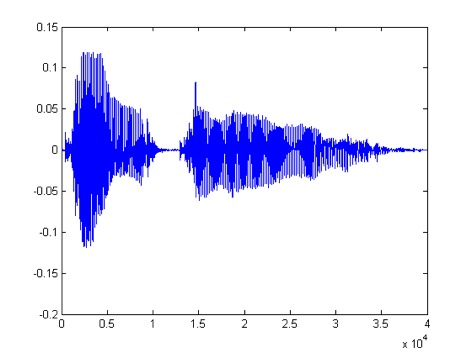
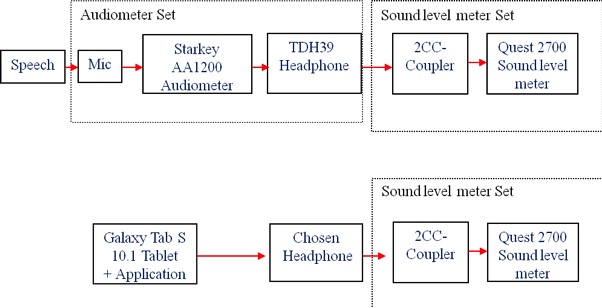
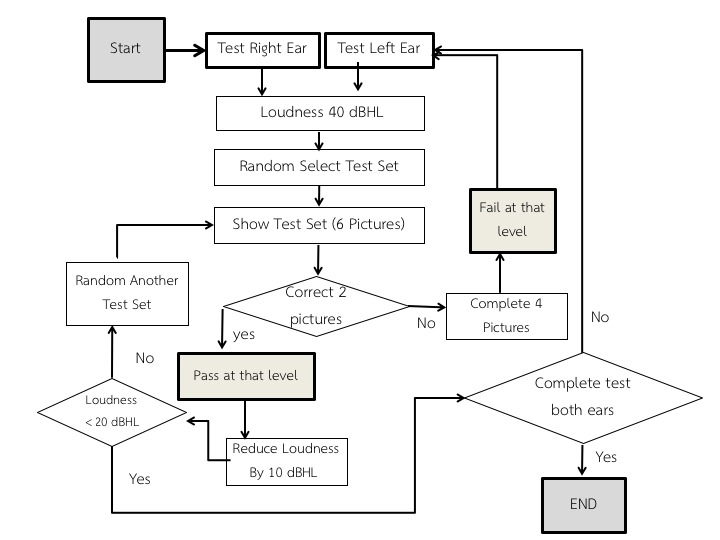
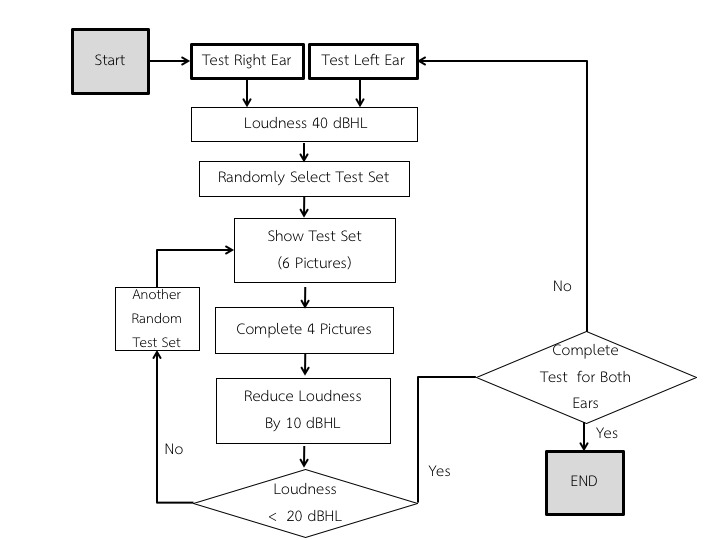
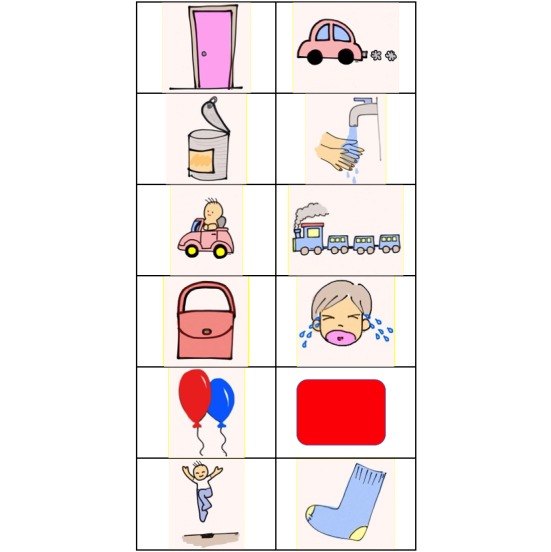
An Android-based screening app was developed. The screening protocol involved asking children to choose pictures corresponding to a set of predefined words heard at various sound levels offered in a specifically designed sequence. For the app, the set of words was validated, and their corresponding speech power levels were calibrated. We recruited 122 children, aged 4-5 years, during the development phase. Another 63 children of the same age were screened for their hearing abilities using the app in version 2. The results in terms of the sensitivity and specificity were compared with those measured using the conventional audiometric equipment.
For screening purposes, the sensitivity of the developed screening system version 2 was 76.67% (95% CI 59.07-88.21), and the specificity was 95.83% (95% CI 89.77-98.37) for screening children with mild hearing loss (pure-tone average threshold at 1, 2, and 4 kHz, >20 dB). The time taken for the screening of each child was 150.52 (SD 19.07) seconds (95% CI 145.71-155.32 seconds). The average time used for conventional play audiometry was 11.79 (SD 3.66) minutes (95% CI 10.85-12.71 minutes).
This study shows the potential use of a tablet-based system for rapid and mobile hearing screening. The system was shown to have good overall sensitivity and specificity. Overall, the idea can be easily adopted for systems based on other languages.
听力对于儿童成长过程中发展言语和语言技能至关重要。在进行强制性新生儿听力筛查后,通常会在儿童稍大一些的年龄,如学龄前进行群体或大规模筛查。为了使这种做法在泰国等资源匮乏的国家有效且可及,应考虑利用普及的移动和智能手机技术的创新支持工具。
本研究旨在开发一种具有成本效益的、基于平板电脑的听力筛查系统,该系统能够进行快速的最低言语识别水平测试。
开发了一款基于安卓的筛查应用程序。筛查方案要求儿童从一组按特定设计顺序呈现的不同声级听到的预定义单词中选择对应的图片。对于该应用程序,对单词集进行了验证,并校准了它们相应的语音功率水平。在开发阶段,我们招募了122名4至5岁的儿童。另外63名同年龄段儿童使用版本2的应用程序进行了听力能力筛查。将灵敏度和特异度方面的结果与使用传统听力测试设备测量的结果进行比较。
为了进行筛查,对于筛查轻度听力损失(1、2和4千赫兹处的纯音平均阈值>20分贝)的儿童,开发的筛查系统版本2的灵敏度为76.67%(95%置信区间59.07 - 88.21),特异度为95.83%(95%置信区间89.77 - 98.37)。筛查每个儿童所用时间为150.52(标准差19.07)秒(95%置信区间145.71 - 155.32秒)。传统游戏测听法平均用时为11.79(标准差3.66)分钟(95%置信区间10.85 - 12.71分钟)。
本研究显示了基于平板电脑的系统用于快速移动听力筛查的潜在用途。该系统显示出良好的总体灵敏度和特异度。总体而言,这个想法可以很容易地应用于基于其他语言的系统。