Department of Otolaryngology-Head and Neck Surgery, Taipei Veterans General Hospital, Taiwan, Taipei City, Taiwan.
Department of Medical Education, Taipei Veterans General Hospital, Taipei City, Taiwan.
JMIR Mhealth Uhealth. 2021 Sep 10;9(9):e28378. doi: 10.2196/28378.
Hearing loss is one of the most common disabilities worldwide and affects both individual and public health. Pure tone audiometry (PTA) is the gold standard for hearing assessment, but it is often not available in many settings, given its high cost and demand for human resources. Smartphone-based audiometry may be equally effective and can improve access to adequate hearing evaluations.
The aim of this systematic review is to synthesize the current evidence of the role of smartphone-based audiometry in hearing assessments and further explore the factors that influence its diagnostic accuracy.
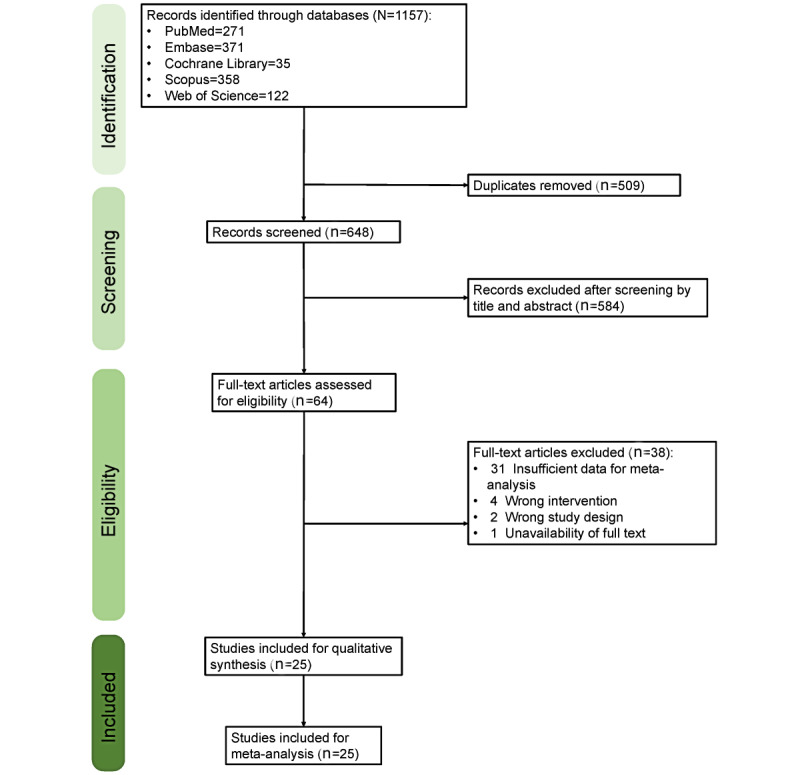
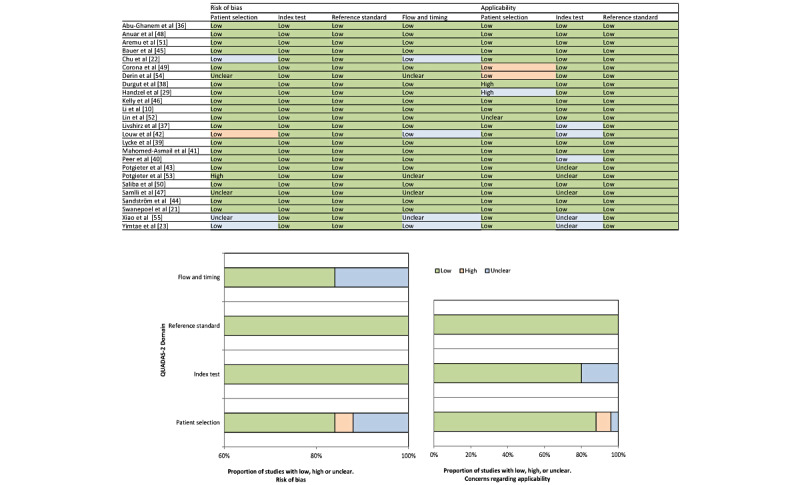
Five databases-PubMed, Embase, Cochrane Library, Web of Science, and Scopus-were queried to identify original studies that examined the diagnostic accuracy of hearing loss measurement using smartphone-based devices with conventional PTA as a reference test. A bivariate random-effects meta-analysis was performed to estimate the pooled sensitivity and specificity. The factors associated with diagnostic accuracy were identified using a bivariate meta-regression model. Study quality was assessed using the Quality Assessment of Diagnostic Accuracy Studies-2 tool.
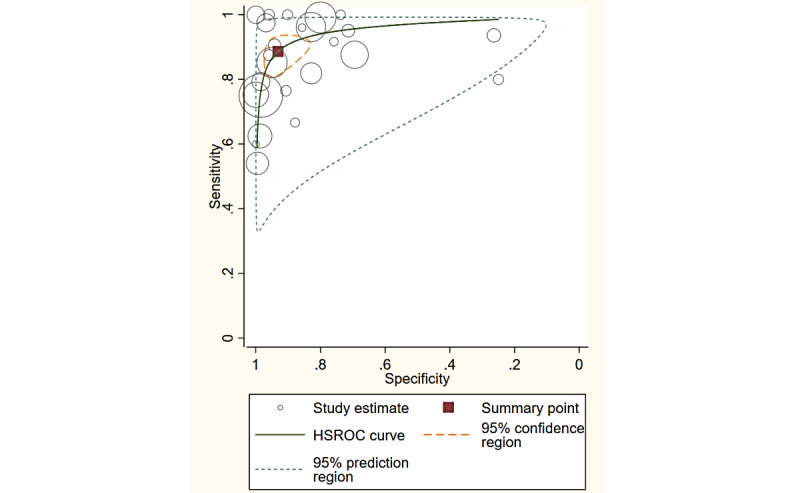
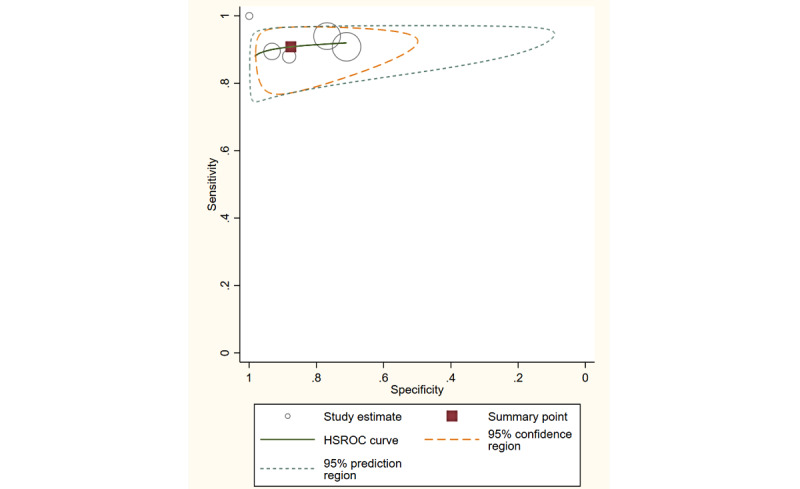
In all, 25 studies with a total of 4470 patients were included in the meta-analysis. The overall sensitivity, specificity, and area under the receiver operating characteristic curve for smartphone-based audiometry were 89% (95% CI 83%-93%), 93% (95% CI 87%-97%), and 0.96 (95% CI 0.93-0.97), respectively; the corresponding values for the smartphone-based speech recognition test were 91% (95% CI 86%-94%), 88% (95% CI 75%-94%), and 0.93 (95% CI 0.90-0.95), respectively. Meta-regression analysis revealed that patient age, equipment used, and the presence of soundproof booths were significantly related to diagnostic accuracy.
We have presented comprehensive evidence regarding the effectiveness of smartphone-based tests in diagnosing hearing loss. Smartphone-based audiometry may serve as an accurate and accessible approach to hearing evaluations, especially in settings where conventional PTA is unavailable.
听力损失是全球最常见的残疾之一,影响个人和公共健康。纯音听力测试(PTA)是听力评估的金标准,但由于其成本高且人力资源需求大,在许多环境中并不适用。基于智能手机的听力测试可能同样有效,可以改善获得充分听力评估的机会。
本系统评价旨在综合目前基于智能手机的听力测试在听力评估中的作用的证据,并进一步探讨影响其诊断准确性的因素。
在 PubMed、Embase、Cochrane 图书馆、Web of Science 和 Scopus 这五个数据库中进行检索,以确定使用基于智能手机的设备进行听力损失测量的原始研究,这些研究将传统 PTA 作为参考测试。采用双变量随机效应荟萃分析来估计汇总的敏感性和特异性。使用双变量荟萃回归模型确定与诊断准确性相关的因素。使用诊断准确性研究的质量评估工具 2 评估研究质量。
共纳入 25 项研究,总计 4470 例患者。基于智能手机的听力测试的总体敏感性、特异性和受试者工作特征曲线下面积分别为 89%(95%置信区间 83%-93%)、93%(95%置信区间 87%-97%)和 0.96(95%置信区间 0.93-0.97);基于智能手机的言语识别测试的相应值分别为 91%(95%置信区间 86%-94%)、88%(95%置信区间 75%-94%)和 0.93(95%置信区间 0.90-0.95)。荟萃回归分析显示,患者年龄、使用的设备和隔音室的存在与诊断准确性显著相关。
我们提供了基于智能手机的测试在诊断听力损失方面有效性的综合证据。基于智能手机的听力测试可能是一种准确且易于使用的听力评估方法,尤其是在无法进行传统 PTA 的环境中。