Li Lanlan, Guo Jiawei, Wang Yuquan, Xiong Xiaoxing, Tao Hui, Li Jin, Jia Yi, Hu Houyuan, Zhang Jianxiang
Department of Pharmaceutics College of Pharmacy Third Military Medical University Chongqing 400038 China.
Department of Cardiology Southwest Hospital Third Military Medical University Chongqing 400038 China.
Adv Sci (Weinh). 2018 Aug 16;5(10):1800781. doi: 10.1002/advs.201800781. eCollection 2018 Oct.
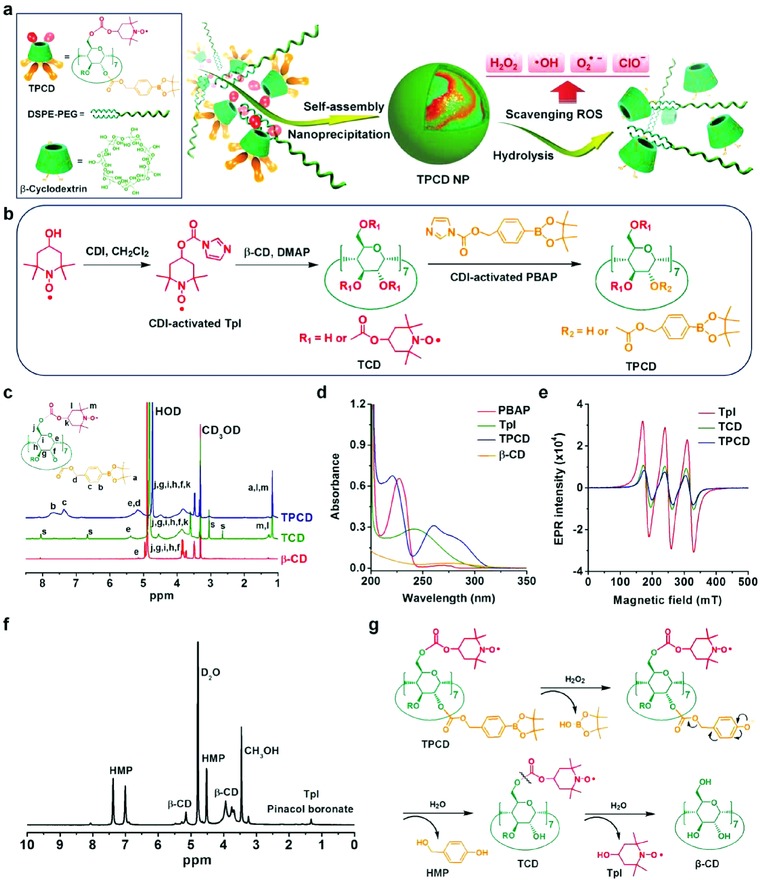
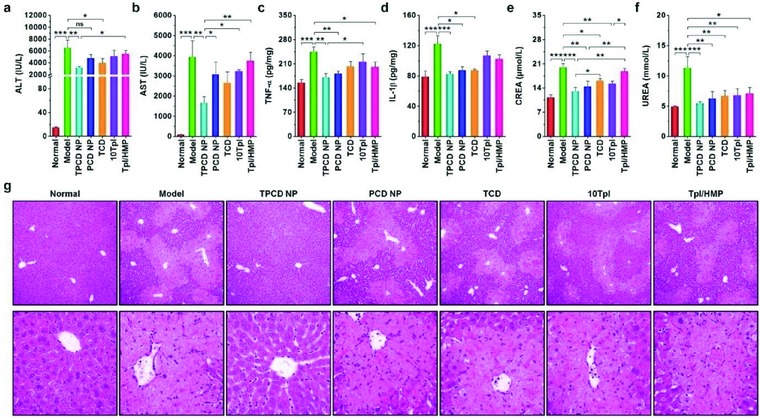
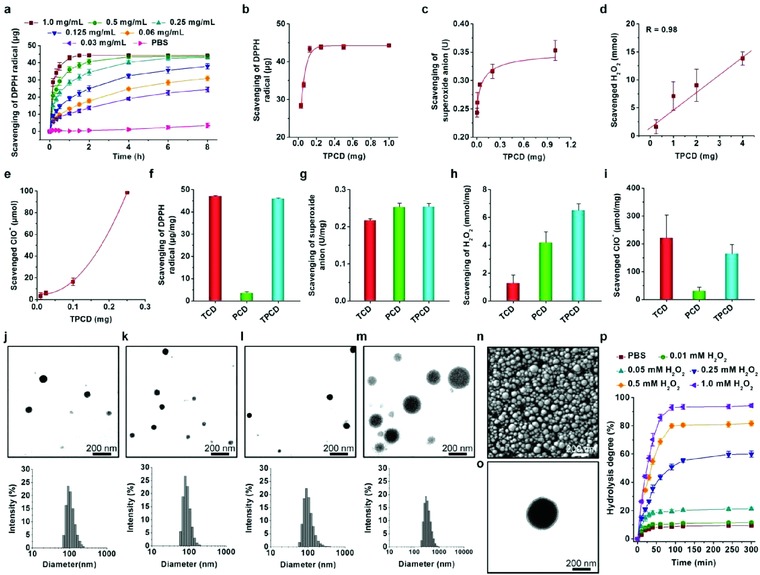
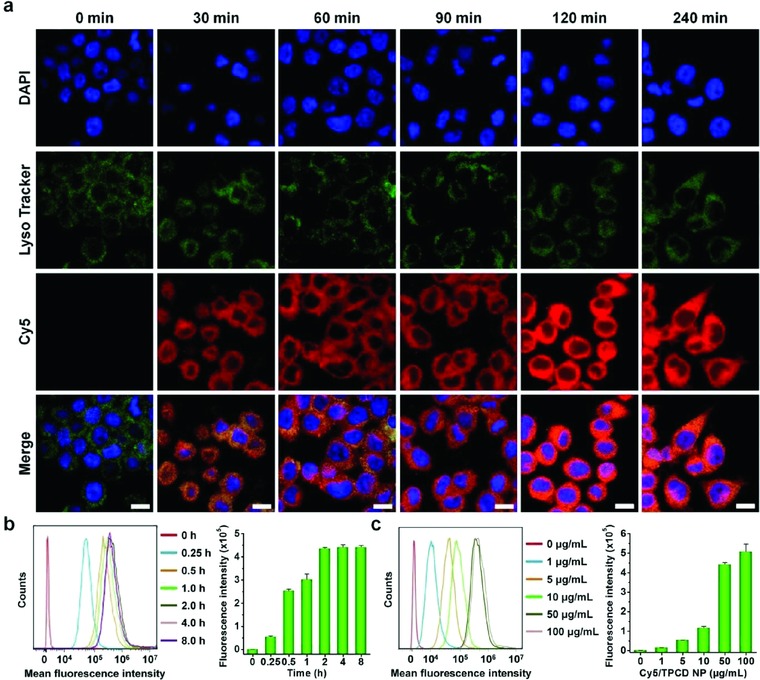
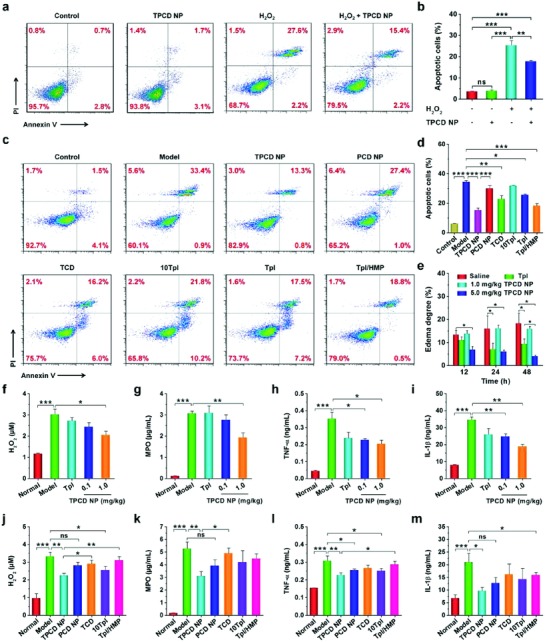
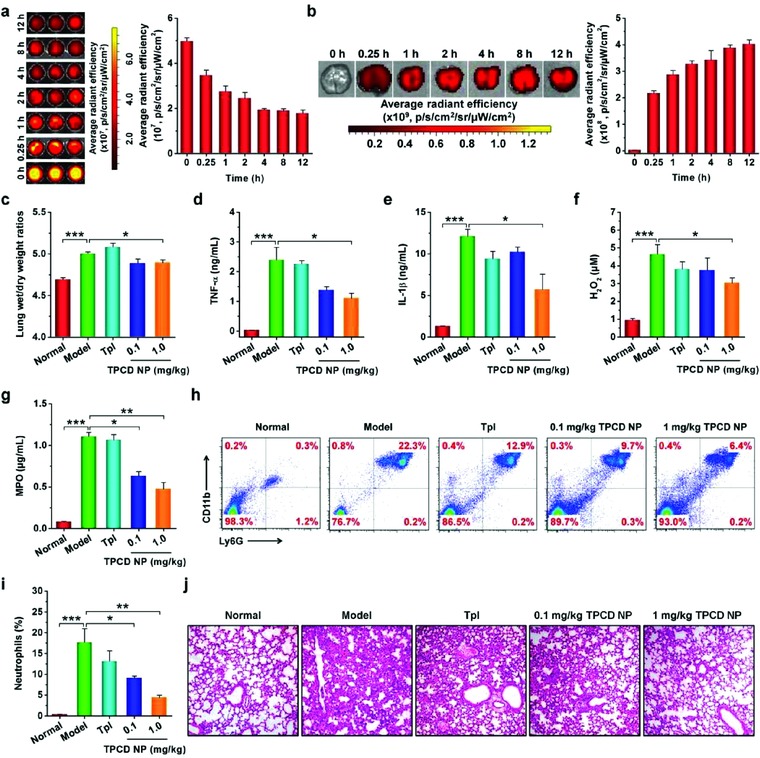
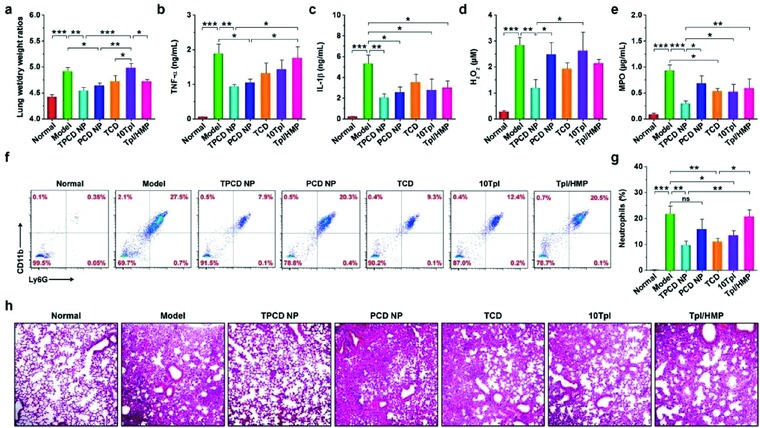
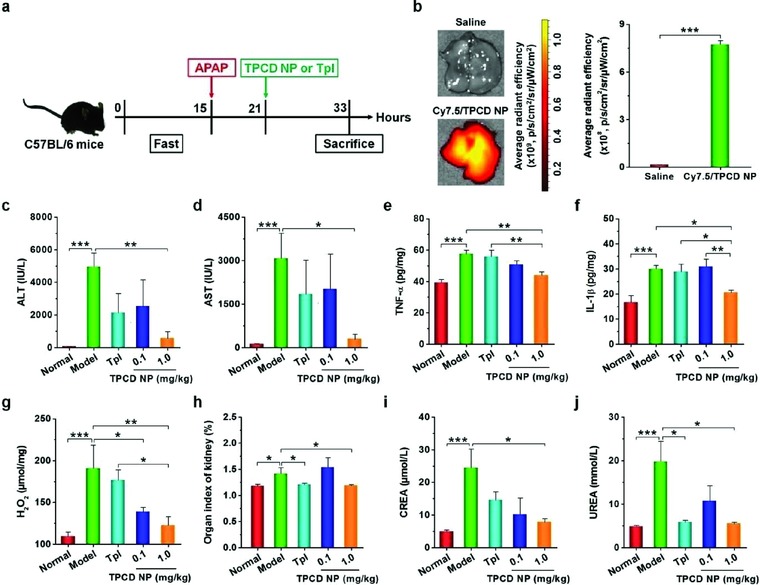
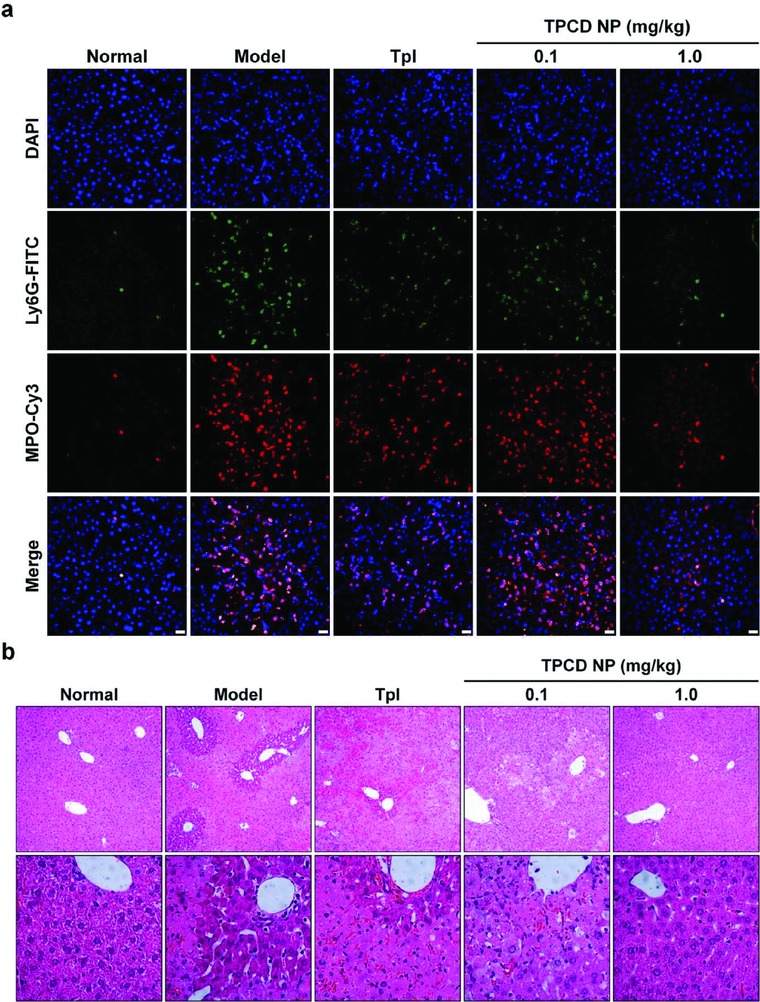
Despite the great potential of numerous antioxidants for pharmacotherapy of diseases associated with inflammation and oxidative stress, many challenges remain for their clinical translation. Herein, a superoxidase dismutase/catalase-mimetic material based on Tempol and phenylboronic acid pinacol ester simultaneously conjugated β-cyclodextrin (abbreviated as TPCD), which is capable of eliminating a broad spectrum of reactive oxygen species (ROS), is reported. TPCD can be easily synthesized by sequentially conjugating two functional moieties onto a β-cyclodextrin scaffold. The thus developed pharmacologically active material may be easily produced into antioxidant and anti-inflammatory nanoparticles, with tunable size. TPCD nanoparticles (TPCD NP) effectively protect macrophages from oxidative stress-induced apoptosis in vitro. Consistently, TPCD NP shows superior efficacies in three murine models of inflammatory diseases, with respect to attenuating inflammatory responses and mitigating oxidative stress. TPCD NP can also protect mice from drug-induced organ toxicity. Besides the passive targeting effect, the broad spectrum ROS-scavenging capability contributes to the therapeutic benefits of TPCD NP. Importantly, in vitro and in vivo preliminary experiments demonstrate the good safety profile of TPCD NP. Consequently, TPCD in its native and nanoparticle forms can be further developed as efficacious and safe therapies for treatment of inflammation and oxidative stress-associated diseases.
尽管众多抗氧化剂在与炎症和氧化应激相关疾病的药物治疗方面具有巨大潜力,但其临床转化仍面临诸多挑战。在此,报道了一种基于Tempol和苯基硼酸频哪醇酯同时共轭β-环糊精的超氧化物歧化酶/过氧化氢酶模拟材料(简称为TPCD),它能够清除广泛的活性氧(ROS)。TPCD可以通过将两个功能部分依次共轭到β-环糊精支架上轻松合成。由此开发的药理活性材料可以很容易地制成具有可调尺寸的抗氧化和抗炎纳米颗粒。TPCD纳米颗粒(TPCD NP)在体外能有效保护巨噬细胞免受氧化应激诱导的凋亡。同样,TPCD NP在三种炎症性疾病小鼠模型中,在减轻炎症反应和缓解氧化应激方面显示出卓越疗效。TPCD NP还能保护小鼠免受药物诱导的器官毒性。除了被动靶向作用外,广谱的ROS清除能力也有助于TPCD NP的治疗效果。重要的是,体外和体内初步实验证明了TPCD NP具有良好的安全性。因此,天然形式和纳米颗粒形式的TPCD都可以进一步开发成为治疗炎症和氧化应激相关疾病的有效且安全的疗法。