Department of Food Science and Technology, University of California Davis, Davis, California, USA.
Infant Primate Research Laboratory (IPRL), Washington National Primate Research Center, and Center on Human Development and Disability (CHDD), Seattle, Washington, USA.
Sci Rep. 2018 Oct 26;8(1):15867. doi: 10.1038/s41598-018-34019-0.
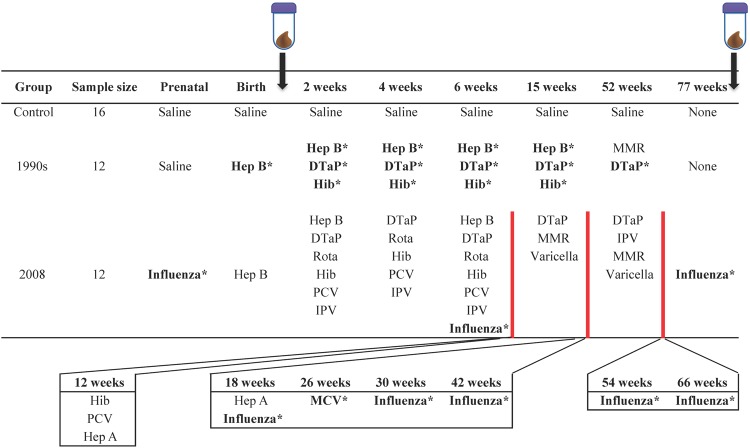
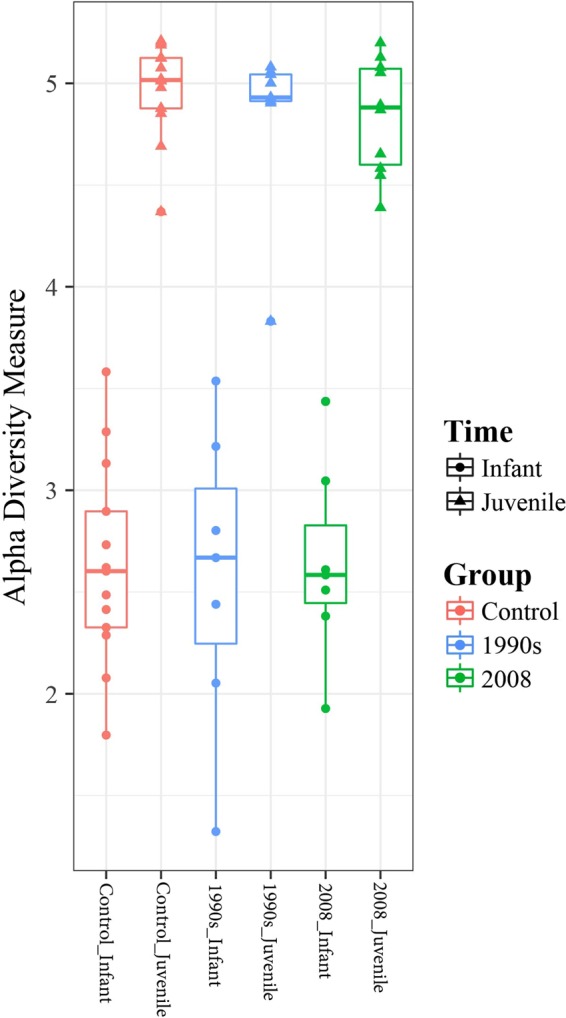
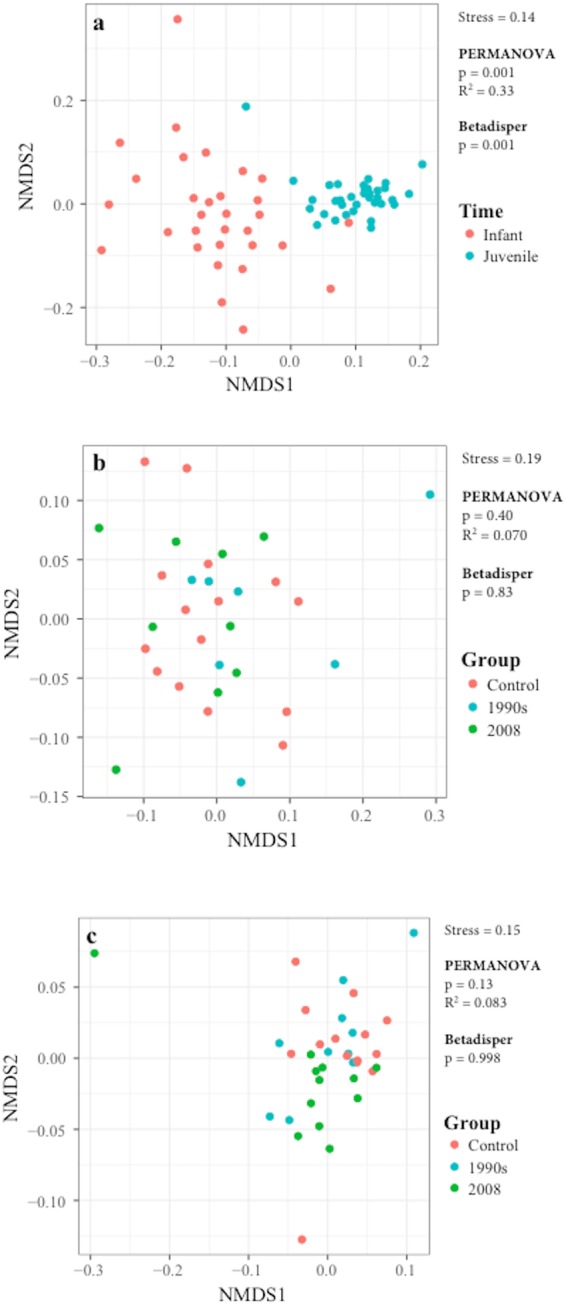
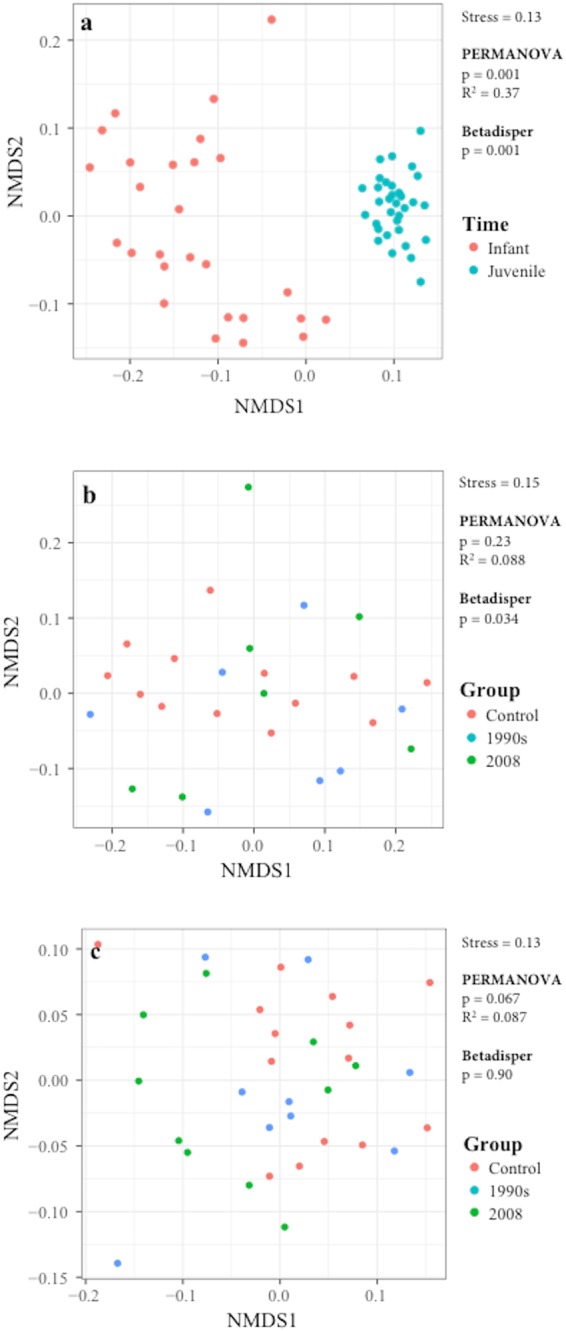
Although thimerosal, an ethylmercury-based preservative, has been removed from most pediatric vaccines in the United States, some multidose vaccines, such as influenza vaccines, still contain thimerosal. Considering that a growing number of studies indicate involvement of the gut microbiome in infant immune development and vaccine responses, it is important to elucidate the impact of pediatric vaccines, including thimerosal-containing vaccines, on gut microbial structure and function. Here, a non-human primate model was utilized to assess how two vaccine schedules affect the gut microbiome in infants (5-9 days old) and juveniles (77-88 weeks old) through 16S ribosomal RNA sequencing and metabolomics analyses of the fecal samples. Two treatment groups (n = 12/group) followed either the vaccine schedule that was in place during the 1990s (intensive exposure to thimerosal) or an expanded schedule administered in 2008 (prenatal and postnatal exposure to thimerosal mainly via influenza vaccines), and were compared with a control group (n = 16) that received saline injections. The primary impact on gut microbial structure and function was age. Although a few statistically significant impacts of the two common pediatric vaccine schedules were observed when confounding factors were considered, the magnitude of the differences was small, and appeared to be positive with vaccination.
尽管美国大多数儿科疫苗已不再使用含乙基汞的防腐剂硫柳汞,但一些多剂量疫苗,如流感疫苗,仍含有硫柳汞。鉴于越来越多的研究表明肠道微生物组参与婴儿免疫发育和疫苗反应,因此阐明包括含硫柳汞疫苗在内的儿科疫苗对肠道微生物结构和功能的影响非常重要。在这里,我们利用非人类灵长类动物模型来评估两种疫苗接种方案如何通过 16S 核糖体 RNA 测序和粪便样本的代谢组学分析,影响婴儿(5-9 天大)和幼儿(77-88 周龄)的肠道微生物组。两个治疗组(每组 n=12)分别遵循 1990 年代使用的疫苗接种方案(大量接触硫柳汞)或 2008 年实施的扩大疫苗接种方案(主要通过流感疫苗在产前和产后接触硫柳汞),并与接受生理盐水注射的对照组(n=16)进行比较。肠道微生物结构和功能的主要影响因素是年龄。尽管在考虑混杂因素时观察到两种常见儿科疫苗接种方案对肠道微生物结构和功能有一些统计学上显著的影响,但差异的幅度很小,并且似乎与接种疫苗呈正相关。