University of Lille, U1019-UMR 8204-Center for Infection and Immunity of Lille, F-59000, Lille, France.
CNRS, UMR 8204, F-59000, Lille, France.
Crit Care. 2018 Oct 26;22(1):280. doi: 10.1186/s13054-018-2222-7.
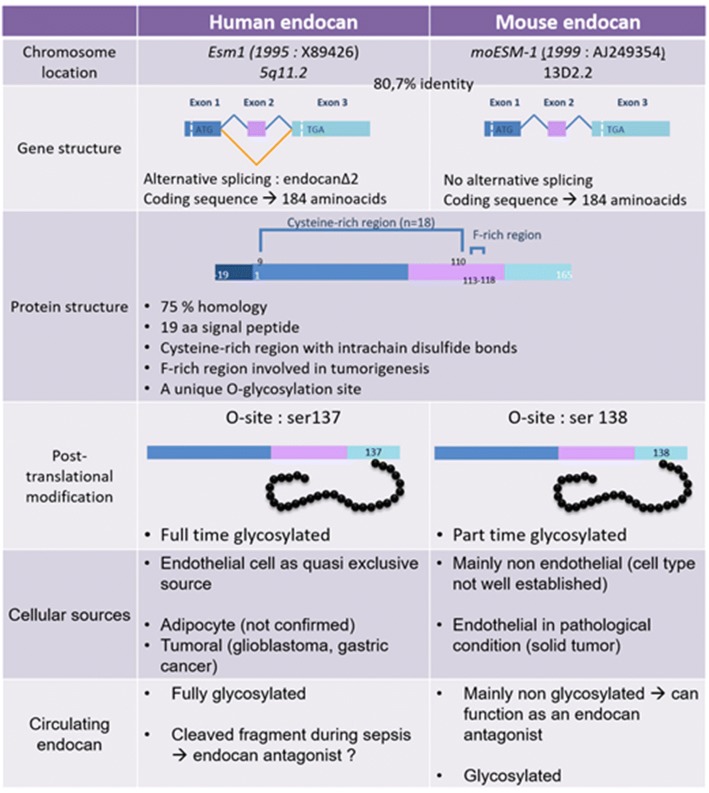
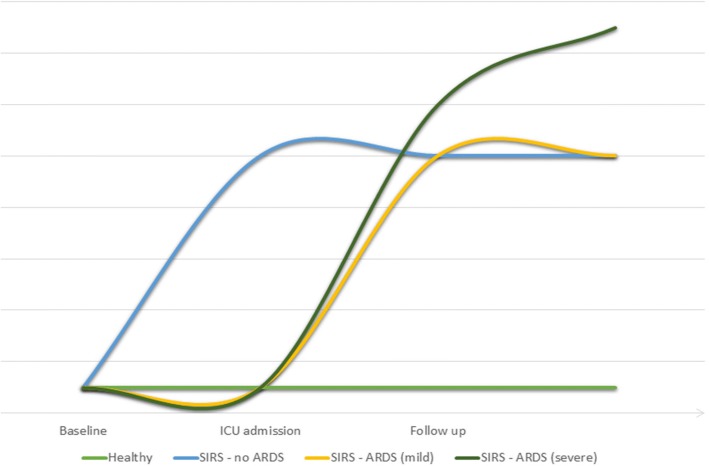
Acute respiratory distress syndrome (ARDS) and hospital-acquired pneumonia (HAP) are major problems of public health in intensive care units (ICUs), occurring in 15% of critically ill patients. Among the factors explaining ARDS development, sepsis is known as a frequent cause. Sepsis, ARDS, and HAP increase morbidity, mortality, length of stay in the ICU, and the overall costs of healthcare. The major challenge remains to identify accurately among critically ill patients those at risk of poor outcomes who could benefit from novel therapies. Endocan is released by the pulmonary endothelium in response to local or systemic injury. It inhibits mainly leukocyte diapedesis rather than leukocyte rolling or adhesion to the endothelial cells both in vitro and in vivo. Endocan was evaluated in 25 clinical reports, including 2454 critically ill patients and 452 healthy controls. The diagnostic value of endocan for sepsis or sepsis severity was equal to procalcitonin but its prognostic value was better. A predictive value for postoperative pneumonia was evidenced in two studies, and a predictive value for ARDS in four studies from three independent centers. This review presents an overview of the structure, expression, and functions of endocan. We also hereby summarize the potential applications of endocan in the prediction and prognosis of ARDS and HAP, as well as in the prognosis of sepsis.
急性呼吸窘迫综合征(ARDS)和医院获得性肺炎(HAP)是重症监护病房(ICU)公共卫生的主要问题,在 15%的危重病患者中发生。在解释 ARDS 发展的因素中,败血症是已知的常见原因。败血症、ARDS 和 HAP 会增加发病率、死亡率、ICU 住院时间和整体医疗保健成本。主要的挑战仍然是在危重病患者中准确识别那些有不良预后风险的患者,这些患者可能受益于新的治疗方法。内脂素是肺内皮细胞对局部或全身损伤的反应而释放的。它在体外和体内都主要抑制白细胞穿出,但不抑制白细胞滚动或与内皮细胞的黏附。内脂素已在 25 项临床报告中进行了评估,其中包括 2454 名危重病患者和 452 名健康对照者。内脂素对败血症或败血症严重程度的诊断价值与降钙素原相当,但预后价值更好。有两项研究证明了内脂素对术后肺炎的预测价值,有四项研究来自三个独立中心证明了内脂素对 ARDS 的预测价值。这篇综述介绍了内脂素的结构、表达和功能。我们还总结了内脂素在 ARDS 和 HAP 的预测和预后以及败血症预后中的潜在应用。