Biomedical MRI Unit/MoSAIC, Department of Imaging and Pathology, KU Leuven, Leuven, Belgium.
Department of Electrical Engineering (ESAT), STADIUS Center for Dynamical Systems, Signal Processing and Data Analytics, KU Leuven, Leuven, Belgium; icometrix, R&D department, Leuven, Belgium.
Neuroimage Clin. 2018;20:1092-1105. doi: 10.1016/j.nicl.2018.09.011. Epub 2018 Sep 19.
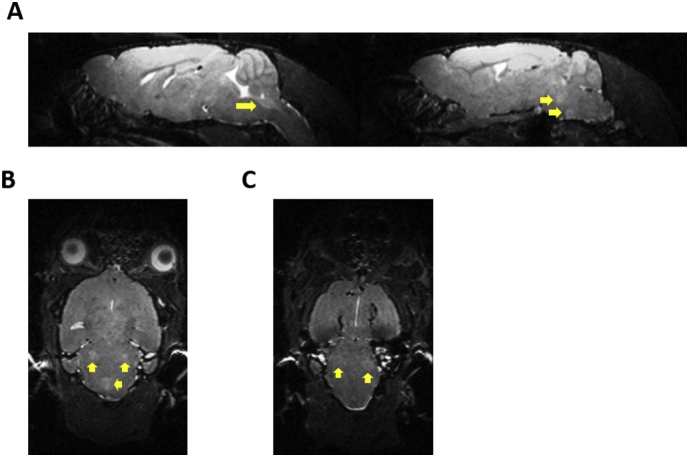
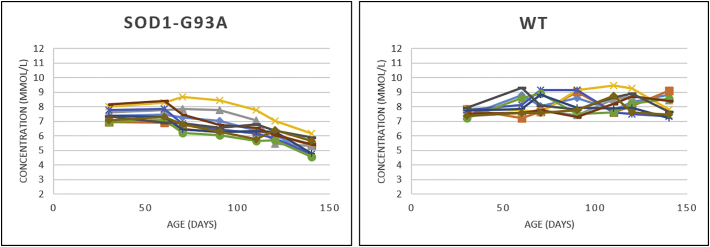
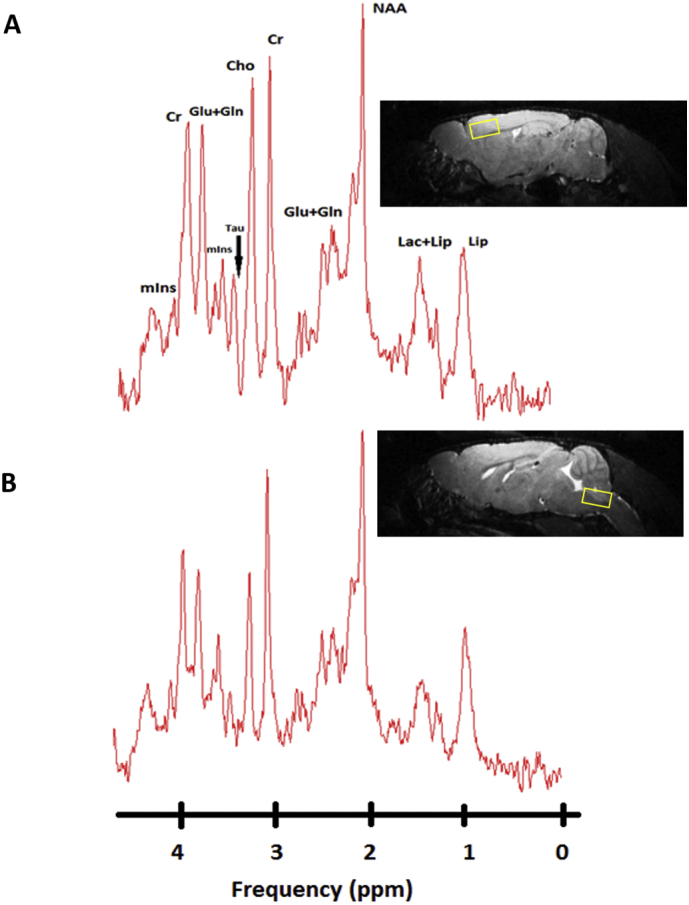
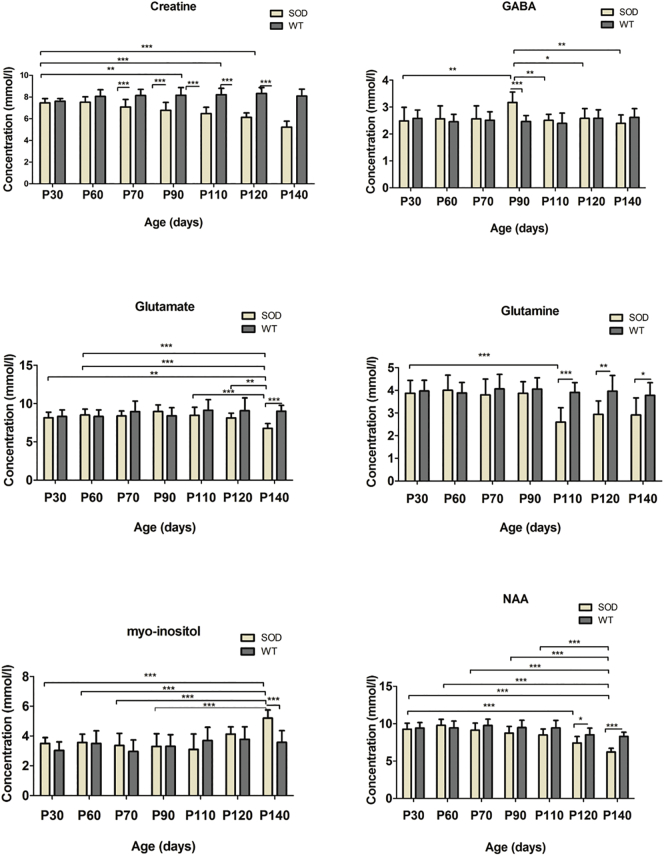
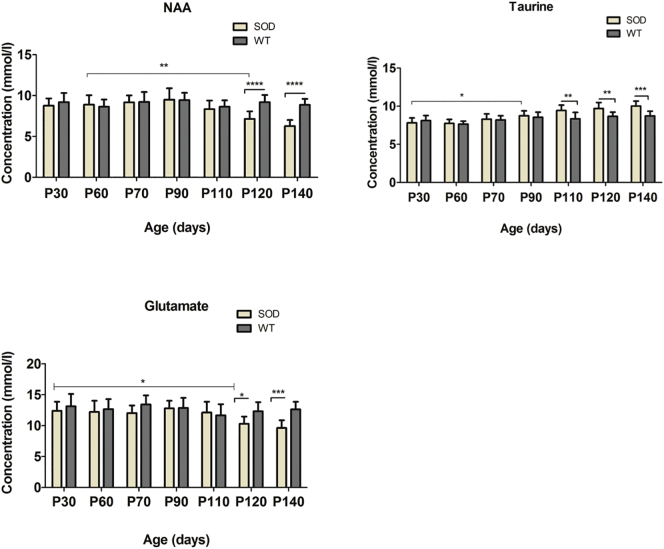
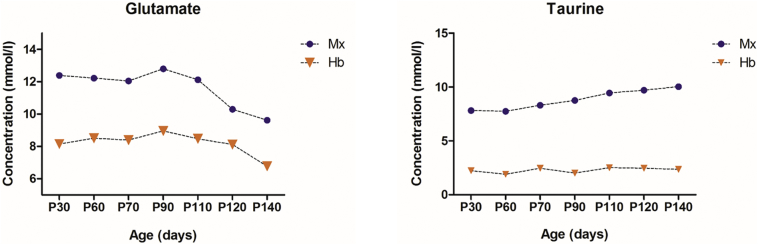
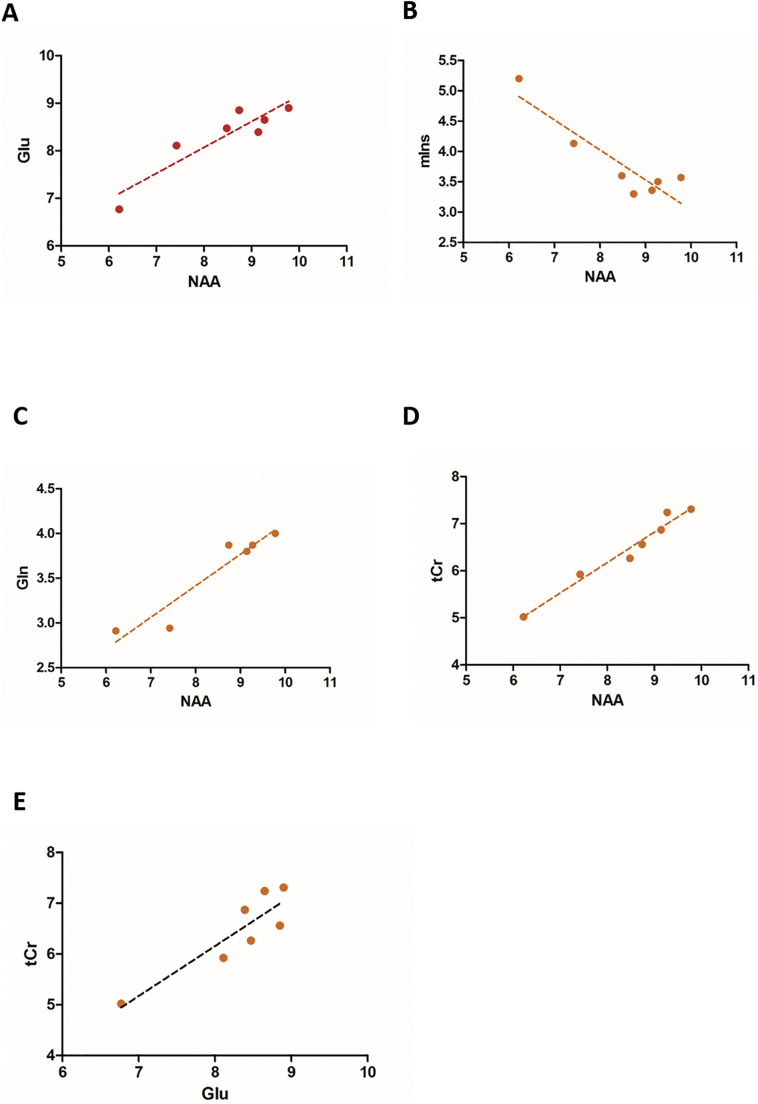
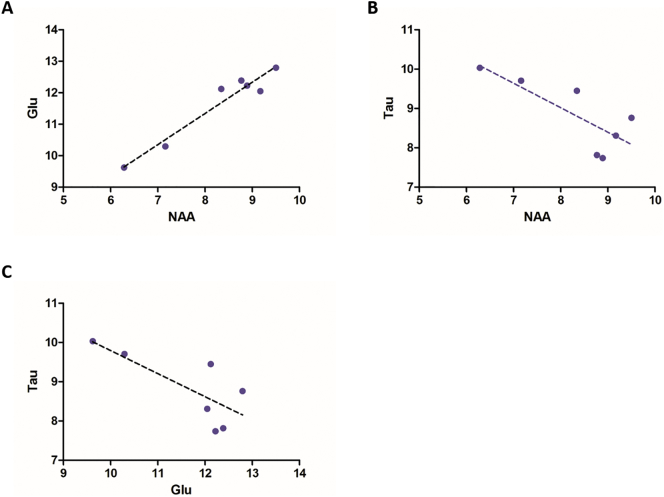
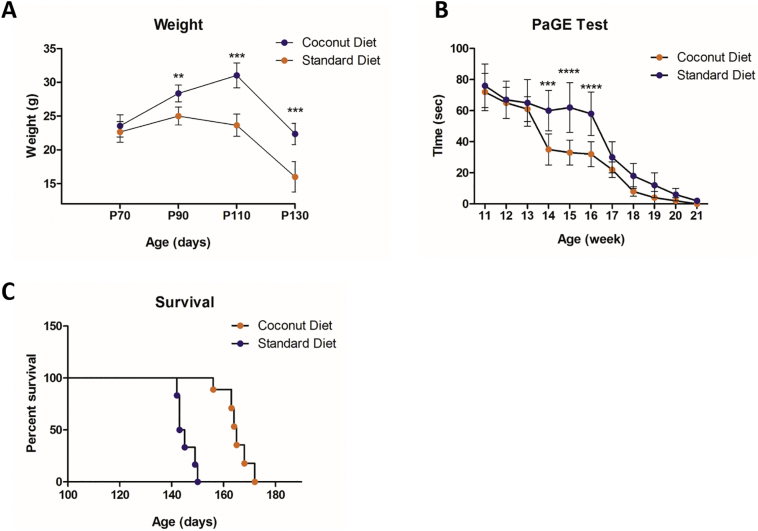
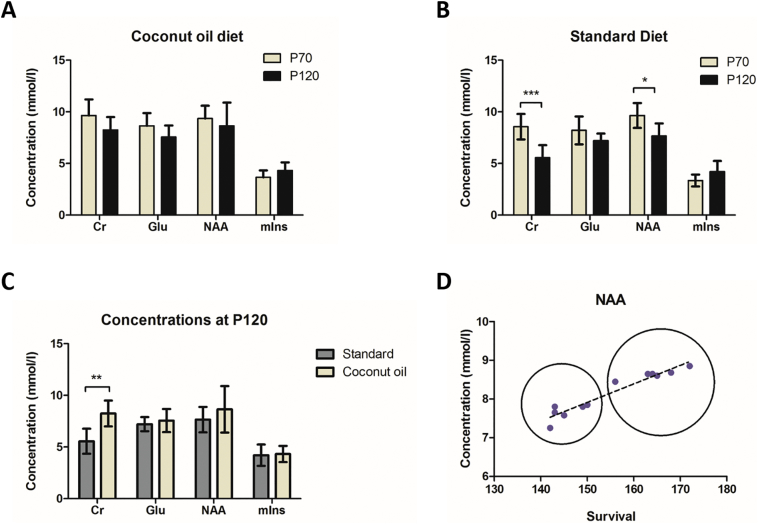
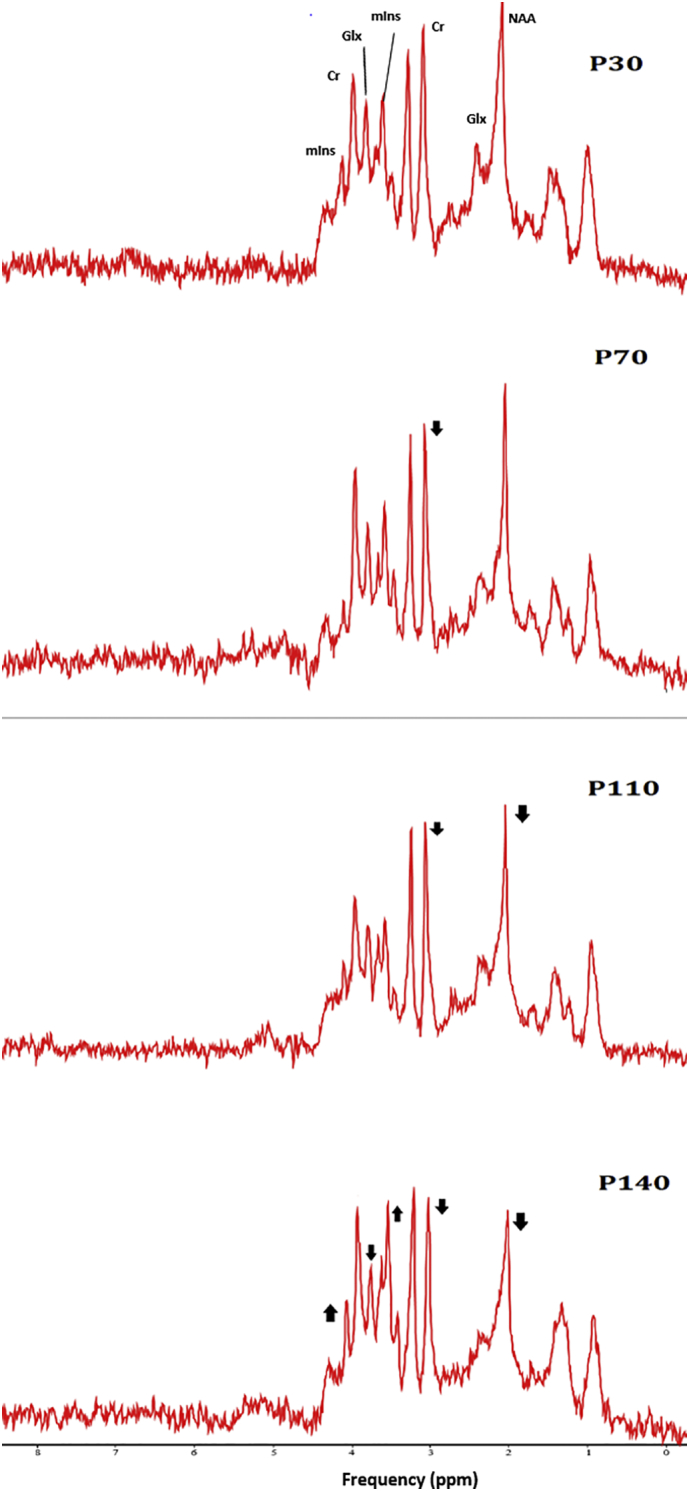
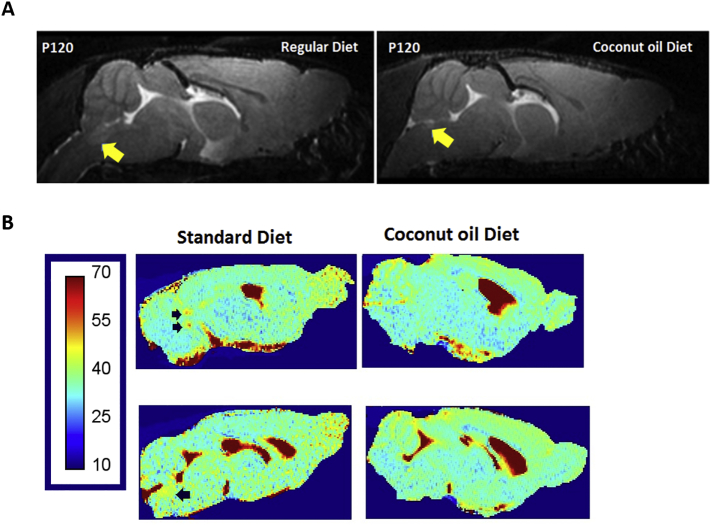
Amyotrophic Lateral Sclerosis (ALS) is an incurable neurodegenerative disease primarily characterized by progressive degeneration of motor neurons in the motor cortex, brainstem and spinal cord. Due to relatively fast progression of ALS, early diagnosis is essential for possible therapeutic intervention and disease management. To identify potential diagnostic markers, we investigated age-dependent effects of disease onset and progression on regional neurochemistry in the SOD1 ALS mouse model using localized in vivo magnetic resonance spectroscopy (MRS). We focused mainly on the brainstem region since brainstem motor nuclei are the primarily affected regions in SOD1 mice and ALS patients. In addition, metabolite profiles of the motor cortex were also assessed. In the brainstem, a gradual decrease in creatine levels were detected starting from the pre-symptomatic age of 70 days postpartum. During the early symptomatic phase (day 90), a significant increase in the levels of the inhibitory neurotransmitter γ- aminobutyric acid (GABA) was measured. At later time points, alterations in the form of decreased NAA, glutamate, glutamine and increased myo-inositol were observed. Also, decreased glutamate, NAA and increased taurine levels were seen at late stages in the motor cortex. A proof-of-concept (PoC) study was conducted to assess the effects of coconut oil supplementation in SOD mice. The PoC revealed that the coconut oil supplementation together with the regular diet delayed disease symptoms, enhanced motor performance, and prolonged survival in the SOD1 mouse model. Furthermore, MRS data showed stable metabolic profile at day 120 in the coconut oil diet group compared to the group receiving a standard diet without coconut oil supplementation. In addition, a positive correlation between survival and the neuronal marker NAA was found. To the best of our knowledge, this is the first study that reports metabolic changes in the brainstem using in vivo MRS and effects of coconut oil supplementation as a prophylactic treatment in SOD1 mice.
肌萎缩侧索硬化症(ALS)是一种不可治愈的神经退行性疾病,主要特征是运动皮层、脑干和脊髓中的运动神经元进行性退化。由于 ALS 进展相对较快,早期诊断对于可能的治疗干预和疾病管理至关重要。为了确定潜在的诊断标志物,我们使用局部活体磁共振波谱(MRS)研究了 SOD1 ALS 小鼠模型中疾病发作和进展的年龄依赖性对区域神经化学的影响。我们主要关注脑干区域,因为脑干运动核是 SOD1 小鼠和 ALS 患者中受影响的主要区域。此外,还评估了运动皮层的代谢物谱。在脑干中,从产后 70 天的无症状前阶段开始,检测到肌酸水平逐渐下降。在早期症状阶段(第 90 天),测量到抑制性神经递质γ-氨基丁酸(GABA)水平显著增加。在稍后的时间点,观察到 NAA、谷氨酸、谷氨酰胺减少和肌醇增加的改变。此外,在运动皮层的晚期阶段还观察到谷氨酸、NAA 减少和牛磺酸水平增加。进行了一项概念验证(PoC)研究,以评估椰子油补充剂对 SOD 小鼠的影响。PoC 表明,椰子油补充剂与常规饮食一起使用可延缓 SOD1 小鼠模型中的疾病症状、提高运动性能并延长生存时间。此外,MRS 数据显示,与未接受椰子油补充的标准饮食组相比,在椰子油饮食组中,第 120 天的代谢谱保持稳定。此外,还发现了生存与神经元标志物 NAA 之间的正相关。据我们所知,这是第一项使用活体 MRS 报告脑干代谢变化并研究椰子油补充作为 SOD1 小鼠预防性治疗的研究。