Kafka Anja, Karin-Kujundžić Valentina, Šerman Ljiljana, Bukovac Anja, Njirić Niko, Jakovčević Antonia, Pećina-Šlaus Nives
Nives Pećina-Šlaus, Laboratory of Neurooncology, Croatian Institute for Brain Research, School of Medicine University of Zagreb, Šalata 12, 10000 Zagreb, Croatia,
Croat Med J. 2018 Oct 31;59(5):213-223. doi: 10.3325/cmj.2018.59.213.
To identify the involvement of Secreted Frizzled Related Protein 1 (SFRP1) promoter hypermethylation in different malignancy grades of astrocytoma and assess its association with beta-catenin, lymphoid-enhancer factor 1, and T-cell factor 1.
Twenty-six astrocytoma samples were collected from 2008-2015. Promoter hypermethylation was evaluated by methylation-specific polymerase-chain-reaction and protein expression by immunohistochemistry and stereological analysis. The staining intensity was scored by comparing immunoreactivity with normal tissue and by using 10% and 50% cut-offs.
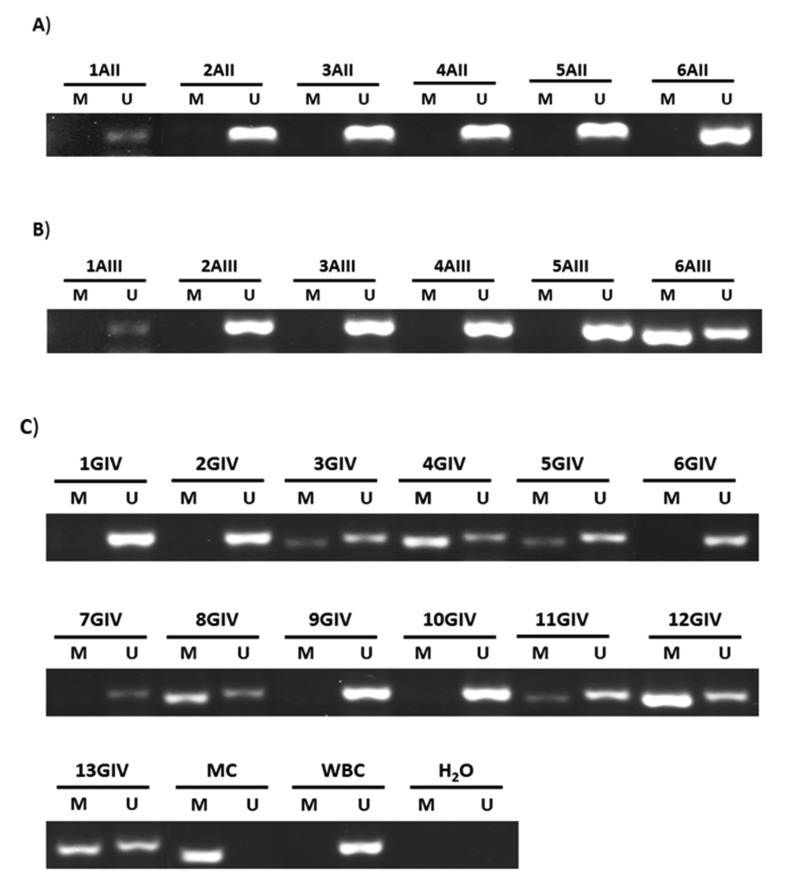
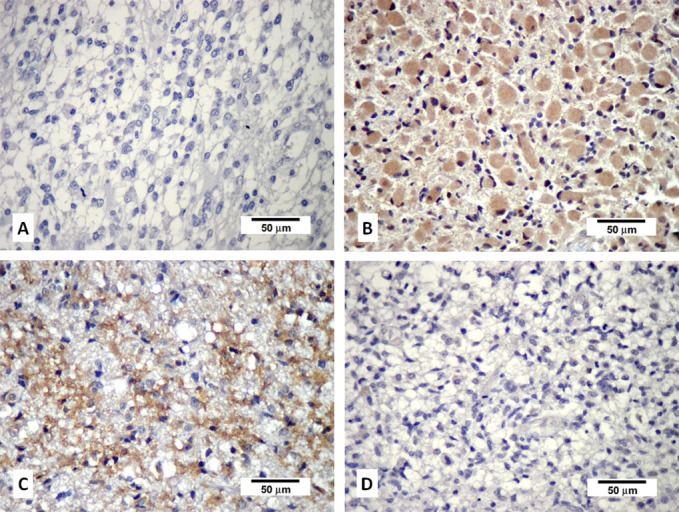
SFRP1 promoter methylation was found in 32% of astrocytomas. The number of hypermethylated samples increased in higher astrocytoma grades and was the highest in glioblastoma (P=0.042 compared to other astrocytoma grades). There was 45.8% of samples with the lack of or weak expression of SFRP1 protein and 29.2% with strong expression. Samples with methylated promoter expressed significantly less SFRP1 than samples with unmethylated promoter (P=0.031). Beta-catenin expression levels were elevated. Yet, glioblastomas with unmethylated SFRP1 promoter had significantly less beta-catenin (P=0.033). Strong expression of lymphoid-enhancer factor 1 was associated to higher astrocytoma grades (P=0.006).
SFRP1 gene was epigenetically silenced in glioblastomas when compared to low astrocytoma grades, which may suggest that the lack of its protein is involved in astrocytoma progression.
确定分泌型卷曲相关蛋白1(SFRP1)启动子高甲基化在不同恶性程度星形细胞瘤中的作用,并评估其与β-连环蛋白、淋巴细胞增强因子1和T细胞因子1的关系。
收集2008年至2015年的26例星形细胞瘤样本。通过甲基化特异性聚合酶链反应评估启动子高甲基化,通过免疫组织化学和体视学分析评估蛋白表达。通过将免疫反应性与正常组织进行比较并使用10%和50%的临界值对染色强度进行评分。
32%的星形细胞瘤中发现SFRP1启动子甲基化。高甲基化样本的数量在较高等级的星形细胞瘤中增加,在胶质母细胞瘤中最高(与其他星形细胞瘤等级相比,P=0.042)。45.8%的样本SFRP1蛋白表达缺乏或较弱,29.2%的样本表达较强。启动子甲基化的样本表达的SFRP1明显少于启动子未甲基化的样本(P=0.031)。β-连环蛋白表达水平升高。然而,SFRP1启动子未甲基化的胶质母细胞瘤中β-连环蛋白明显较少(P=0.033)。淋巴细胞增强因子1的强表达与较高等级的星形细胞瘤相关(P=0.006)。
与低等级星形细胞瘤相比,胶质母细胞瘤中SFRP1基因发生表观遗传沉默,这可能表明其蛋白的缺乏参与了星形细胞瘤的进展。