Majchrzak-Celińska Aleksandra, Misiorek Julia O, Kruhlenia Nastassia, Przybyl Lukasz, Kleszcz Robert, Rolle Katarzyna, Krajka-Kuźniak Violetta
Department of Pharmaceutical Biochemistry, Poznan University of Medical Sciences, Poznań, Poland.
Department of Molecular Neurooncology, Institute of Bioorganic Chemistry Polish Academy of Sciences, Poznań, Poland.
BMC Cancer. 2021 May 3;21(1):493. doi: 10.1186/s12885-021-08164-1.
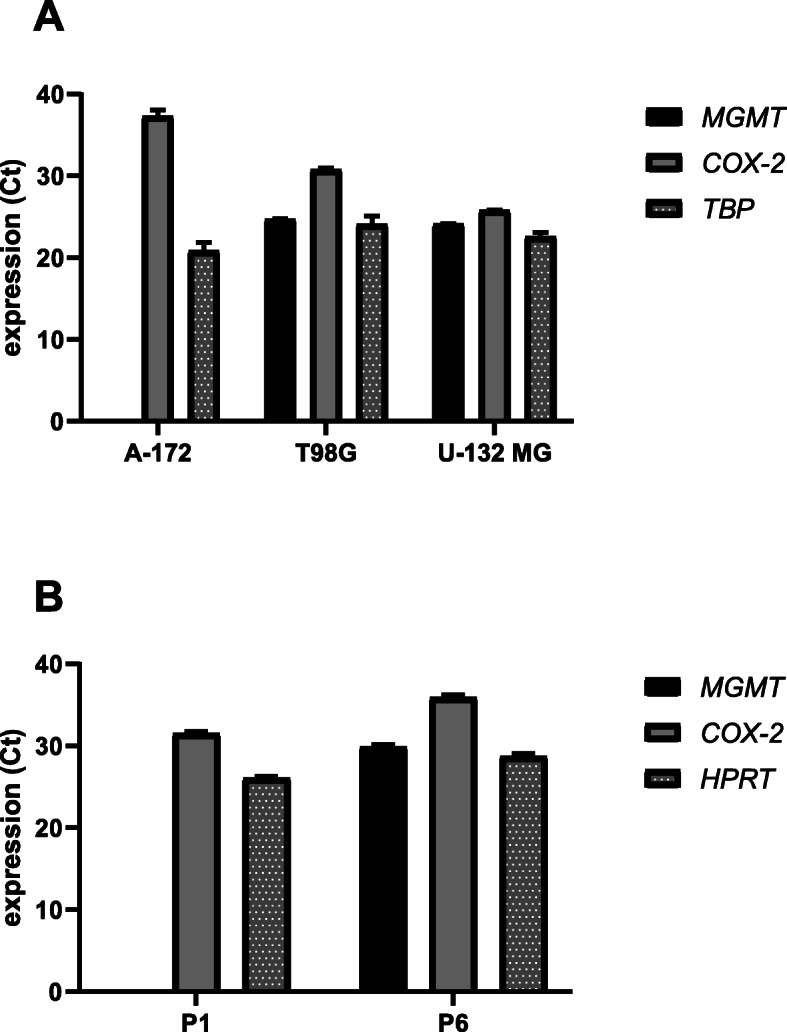
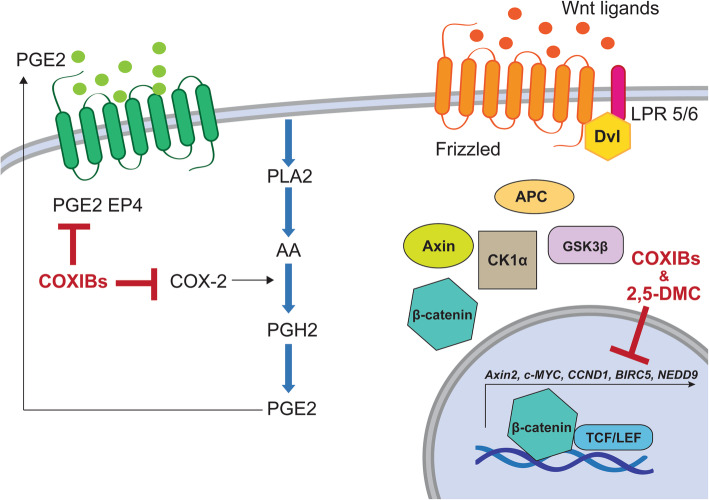
Glioblastoma (GBM) is the deadliest and the most common primary brain tumor in adults. The invasiveness and proliferation of GBM cells can be decreased through the inhibition of Wnt/β-catenin pathway. In this regard, celecoxib is a promising agent, but other COXIBs and 2,5-dimethylcelecoxib (2,5-DMC) await elucidation. Thus, the aim of this study was to analyze the impact of celecoxib, 2,5-DMC, etori-, rofe-, and valdecoxib on GBM cell viability and the activity of Wnt/β-catenin pathway. In addition, the combination of the compounds with temozolomide (TMZ) was also evaluated. Cell cycle distribution and apoptosis, MGMT methylation level, COX-2 and PGE2 EP4 protein levels were also determined in order to better understand the molecular mechanisms exerted by these compounds and to find out which of them can serve best in GBM therapy.
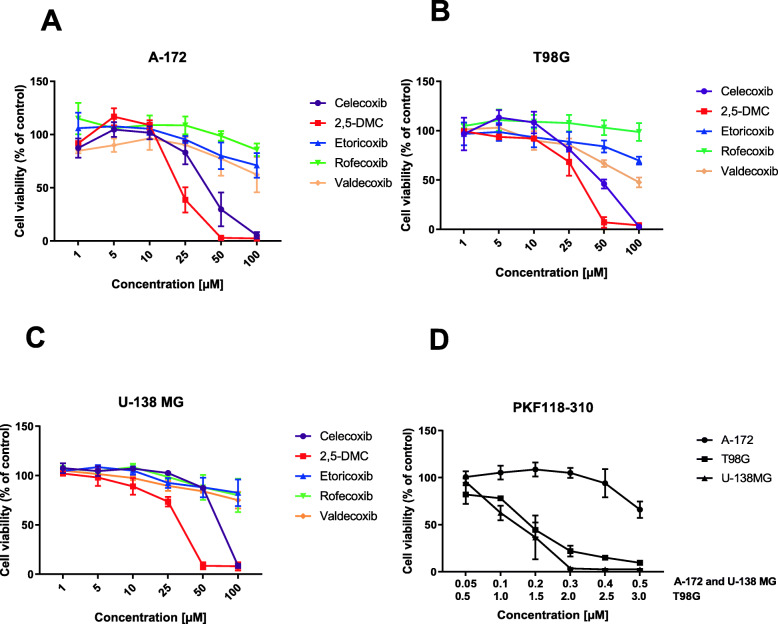
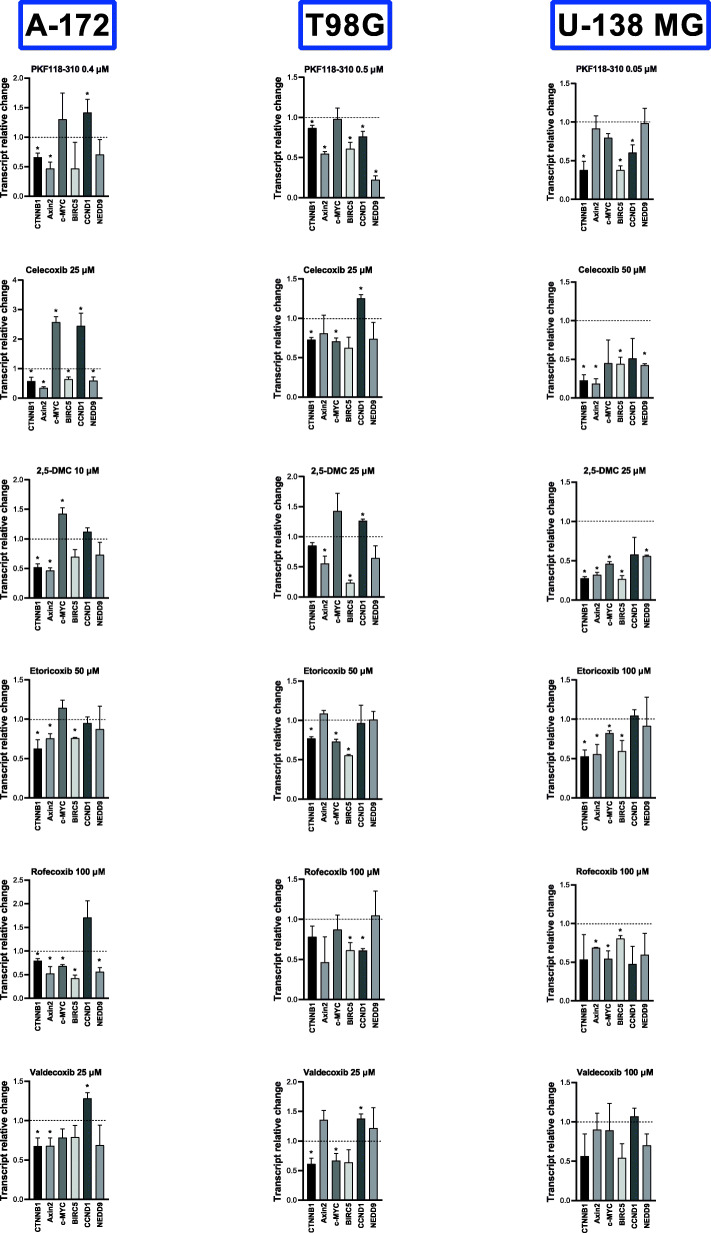
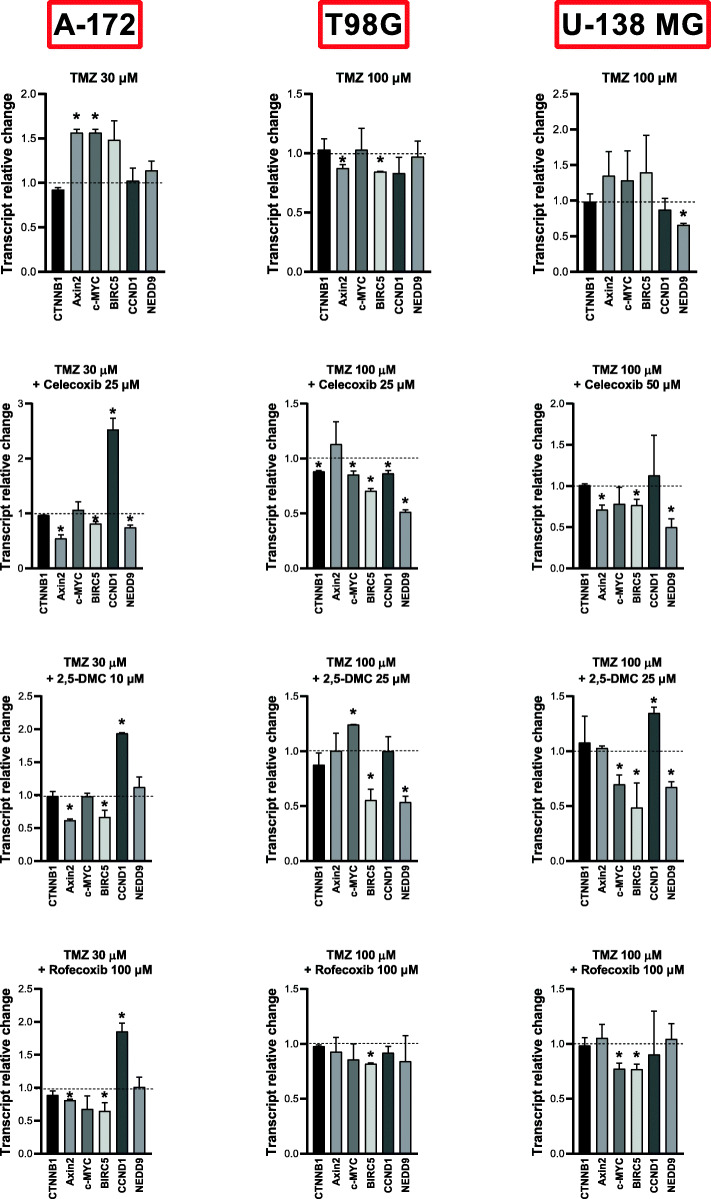
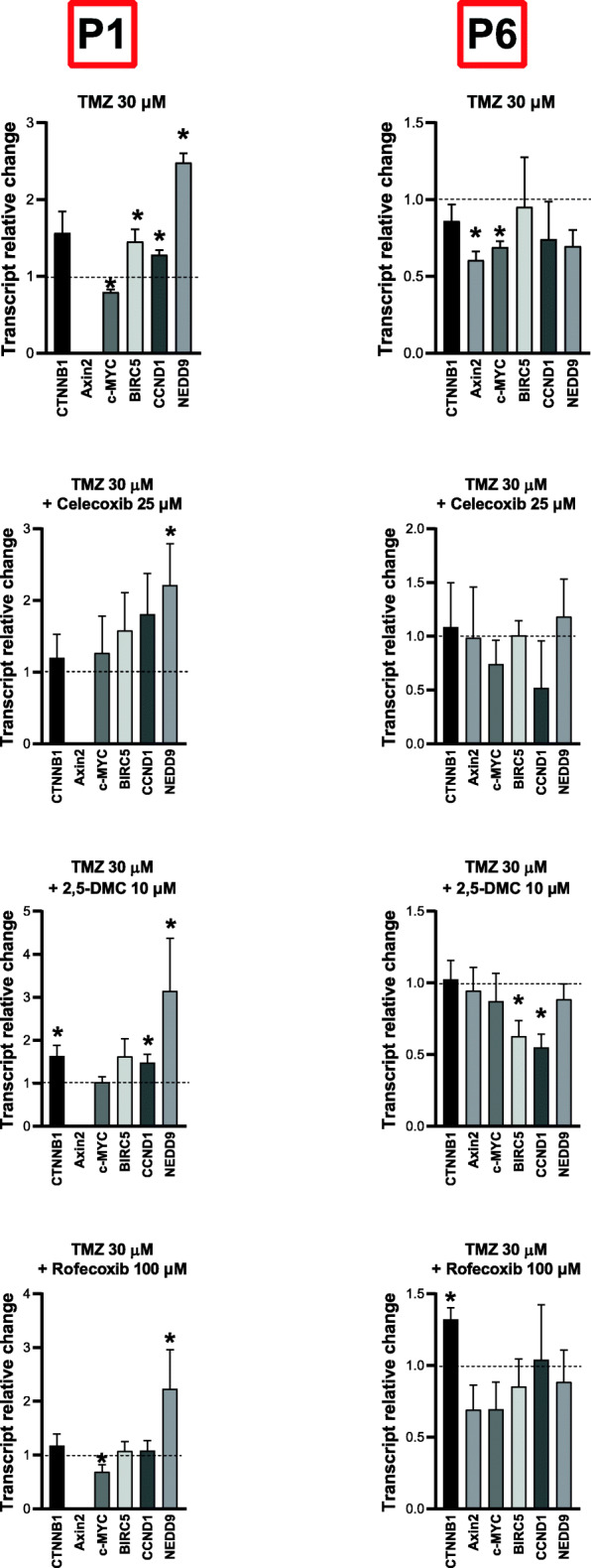
Celecoxib, 2,5-DMC, etori-, rofe- and valdecoxib were evaluated using three commercially available and two patient-derived GBM cell lines. Cell viability was analyzed using MTT assay, whereas alterations in MGMT methylation level were determined using MS-HRM method. The impact of COXIBs, in the presence and absence of TMZ, on Wnt pathway was measured on the basis of the expression of β-catenin target genes. Cell cycle distribution and apoptosis analysis were performed using flow cytometry. COX-2 and PGE2 EP4 receptor expression were evaluated using Western blot analysis.
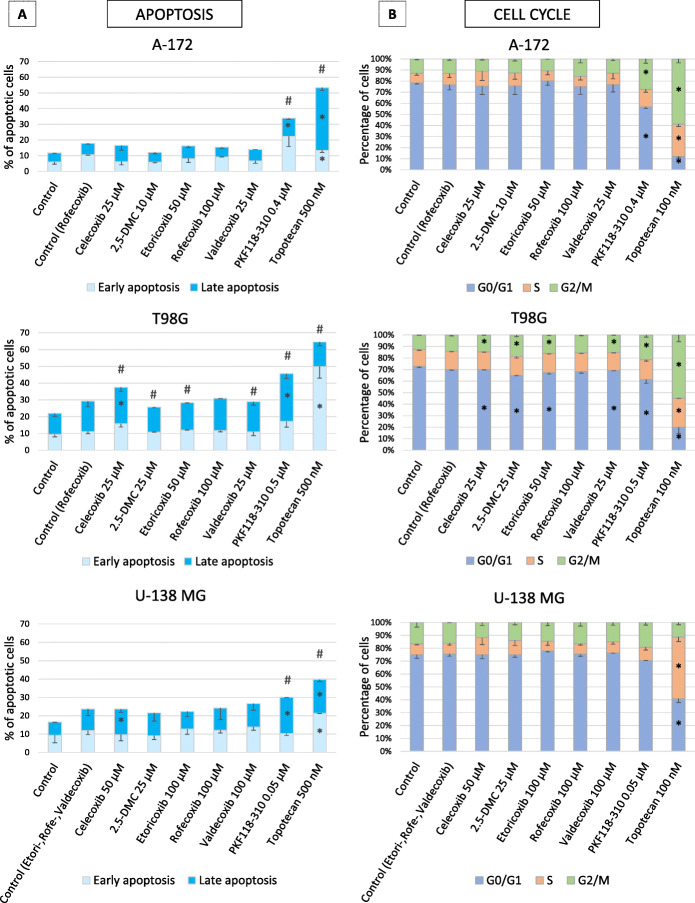
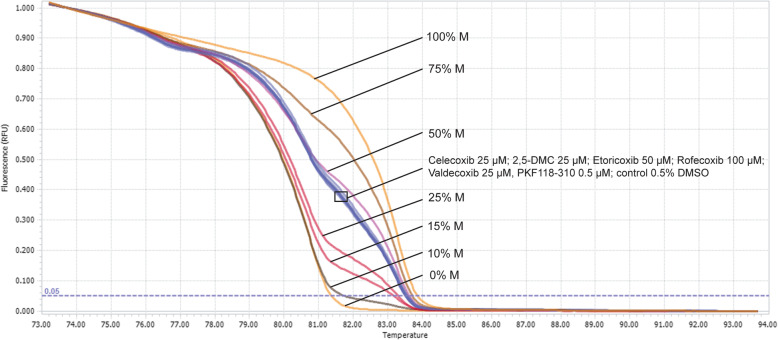
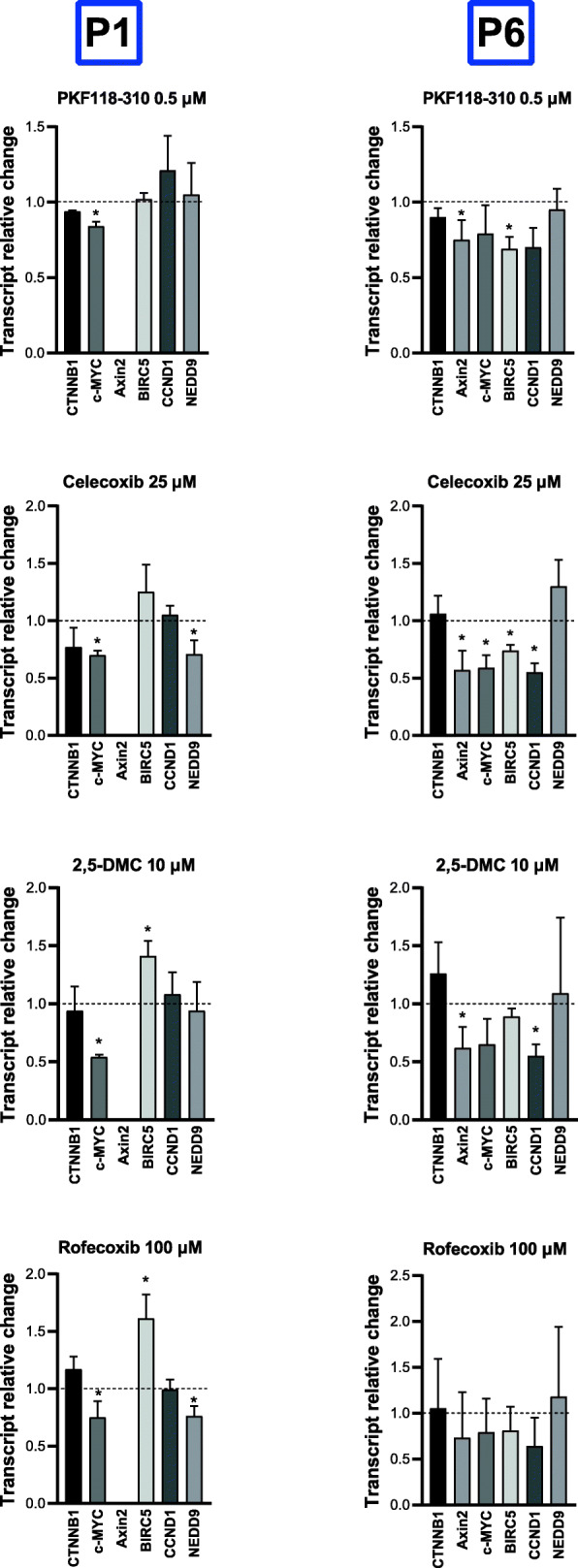
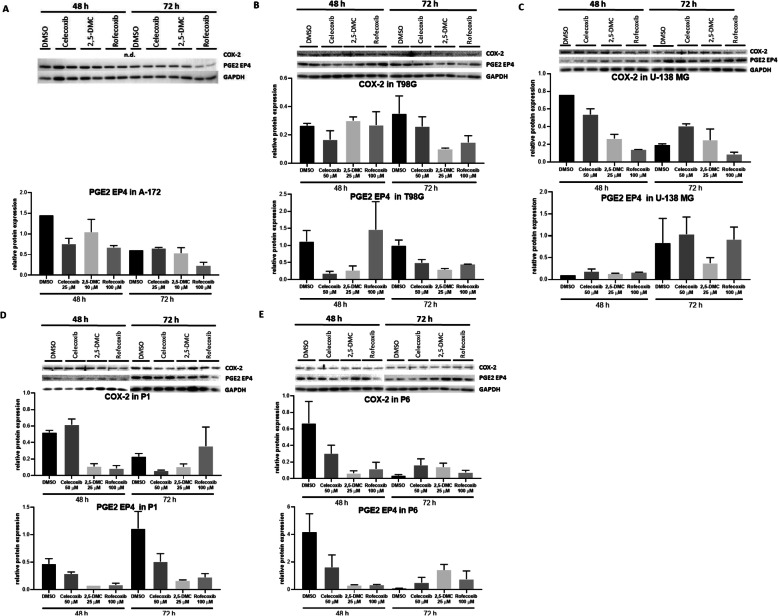
Wnt/β-catenin pathway was attenuated by COXIBs and 2,5-DMC irrespective of the COX-2 expression profile of the treated cells, their MGMT methylation status, or radio/chemoresistance. Celecoxib and 2,5-DMC were the most cytotoxic. Cell cycle distribution was altered, and apoptosis was induced after the treatment with celecoxib, 2,5-DMC, etori- and valdecoxib in T98G cell line. COXIBs and 2,5-DMC did not influence MGMT methylation status, but inhibited COX-2/PGE2/EP4 pathway.
Not only celecoxib, but also 2,5-DMC, etori-, rofe- and valdecoxib should be further investigated as potential good anti-GBM therapeutics.
胶质母细胞瘤(GBM)是成人中最致命且最常见的原发性脑肿瘤。通过抑制Wnt/β-连环蛋白信号通路可降低GBM细胞的侵袭性和增殖能力。在这方面,塞来昔布是一种有前景的药物,但其他环氧化酶抑制剂(COXIBs)和2,5-二甲基塞来昔布(2,5-DMC)尚待阐明。因此,本研究的目的是分析塞来昔布、2,5-DMC、依托考昔、罗非昔布和伐地考昔对GBM细胞活力以及Wnt/β-连环蛋白信号通路活性的影响。此外,还评估了这些化合物与替莫唑胺(TMZ)的联合应用。还测定了细胞周期分布和凋亡情况、O6-甲基鸟嘌呤-DNA甲基转移酶(MGMT)甲基化水平、环氧化酶-2(COX-2)和前列腺素E2受体4(PGE2 EP4)蛋白水平,以便更好地理解这些化合物所发挥的分子机制,并找出其中哪种在GBM治疗中效果最佳。
使用三种市售的和两种源自患者的GBM细胞系对塞来昔布、2,5-DMC、依托考昔、罗非昔布和伐地考昔进行评估。使用MTT法分析细胞活力,而使用高分辨率熔解曲线分析(MS-HRM)方法测定MGMT甲基化水平的变化。基于β-连环蛋白靶基因的表达来测量COXIBs在有或无TMZ存在时对Wnt信号通路的影响。使用流式细胞术进行细胞周期分布和凋亡分析。使用蛋白质免疫印迹分析评估COX-2和PGE2 EP4受体的表达。
无论所处理细胞的COX-2表达谱、其MGMT甲基化状态或放疗/化疗耐药性如何,COXIBs和2,5-DMC均可减弱Wnt/β-连环蛋白信号通路。塞来昔布和2,5-DMC的细胞毒性最强。在T98G细胞系中,用塞来昔布、2,5-DMC、依托考昔和伐地考昔处理后,细胞周期分布发生改变并诱导了凋亡。COXIBs和2,5-DMC不影响MGMT甲基化状态,但抑制COX-2/PGE2/EP4信号通路。
不仅塞来昔布,而且2,5-DMC、依托考昔、罗非昔布和伐地考昔作为潜在的良好抗GBM治疗药物都应进一步研究。