Prabhakar Attiguppe, Lokeshwari Manjunath, Naik Saraswathi V, Yavagal Chandrashekar
Professor and Head, Department of Pedodontics and Preventive Dentistry, Bapuji Dental College & Hospital, Davangere, Karnataka, India.
Postgraduate Student, Department of Pedodontics and Preventive Dentistry, Bapuji Dental College & Hospital, Davangere, Karnataka, India.
Int J Clin Pediatr Dent. 2018 Jul-Aug;11(4):323-329. doi: 10.5005/jp-journals-10005-1533. Epub 2018 Aug 1.
To compare and evaluate morphological changes and bacterial deposits in primary carious molars after caries excavation with Carie-Care, erbium-doped yttrium aluminum garnet (Er:YAG) laser, and round tungsten carbide bur.
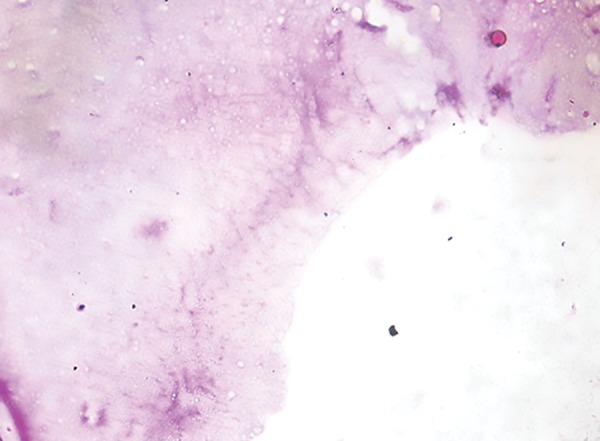
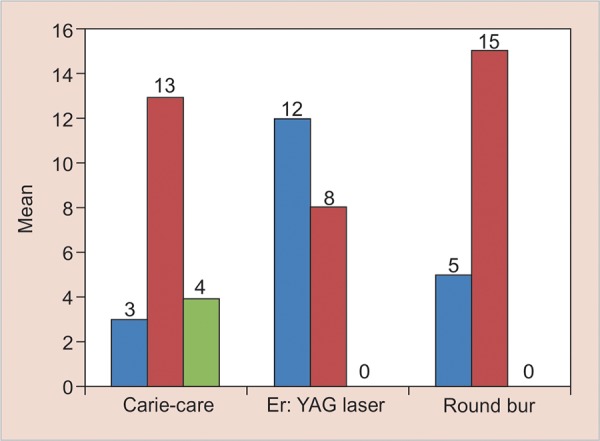
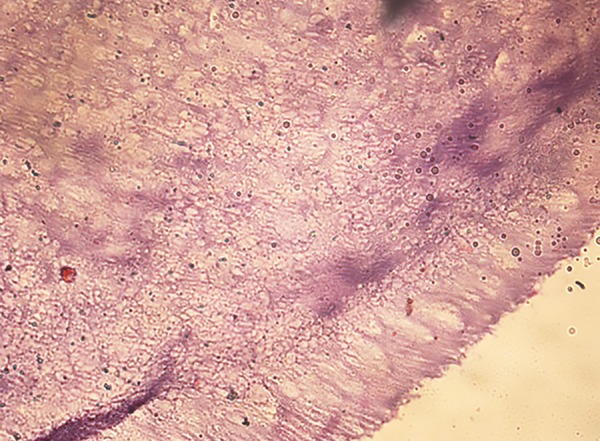
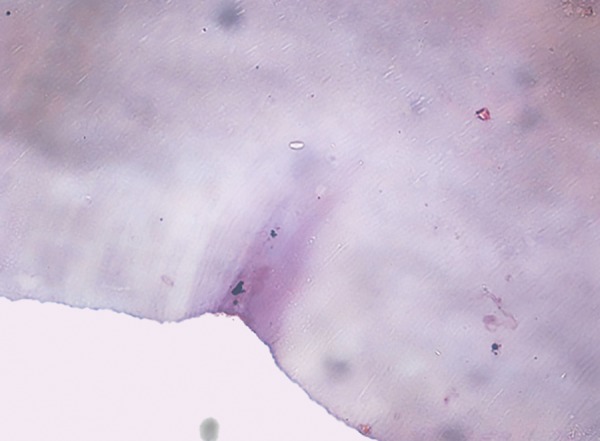
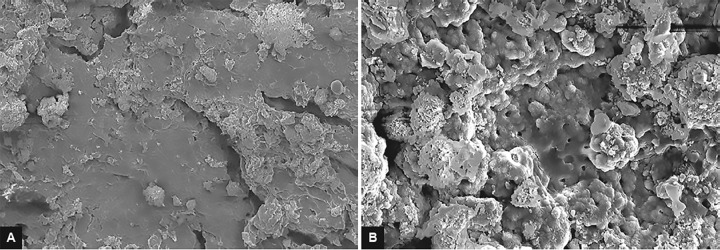
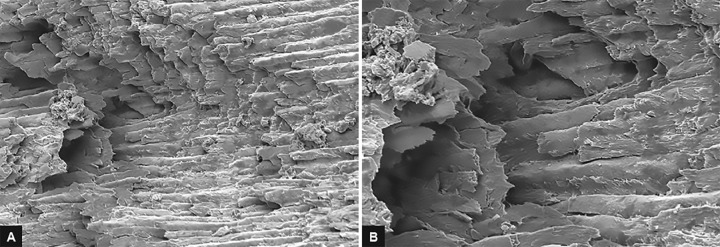
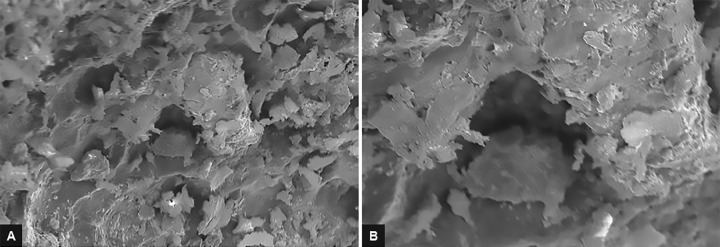
Thirty human carious primary molars extracted for therapeutic reasons were sectioned mesiodistally. These sectioned samples were allocated into three groups (20 samples each): group I: Carie Care, group II: Er:YAG laser, and group III: round tungsten carbide bur. After caries excavation, all samples were processed and examined under conventional light microscope to examine for bacterial deposits. Representative samples from each group were processed and analyzed to examine the morphology of caries-excavated tissue by scanning electron microscope (SEM). Statistical analysis was done using Fisher's exact test, Kruskal-Wallis test, and Mann-Whitney U test.
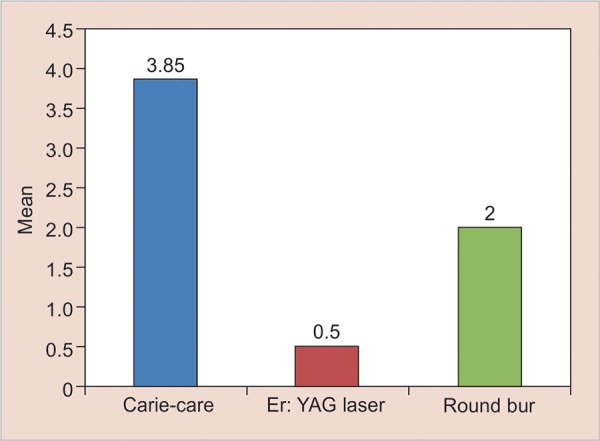
The Er:YAG laser showed best results with no smear layer followed by chemomechanically excavated surfaces with Carie-Care. Amount of bacterial deposits was observed to be more in group I while least in group II (p-value < 0.001). Mann-Whitney U test and Fisher's exact test revealed that there was statistically significant difference among all the three groups.
Among the three different methods of caries excavation, Er:YAG laser was found to be more effective compared with Carie-Care and round tungsten carbide bur.
Laser-induced caries excavation by Er:YAG laser and chemomechanical method of caries removal by Carie-Care can be considered as future of noninvasive pediatric and preventive dentistry. Prabhakar A, Lokeshwari M, Naik SV, Yavagal C. Efficacy of Caries Removal by Carie-Care and Erbium-doped Yttrium Aluminum Garnet Laser in Primary Molars: A Scanning Electron Microscope Study. Int J Clin Pediatr Dent 2018;11(4):323-329.
比较并评估使用龋齿护理剂(Carie-Care)、掺铒钇铝石榴石(Er:YAG)激光和圆形碳化钨车针进行龋洞预备后,乳磨牙的形态变化和细菌沉积物情况。
选取30颗因治疗需要而拔除的人类龋坏乳磨牙,进行近远中向切片。将这些切片样本分为三组(每组20个样本):第一组:龋齿护理剂;第二组:Er:YAG激光;第三组:圆形碳化钨车针。龋洞预备后,对所有样本进行处理,并在传统光学显微镜下检查细菌沉积物。从每组中选取代表性样本进行处理和分析,通过扫描电子显微镜(SEM)检查龋洞预备后组织的形态。使用Fisher精确检验、Kruskal-Wallis检验和Mann-Whitney U检验进行统计分析。
Er:YAG激光显示出最佳效果,无玷污层,其次是使用龋齿护理剂进行化学机械法预备的表面。观察到第一组的细菌沉积物数量更多,而第二组最少(p值<0.001)。Mann-Whitney U检验和Fisher精确检验显示,三组之间存在统计学上的显著差异。
在三种不同的龋洞预备方法中,与龋齿护理剂和圆形碳化钨车针相比,Er:YAG激光被发现更有效。
Er:YAG激光诱导的龋洞预备和龋齿护理剂的化学机械法龋坏去除可被视为无创儿童牙科和预防牙科的未来发展方向。Prabhakar A, Lokeshwari M, Naik SV, Yavagal C. 龋齿护理剂和掺铒钇铝石榴石激光在乳磨牙中去除龋坏的效果:一项扫描电子显微镜研究。《国际临床儿科牙科杂志》2018年;11(4):323 - 329。