Department of Radiation Oncology, Ajou University School of Medicine, Suwon, South Korea.
Department of Biomedical Informatics, Ajou University School of Medicine, Suwon, South Korea.
BMC Nephrol. 2018 Nov 6;19(1):311. doi: 10.1186/s12882-018-1110-3.
This study aimed to evaluate patterns of posttransplant malignancies among renal transplant recipients (RTRs) in South Korea using nationwide data.
The nationwide cohort assessed in this study included RTRs from January 1, 2010, to December 31, 2014. We analyzed cancer incidence during the time course after renal transplantation. Additionally, we calculated standardized incidence ratios (SIRs) to evaluate the risk of malignancies in RTRs.
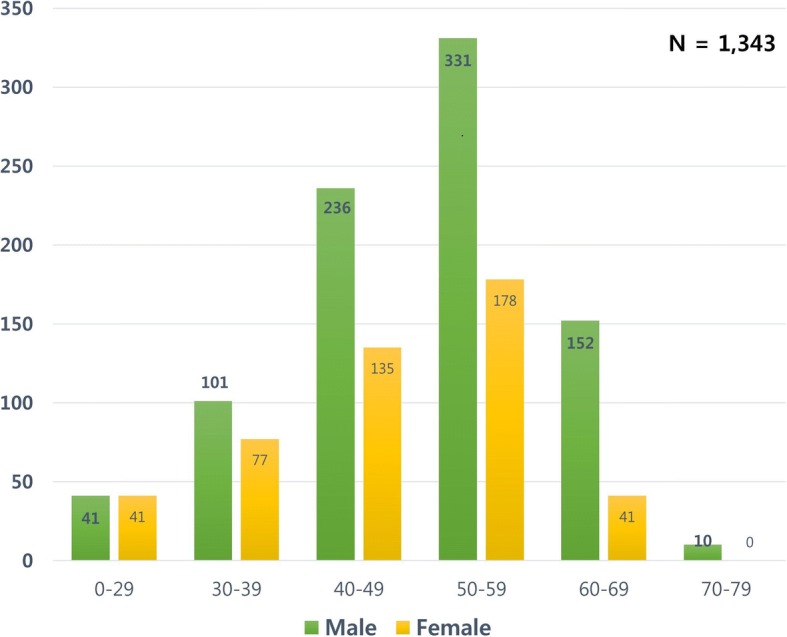
A total of 1343 RTRs (871 males and 472 females, mean age 48.5 ± 11.6 years) were assessed. Among them, 104 (7.7%) developed malignancies after transplantation, most commonly in the thyroid cancer (23.1%). The SIR for all cancers was 3.54; particularly, the SIRs for renal cancer, myeloma, and non-Hodgkin lymphoma were 16.31, 24.02, and 28.64, respectively. Females showed a higher risk of malignancy than males (SIRs: 4.04 for women and 3.26 for men). The median interval between transplantation and malignancy diagnosis was 27.2 months (range 12.3-54.8 months).
RTRs in South Korea demonstrated a high risk of malignancy after transplantation compared with the general population. This indicates that close surveillance and routine screening for cancer in RTRs are needed.
本研究旨在利用全国性数据评估韩国肾移植受者(RTR)移植后恶性肿瘤的发病模式。
本研究评估的全国性队列包括 2010 年 1 月 1 日至 2014 年 12 月 31 日期间的肾移植受者。我们分析了肾移植后时间进程中的癌症发病率。此外,我们计算了标准化发病比(SIR)来评估 RTR 恶性肿瘤的风险。
共评估了 1343 名 RTR(871 名男性和 472 名女性,平均年龄 48.5±11.6 岁)。其中,104 名(7.7%)在移植后发生恶性肿瘤,最常见的是甲状腺癌(23.1%)。所有癌症的 SIR 为 3.54;特别是肾癌、骨髓瘤和非霍奇金淋巴瘤的 SIR 分别为 16.31、24.02 和 28.64。女性的恶性肿瘤风险高于男性(SIRs:女性为 4.04,男性为 3.26)。移植与恶性肿瘤诊断之间的中位间隔为 27.2 个月(范围 12.3-54.8 个月)。
与一般人群相比,韩国的 RTR 移植后恶性肿瘤的风险较高。这表明需要对 RTR 进行密切监测和常规癌症筛查。