Department of Paediatrics, Riga Stradins University, Riga, Latvia.
Children's Clinical University Hospital, Riga, Latvia.
PLoS One. 2018 Nov 13;13(11):e0204844. doi: 10.1371/journal.pone.0204844. eCollection 2018.
The incidence of tick-borne encephalitis (TBE) varies significantly over time. To better understand the annual incidence of all TBE cases in Latvia we investigated the disease burden in the country from 1973-2016 using several available sources and case definitions.
We identified cases of TBE from an electronic database (maintained by the Centre for Disease Prevention and Control of Latvia [CDPC]) by the use of ICD-10 diagnosis codes for TBE (A84; A84.0; A84.1; A84.8; A84.9). In addition, previously unreported TBE cases were found by review of TBE diagnoses according to ICD-10 codes in four hospital databases.
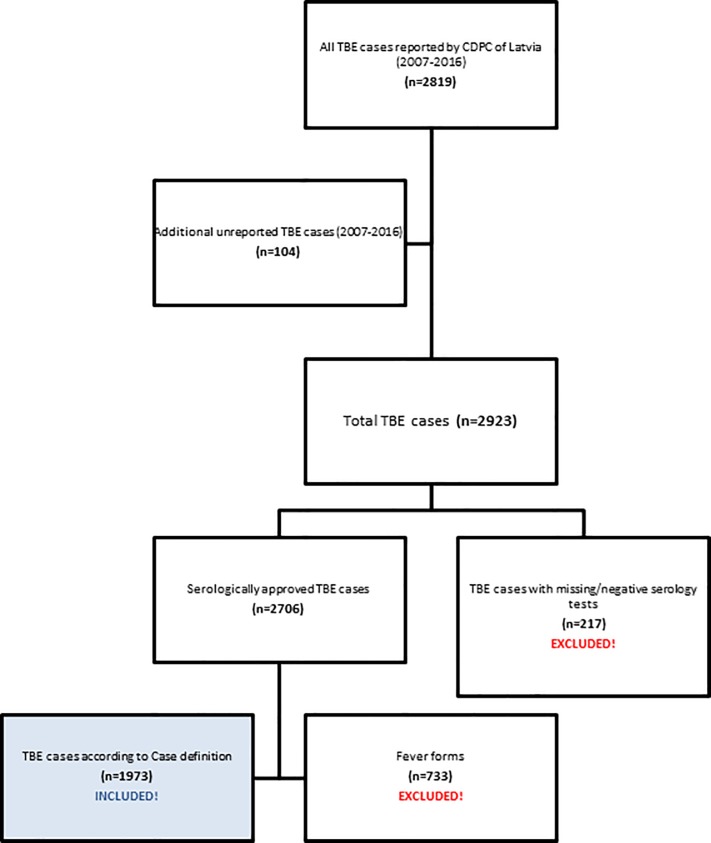
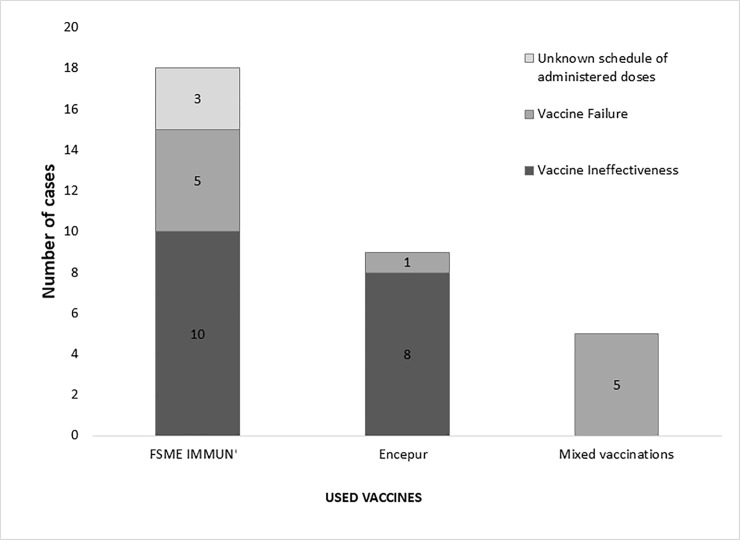
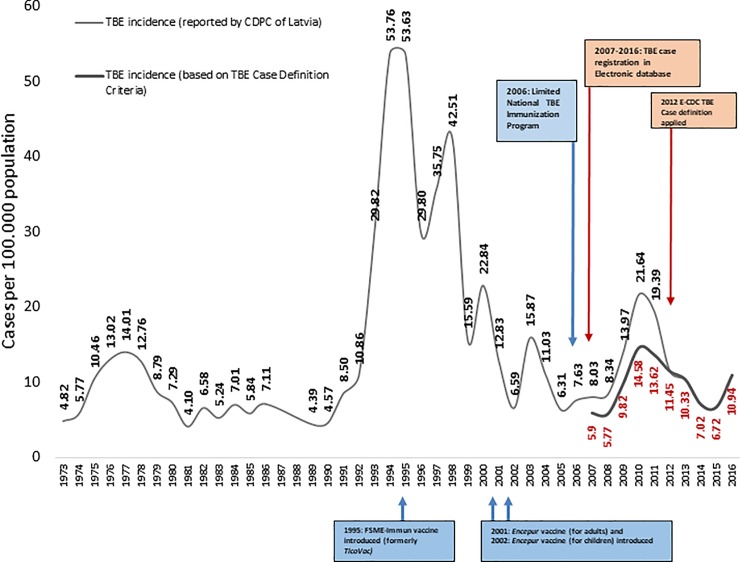
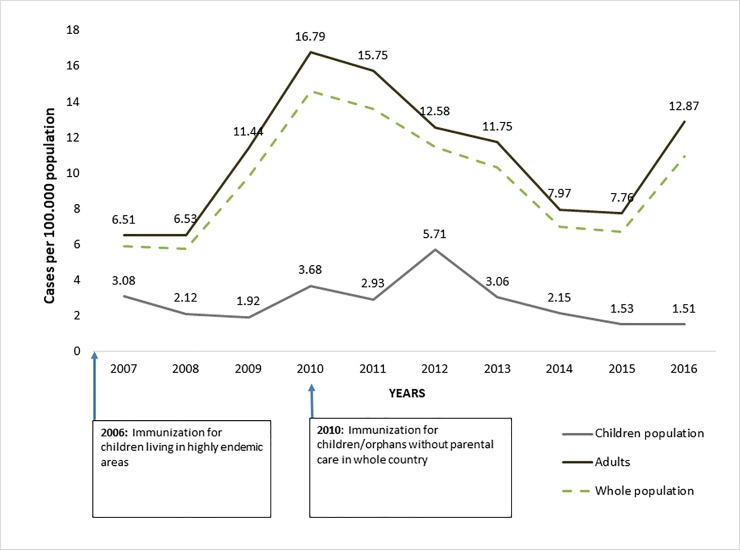
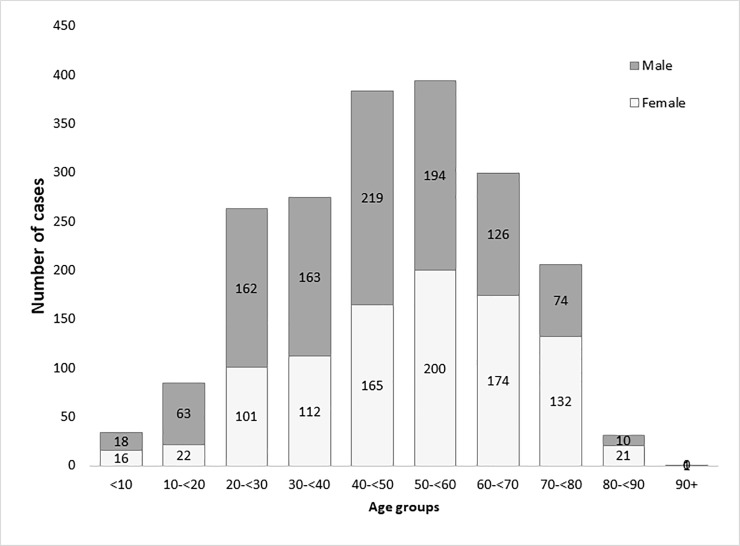
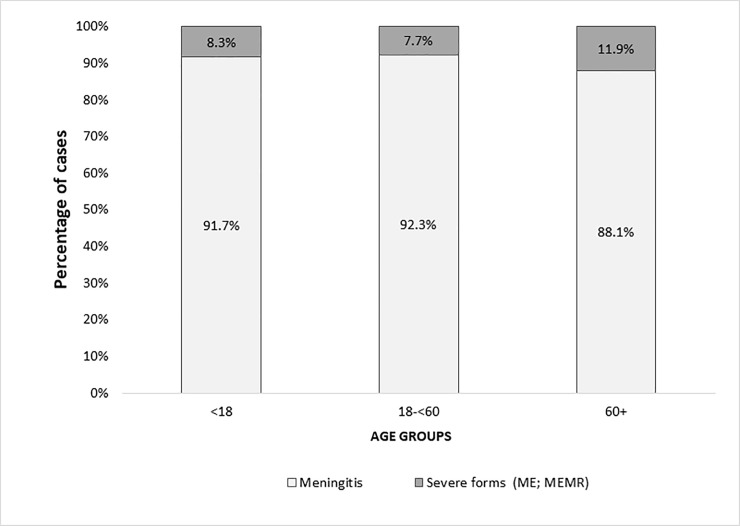
From 1973 to 2016 a total of 15,193 TBE cases were reported to the CDPC, 2,819 of which were reported from January 2007 through December 2016, additionally for this time period, 104 cases were identified via hospital survey. From all 2,923 reported cases (2007-2016), 1,973 met TBE case definition criteria and were included in the TBE study analysis. The highest average 10 year incidence was observed from 1990-1999 (27.9 cases per 100,000; range 4.6-53.0), however, the average 10-year incidence from 2007-2016 using officially adopted TBE case definition was 9.6 cases per 100,000 (range 5.8-14.6). For this 10-year time period most cases were adults (95.1%) and male (52.2%). The most common clinical form of TBE was meningitis (90.6%). A tick bite prior to TBE onset was reported in 60.6% of TBE cases and 98.2% of cases were not vaccinated against TBE.
The data demonstrate that the incidence of TBE varies by about one third based on the case definition used. TBE occurs almost entirely in the unvaccinated population. Regular TBE awareness campaigns could encourage the population in Latvia to use protective measures to further control TBE in the country, either via vaccination or tick avoidance.
蜱传脑炎(TBE)的发病率随时间有显著变化。为更好地了解拉脱维亚所有 TBE 病例的年度发病率,我们利用多种现有资料和病例定义,调查了 1973 年至 2016 年该国的疾病负担。
我们通过使用 TBE 的 ICD-10 诊断代码(A84;A84.0;A84.1;A84.8;A84.9),从拉脱维亚疾病预防和控制中心(CDPC)的电子数据库中确定 TBE 病例。此外,我们还通过审查四个医院数据库中根据 ICD-10 代码诊断的 TBE 病例,发现了以前未报告的 TBE 病例。
1973 年至 2016 年,向 CDPC 报告了 15193 例 TBE 病例,其中 2819 例报告于 2007 年 1 月至 2016 年 12 月,此外,在此期间,通过医院调查发现了 104 例病例。在所有报告的 2923 例病例(2007-2016 年)中,有 1973 例符合 TBE 病例定义标准,被纳入 TBE 研究分析。发病率最高的 10 年平均发病率为 1990-1999 年(每 10 万人 27.9 例;范围 4.6-53.0),然而,使用官方采用的 TBE 病例定义的 2007-2016 年 10 年平均发病率为每 10 万人 9.6 例(范围 5.8-14.6)。在这 10 年期间,大多数病例为成年人(95.1%)和男性(52.2%)。TBE 最常见的临床形式是脑膜炎(90.6%)。在 TBE 发病前有蜱叮咬史的病例占 60.6%,未接种 TBE 疫苗的病例占 98.2%。
数据表明,发病率因使用的病例定义而异,约相差三分之一。TBE 几乎完全发生在未接种疫苗的人群中。定期开展 TBE 意识宣传活动可以鼓励拉脱维亚民众采取保护措施,通过接种疫苗或避免被蜱叮咬,进一步控制该国的 TBE。