Ribeiro Sylvie, Ribeiro Tânia, Ribeiro Clarisse, Correia Daniela M, Farinha José P Sequeira, Gomes Andreia Castro, Baleizão Carlos, Lanceros-Méndez Senentxu
Centro/Departamento de Física, Universidade do Minho, 4710-057 Braga, Portugal.
Centre of Molecular and Environmental Biology (CBMA), Universidade do Minho, Campus de Gualtar, 4710-057 Braga, Portugal.
Nanomaterials (Basel). 2018 Nov 9;8(11):933. doi: 10.3390/nano8110933.
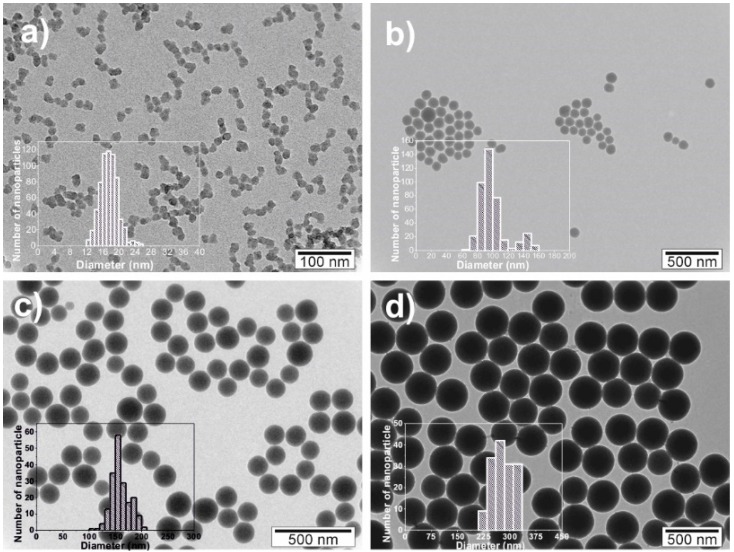
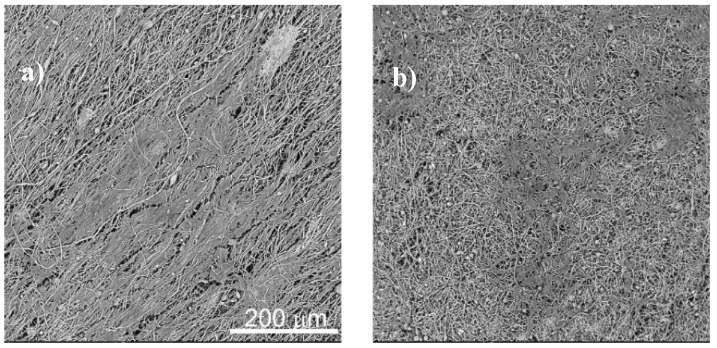
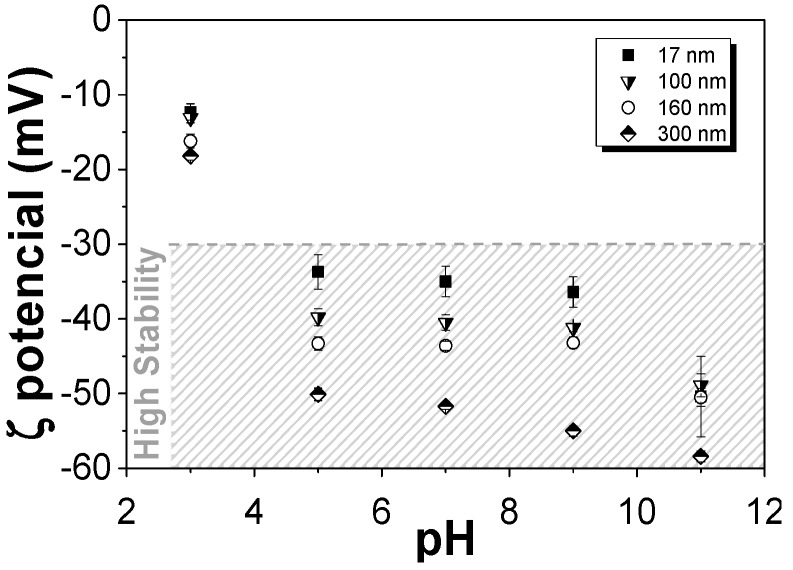
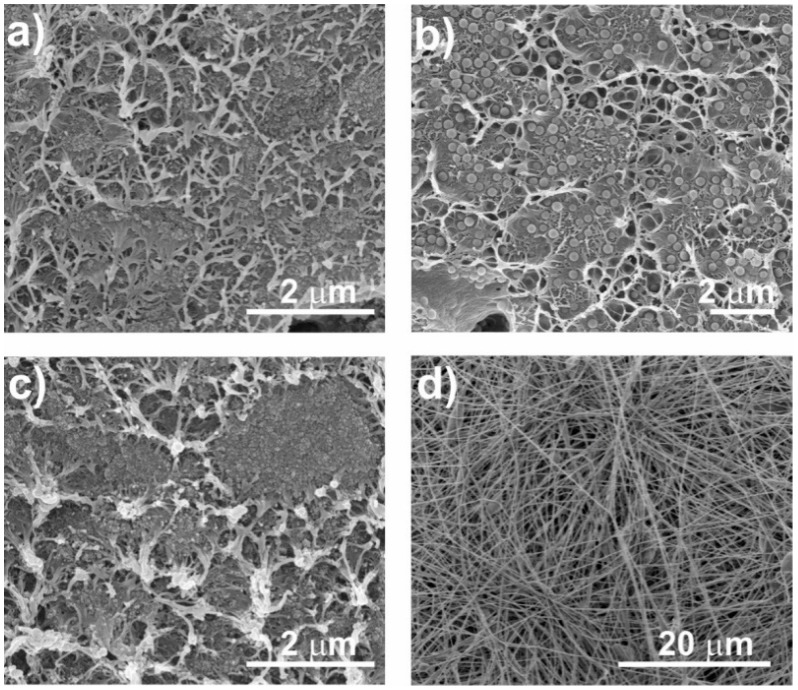
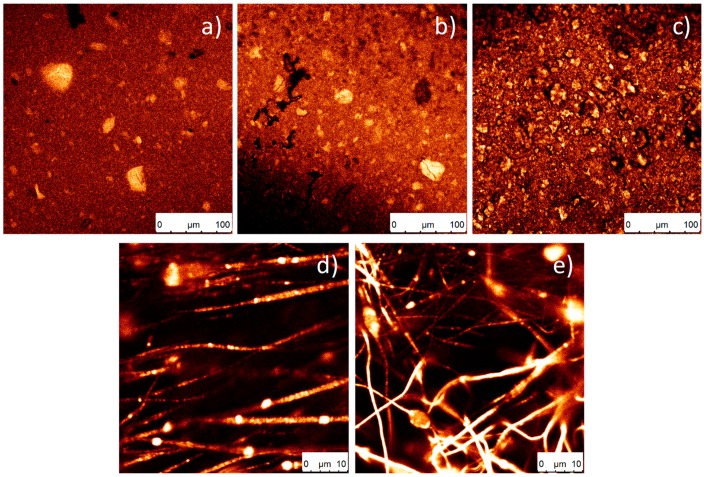
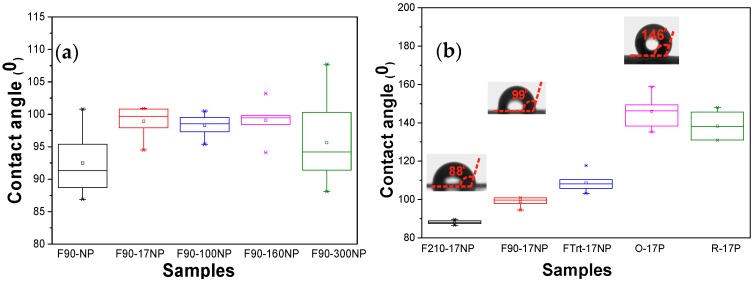
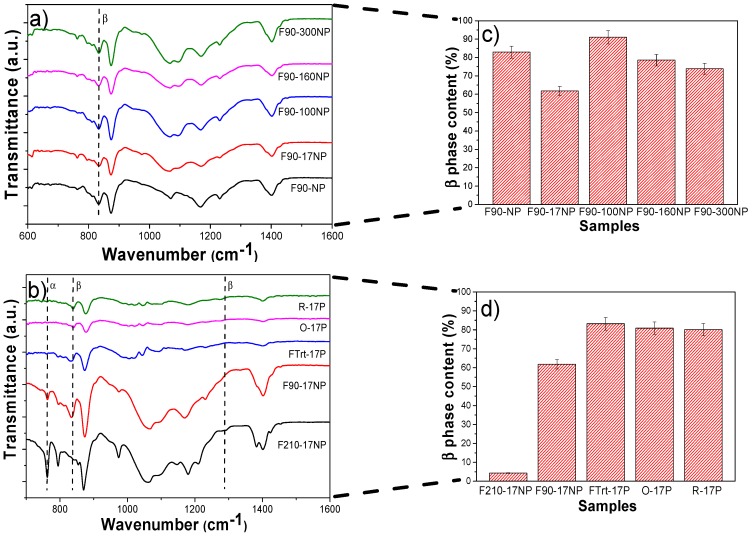
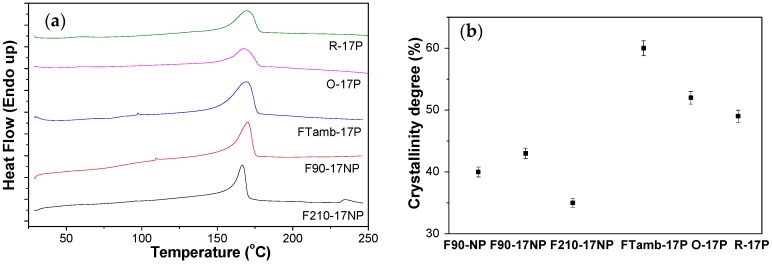
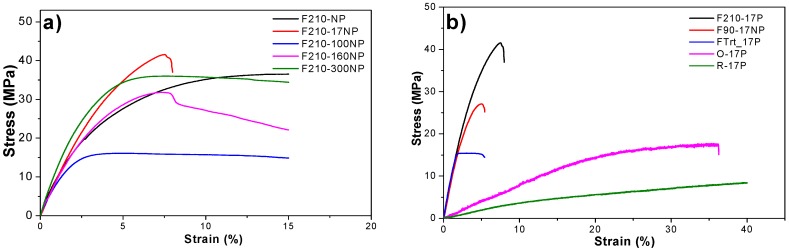
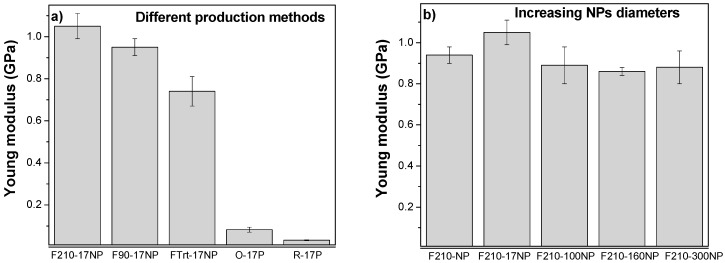
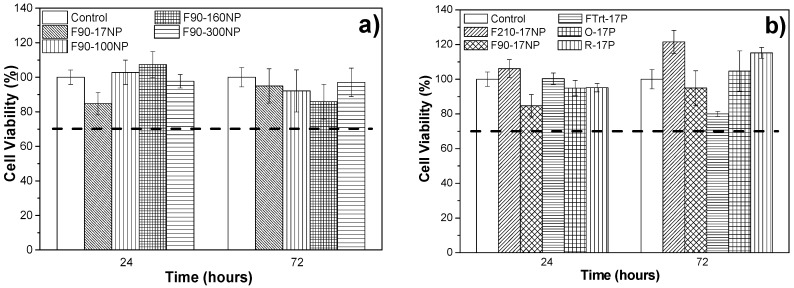
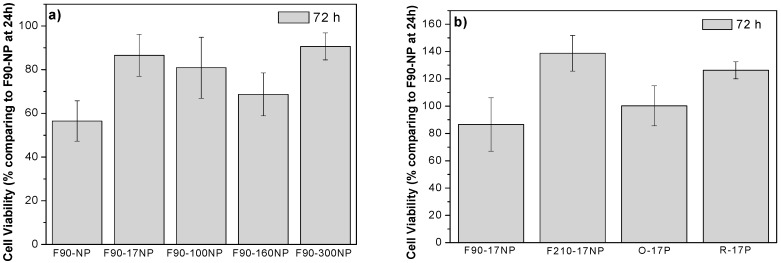
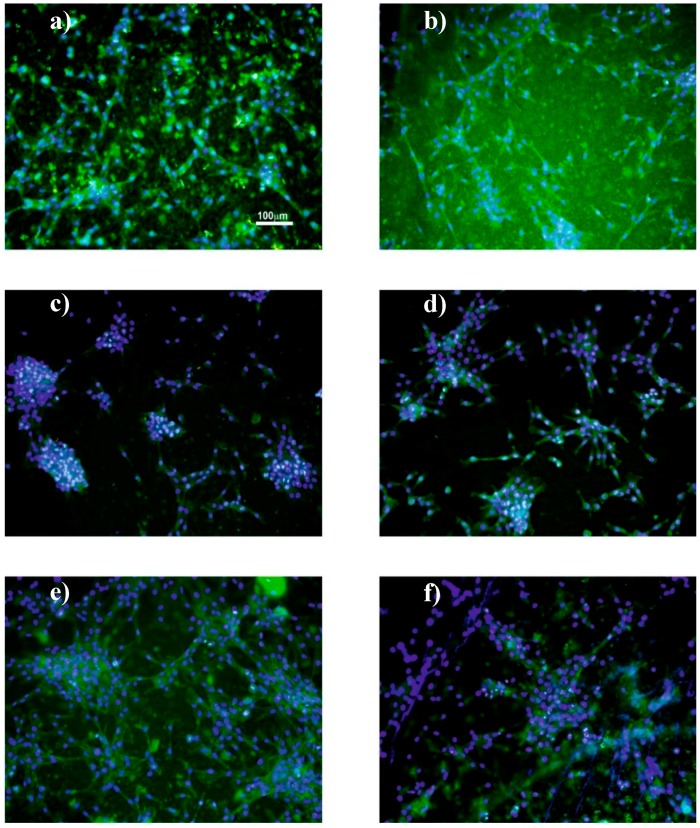
Poly(vinylidene fluoride) nanocomposites processed with different morphologies, such as porous and non-porous films and fibres, have been prepared with silica nanoparticles (SiNPs) of varying diameter (17, 100, 160 and 300 nm), which in turn have encapsulated perylenediimide (PDI), a fluorescent molecule. The structural, morphological, optical, thermal, and mechanical properties of the nanocomposites, with SiNP filler concentration up to 16 wt %, were evaluated. Furthermore, cytotoxicity and cell proliferation studies were performed. All SiNPs are negatively charged independently of the pH and more stable from pH 5 upwards. The introduction of SiNPs within the polymer matrix increases the contact angle independently of the nanoparticle diameter. Moreover, the smallest ones (17 nm) also improve the PVDF Young's modulus. The filler diameter, physico-chemical, thermal and mechanical properties of the polymer matrix were not significantly affected. Finally, the SiNPs' inclusion does not induce cytotoxicity in murine myoblasts (C2C12) after 72 h of contact and proliferation studies reveal that the prepared composites represent a suitable platform for tissue engineering applications, as they allow us to combine the biocompatibility and piezoelectricity of the polymer with the possible functionalization and drug encapsulation and release of the SiNP.
已使用不同直径(17、100、160和300纳米)的二氧化硅纳米颗粒(SiNP)制备了具有不同形态(如多孔和无孔薄膜及纤维)的聚偏氟乙烯纳米复合材料,这些纳米颗粒又包裹了荧光分子苝二酰亚胺(PDI)。对SiNP填料浓度高达16 wt%的纳米复合材料的结构、形态、光学、热学和力学性能进行了评估。此外,还进行了细胞毒性和细胞增殖研究。所有SiNP均带负电荷,与pH无关,且从pH 5以上更稳定。在聚合物基体中引入SiNP会增加接触角,与纳米颗粒直径无关。此外,最小的SiNP(17纳米)还提高了聚偏氟乙烯的杨氏模量。聚合物基体的填料直径、物理化学、热学和力学性能未受到显著影响。最后,接触72小时后,SiNP的加入不会在小鼠成肌细胞(C2C12)中诱导细胞毒性,增殖研究表明,所制备的复合材料代表了一种适用于组织工程应用的平台,因为它们使我们能够将聚合物的生物相容性和压电性与SiNP可能的功能化以及药物封装和释放相结合。