Perveen Asma, Molardi Carlo, Fornaini Carlo
Mechanical Engineering, Nazarbayev University, Astana 010000, Kazakhstan.
Electrical & Electronics Engineering, Nazarbayev University, Astana 010000, Kazakhstan;
Micromachines (Basel). 2018 Apr 28;9(5):209. doi: 10.3390/mi9050209.
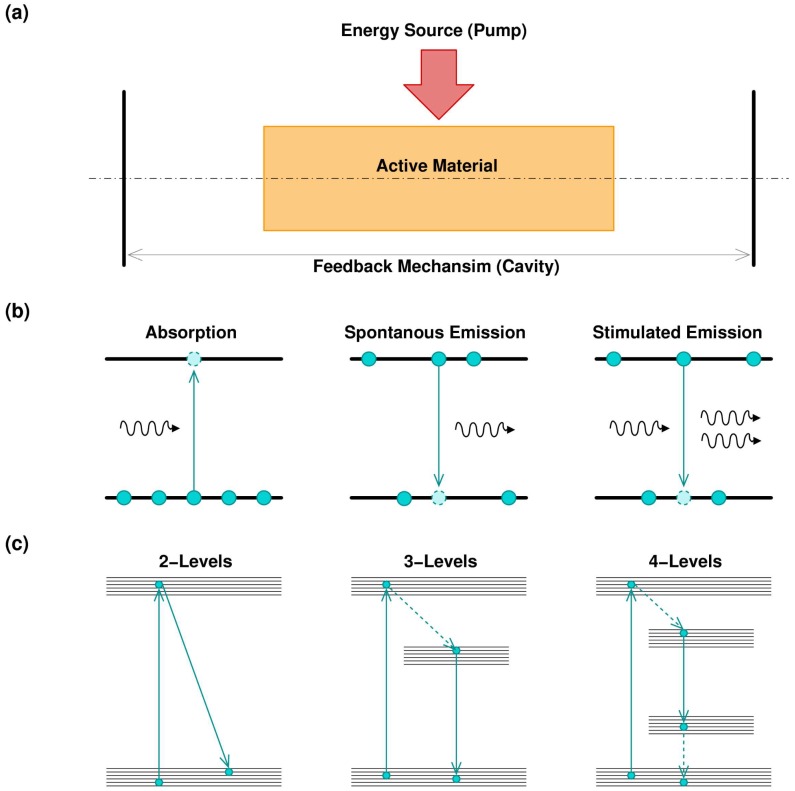
The dental industry without lasers is inconceivable right now. This captivating technology has outlasted other possible alternative technologies applied in dentistry in the past due to its precision, accuracy, minimal invasive effect as well as faster operating time. Other alternatives such as soldering, resistance (spot) welding, plasma (torch) welding, and single pulse tungsten inert gas welding have their pros and cons; nevertheless, laser welding remains the most suitable option so far for dental application. This paper attempts to give an insight into the laser principle and types of lasers used for dental purposes, types of dental alloys used by the dentist, and effect of laser parameters on prosthesis/implants. It is apparent from the literature review that laser assisted dental welding will continue to grow and will become an unparalleled technology for dental arena.
如今,没有激光的牙科行业是不可想象的。这项引人入胜的技术凭借其精确性、准确性、微创效果以及更快的操作时间,在过去超越了其他曾应用于牙科的可能替代技术。其他替代方法,如软钎焊、电阻(点焊)焊接、等离子(焊炬)焊接和单脉冲钨极惰性气体保护焊都有各自的优缺点;然而,激光焊接仍是目前牙科应用中最合适的选择。本文试图深入探讨激光原理、用于牙科目的的激光类型、牙医使用的牙科合金类型以及激光参数对假体/植入物的影响。从文献综述中可以明显看出,激光辅助牙科焊接将持续发展,并将成为牙科领域无与伦比的技术。