Endoscopy Centre and Endoscopy Research Institute, Zhongshan Hospital, Fudan University, Shanghai, China.
Internal Medicine Department, Gastroenterology Division, Faculty of Medicine, Cairo University, Egypt.
Can J Gastroenterol Hepatol. 2018 Oct 22;2018:6409698. doi: 10.1155/2018/6409698. eCollection 2018.
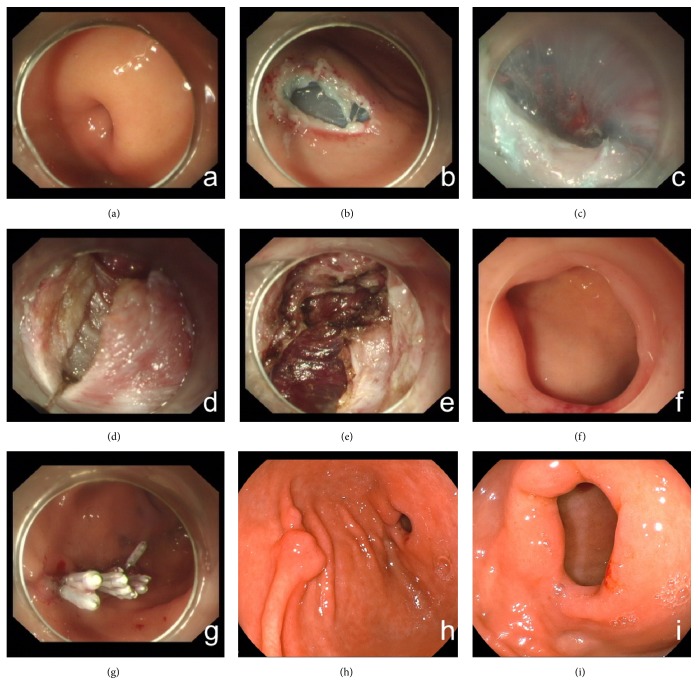
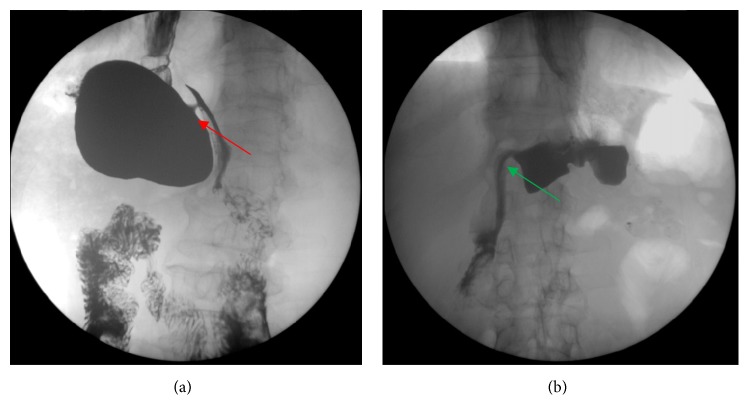
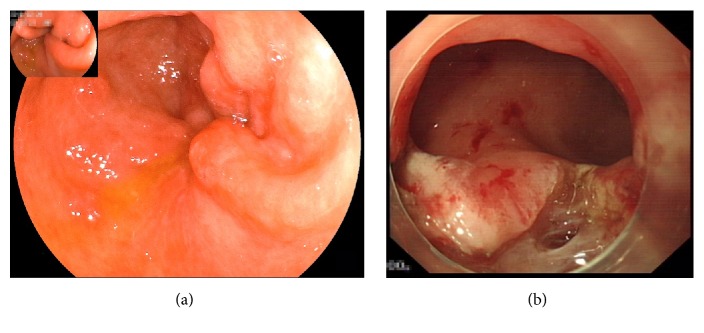
Gastric peroral endoscopic myotomy (G-POEM) has been regarded as a novel and minimally invasive therapy for refractory gastroparesis. This study reports the long-term outcomes and possible predictive factors for successful outcomes after G-POEM in an Asian population.
This is a retrospective single-centre study of 16 patients who underwent G-POEM for refractory gastroparesis from August 2016 to October 2017. This study included 11 males and 5 females; in addition, 13 patients had postsurgical gastroparesis, and 3 patients had diabetes. The patients included had severe and refractory gastroparesis, as indicated by a Gastroparesis Cardinal Symptom Index (GCSI) score ≥20, and evidence of a delay on gastric emptying scintigraphy (GES). The primary outcome parameter was an assessment of the long-term clinical efficacy of the procedure. The secondary outcome parameter was the detection of possible predictive factors for success and the determination of cut-off values for such predictors.
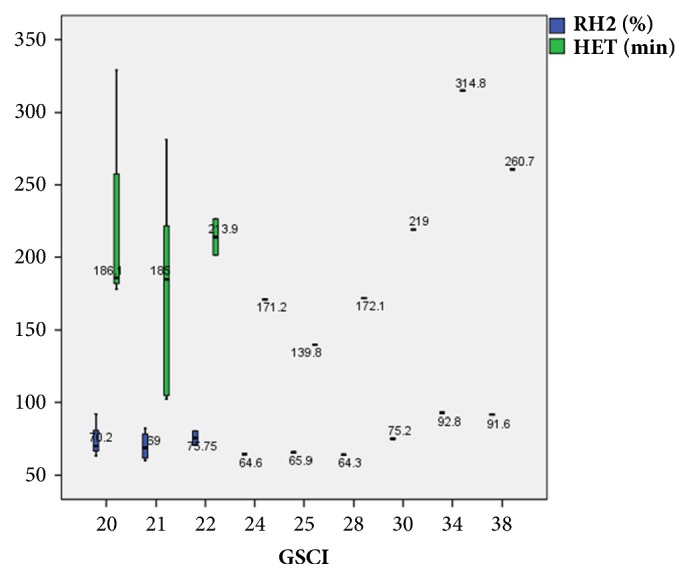
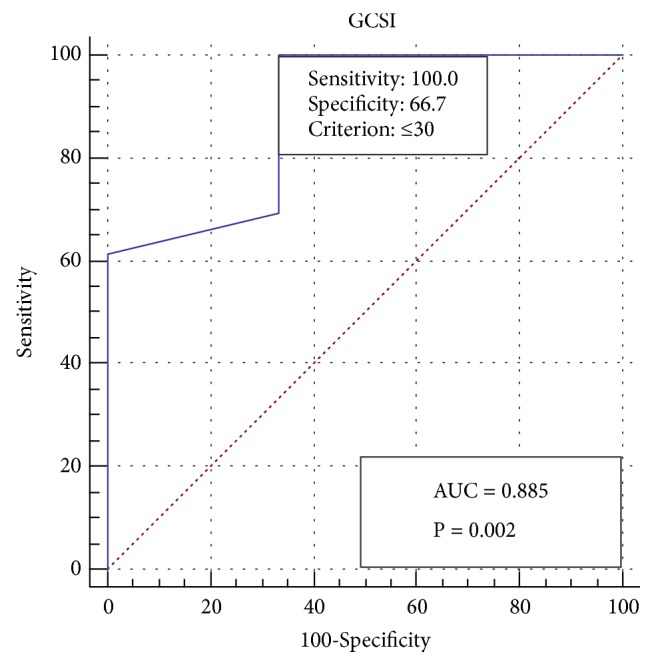
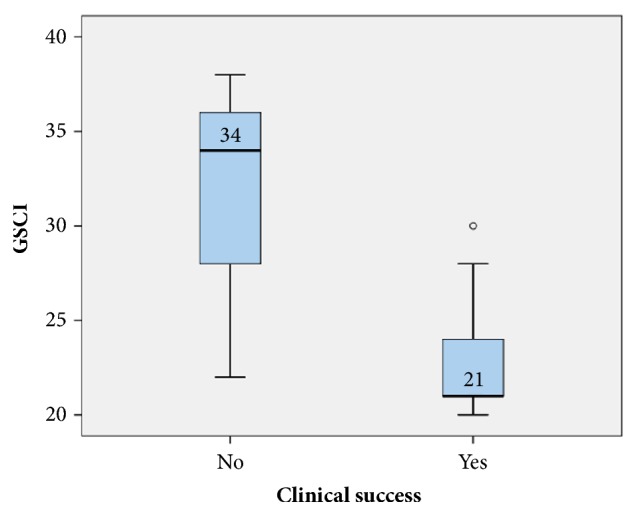
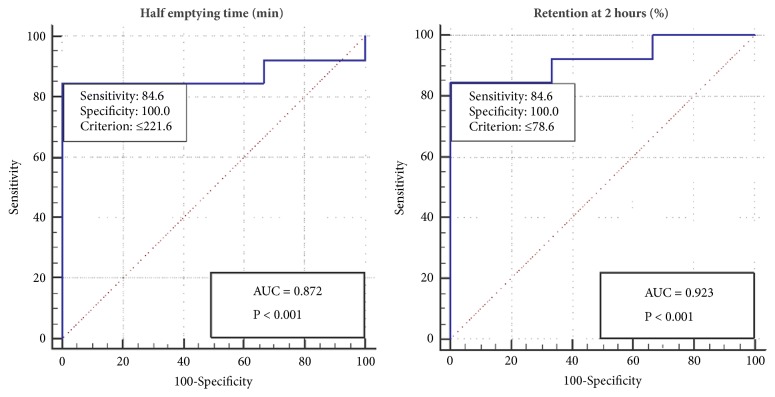
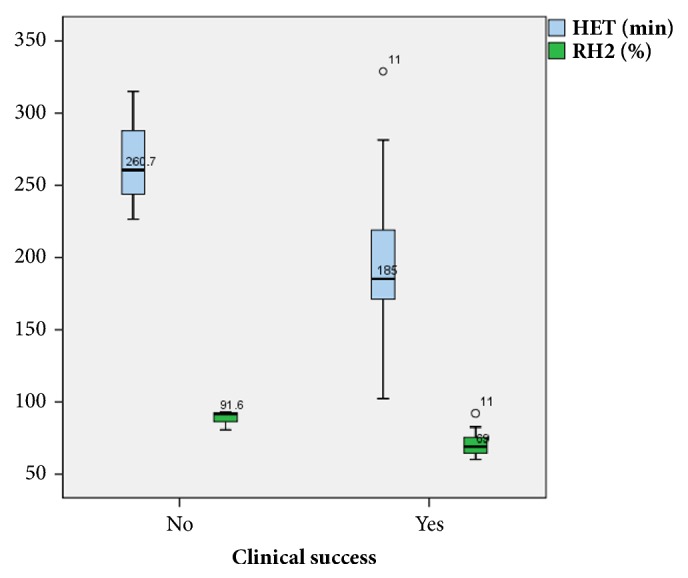
Technical success was achieved in 100% of the patients, with a mean procedure time of 45.25±12.96 min. The long-term clinical response was assessed in all patients during a median follow-up of 14.5 months. Clinical success was achieved in 13 (81.25%) patients. There was a significant reduction in the GCSI scores and GES values after the procedure compared to the baseline values, with values of <0.0001 and 0.012, respectively. Univariate regression analysis showed that the GCSI and GES had significant associations with the future clinical outcomes of the patients, but this finding was not confirmed in multivariate analysis. A GCSI cut-off score of ≤30 had a high sensitivity and a negative predictive value (NPV) of 100% for predicting a successful procedure. GES (half emptying time ≤221.6 min and 2-hour retention ≤78.6%) had a high specificity and a positive predictive value (PPV) of 100%.
G-POEM is a safe and effective treatment option with a long-term efficacy of 81.6%. GCSI and GES could serve as good predictive measures.
胃经口内镜肌切开术(G-POEM)已被认为是治疗难治性胃轻瘫的一种新颖且微创的治疗方法。本研究报告了亚洲人群中 G-POEM 治疗难治性胃轻瘫的长期结果和成功结局的可能预测因素。
这是一项回顾性单中心研究,纳入了 2016 年 8 月至 2017 年 10 月期间因难治性胃轻瘫接受 G-POEM 的 16 名患者。该研究包括 11 名男性和 5 名女性;此外,13 名患者为术后胃轻瘫,3 名患者为糖尿病。所有患者均存在严重和难治性胃轻瘫,胃轻瘫 Cardinal 症状指数(GCSI)评分≥20,胃排空闪烁扫描(GES)显示存在延迟。主要结局参数是评估该手术的长期临床疗效。次要结局参数是检测成功的可能预测因素,并确定此类预测因素的截止值。
所有患者均成功完成手术,技术成功率为 100%,平均手术时间为 45.25±12.96 分钟。在中位随访 14.5 个月期间,对所有患者进行了长期临床疗效评估。13 名(81.25%)患者获得临床成功。与基线值相比,GCSI 评分和 GES 值在术后均显著降低, 值分别为<0.0001 和 0.012。单因素回归分析显示,GCSI 和 GES 与患者的未来临床结局具有显著相关性,但在多因素分析中未得到证实。GCSI 截断值≤30 时,对预测手术成功具有高灵敏度和 100%的阴性预测值(NPV)。GES(排空半时≤221.6 分钟和 2 小时潴留≤78.6%)具有 100%的高特异性和阳性预测值(PPV)。
G-POEM 是一种安全有效的治疗选择,长期疗效为 81.6%。GCSI 和 GES 可作为良好的预测指标。