Xiong Donghai, Wang Yian, Singavi Arun K, Mackinnon Alexander C, George Ben, You Ming
Cancer Center, Medical College of Wisconsin, Milwaukee, WI 53226, USA; Department of Pharmacology & Toxicology, Medical College of Wisconsin, Milwaukee, WI 53226, USA.
Cancer Center, Medical College of Wisconsin, Milwaukee, WI 53226, USA; Department of Medicine, Medical College of Wisconsin, Milwaukee, WI 53226, USA.
iScience. 2018 Nov 30;9:258-277. doi: 10.1016/j.isci.2018.10.021. Epub 2018 Oct 25.
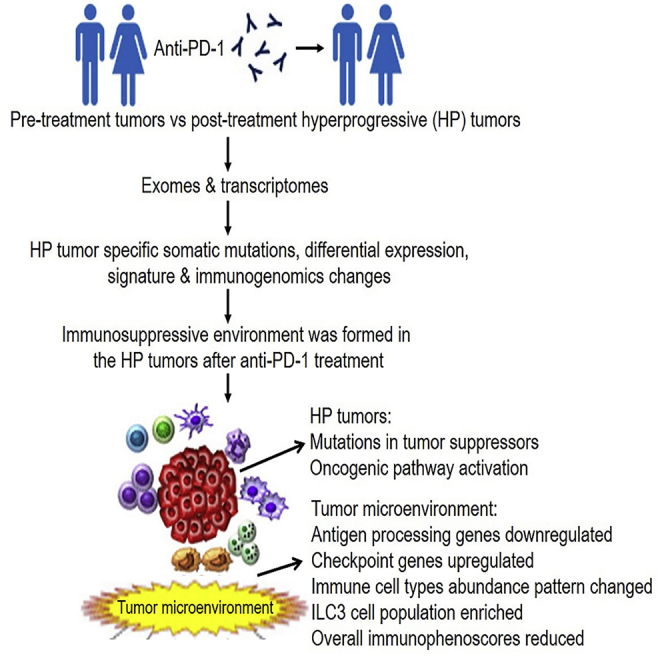
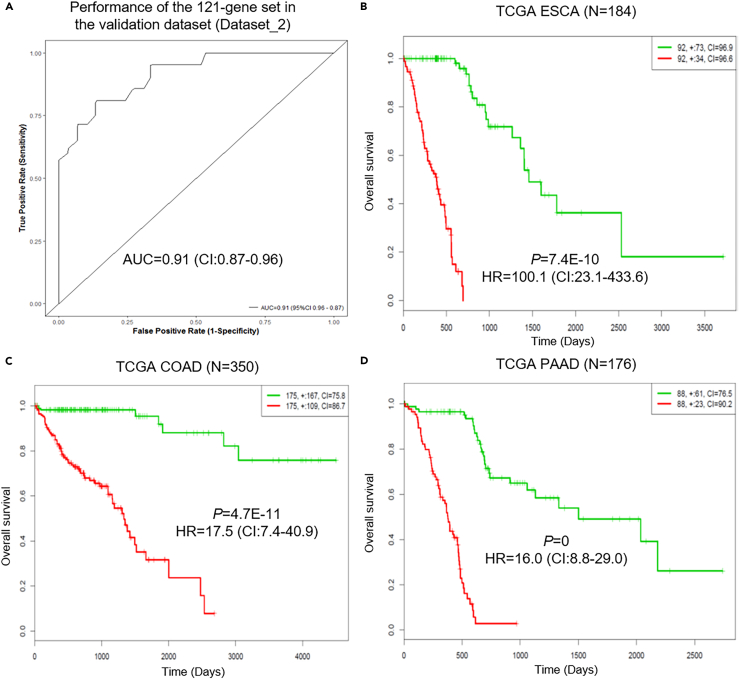
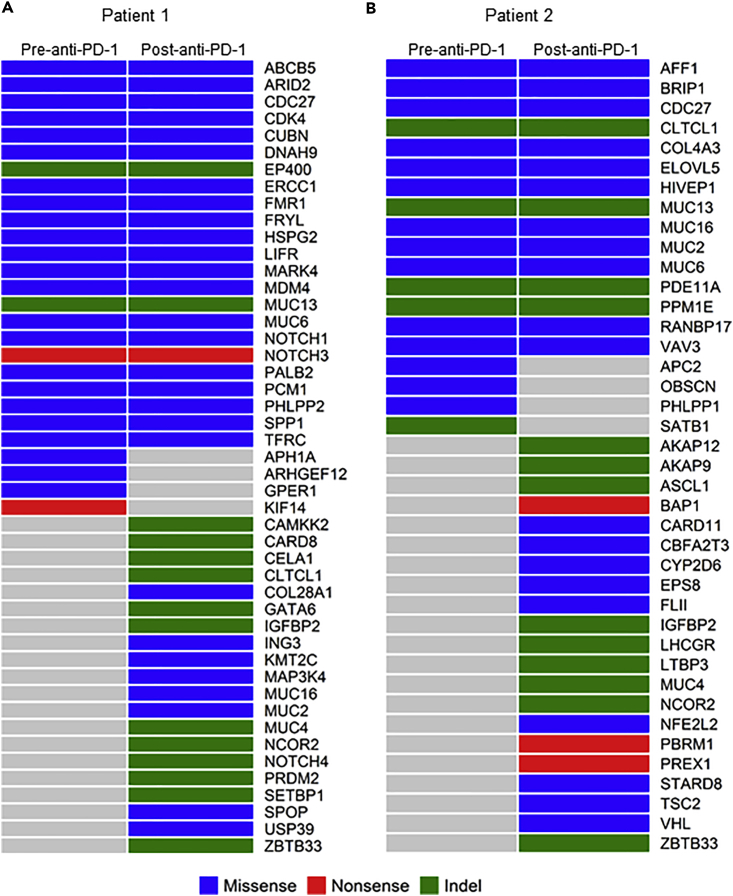
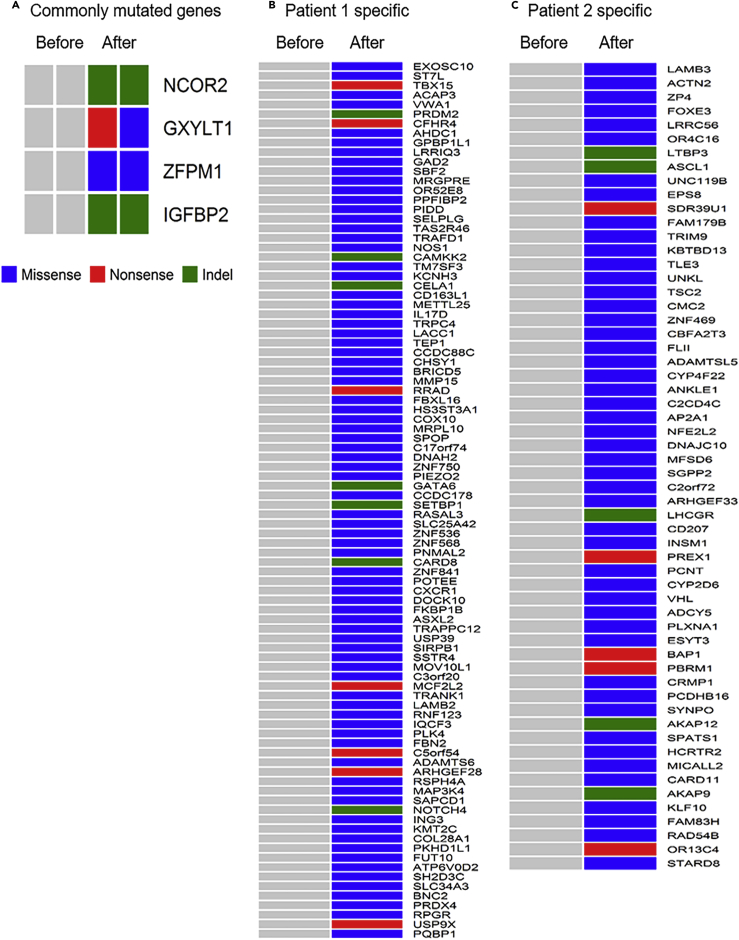
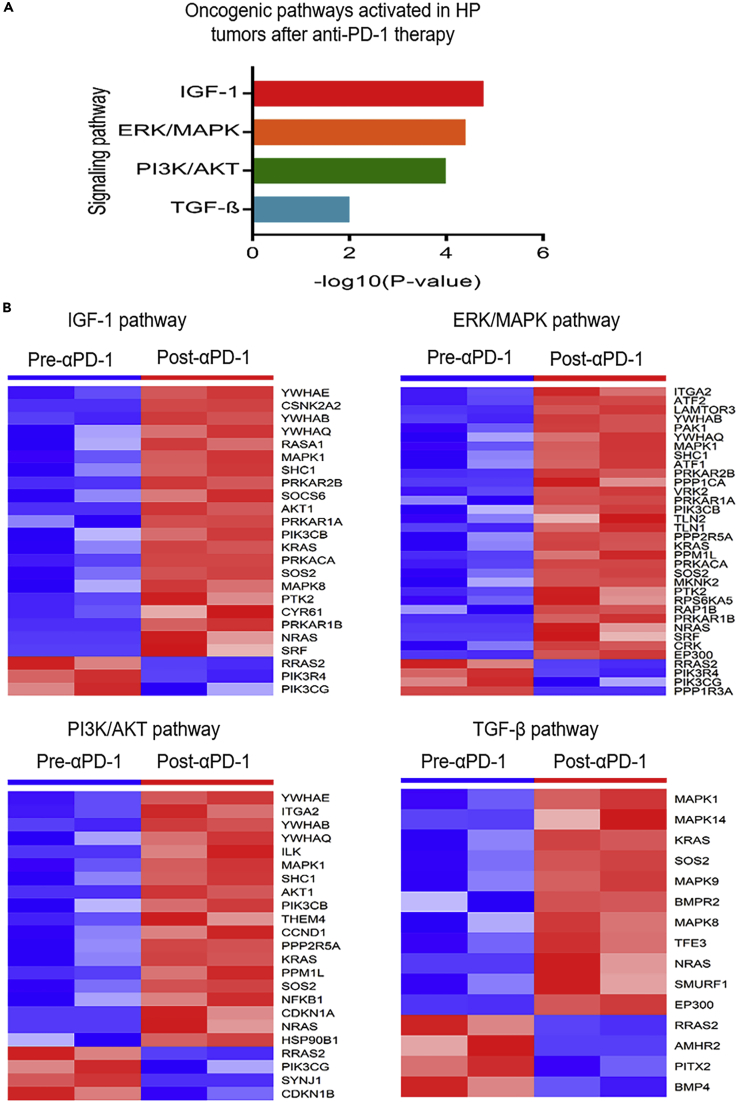
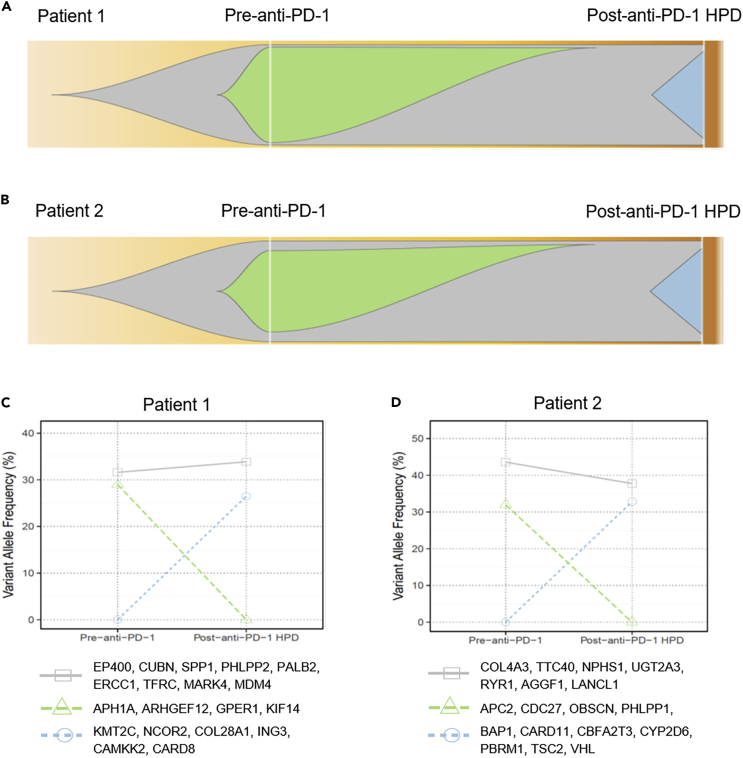
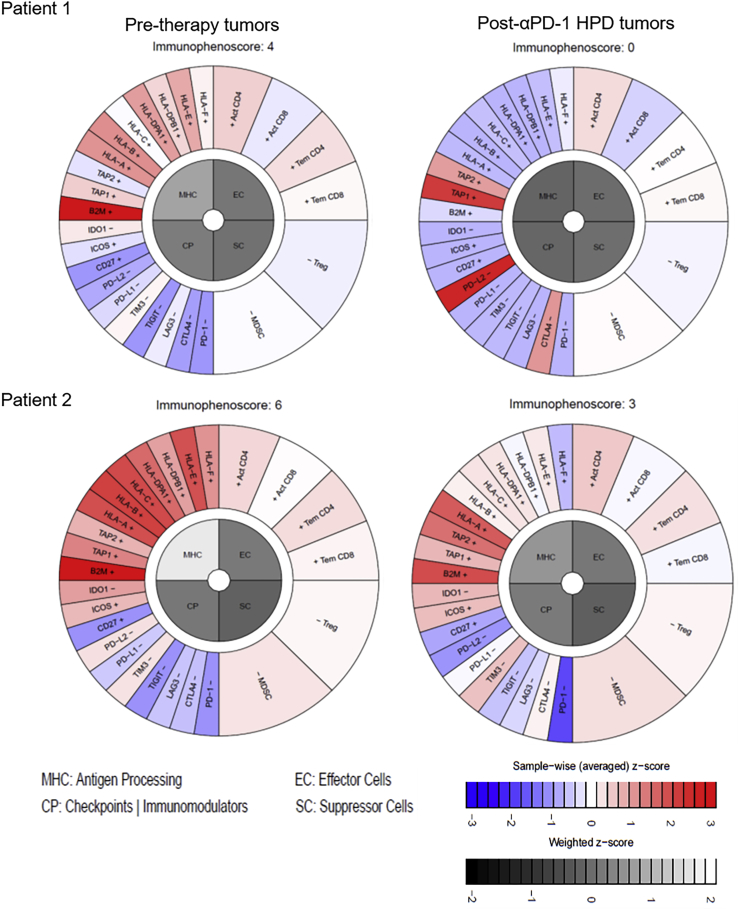
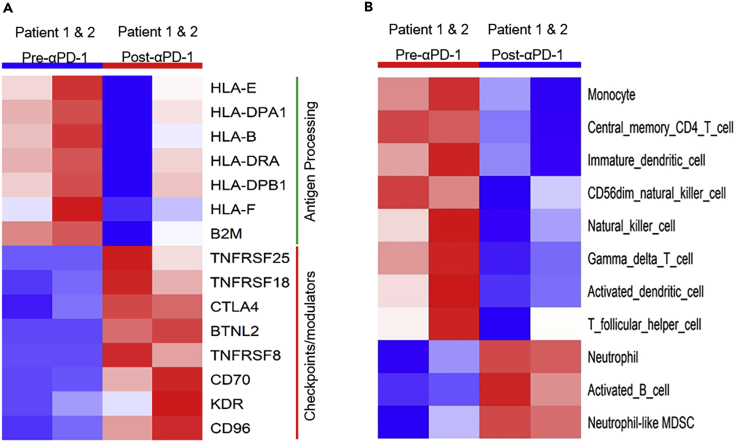
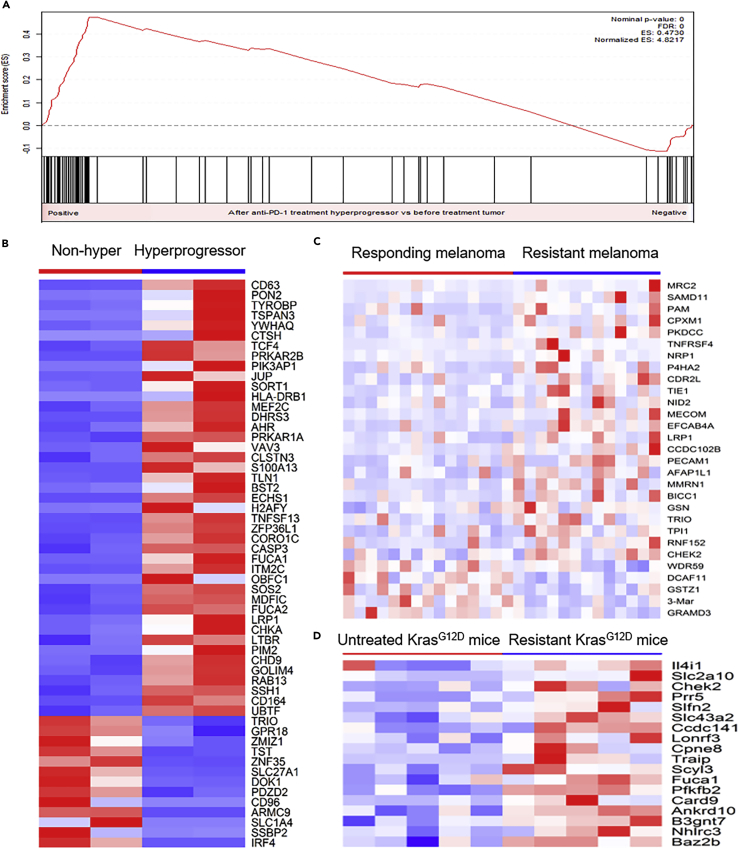
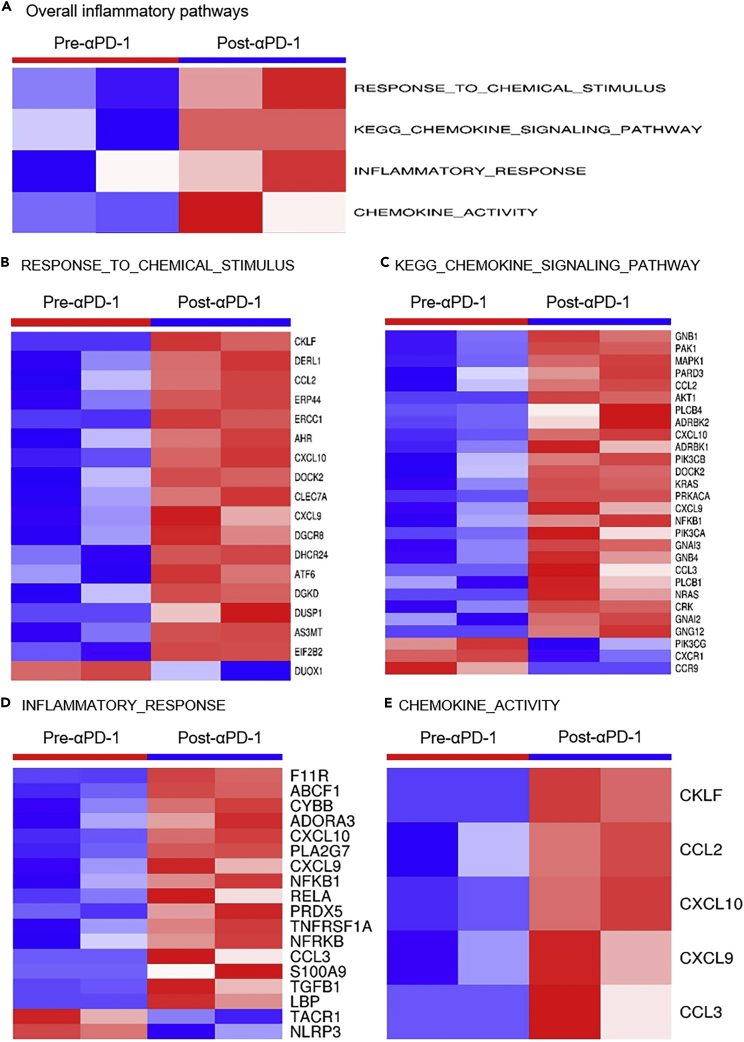
Although PD-1-blocking immunotherapies demonstrate significant therapeutic promise, a subset of the patients could develop hyperprogressive disease (HPD) with accelerated tumor growth after anti-PD1 immunotherapy. To elucidate the underlying mechanisms, we compared the mutational and transcriptional landscapes between the pre- and post-therapy tumors of two patients developing HPD after anti-PD-1 immunotherapy. In post-therapy HPD tumors, somatic mutations were found in known cancer genes, including tumor suppressor genes such as TSC2 and VHL, along with transcriptional upregulation of oncogenic pathways, including IGF-1, ERK/MAPK, PI3K/AKT, and TGF-β. We found that post-therapy HPD tumors were less immunogenic than pre-therapy tumors, concurrent with an increased presence of ILC3 cells, a subset of innate lymphoid cells. We also developed a gene expression signature predictive of HPD. In summary, we identified the genomics and immune features associated with HPD, which may help identify patients at risk of adverse clinical outcome after anti-PD-1 immunotherapy.
尽管PD-1阻断免疫疗法显示出显著的治疗前景,但一部分患者在接受抗PD-1免疫治疗后可能会出现肿瘤生长加速的高进展性疾病(HPD)。为了阐明其潜在机制,我们比较了两名在抗PD-1免疫治疗后发生HPD的患者治疗前和治疗后肿瘤之间的突变和转录图谱。在治疗后HPD肿瘤中,在已知癌症基因中发现了体细胞突变,包括肿瘤抑制基因如TSC2和VHL,同时致癌途径的转录上调,包括IGF-1、ERK/MAPK、PI3K/AKT和TGF-β。我们发现治疗后HPD肿瘤的免疫原性低于治疗前肿瘤,同时先天淋巴细胞亚群ILC3细胞的存在增加。我们还开发了一种预测HPD的基因表达特征。总之,我们确定了与HPD相关的基因组学和免疫特征,这可能有助于识别抗PD-1免疫治疗后有不良临床结局风险的患者。