Institut de Pharmacologie et de Biologie Structurale, Université de Toulouse, CNRS, UPS, BP 64182, 205 Route de Narbonne, Toulouse, F-31077, France.
Invivogen Cayla SAS, 5 rue Jean Rodier, Zone industrielle de Montaudran, 31400, Toulouse, France.
Sci Rep. 2018 Nov 15;8(1):16833. doi: 10.1038/s41598-018-34968-6.
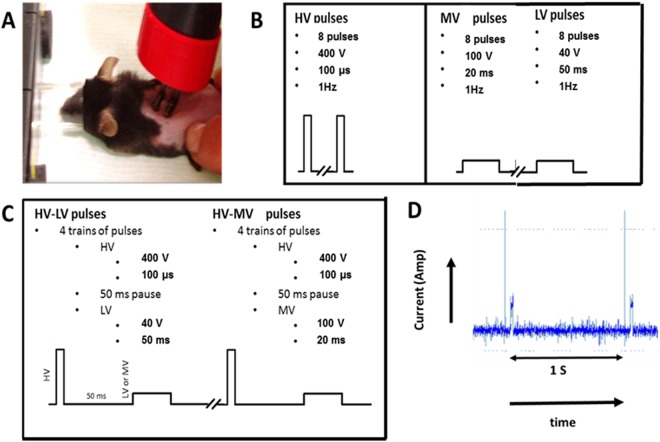
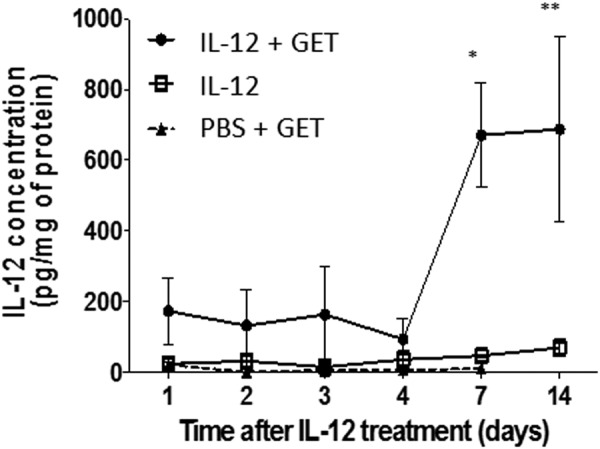
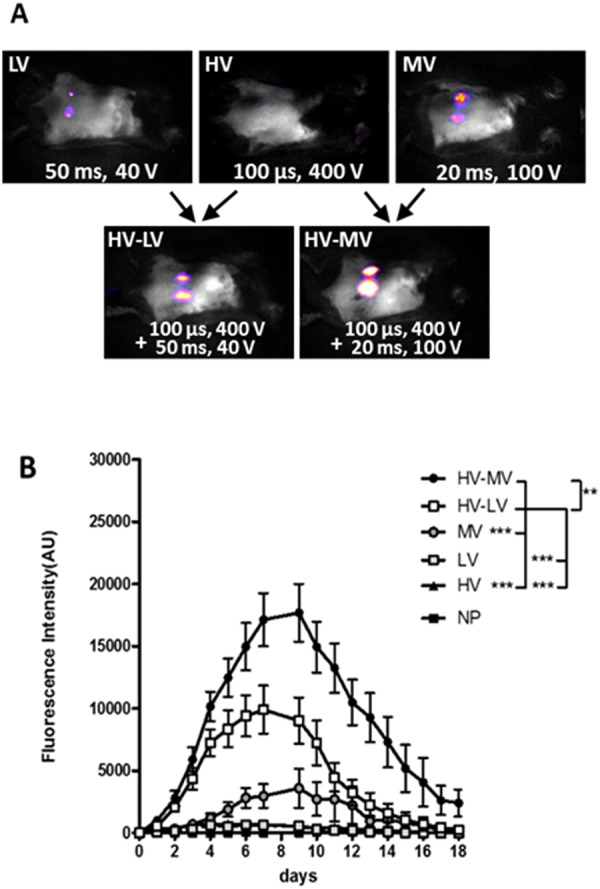
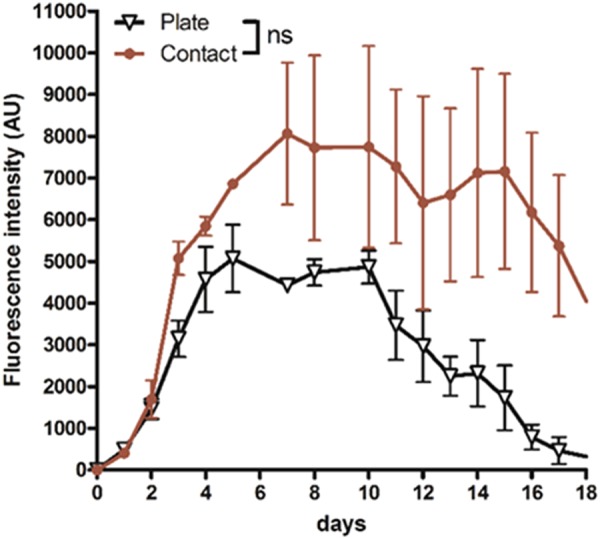
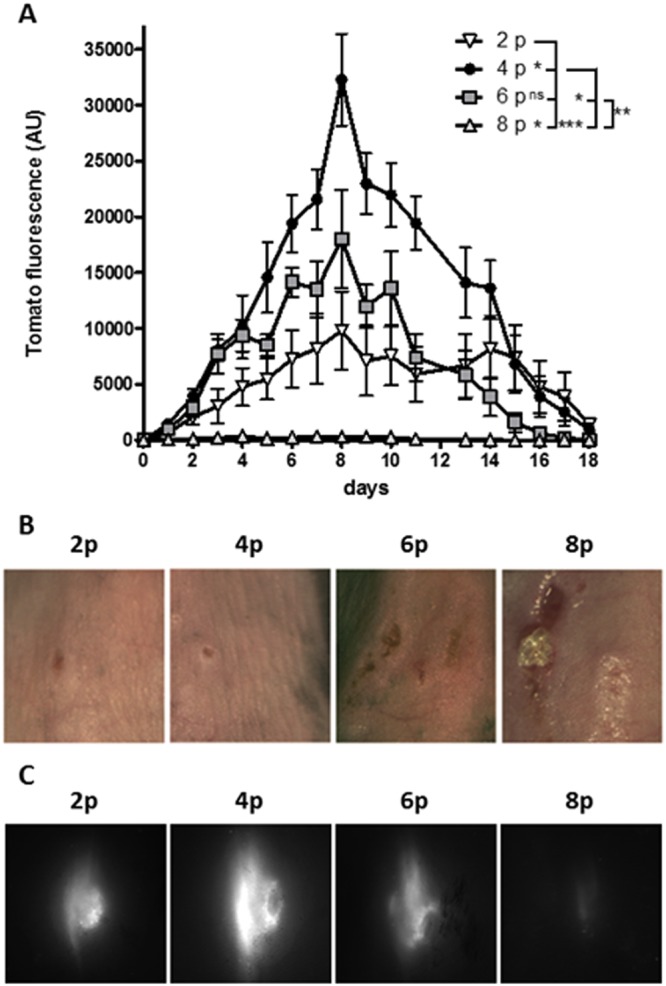
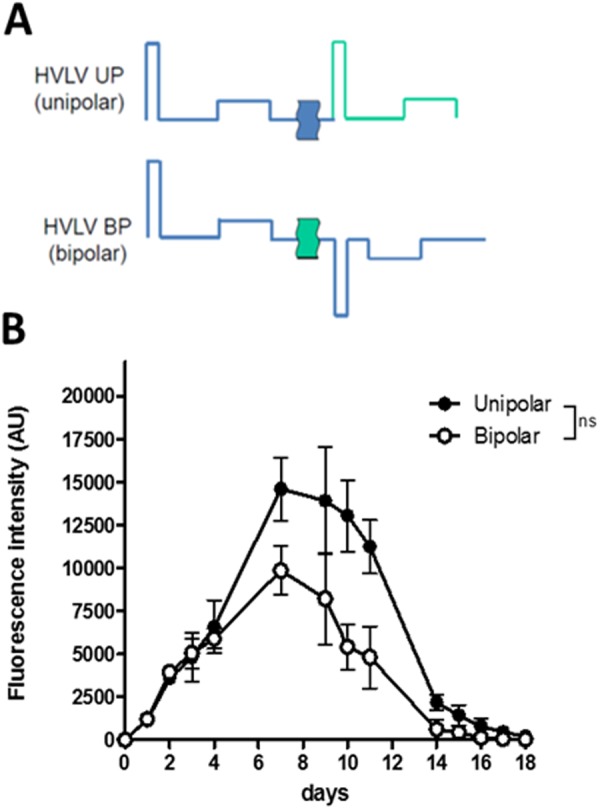
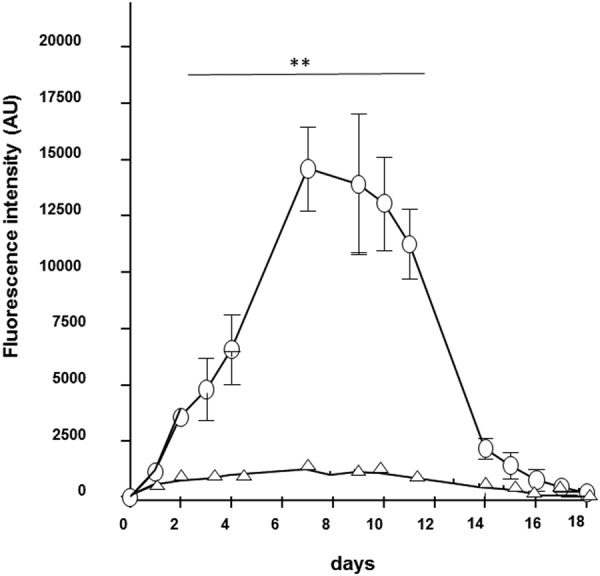
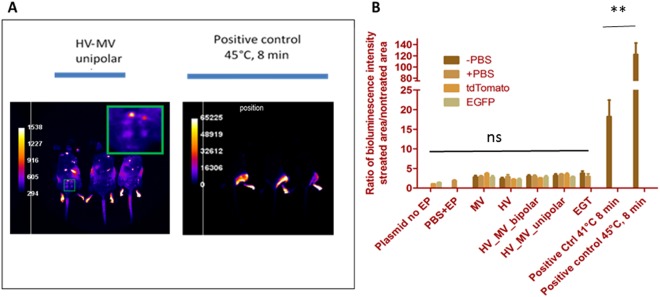
Gene transfer into cells or tissue by application of electric pulses (i.e. gene electrotransfer (GET)) is a non-viral gene delivery method that is becoming increasingly attractive for clinical applications. In order to make GET progress to wide clinical usage its efficacy needs to be improved and the safety of the method has to be confirmed. Therefore, the aim of our study was to increase GET efficacy in skin, by optimizing electric pulse parameters and the design of electrodes. We evaluated the safety of our novel approach by assaying the thermal stress effect of GET conditions and the biodistribution of a cytokine expressing plasmid. Transfection efficacy of different pulse parameters was determined using two reporter genes encoding for the green fluorescent protein (GFP) and the tdTomato fluorescent protein, respectively. GET was performed using non-invasive contact electrodes immediately after intradermal injection of plasmid DNA into mouse skin. Fluorescence imaging of transfected skin showed that a sophistication in the pulse parameters could be selected to get greater transfection efficacy in comparison to the standard ones. Delivery of electric pulses only mildly induced expression of the heat shock protein Hsp70 in a luminescent reporting transgenic mouse model, demonstrating that there were no drastic stress effects. The plasmid was not detected in other organs and was found only at the site of treatment for a limited period of time. In conclusion, we set up a novel approach for GET combining new electric field parameters with high voltage short pulses and medium voltage long pulses using contact electrodes, to obtain a high expression of both fluorescent reporter and therapeutic genes while showing full safety in living animals.
通过施加电脉冲将基因转移到细胞或组织中(即基因电转移(GET))是一种非病毒基因传递方法,对于临床应用越来越有吸引力。为了使 GET 广泛应用于临床,需要提高其疗效,并确认该方法的安全性。因此,我们的研究目的是通过优化电脉冲参数和电极设计来提高皮肤的 GET 效果。我们通过测定 GET 条件的热应激效应和表达细胞因子的质粒的生物分布来评估我们新方法的安全性。使用分别编码绿色荧光蛋白(GFP)和 tdTomato 荧光蛋白的两种报告基因来评估不同脉冲参数的转染效率。GET 是在将质粒 DNA 皮内注射到小鼠皮肤后立即使用非侵入性接触电极进行的。转染皮肤的荧光成像显示,与标准脉冲参数相比,可以选择更复杂的脉冲参数来获得更高的转染效率。电脉冲的传递仅在发光报告转基因小鼠模型中轻度诱导热休克蛋白 Hsp70 的表达,表明没有剧烈的应激效应。该质粒未在其他器官中检测到,仅在治疗部位存在有限的时间。总之,我们结合新的电场参数和使用接触电极的高压短脉冲和中压长脉冲,建立了一种新的 GET 方法,以获得高表达荧光报告基因和治疗基因,同时在活体动物中显示出完全的安全性。