Vagelos College of Physicians & Surgeons, Columbia University, New York City, NY 10032, USA.
Department of Ecology, Evolution, and Environmental Biology, Columbia University, New York City, NY 10027, USA.
Int J Parasitol. 2019 Jan;49(1):37-47. doi: 10.1016/j.ijpara.2018.08.005. Epub 2018 Nov 15.
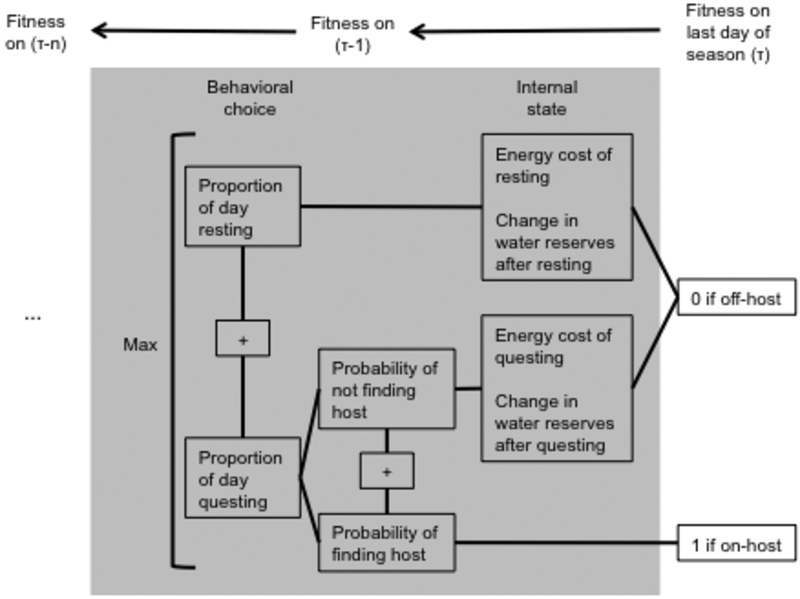
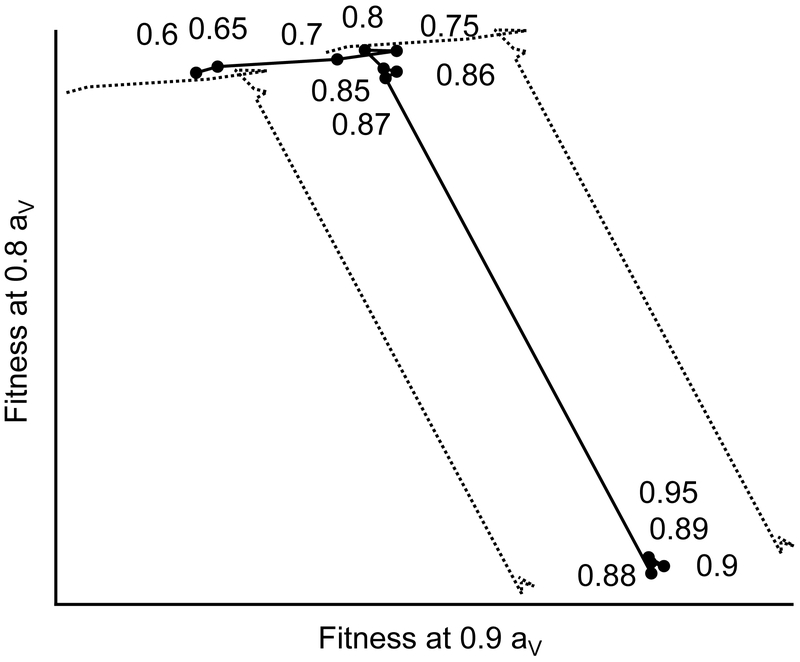
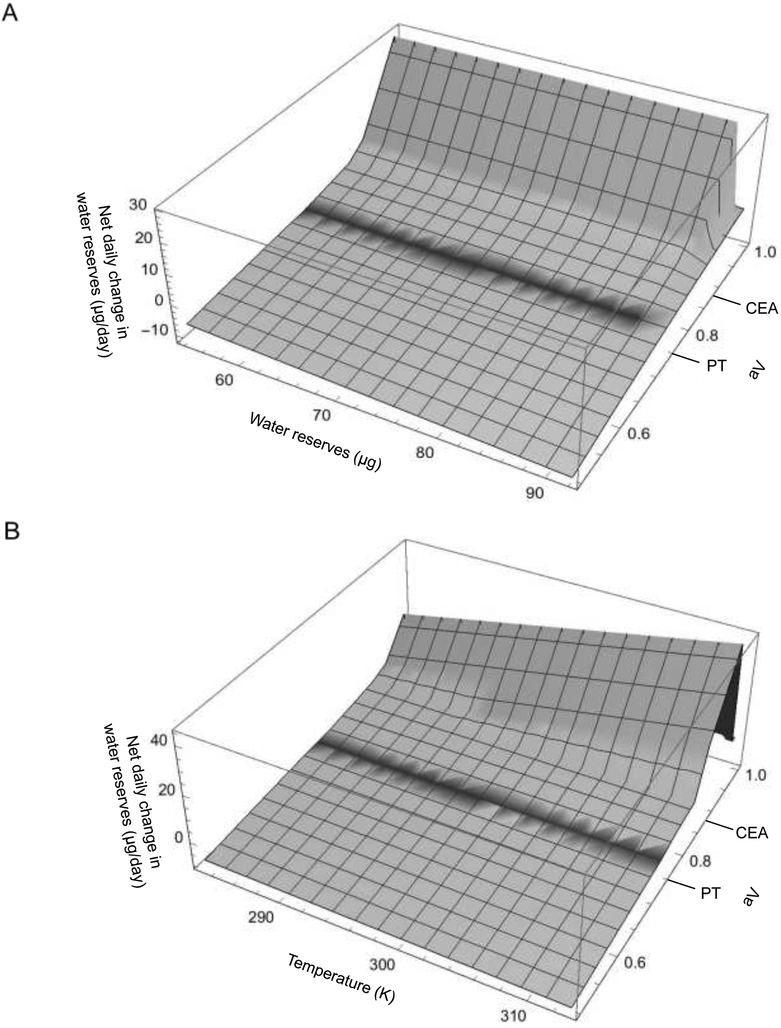
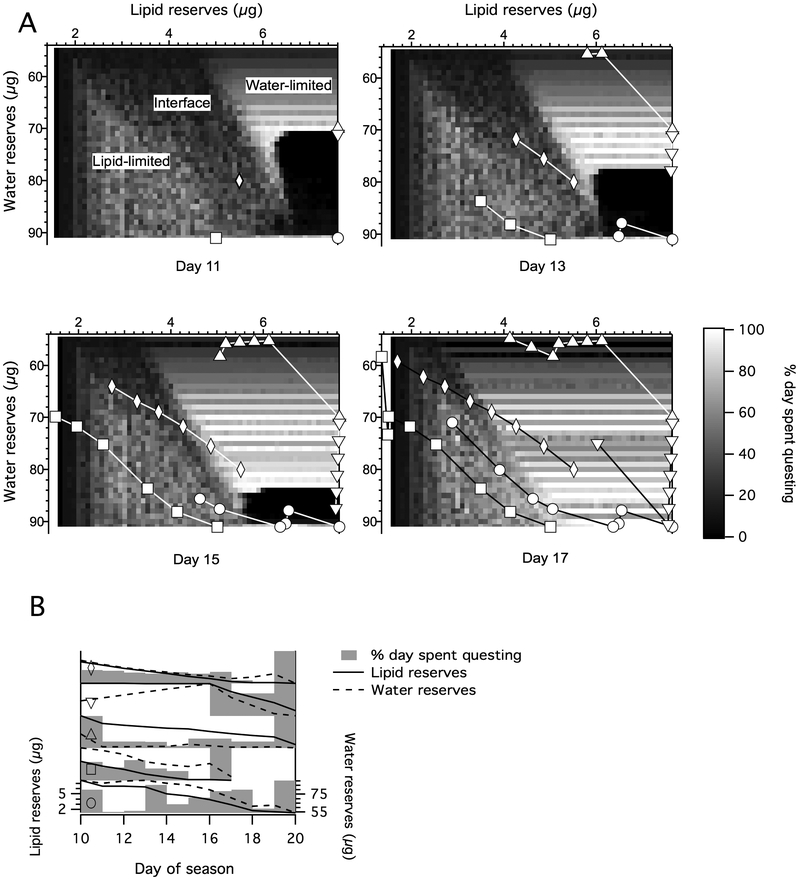
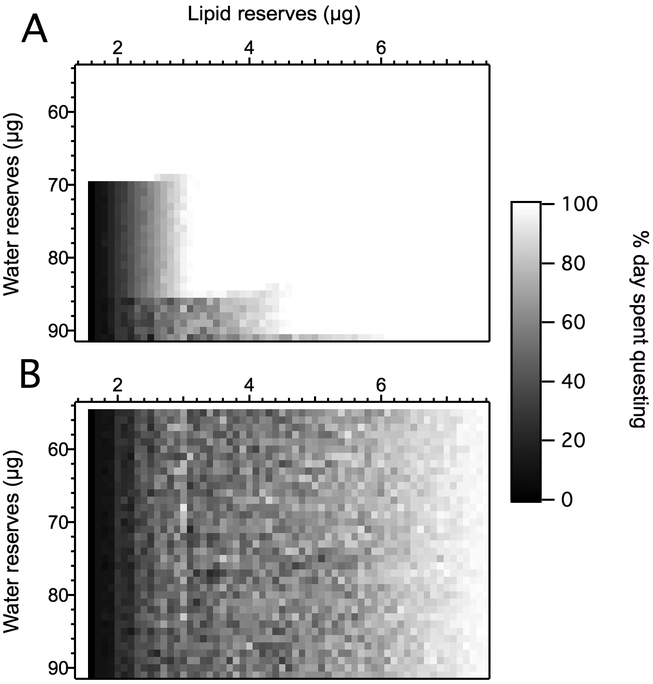
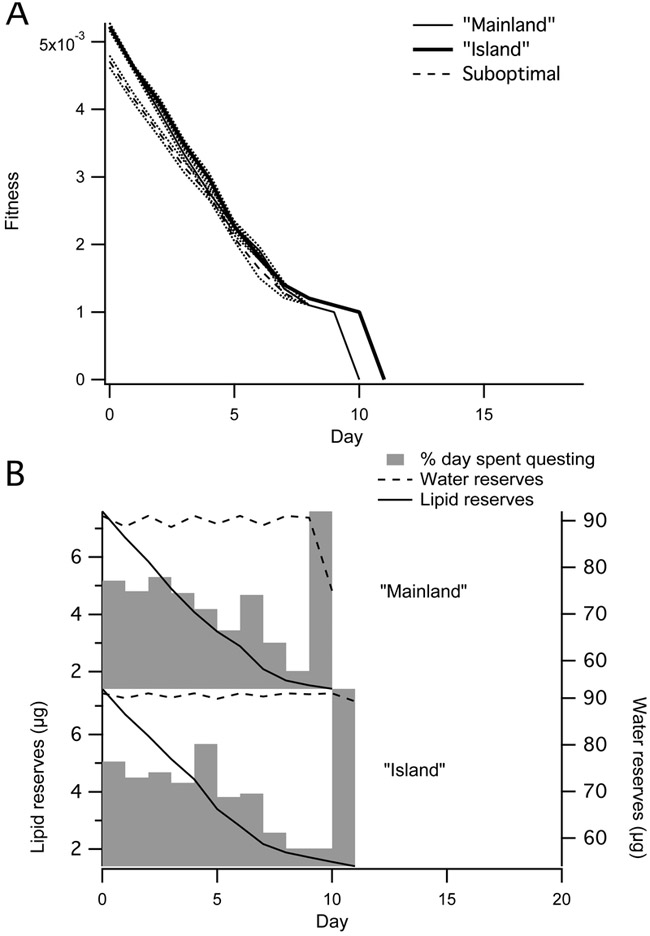
The nymph of the blacklegged tick (Ixodes scapularis), the primary North American vector of the causative agent of Lyme disease, must attach to a host by the end of its questing season in order to feed and subsequently molt into an adult. The proper timing of this behavior is critical both for the tick's survival and for perpetuating the transmission of tick-borne pathogens. Questing also depletes limited nymphal lipid reserves and increases desiccation risk. Given this tradeoff, questing behavior and its environmental influences can be expressed in a dynamic state variable model. We develop what we believe to be the first such model for a tick, and investigate the influence of climate on nymph fitness predictions. We apply these results to the hypothesized inland migration of I. scapularis from island refugia, evaluating fitness under suboptimal questing strategies and uncertain environmental conditions.
黑腿蜱(Ixodes scapularis)的若虫是莱姆病病原体的主要北美传播媒介,它必须在其寻找宿主的季节结束时附着在宿主身上,以便进食并随后蜕皮为成虫。这种行为的适当时间对于蜱的生存和传播蜱传病原体至关重要。寻找宿主也会耗尽有限的若虫脂质储备并增加脱水风险。考虑到这种权衡,寻找宿主行为及其环境影响可以用动态状态变量模型来表示。我们开发了一个我们认为是 tick 的第一个这样的模型,并研究了气候对若虫适应度预测的影响。我们将这些结果应用于假设的黑腿蜱从岛屿避难所向内陆的迁移,评估在次优寻找策略和不确定的环境条件下的适应度。