Program in Neuroscience, Harvard Medical School, Boston, MA, USA; Department of Pediatrics, Lurie Center for Autism, MassGeneral Hospital for Children, Boston, MA, USA; Department of Psychology & Neuroscience, Duke University, Durham, NC, USA; Department of Biology, Hope College, Holland, MI, USA.
Program in Neuroscience, Harvard Medical School, Boston, MA, USA; Department of Pediatrics, Lurie Center for Autism, MassGeneral Hospital for Children, Boston, MA, USA; Department of Psychology & Neuroscience, Duke University, Durham, NC, USA.
Brain Behav Immun. 2019 Feb;76:104-115. doi: 10.1016/j.bbi.2018.11.010. Epub 2018 Nov 15.
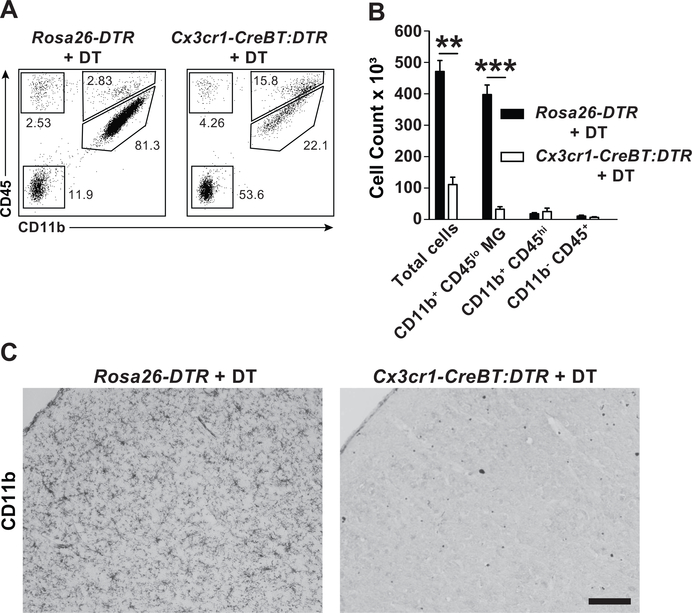
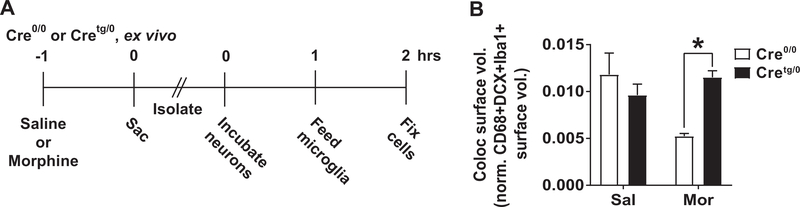
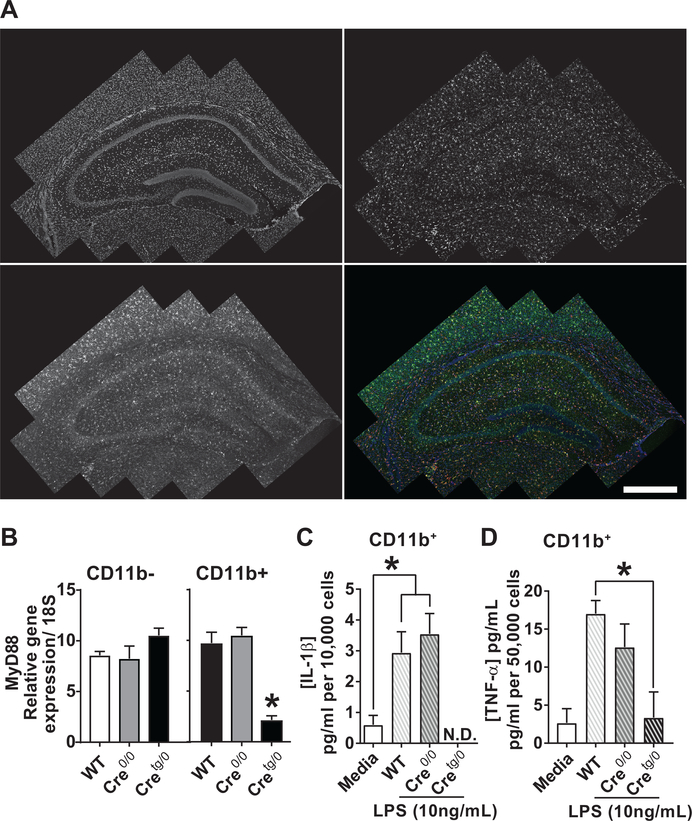
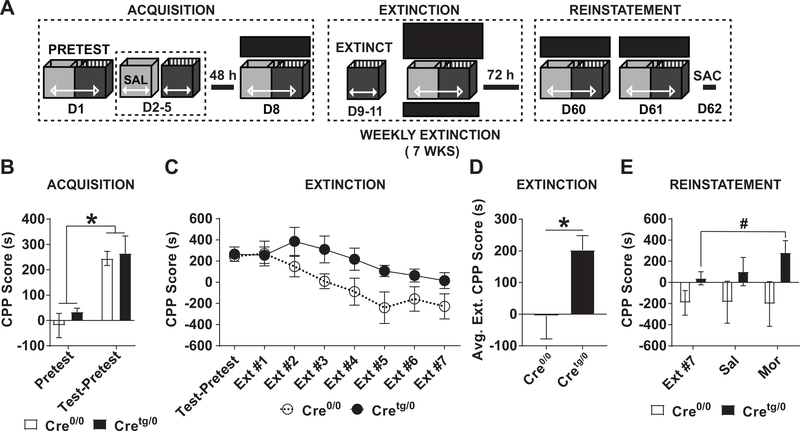
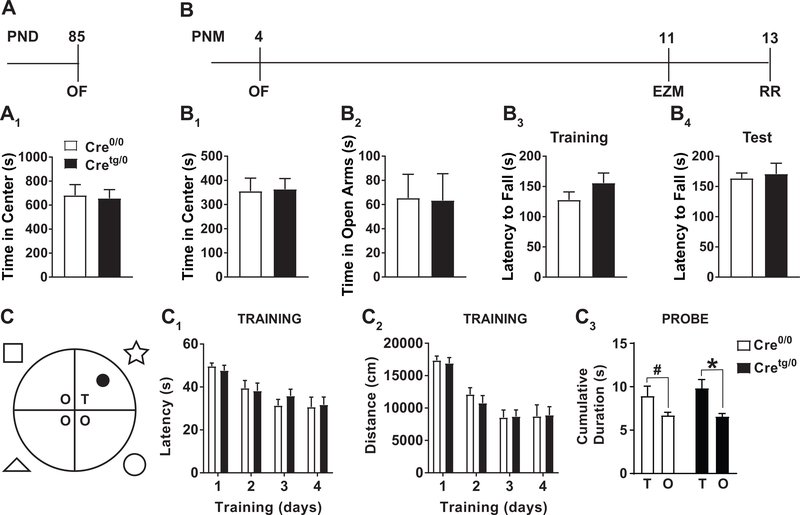
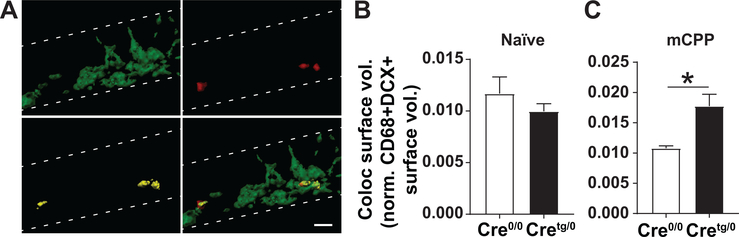
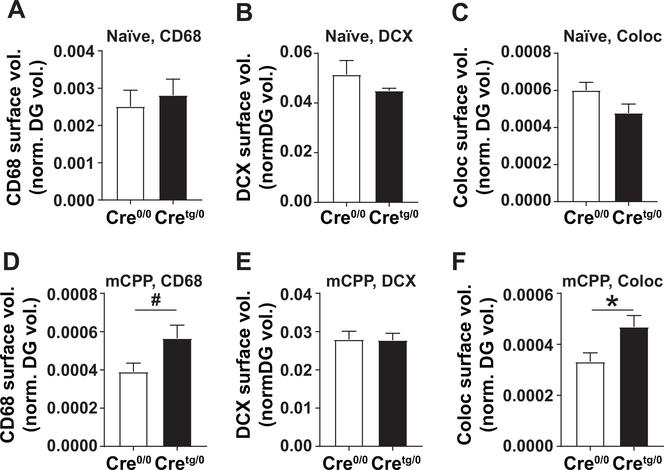
Drugs of abuse promote a potent immune response in central nervous system (CNS) via the activation of microglia and astrocytes. However, the molecular mechanisms underlying microglial activation during addiction are not well known. We developed and functionally characterized a novel transgenic mouse (Cx3cr1-CreBT:MyD88 [Cre]) wherein the immune signaling adaptor gene, MyD88, was specifically deleted in microglia. To test the downstream effects of loss of microglia-specific MyD88 signaling in morphine addiction, Cre and Cre mice were tested for reward learning, extinction, and reinstatement using a conditioned place preference (CPP) paradigm. There were no differences in drug acquisition, but Cre mice had prolonged extinction and enhanced reinstatement compared to Cre controls. Furthermore, morphine-treated Cre mice showed increased doublecortin (DCX) signal relative to Cre control mice in the hippocampus, indicative of increased number of immature neurons. Additionally, there was an increase in colocalization of microglial lysosomal marker CD68 with DCXcells in morphine-treated Cre mice but not in Cre or drug-naїve mice, suggesting a specific role for microglial MyD88 signaling in neuronal phagocytosis in the hippocampus. Our results show that MyD88 deletion in microglia may negatively impact maturing neurons within the adult hippocampus and thus reward memories, suggesting a novel protective role for microglia in opioid addiction.
滥用药物通过激活小胶质细胞和星形胶质细胞在中枢神经系统 (CNS) 中引发强烈的免疫反应。然而,成瘾期间小胶质细胞激活的分子机制尚不清楚。我们开发并功能表征了一种新型转基因小鼠 (Cx3cr1-CreBT:MyD88 [Cre]),其中免疫信号适配器基因 MyD88 特异性缺失于小胶质细胞中。为了测试小胶质细胞特异性 MyD88 信号缺失在吗啡成瘾中的下游效应,使用条件位置偏好 (CPP) 范式测试 Cre 和 Cre 小鼠的奖励学习、消退和复燃。在药物获取方面没有差异,但与 Cre 对照相比,Cre 小鼠的消退时间延长且复燃增强。此外,与 Cre 对照小鼠相比,吗啡处理的 Cre 小鼠的海马体中双皮质素 (DCX) 信号增加,表明未成熟神经元数量增加。此外,在吗啡处理的 Cre 小鼠中,小胶质细胞溶酶体标记物 CD68 与 DCX 细胞的共定位增加,但在 Cre 或未用药小鼠中没有增加,表明小胶质细胞 MyD88 信号在海马体中的神经元吞噬作用中具有特定作用。我们的研究结果表明,小胶质细胞中 MyD88 的缺失可能会对成年海马体中的成熟神经元产生负面影响,从而影响奖励记忆,这表明小胶质细胞在阿片类药物成瘾中具有新的保护作用。