Ferreira Daiane Dias, Mesquita Juliana Tonini, da Costa Silva Thais Alves, Romanelli Maiara Maria, da Gama Jaen Batista Denise, da Silva Cristiane França, da Gama Aline Nefertiti Silva, Neves Bruno Junior, Melo-Filho Cleber Camilo, Correia Soeiro Maria de Nazare, Andrade Carolina Horta, Tempone Andre Gustavo
Instituto Adolfo Lutz, Centre for Parasitology and Mycology, Avenida Dr. Arnaldo 351, 8° andar, sala 9, CEP, São Paulo, SP 01246-000 Brazil.
2Fundação Oswaldo Cruz, Laboratório de Biologia Celular do Instituto Oswaldo Cruz, Av. Brasil, 4365 Manguinhos, CEP, Rio de Janeiro, RJ 21040-360 Brazil.
J Venom Anim Toxins Incl Trop Dis. 2018 Oct 30;24:30. doi: 10.1186/s40409-018-0165-8. eCollection 2018.
Drug repurposing has been an interesting and cost-effective approach, especially for neglected diseases, such as Chagas disease.
In this work, we studied the activity of the antidepressant drug sertraline against trypomastigotes and intracellular amastigotes of the Y and Tulahuen strains, and investigated its action mode using cell biology and in silico approaches.
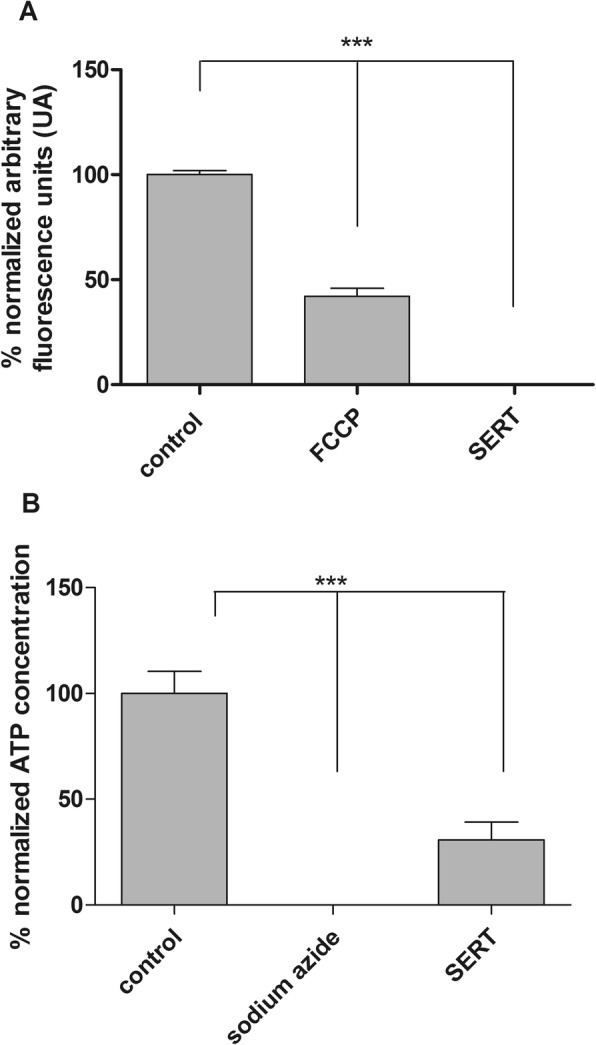
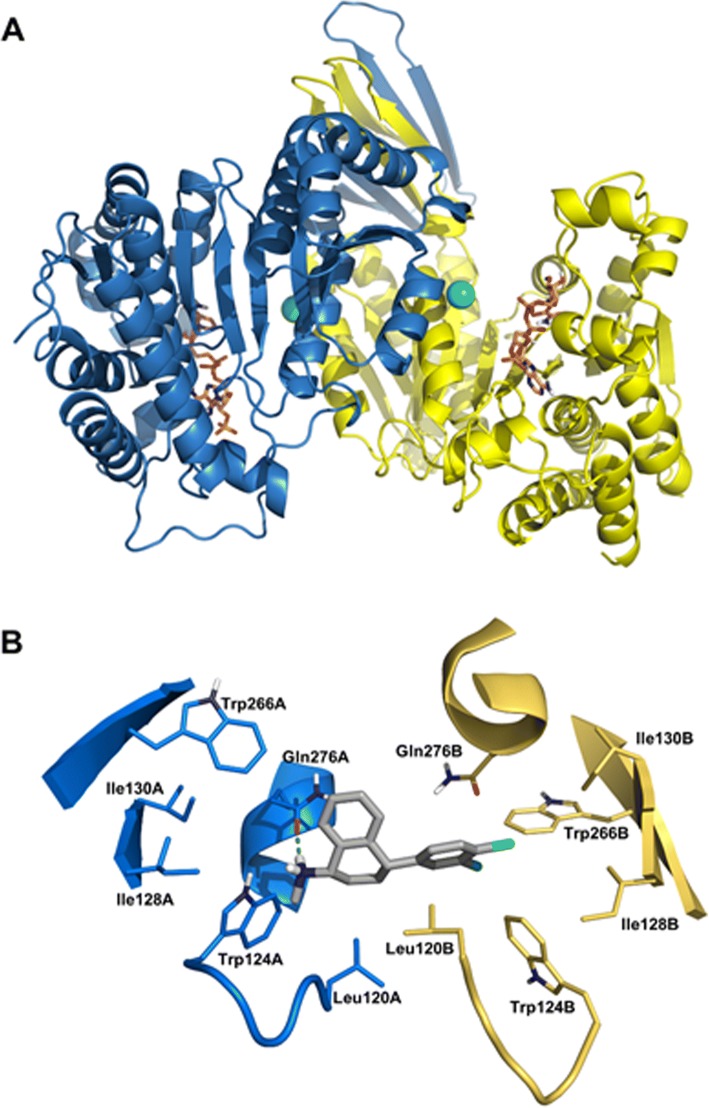
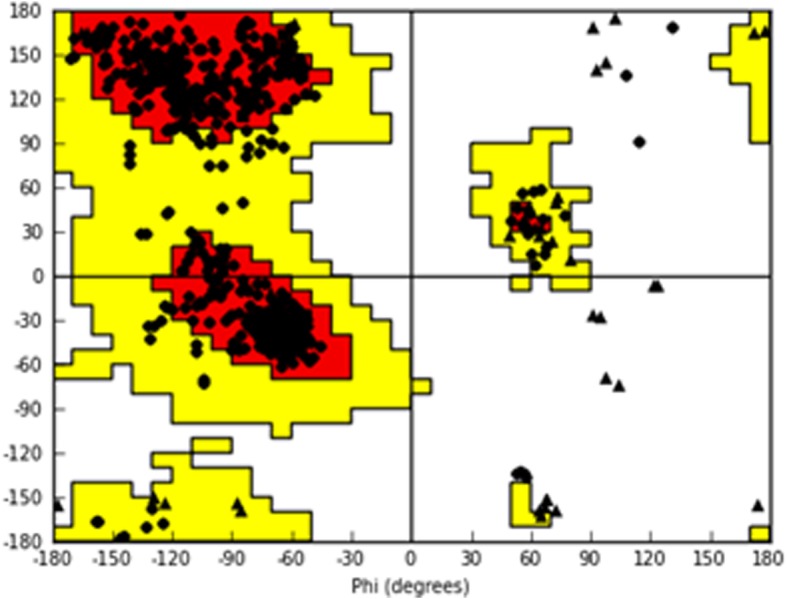
Sertraline demonstrated in vitro efficacy against intracellular amastigotes of both strains inside different host cells, including cardiomyocytes, with IC values between 1 to 10 μM, and activity against bloodstream trypomastigotes, with IC of 14 μM. Considering the mammalian cytotoxicity, the drug resulted in a selectivity index of 17.8. Sertraline induced a change in the mitochondrial integrity of , resulting in a decrease in ATP levels, but not affecting reactive oxygen levels or plasma membrane permeability. In silico approaches using chemogenomic target fishing, homology modeling and molecular docking suggested the enzyme isocitrate dehydrogenase 2 of (IDH2) as a potential target for sertraline.
The present study demonstrated that sertraline had a lethal effect on different forms and strains of , by affecting the bioenergetic metabolism of the parasite. These findings provide a starting point for future experimental assays and may contribute to the development of new compounds.
药物再利用是一种有趣且具有成本效益的方法,尤其对于恰加斯病等被忽视的疾病而言。
在本研究中,我们研究了抗抑郁药物舍曲林对Y株和图拉温株的锥鞭毛体和细胞内无鞭毛体的活性,并使用细胞生物学和计算机方法研究了其作用模式。
舍曲林在体外对包括心肌细胞在内的不同宿主细胞内的两种菌株的细胞内无鞭毛体均有疗效,IC值在1至10μM之间,对血流中的锥鞭毛体也有活性,IC为14μM。考虑到哺乳动物细胞毒性,该药物的选择性指数为17.8。舍曲林诱导线粒体完整性发生变化,导致ATP水平降低,但不影响活性氧水平或质膜通透性。使用化学基因组学靶点筛选、同源建模和分子对接的计算机方法表明,克氏锥虫的异柠檬酸脱氢酶2(IDH2)是舍曲林的潜在靶点。
本研究表明,舍曲林通过影响寄生虫的生物能量代谢,对克氏锥虫的不同形态和菌株具有致死作用。这些发现为未来的实验分析提供了一个起点,并可能有助于新化合物的开发。