SAPPHIRE, Health Sciences, University of Leicester, Leicester, LE1 7RH, UK.
Paediatric Emergency Medicine Leicester Academic (PEMLA) Group, Children's Emergency Department, Leicester Royal Infirmary, Infirmary Square, Leicester, LE1 5WW, UK.
BMC Med. 2018 Nov 21;16(1):213. doi: 10.1186/s12916-018-1212-6.
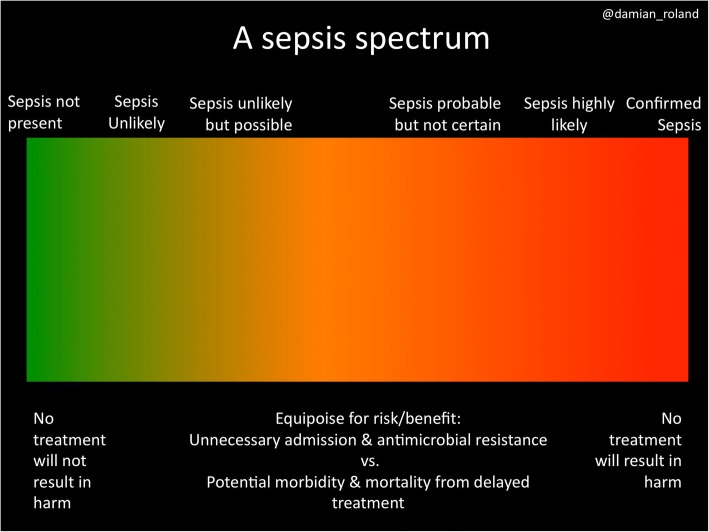
Improving clinical outcomes and quality of care in diseases such as sepsis, which are heterogeneous in their presenting signs and symptoms, is a challenge. One approach is to utilise the Functional Analysis Resonance Method (FRAM), which enables systems to examine process and sociocontextual issues in treatment and management pathways. McNab et al. applied FRAM to group of primary care (family) practices to understand the barriers and enablers in the management of sepsis and determined a suite of possible interventions that might improve patient care. This commentary reviews the FRAM process and highlights some core issues for systems to consider when tackling diseases like sepsis.Please see related article: https://bmcmedicine.biomedcentral.com/articles/10.1186/s12916-018-1164-x.
改善脓毒症等疾病的临床结果和护理质量是一项挑战,这些疾病的临床表现和症状存在异质性。一种方法是利用功能分析共鸣方法(FRAM),该方法使系统能够检查治疗和管理途径中的过程和社会文化问题。McNab 等人将 FRAM 应用于一组初级保健(家庭)实践中,以了解脓毒症管理中的障碍和促成因素,并确定了一系列可能改善患者护理的干预措施。本评论回顾了 FRAM 过程,并强调了系统在处理脓毒症等疾病时需要考虑的一些核心问题。请参阅相关文章:https://bmcmedicine.biomedcentral.com/articles/10.1186/s12916-018-1164-x。