Ding Xiaoyan, Sun Wei, Chen Jinglong
Cancer Center, Beijing Ditan Hospital, Capital Medical University, No 8, Jingshundong Street Chaoyang District, Beijing, 100015 China.
Cancer Cell Int. 2018 Nov 9;18:176. doi: 10.1186/s12935-018-0671-3. eCollection 2018.
Sorafenib is the standard targeted drug used to treat hepatocellular carcinoma (HCC), but the therapeutic response between individuals varies markedly. Recently, cytokine-based immunotherapy has been a topic of intense discussion in the fight against cancer. The aim of this study was to explore whether cytokine IL-2 could augment the anti-tumour effects of sorafenib on HCC.
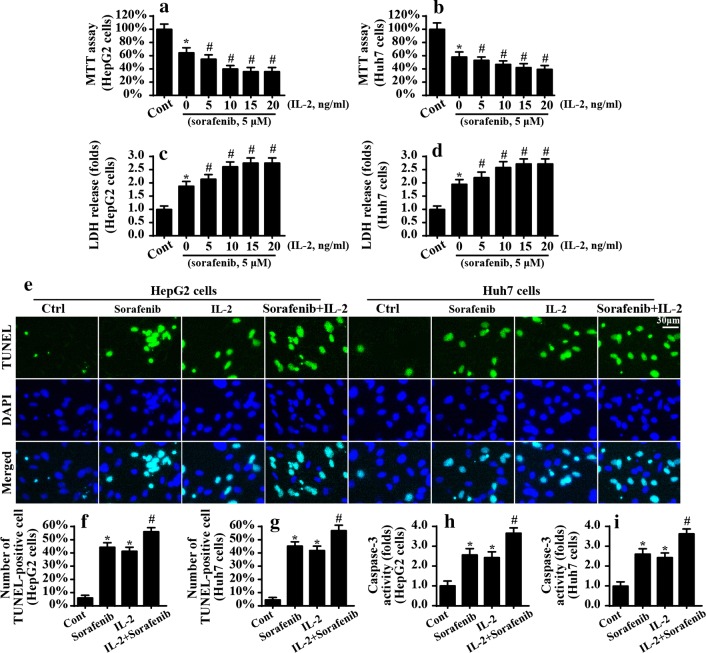
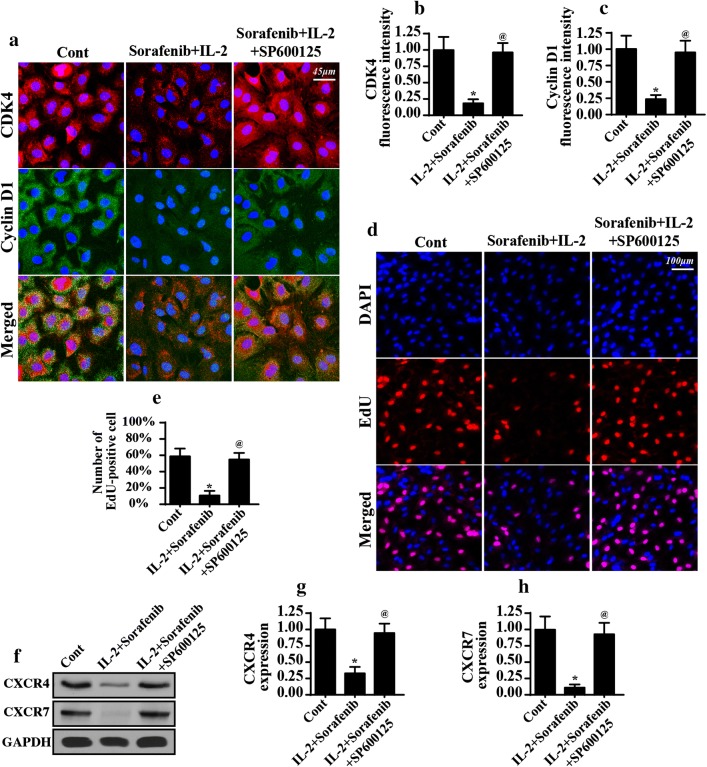
HepG2 and Huh7 cells were co-treated with sorafenib and IL-2 in vitro, and cellular viability and death were analysed through the MTT assay, TUNEL staining, LDH release assay, and western blotting. Mitochondrial function was measured via ELISA, immunofluorescence, and western blotting. Pathway blockers were used to establish the role of the JNK-TAZ pathways in regulating cancer cell phenotypes.
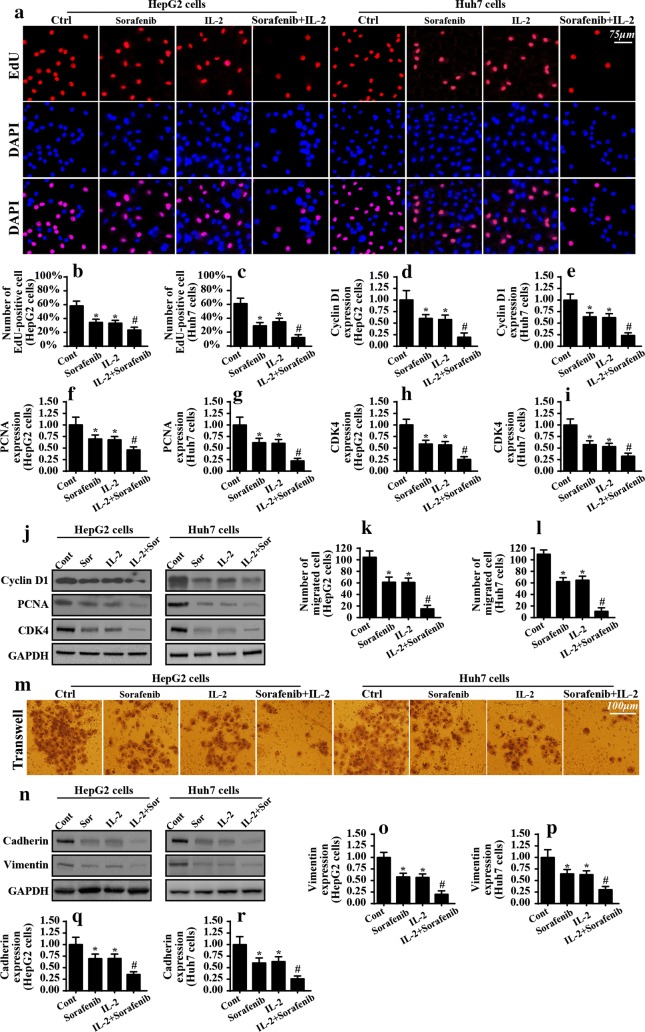
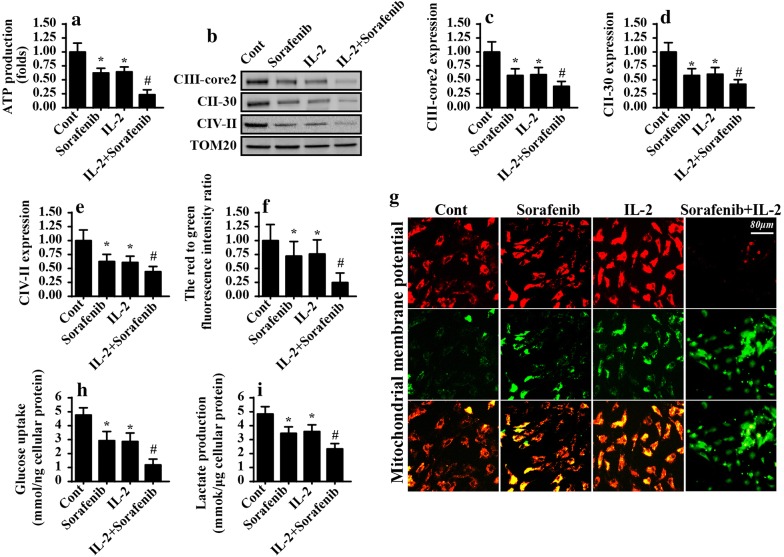
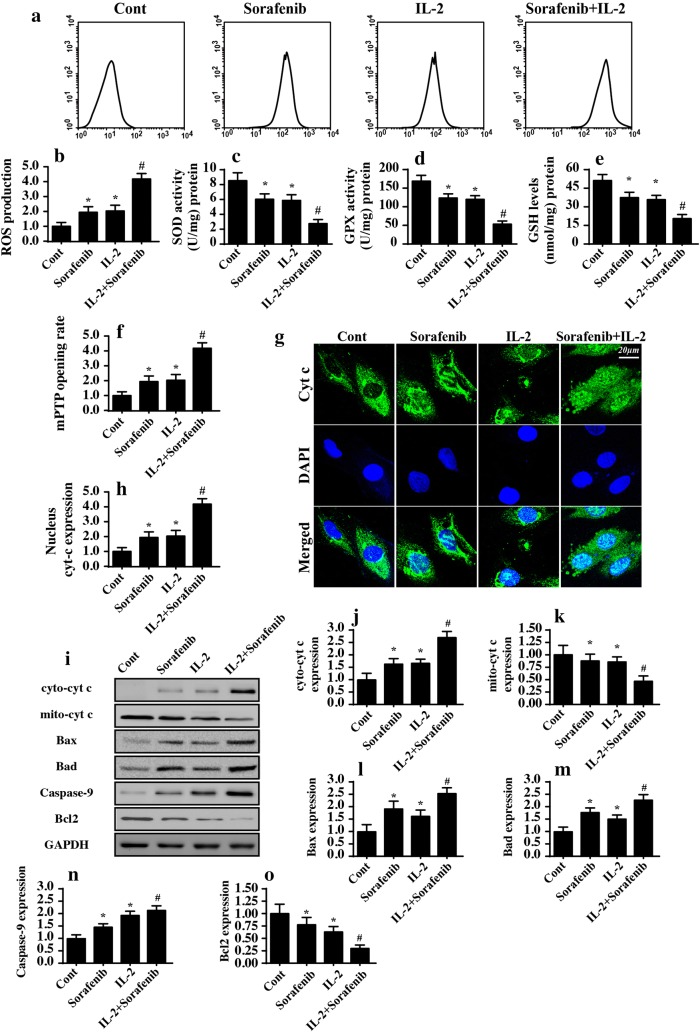
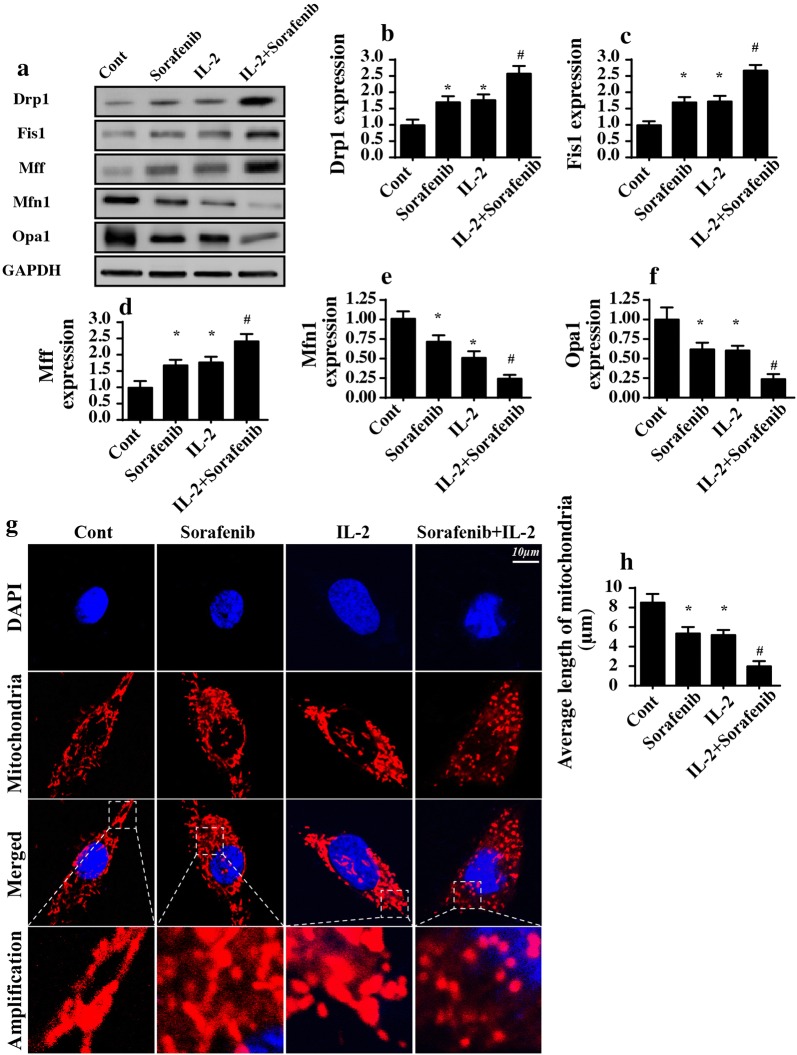
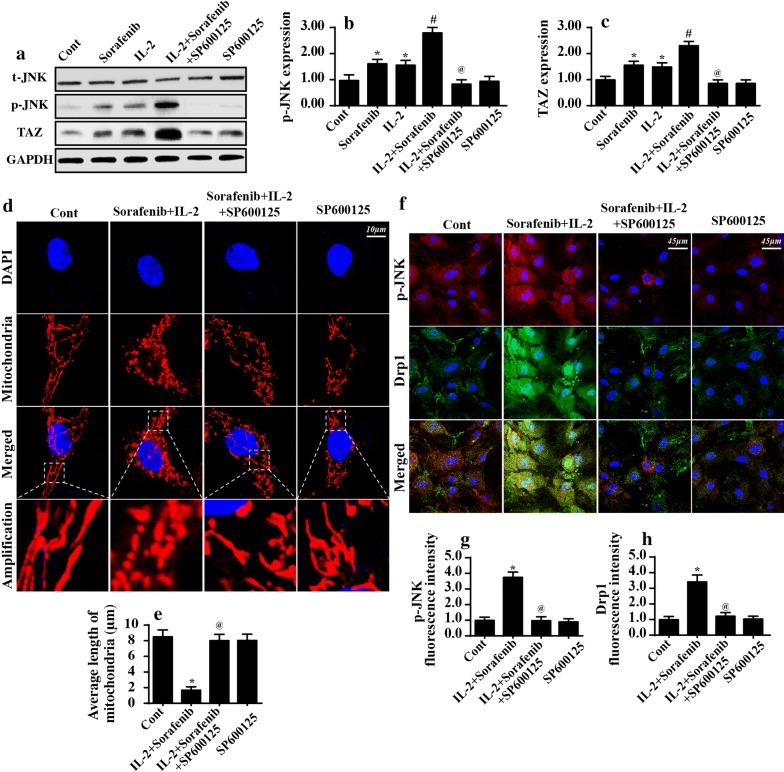
Our data demonstrated that sorafenib treatment increased the HCC apoptotic rate, repressed cell proliferation, and inhibited migratory responses, and these effects were enhanced by IL-2 supplementation. Mechanistically, the combination of IL-2 and sorafenib interrupted mitochondrial energy metabolism by downregulating mitochondrial respiratory proteins. In addition, IL-2 and sorafenib co-treatment promoted mitochondrial dysfunction, as evidenced by the decreased mitochondrial potential, elevated mitochondrial ROS production, increased leakage of mitochondrial pro-apoptotic factors, and activation of the mitochondrial death pathway. A molecular investigation revealed that mitochondrial fission was required for the IL-2/sorafenib-mediated mitochondrial dysfunction. Mitochondrial fission was triggered by sorafenib and was largely amplified by IL-2 supplementation. Finally, we found that IL-2/sorafenib regulated mitochondrial fission via the JNK-TAZ pathways; blockade of the JNK-TAZ pathways abrogated the inhibitory effects of L-2/sorafenib on cancer survival, growth and mobility.
Altogether, these data strongly suggest that additional supplementation with IL-2 enhances the anti-tumour activity of sorafenib by promoting the JNK-TAZ-mitochondrial fission axis. This finding will pave the way for new treatment modalities to control HCC progression by optimizing sorafenib-based therapy.
索拉非尼是用于治疗肝细胞癌(HCC)的标准靶向药物,但个体之间的治疗反应差异显著。最近,基于细胞因子的免疫疗法在抗癌斗争中一直是激烈讨论的话题。本研究的目的是探讨细胞因子白细胞介素-2(IL-2)是否能增强索拉非尼对HCC的抗肿瘤作用。
在体外将索拉非尼和IL-2共同处理HepG2和Huh7细胞,通过MTT法、TUNEL染色、乳酸脱氢酶(LDH)释放测定法和蛋白质印迹法分析细胞活力和死亡情况。通过酶联免疫吸附测定(ELISA)、免疫荧光和蛋白质印迹法测量线粒体功能。使用通路阻滞剂来确定JNK-TAZ通路在调节癌细胞表型中的作用。
我们的数据表明,索拉非尼治疗可提高HCC凋亡率、抑制细胞增殖并抑制迁移反应,补充IL-2可增强这些作用。机制上,IL-2和索拉非尼的联合通过下调线粒体呼吸蛋白中断线粒体能量代谢。此外,IL-2和索拉非尼联合治疗促进线粒体功能障碍,线粒体电位降低、线粒体活性氧(ROS)产生增加、线粒体促凋亡因子泄漏增加以及线粒体死亡通路激活均证明了这一点。分子研究表明,线粒体分裂是IL-2/索拉非尼介导的线粒体功能障碍所必需的。线粒体分裂由索拉非尼触发,并在很大程度上因补充IL-2而放大。最后,我们发现IL-2/索拉非尼通过JNK-TAZ通路调节线粒体分裂;阻断JNK-TAZ通路可消除IL-2/索拉非尼对癌细胞存活、生长和迁移的抑制作用。
总之,这些数据强烈表明额外补充IL-2通过促进JNK-TAZ-线粒体分裂轴增强索拉非尼的抗肿瘤活性。这一发现将为通过优化基于索拉非尼的治疗来控制HCC进展的新治疗模式铺平道路。