Liu Yingqiu, Liu Tianyi, Ding Kevin, Liu Zengyuan, Li Yuanyuan, He Taotao, Zhang Weimin, Fan Yunpeng, Ma Wuren, Cui Li, Song Xiaoping
Laboratory of Traditional Chinese Veterinary Medicine, College of Veterinary Medicine, Northwest A&F University, Yangling, China.
Department of Neurosurgery, The First Hospital of Jilin University, Changchun, China.
Front Pharmacol. 2018 Nov 6;9:1293. doi: 10.3389/fphar.2018.01293. eCollection 2018.
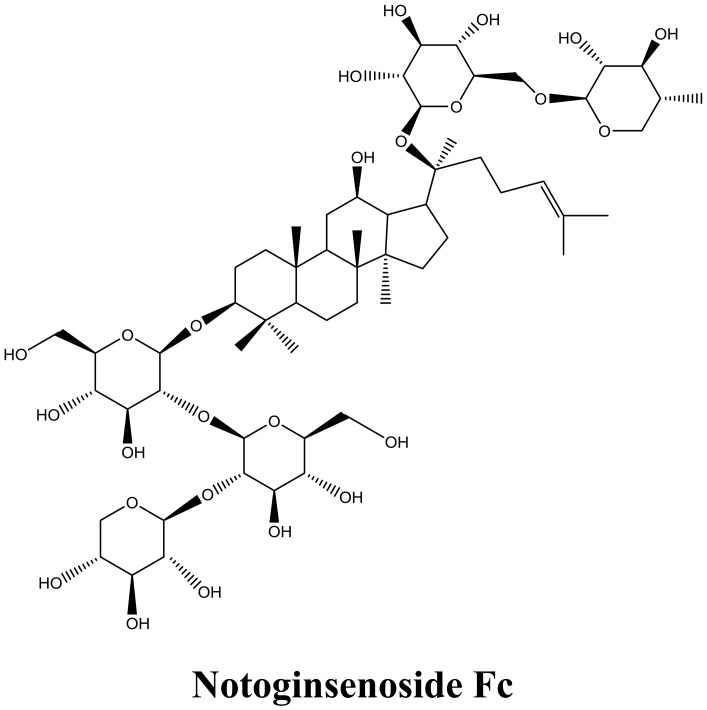
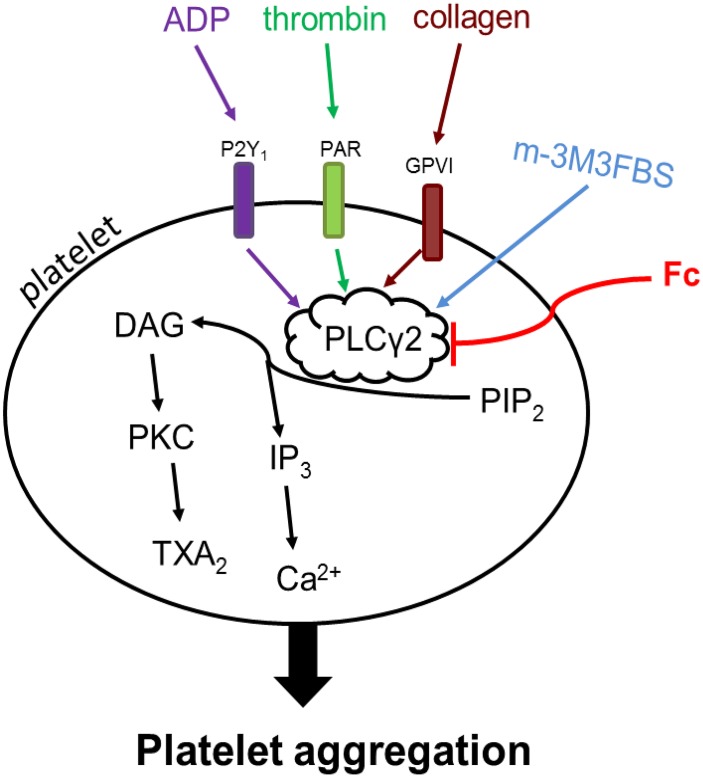
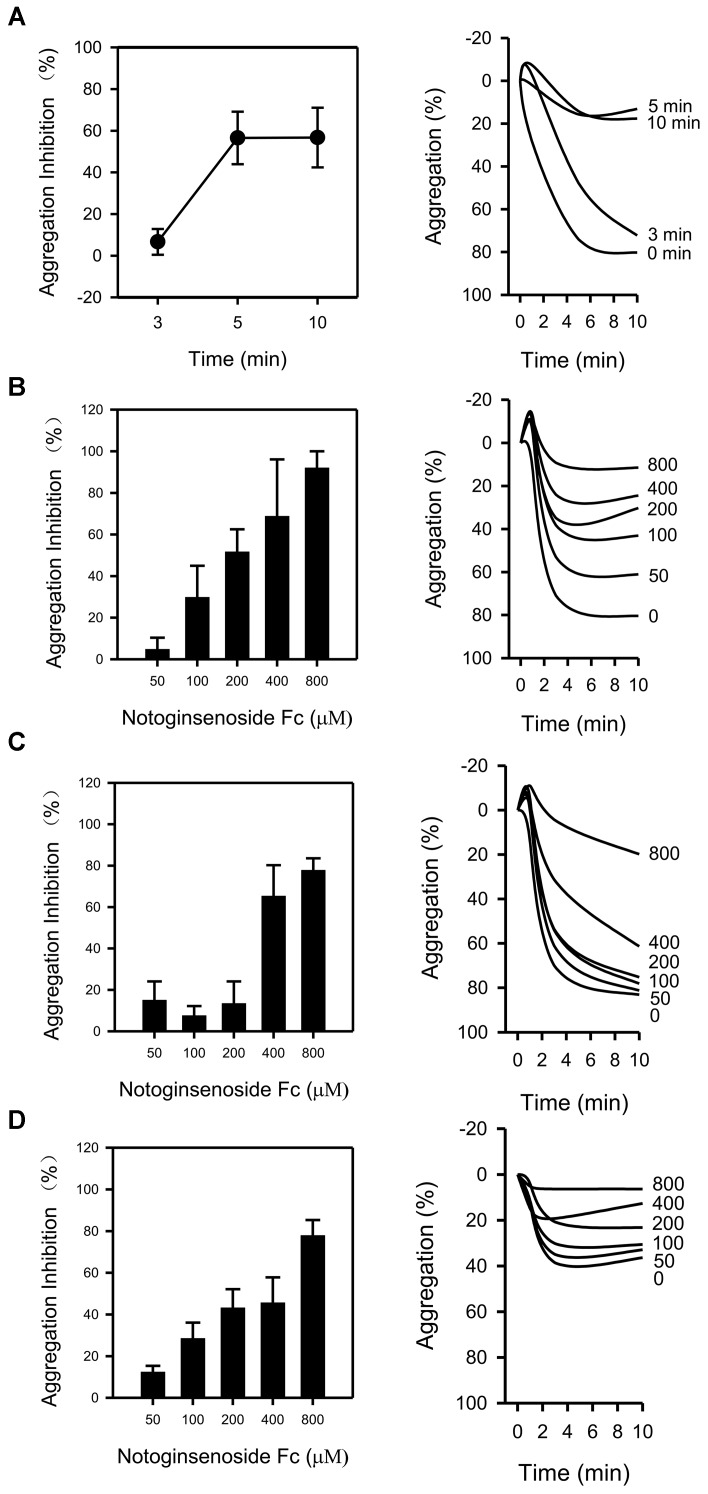
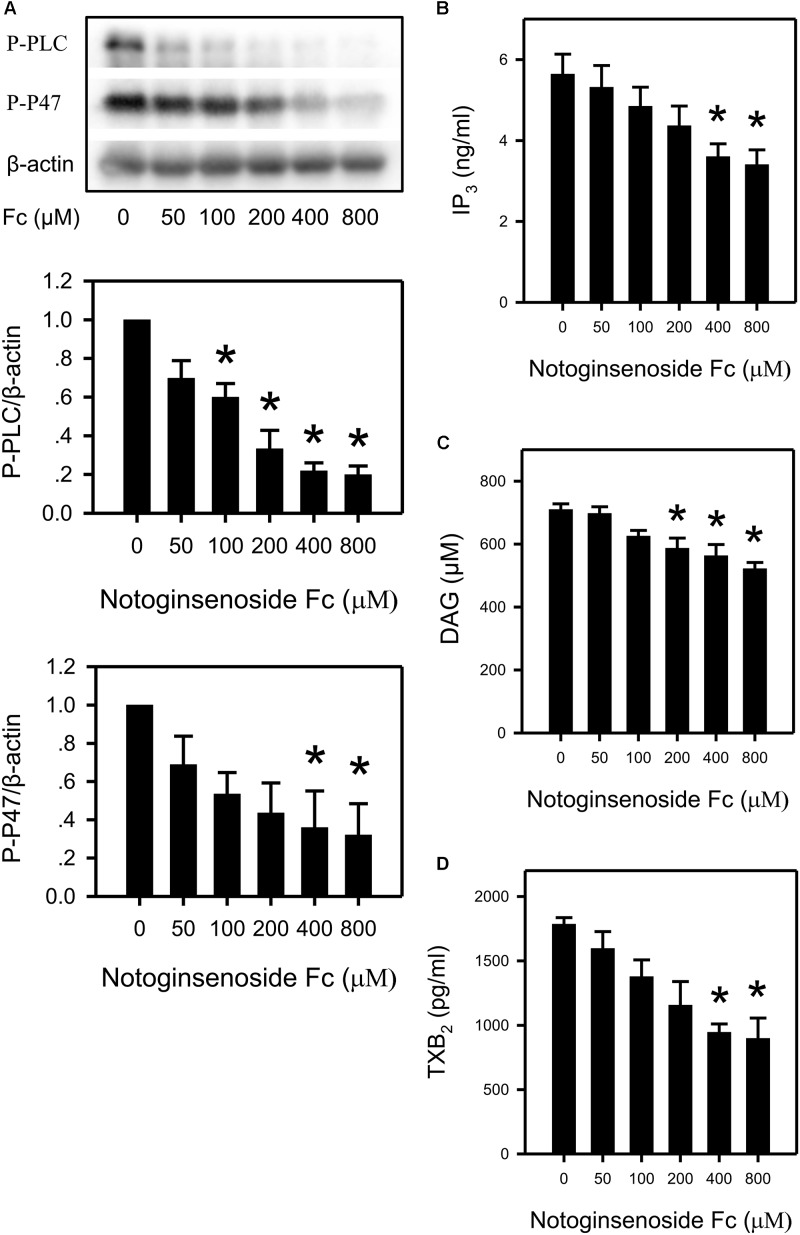
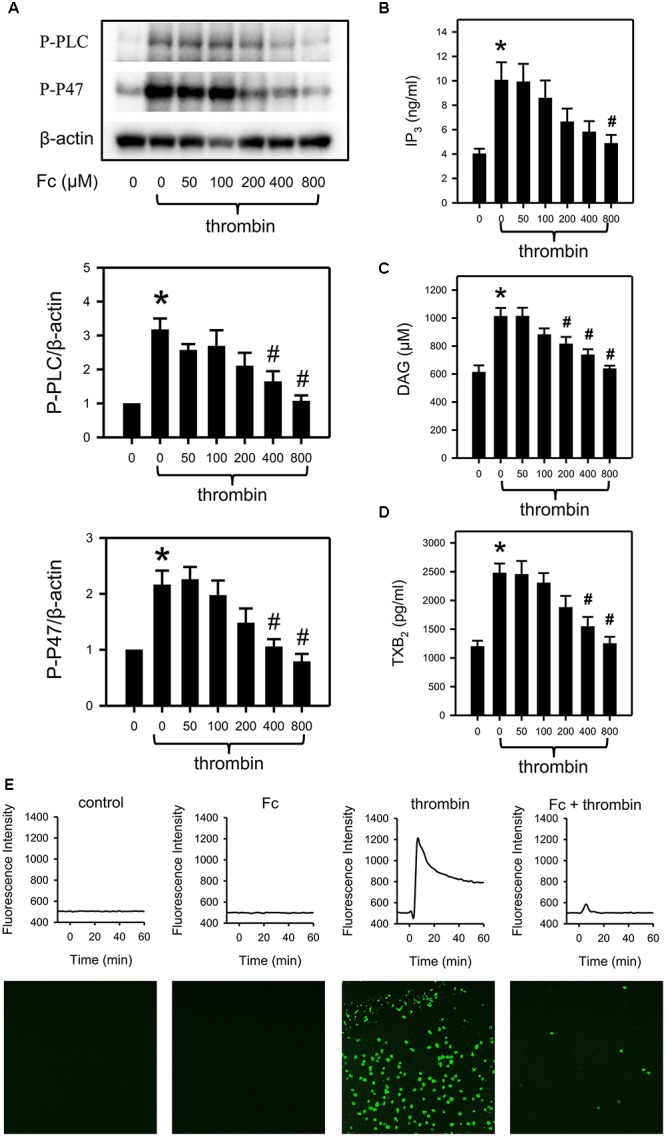
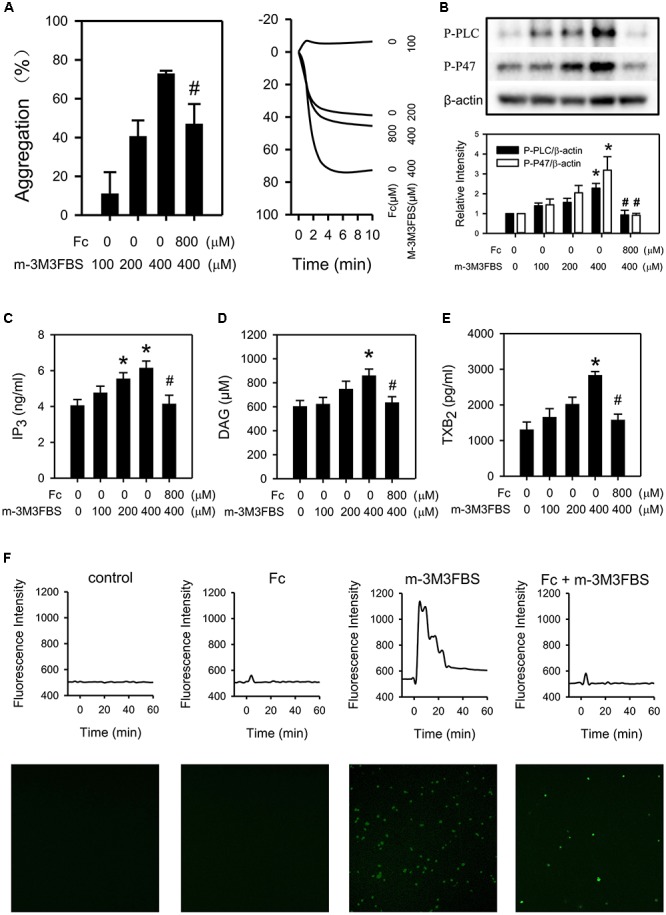
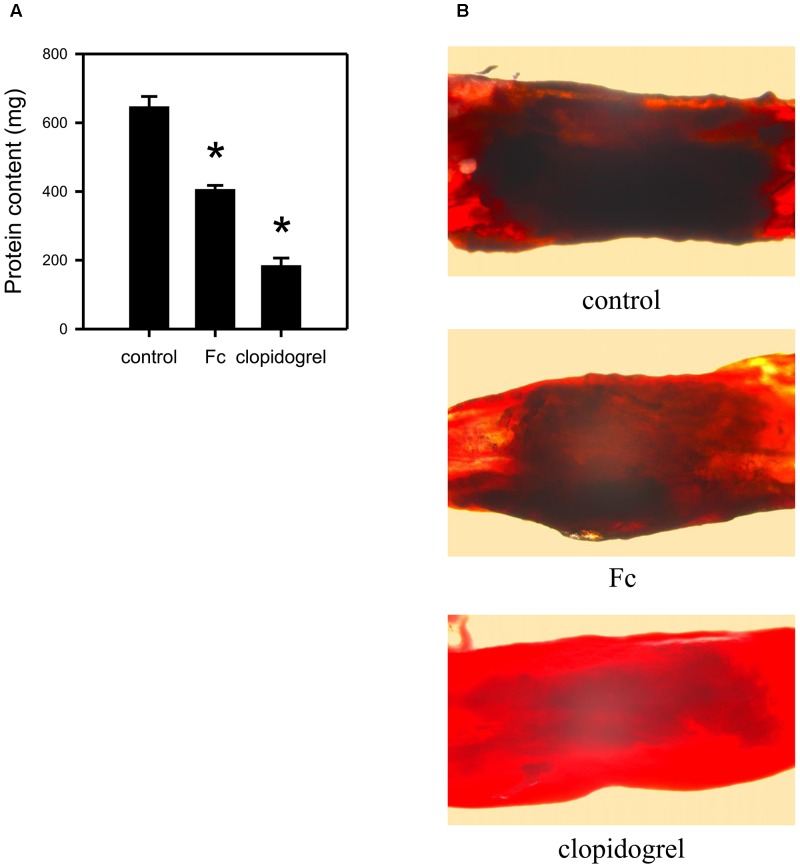
Bleeding, the main drawback of clinically used chemical anti-thrombotic drug is resulted from the unidirectional suppression of platelet activity. Therefore, dual-directional regulatory effect on platelet is the main preponderance of over these drugs. The dual-directional regulatory effect should be ascribed to the resourceful saponins (PNS). Clarifying the mechanism of main PNS in both inhibiting and promoting platelet aggregation will give a full outlook for the dual-directional regulatory effect. The present study is aimed at explaining the mechanism of Notoginsenoside Fc (Fc), a main PNS, in inhibiting platelet aggregation. In the study, after incubating platelets with Fc and m-3M3FBS, platelet aggregation was triggered by thrombin, collagen or ADP. Platelet aggregation was measured by aggregometer. Phospholipase Cγ2 (PLCγ2) and protein kinase C (PKC) activities were studied by western blotting. Diacylglycerol (DAG), thromboxane B (TXB) and 1,4,5-inositol trisphosphate (IP) concentrations were measured by corresponding ELISA kits. Calcium concentrations ([Ca]) were estimated through the fluorescence intensity emitted from Fluo-4. In the study, thrombus model was induced by FeCl. The effect of Fc on thrombosis was evaluated by measurement of protein content and observation of injured blood vessel. thrombin, collagen and ADP induced platelet aggregation were all suppressed by incubating platelets with Fc. Platelet PLCγ2 and subsequent DAG-PKC-TXA and IP were down-regulated by Fc as well. However, the basal [Ca] in platelet was not altered by Fc. Nevertheless, thrombin triggered activation of PLCγ2 and subsequent DAG-PKC-TXA and IP-[Ca] were all abolished by Fc. Fc also attenuated platelet aggregation and PLCγ2 signaling activation induced by PLC activator, m-3M3FBS. In the study, FeCl induced thrombosis in rat femoral artery was significantly alleviated by administration of Fc. The results above suggested the antiplatelet and antithrombotic effects of Fc are carried out through oppression of PLCγ2 and subsequent DAG-PKC-TXA and IP-[Ca]. The present study provided theoretical support for new anti-thrombotic drug exploitation by .
出血是临床使用的化学抗血栓药物的主要缺点,这是由于其对血小板活性的单向抑制所致。因此,对血小板的双向调节作用是其相对于这些药物的主要优势。这种双向调节作用应归因于其丰富的皂苷(三七总皂苷,PNS)。阐明主要PNS在抑制和促进血小板聚集方面的机制,将全面了解其双向调节作用。本研究旨在解释主要PNS之一的三七皂苷Fc(Fc)抑制血小板聚集的机制。在该研究中,用Fc和间-3M3FBS孵育血小板后,用凝血酶、胶原蛋白或ADP触发血小板聚集。用血小板聚集仪测量血小板聚集。通过蛋白质印迹法研究磷脂酶Cγ2(PLCγ2)和蛋白激酶C(PKC)的活性。用相应的酶联免疫吸附测定试剂盒测量二酰甘油(DAG)、血栓素B(TXB)和1,4,5-三磷酸肌醇(IP)的浓度。通过Fluo-4发出的荧光强度估计钙浓度([Ca])。在该研究中,用FeCl诱导血栓形成模型。通过测量蛋白质含量和观察受损血管来评估Fc对血栓形成的影响。用Fc孵育血小板可抑制凝血酶、胶原蛋白和ADP诱导的血小板聚集。Fc还下调了血小板PLCγ2以及随后的DAG-PKC-TXA和IP。然而,Fc未改变血小板中的基础[Ca]。尽管如此,Fc消除了凝血酶触发的PLCγ2激活以及随后的DAG-PKC-TXA和IP-[Ca]。Fc还减弱了由PLC激活剂间-3M3FBS诱导的血小板聚集和PLCγ2信号激活。在该研究中,给予Fc可显著减轻FeCl诱导的大鼠股动脉血栓形成。上述结果表明,Fc的抗血小板和抗血栓作用是通过抑制PLCγ2以及随后的DAG-PKC-TXA和IP-[Ca]来实现的。本研究为三七总皂苷开发新型抗血栓药物提供了理论支持。