Department of Cell and Molecular Biology, Biomedical Center, Uppsala University, Uppsala, Sweden.
Front Immunol. 2018 Oct 16;9:2387. doi: 10.3389/fimmu.2018.02387. eCollection 2018.
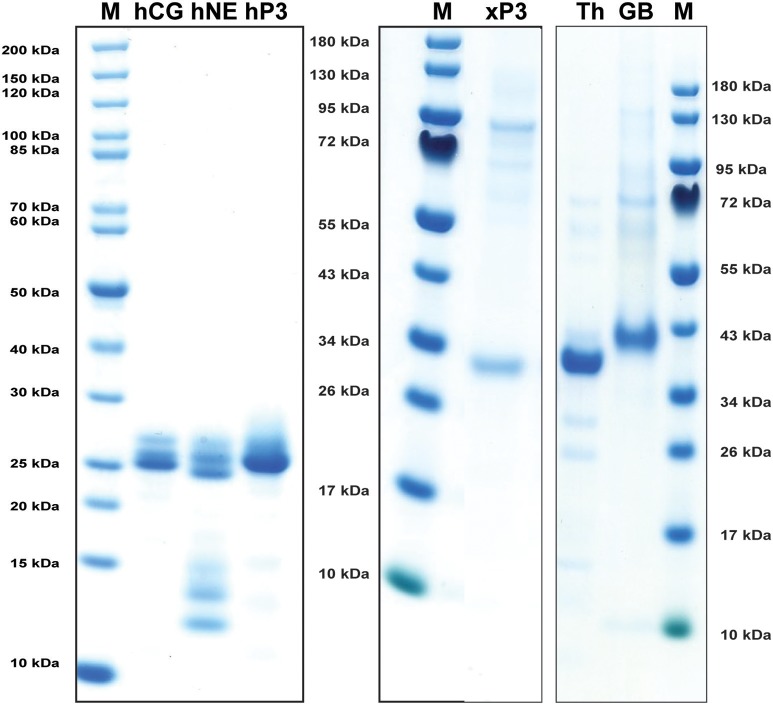
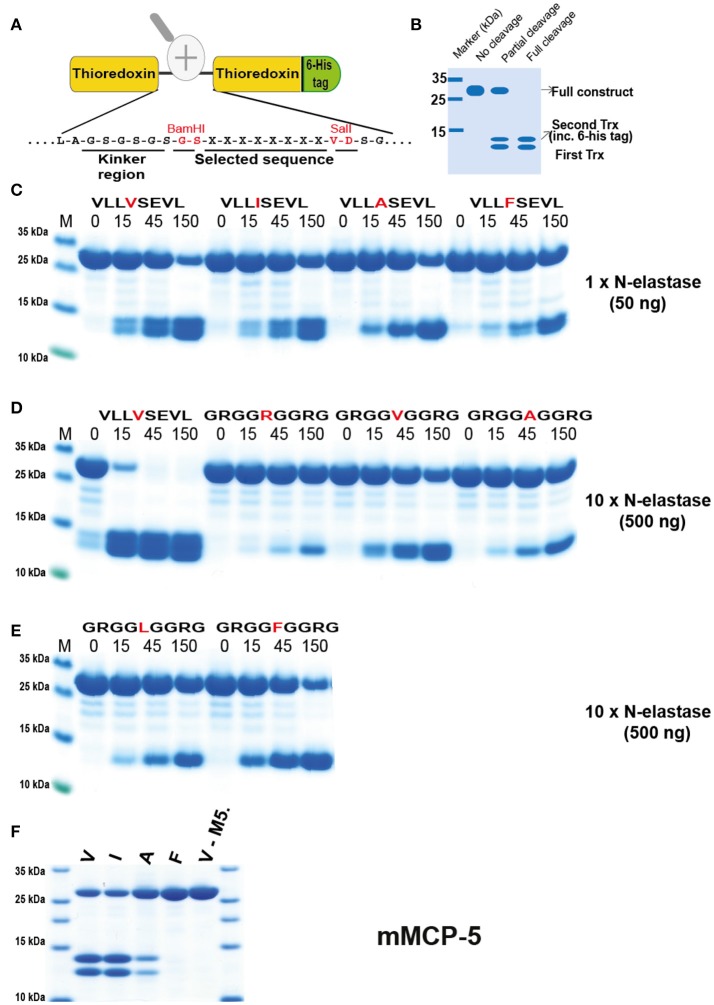
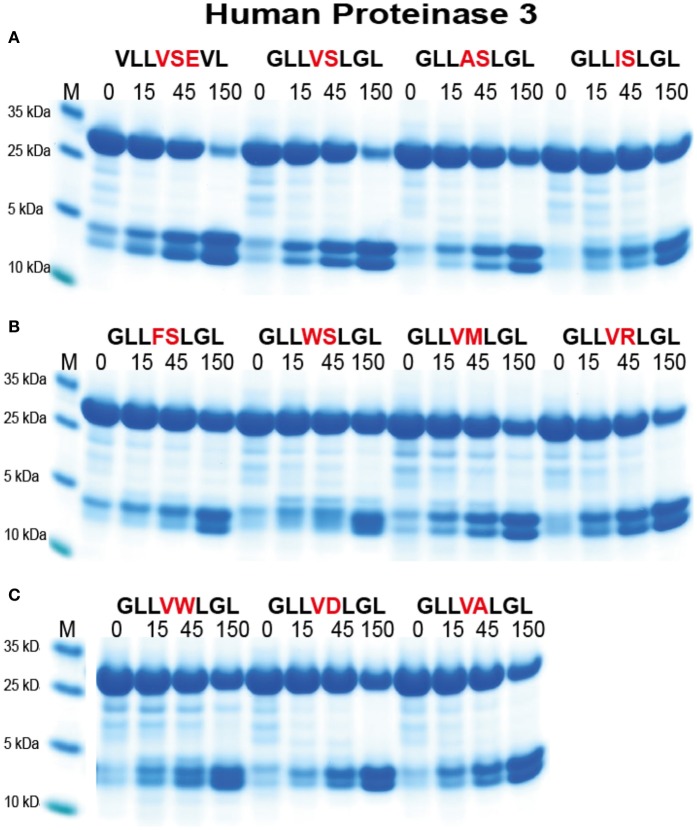
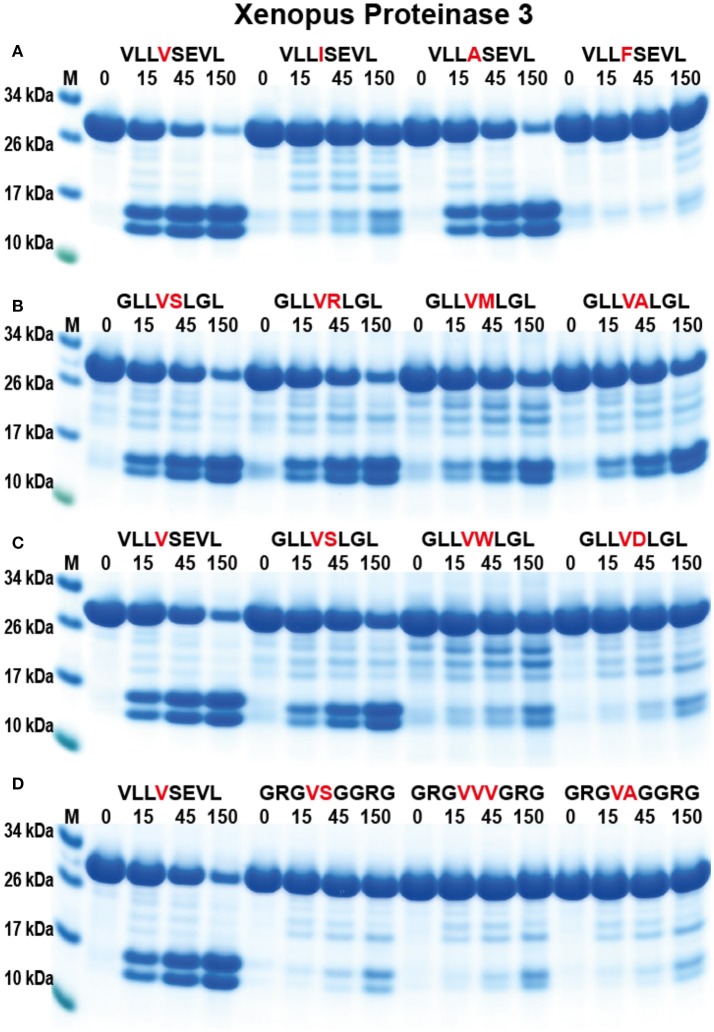
Serine proteases are major granule constituents of several of the human hematopoietic cell lineages. Four proteolytically active such proteases have been identified in human neutrophils: cathepsin G (hCG), N-elastase (hNE), proteinase 3 (hPR-3), and neutrophil serine protease 4 (hNSP-4). Here we present the extended cleavage specificity of two of the most potent and most abundant of these enzymes, hNE and hPR-3. Their extended specificities were determined by phage display and by the analysis of a panel of chromogenic and recombinant substrates. hNE is an elastase with a relatively broad specificity showing a preference for regions containing several aliphatic amino acids. The protease shows self-cleaving activity, which results in the loss of activity during storage even at +4°C. Here we also present the extended cleavage specificity of hPR-3. Compared with hNE, it shows considerably lower proteolytic activity. However, it is very stable, shows no self-cleaving activity and is actually more active in the presence of SDS, possibly by enhancing the accessibility of the target substrate. This enables specific analysis of hPR-3 activity even in the presence of all the other neutrophil enzymes with addition of 1% SDS. Neutrophils are the most abundant white blood cell in humans and one of the key players in our innate immune defense. The neutrophil serine proteases are very important for the function of the neutrophils and therefore also interesting from an evolutionary perspective. In order to study the origin and functional conservation of these neutrophil proteases we have identified and cloned an amphibian ortholog, PR-3 (xPR-3). This enzyme was found to have a specificity very similar to hPR-3 but did not show the high stability in the presence of SDS. The presence of an elastase in closely related to hPR-3 indicates a relatively early appearance of these enzymes during vertebrate evolution.
丝氨酸蛋白酶是几种人类造血细胞谱系的主要颗粒成分。已经在人类中性粒细胞中鉴定出四种具有蛋白水解活性的此类蛋白酶:组织蛋白酶 G(hCG)、N-弹性蛋白酶(hNE)、蛋白酶 3(hPR-3)和中性粒细胞丝氨酸蛋白酶 4(hNSP-4)。在这里,我们介绍了其中两种最有效和最丰富的酶,hNE 和 hPR-3 的扩展切割特异性。通过噬菌体展示和对一系列显色和重组底物的分析确定了它们的扩展特异性。hNE 是一种弹性蛋白酶,具有相对广泛的特异性,表现出对含有几个脂肪族氨基酸的区域的偏好。该蛋白酶具有自我切割活性,即使在 +4°C 下储存也会导致活性丧失。在这里,我们还介绍了 hPR-3 的扩展切割特异性。与 hNE 相比,它的蛋白水解活性要低得多。然而,它非常稳定,没有自我切割活性,实际上在 SDS 存在下更活跃,可能通过增强靶底物的可及性来提高其活性。这使得即使在添加 1% SDS 的情况下,也可以特异性分析 hPR-3 的活性。中性粒细胞是人类中最丰富的白细胞之一,也是我们先天免疫防御的关键参与者之一。中性粒细胞丝氨酸蛋白酶对中性粒细胞的功能非常重要,因此从进化的角度来看也很有趣。为了研究这些中性粒细胞蛋白酶的起源和功能保守性,我们已经鉴定并克隆了一种两栖动物同源物 PR-3(xPR-3)。发现该酶的特异性非常类似于 hPR-3,但在 SDS 存在下没有表现出高稳定性。与 hPR-3 密切相关的弹性蛋白酶的存在表明这些酶在脊椎动物进化过程中出现得相对较早。