Department of Orthodontics and Pediatric Dentistry, School of Dentistry, University of Sao Paulo, Sao Paulo, Sao Paulo, Brazil.
Graduation Program, School of Dentistry, Ibirapuera University, Sao Paulo, Sao Paulo, Brazil.
PLoS One. 2018 Nov 21;13(11):e0206296. doi: 10.1371/journal.pone.0206296. eCollection 2018.
A systematic quantitative evaluation of the available evidence of the treatment for caries lesions in primary teeth that considers how different caries progressions lead to the need for distinct interventions might provide additional useful information for clinical evidence-based decision making. The aim of this systematic review and network meta-analysis was to verify the effect of the treatments on caries lesion arrestment (CLA) or the success rate (SR) of dentin caries lesion treatments in the primary teeth.
A search was conducted using the MEDLINE/PubMed, Web of Science and Scopus databases through December 2017. The primary search terms used in combination were primary teeth, caries lesion and restoration. The grey literature was also screened, as were the reference lists of eligible studies. A search of prospective studies with at least 12 months of follow up that compared different techniques was performed. The exclusion criteria were the absence of a comparison group; no evaluation of different restorative techniques; the evaluation of other outcomes unrelated to this review; and the recruitment of specific patient. The risk of bias was evaluated by the tools: the Cochrane Handbook for Systematic Reviews of Interventions and ROBINS-I. A network meta-analyses and meta-analyses were conducted considering CLA or SR as outcomes according to the surface involved and the depth of progression.
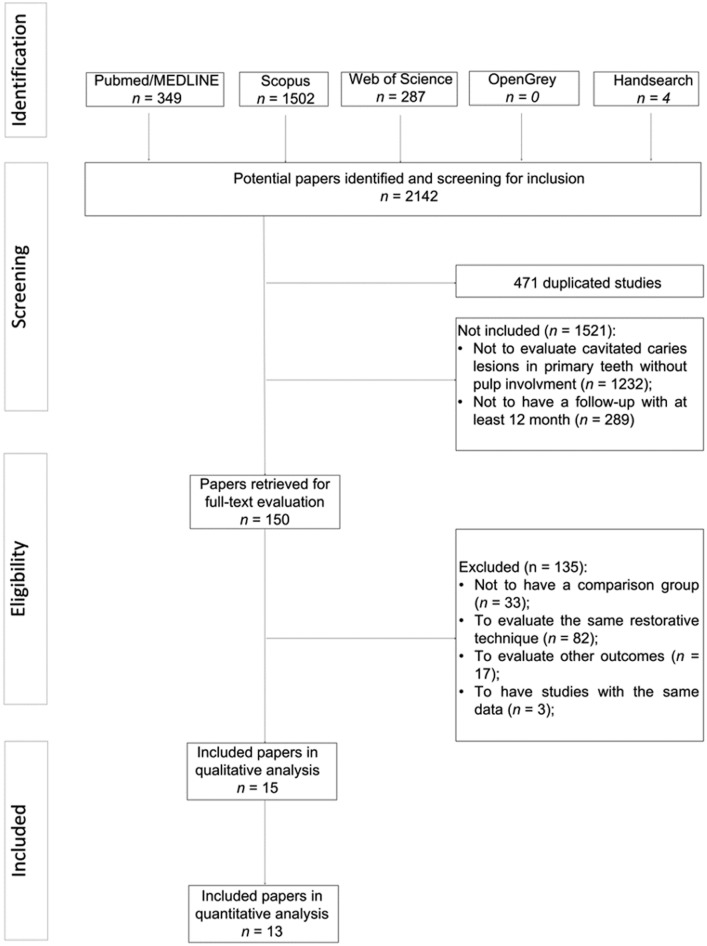
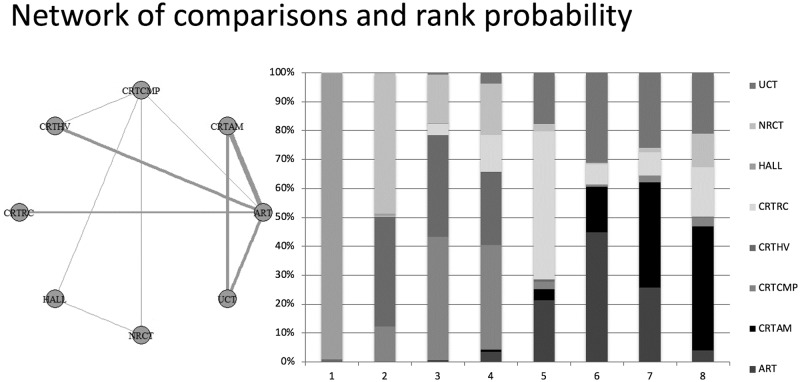
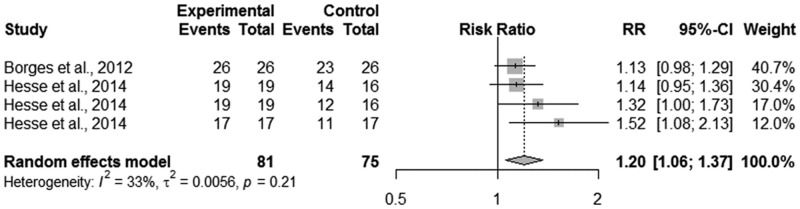
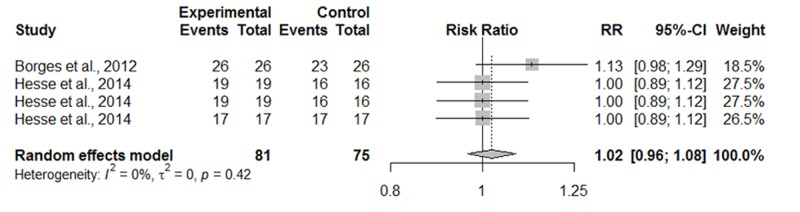
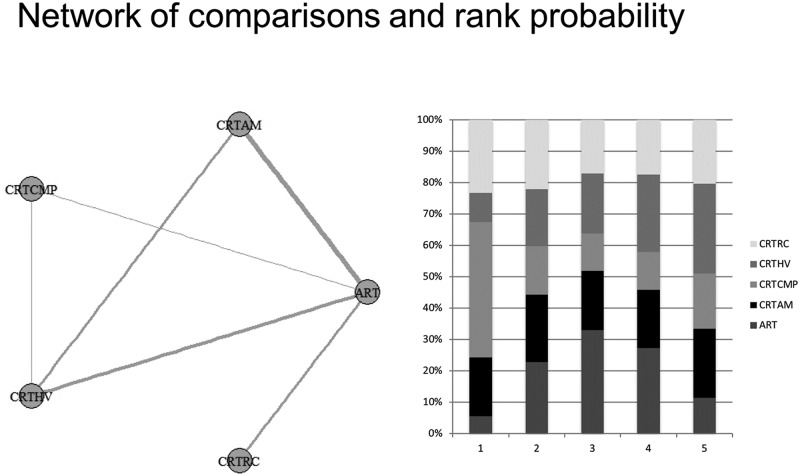
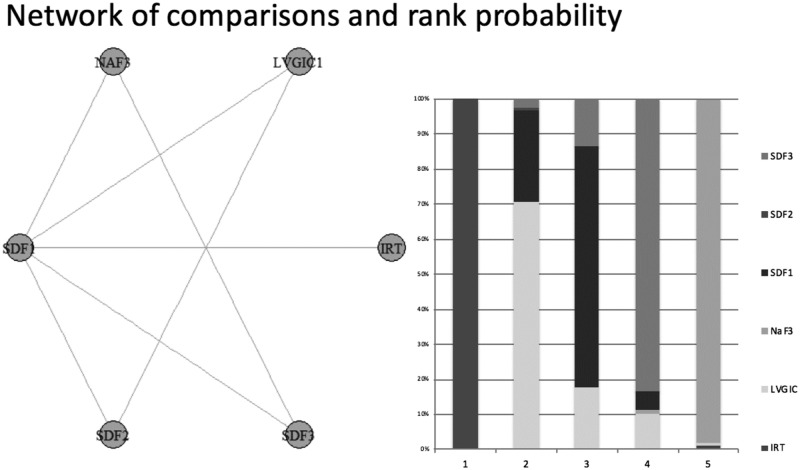
Of the 1671 potentially eligible studies, 15 were included. For occlusal surfaces, only two studies presented data regarding the outer half of the dentin, with conventional restorative treatment (CRT) using composite resin showing superior results; five studies presented data regarding the depth of caries lesions, and CRT with compomer resulted in the best results. Seven studies considered occlusoproximal surfaces, and the Hall technique showed the best SR among the evaluated treatments. Finally, two annual applications of silver diamine fluoride showed the best nonrestorative approach to arrest caries lesions on occlusal and smooth surfaces.
DISCUSSION/CONCLUSIONS: The treatments for dentin caries lesions in primary teeth depend on the depth of progression and the surface involved. However, few of the included studies provided evidence to strongly recommend the best treatment option.
Funding: FAPESP; Systematic review registration number-PROSPERO CRD42016037784.
对原发性龋齿病变治疗的现有证据进行系统的定量评估,考虑不同龋齿进展如何导致不同干预措施的需求,可能为临床循证决策提供更多有用信息。本系统评价和网络荟萃分析的目的是验证治疗对龋齿病变静止(CLA)或牙本质龋齿病变治疗成功率(SR)的影响。
通过 MEDLINE/PubMed、Web of Science 和 Scopus 数据库检索,检索截至 2017 年 12 月的文献。主要检索词包括乳牙、龋齿病变和修复。还对灰色文献和合格研究的参考文献进行了筛选。对至少 12 个月随访的比较不同技术的前瞻性研究进行了检索。排除标准为:无对照组;不评价不同修复技术;评价与本综述无关的其他结果;招募特定患者。采用 Cochrane 系统评价干预措施手册和 ROBINS-I 工具评估偏倚风险。根据涉及的表面和进展深度,对 CLA 或 SR 作为结局进行网络荟萃分析和荟萃分析。
在 1671 项潜在合格研究中,有 15 项研究被纳入。对于咬合面,只有两项研究提供了关于牙本质外层的数据,复合树脂常规修复治疗(CRT)显示出更好的结果;五项研究提供了关于龋齿病变深度的数据,使用复合体的 CRT 效果最佳。七项研究考虑了近中-远中面,评价的治疗方法中 Hall 技术的 SR 最好。最后,两次每年应用银氨溶液显示出在咬合面和光滑面控制龋齿病变的最佳非修复方法。
讨论/结论:原发性牙齿牙本质龋齿病变的治疗取决于进展深度和涉及的表面。然而,纳入的研究很少提供强有力的证据来推荐最佳治疗方案。
资金来源:FAPESP;系统评价注册编号-PROSPERO CRD42016037784。