• 文献检索
  • 文档翻译
  • 深度研究
  • 学术资讯
  • Suppr Zotero 插件Zotero 插件
  • 邀请有礼
  • 套餐&价格
  • 历史记录
应用&插件
Suppr Zotero 插件Zotero 插件浏览器插件Mac 客户端Windows 客户端微信小程序
定价
高级版会员购买积分包购买API积分包
服务
文献检索文档翻译深度研究API 文档MCP 服务
关于我们
关于 Suppr公司介绍联系我们用户协议隐私条款
关注我们

Suppr 超能文献

核心技术专利:CN118964589B侵权必究
粤ICP备2023148730 号-1Suppr @ 2026

文献检索

告别复杂PubMed语法,用中文像聊天一样搜索,搜遍4000万医学文献。AI智能推荐,让科研检索更轻松。

立即免费搜索

文件翻译

保留排版,准确专业,支持PDF/Word/PPT等文件格式,支持 12+语言互译。

免费翻译文档

深度研究

AI帮你快速写综述,25分钟生成高质量综述,智能提取关键信息,辅助科研写作。

立即免费体验

腰果科芒柄花属植物的果实形态与解剖学

Fruit Morphology and Anatomy of the Spondioid Anacardiaceae.

作者信息

Herrera Fabiany, Mitchell John D, Pell Susan K, Collinson Margaret E, Daly Douglas C, Manchester Steven R

机构信息

1Chicago Botanic Garden, Glencoe, IL USA.

2Institute of Systematic Botany, The New York Botanical Garden, Bronx, NY USA.

出版信息

Bot Rev. 2018;84(4):315-393. doi: 10.1007/s12229-018-9201-1. Epub 2018 Aug 3.

DOI:10.1007/s12229-018-9201-1
PMID:30464355
原文链接:https://pmc.ncbi.nlm.nih.gov/articles/PMC6223893/
Abstract

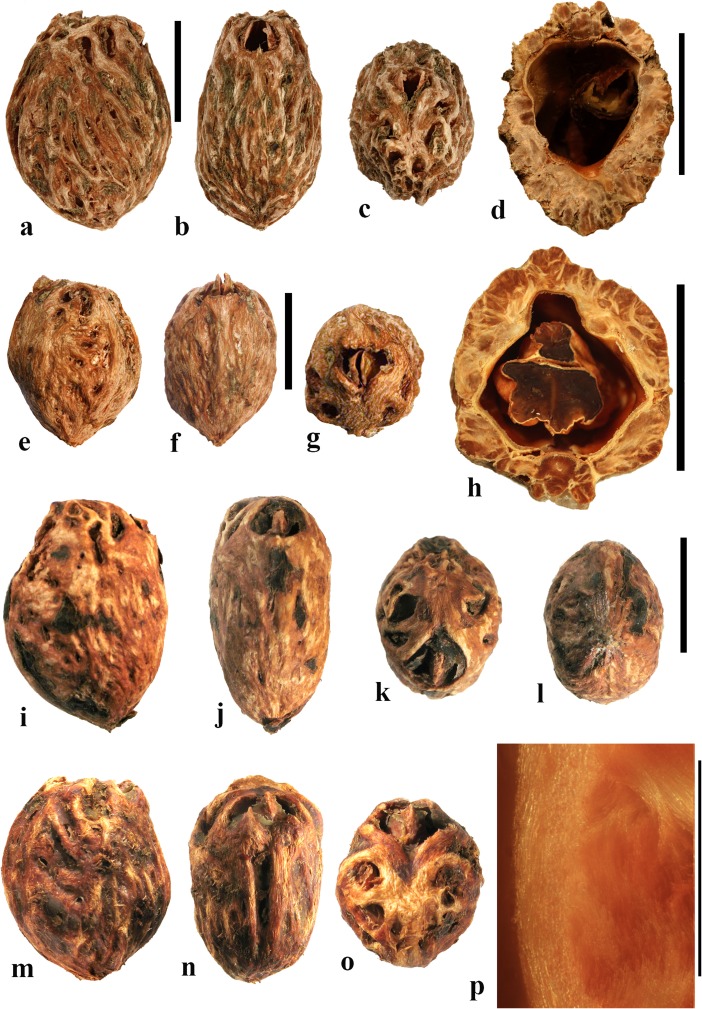
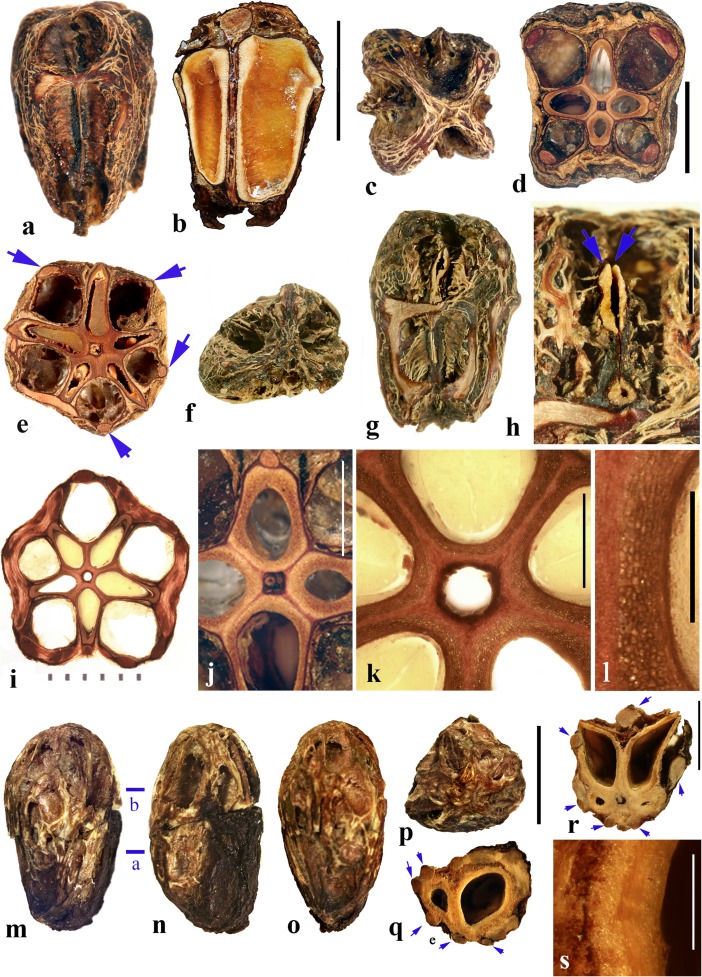
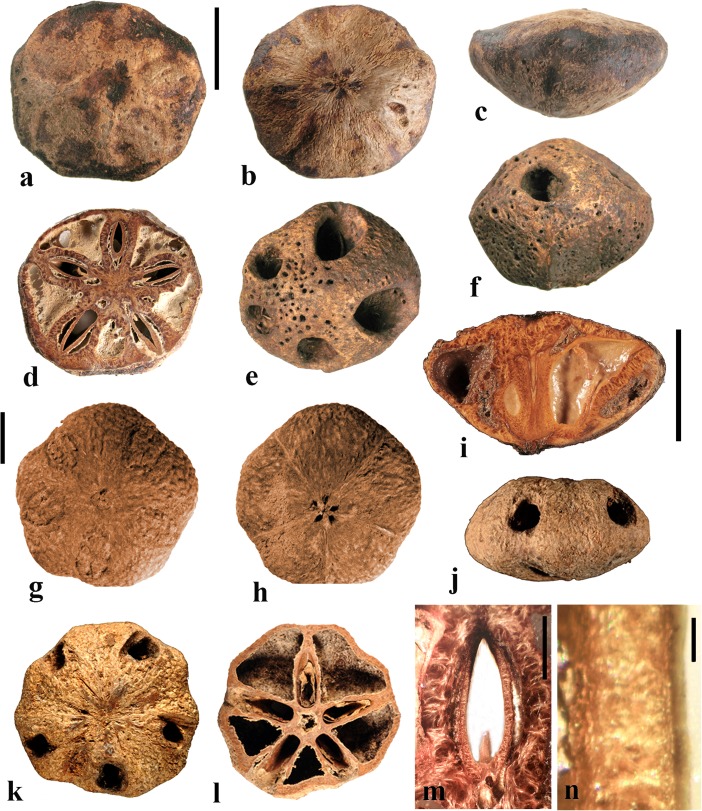
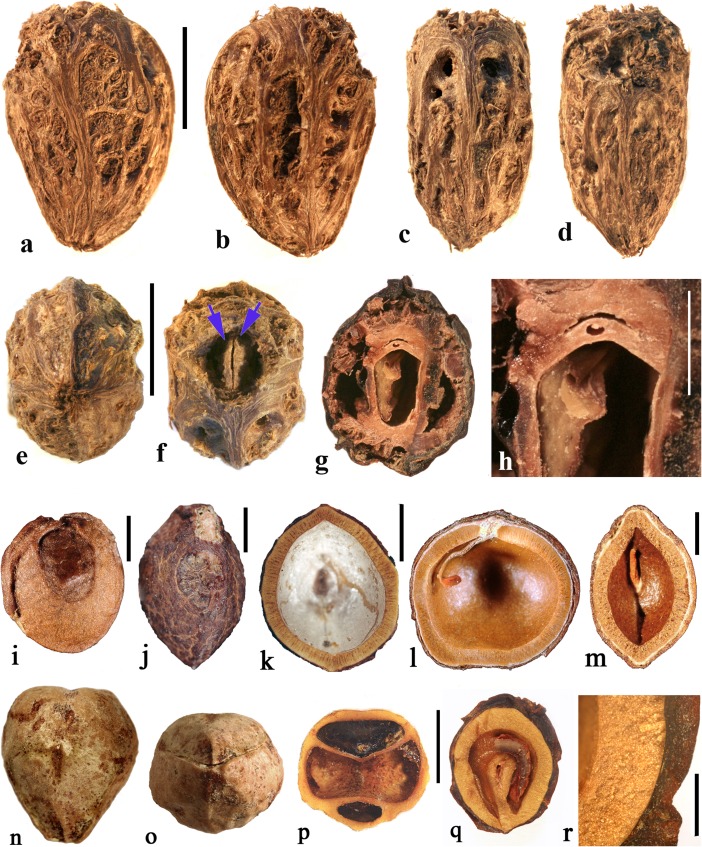
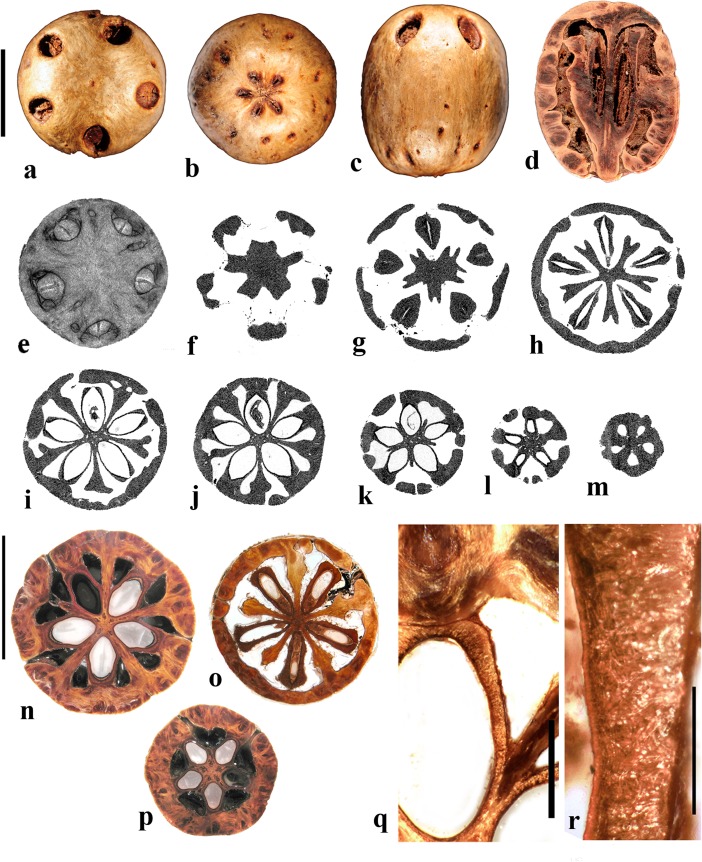
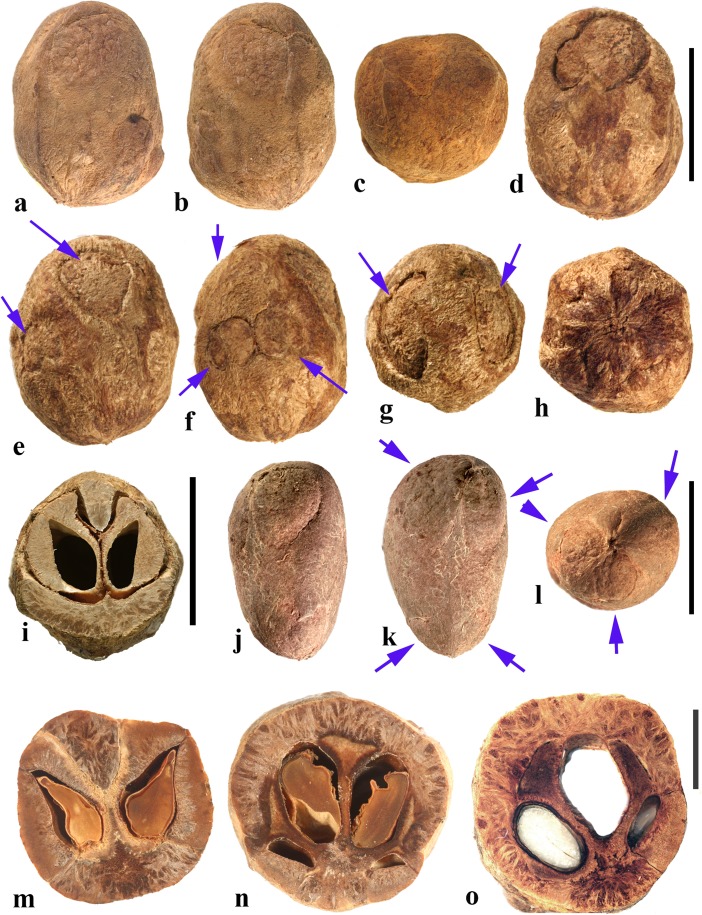
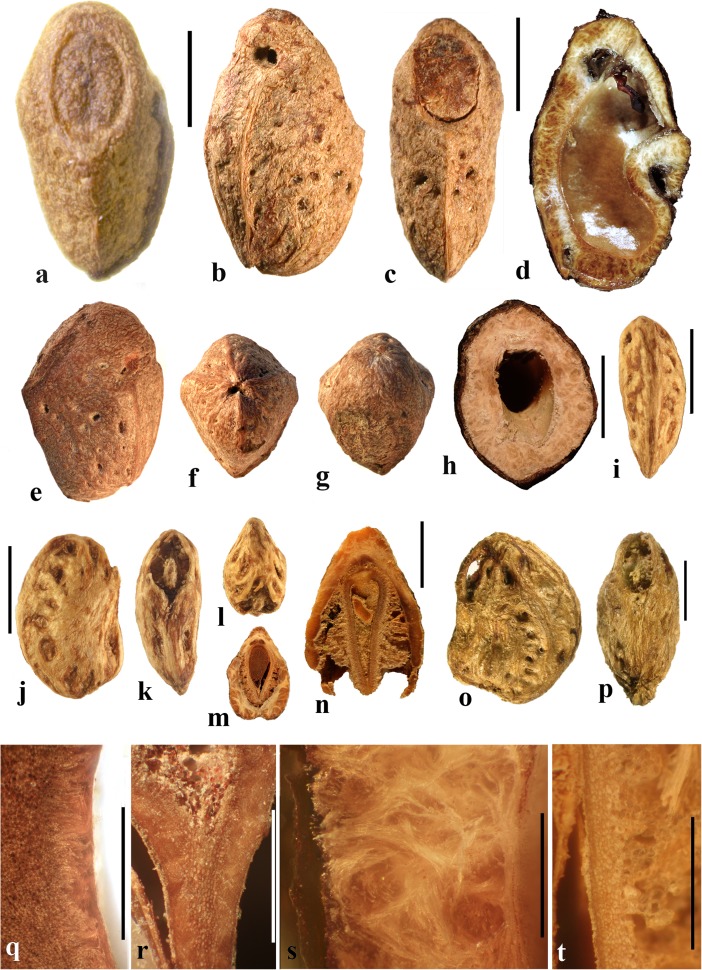
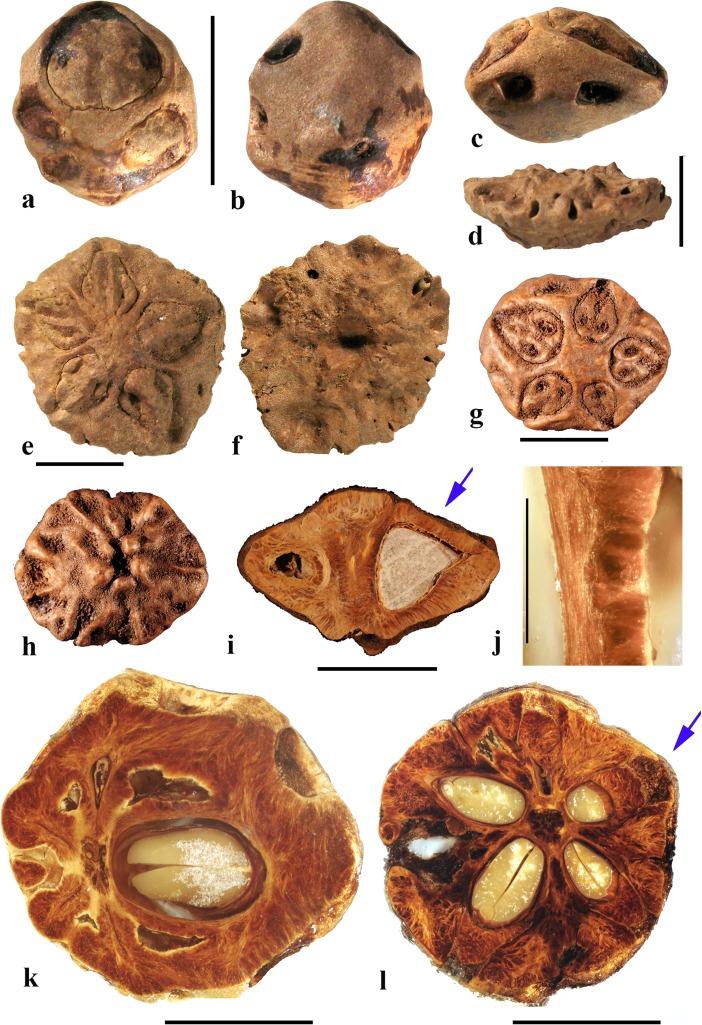
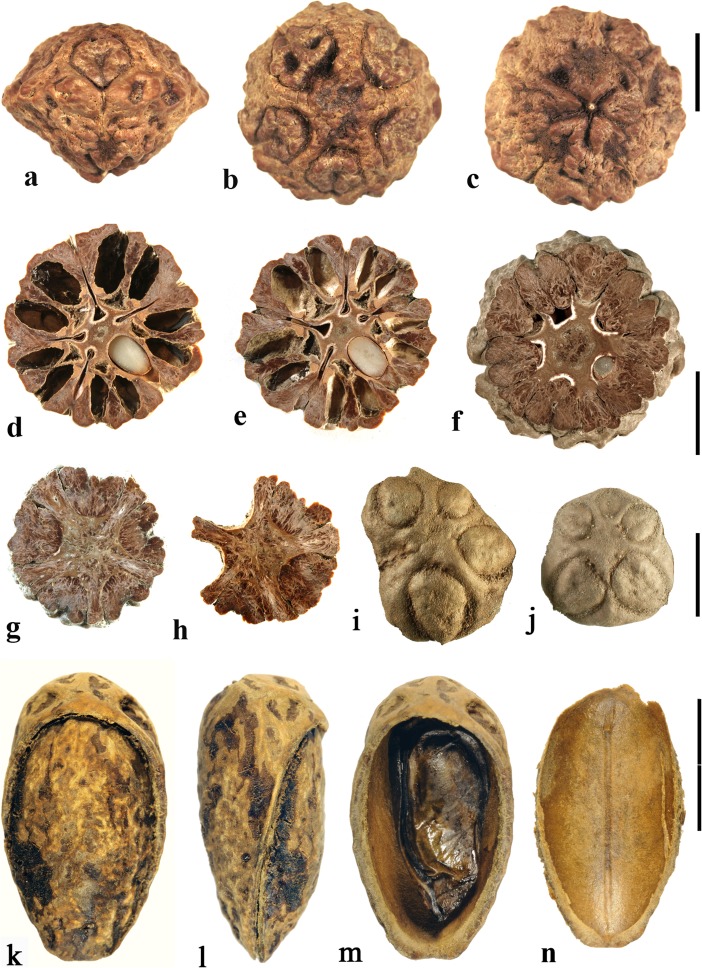
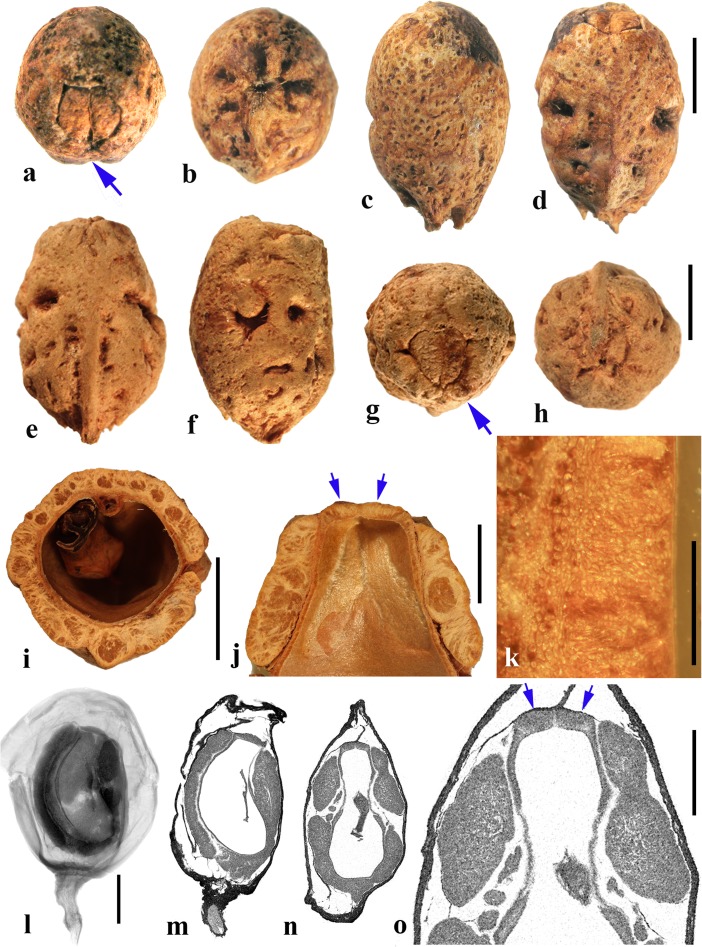
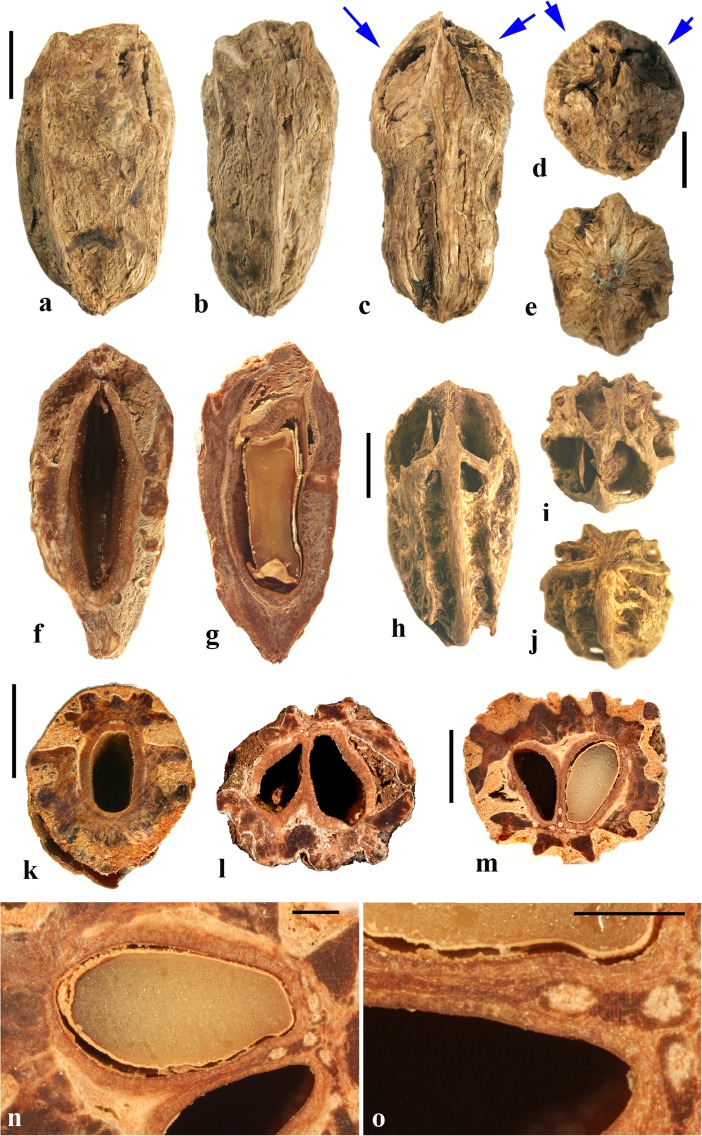
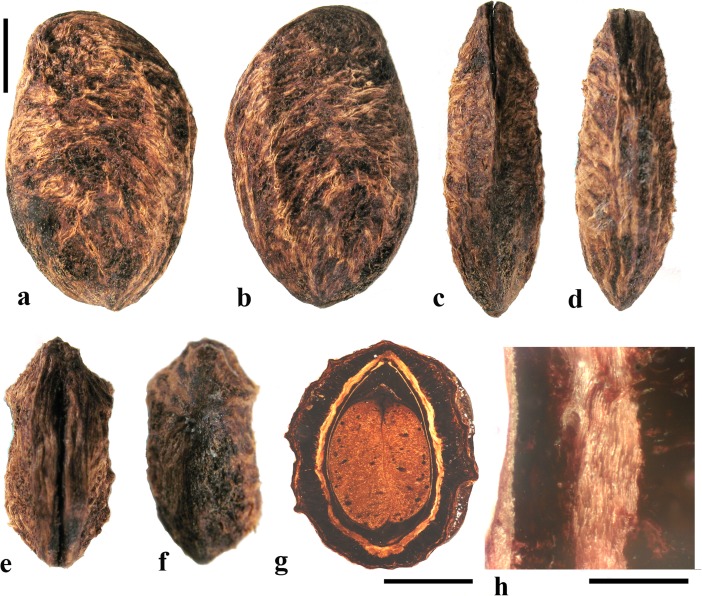
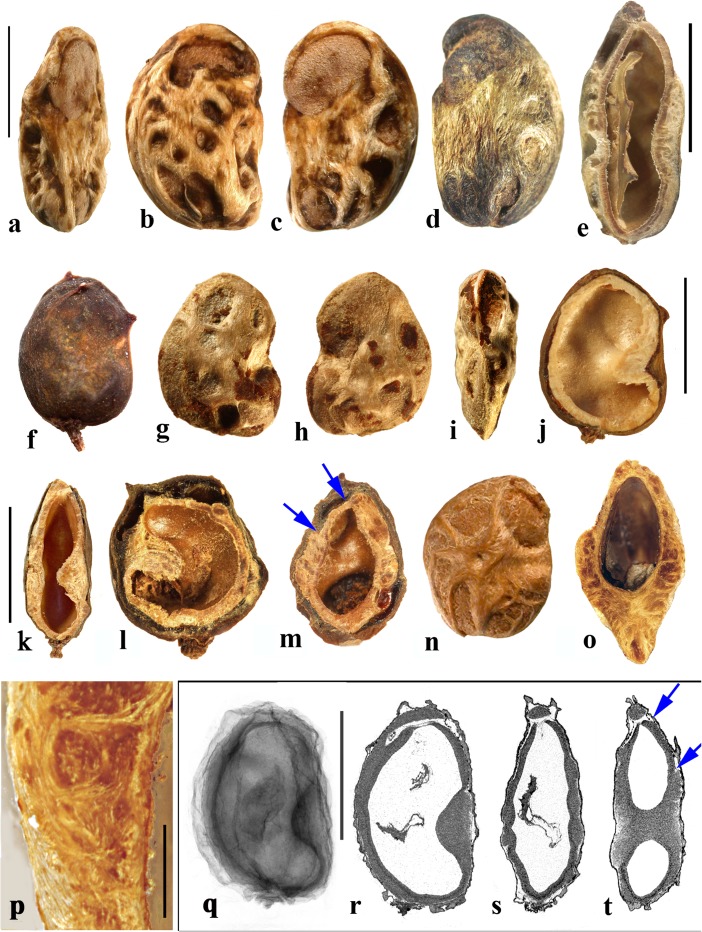
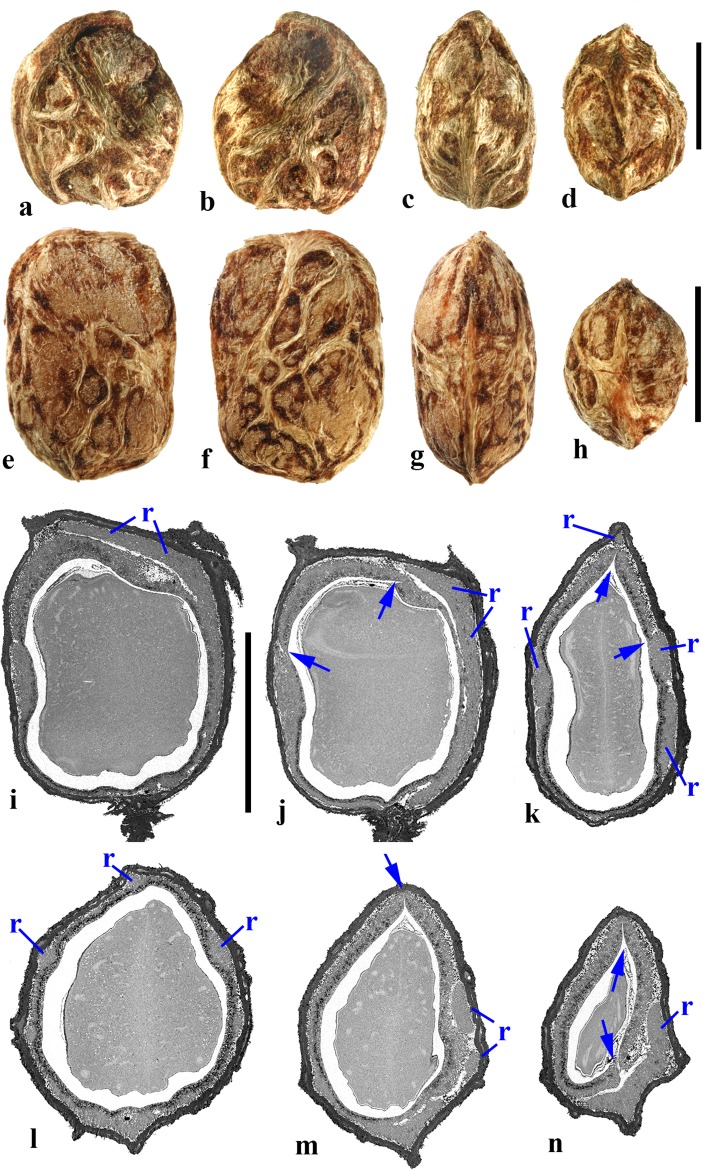
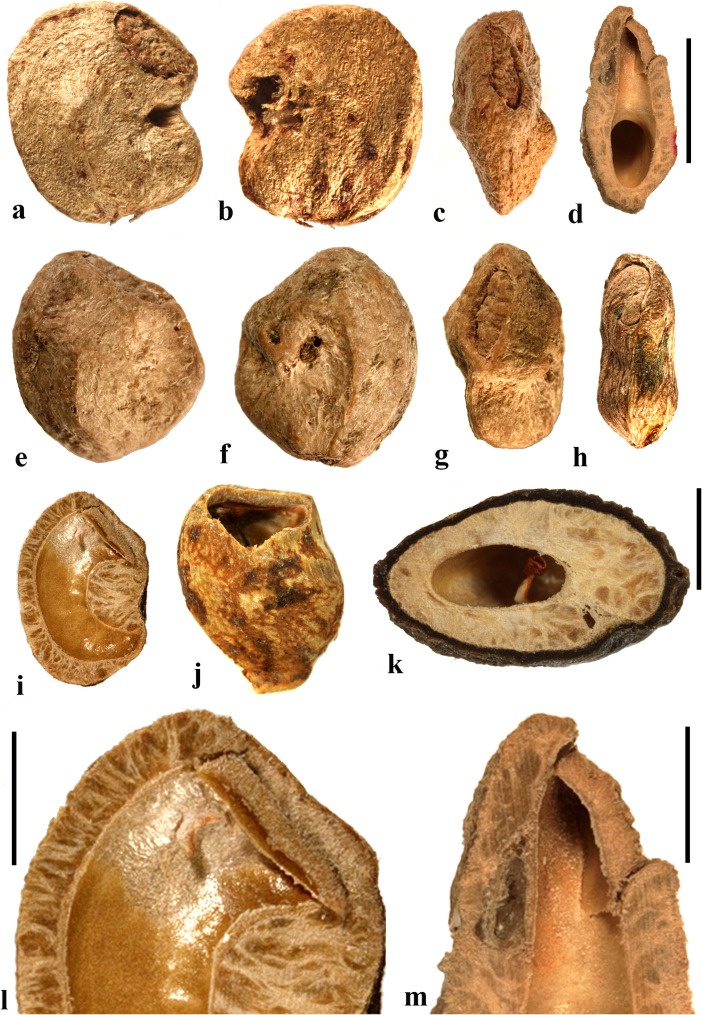
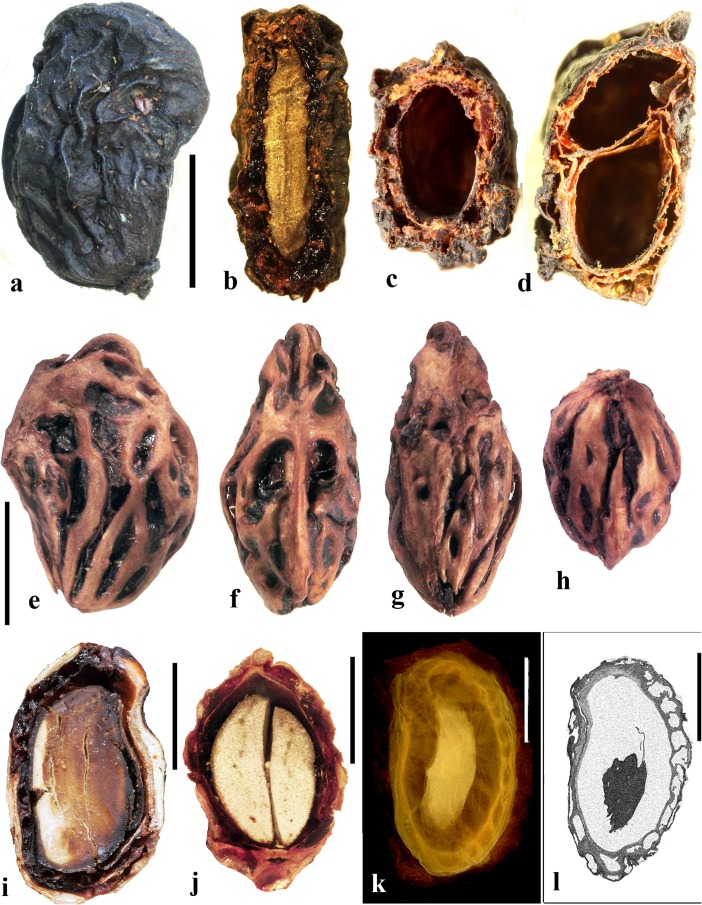
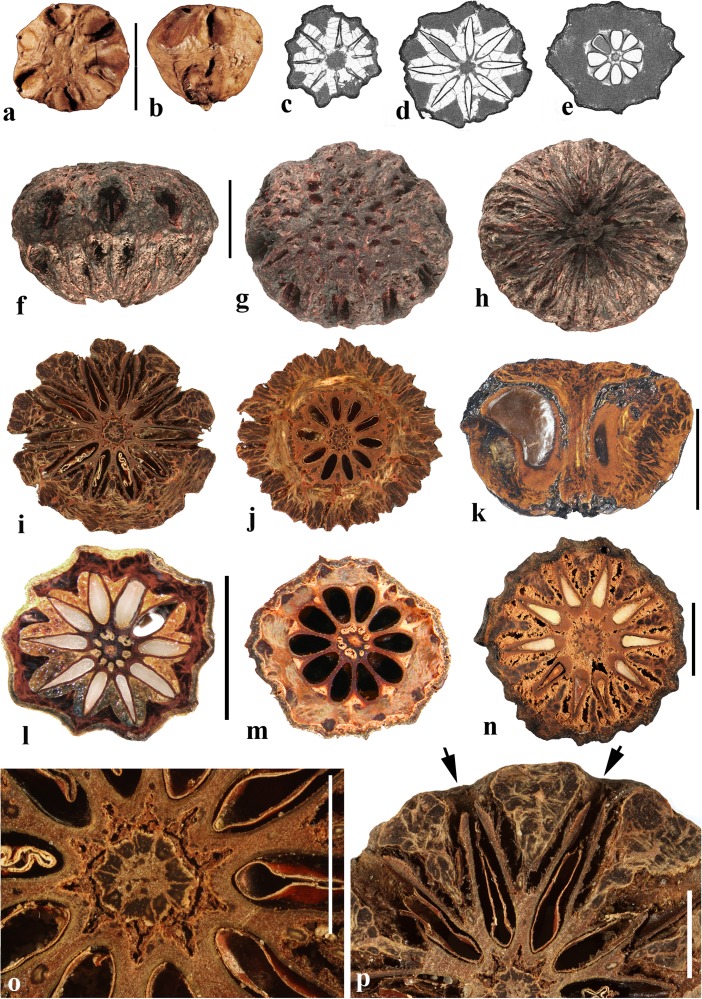
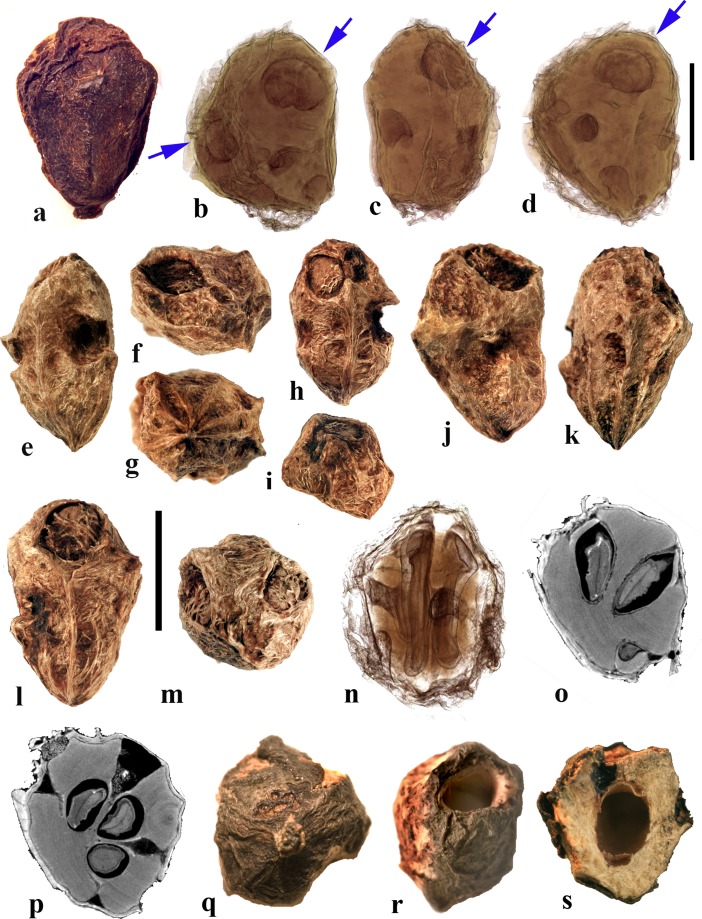
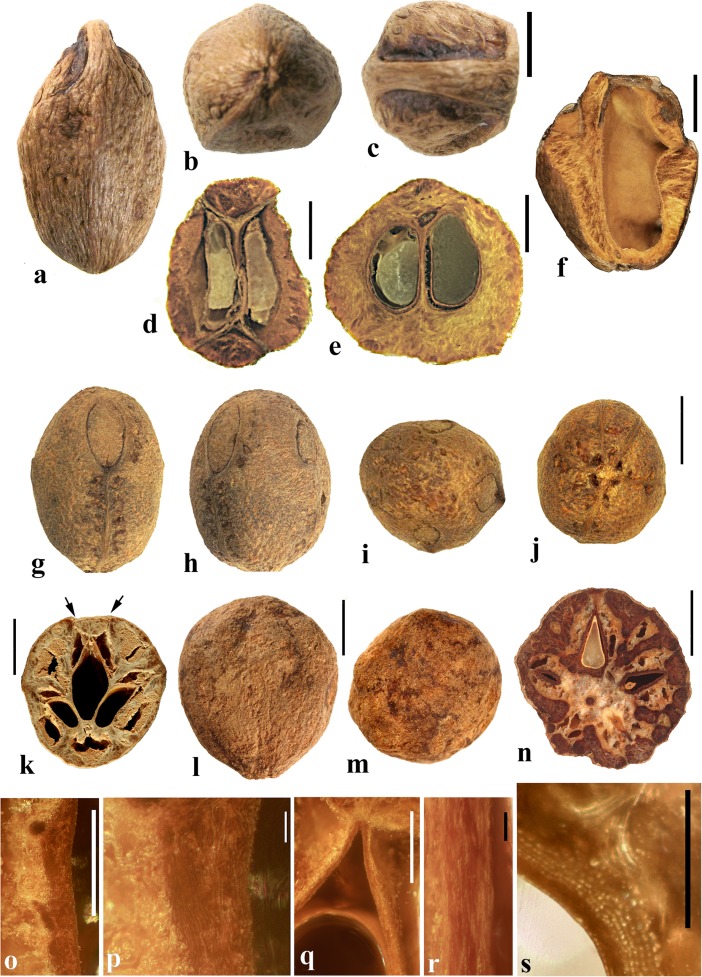
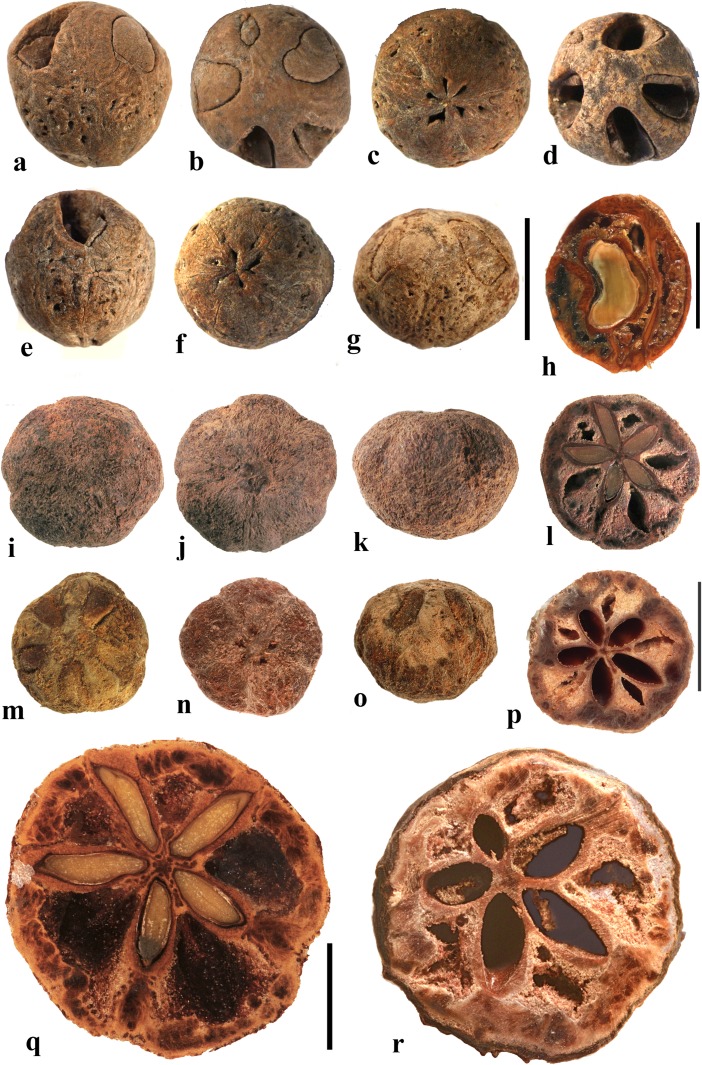
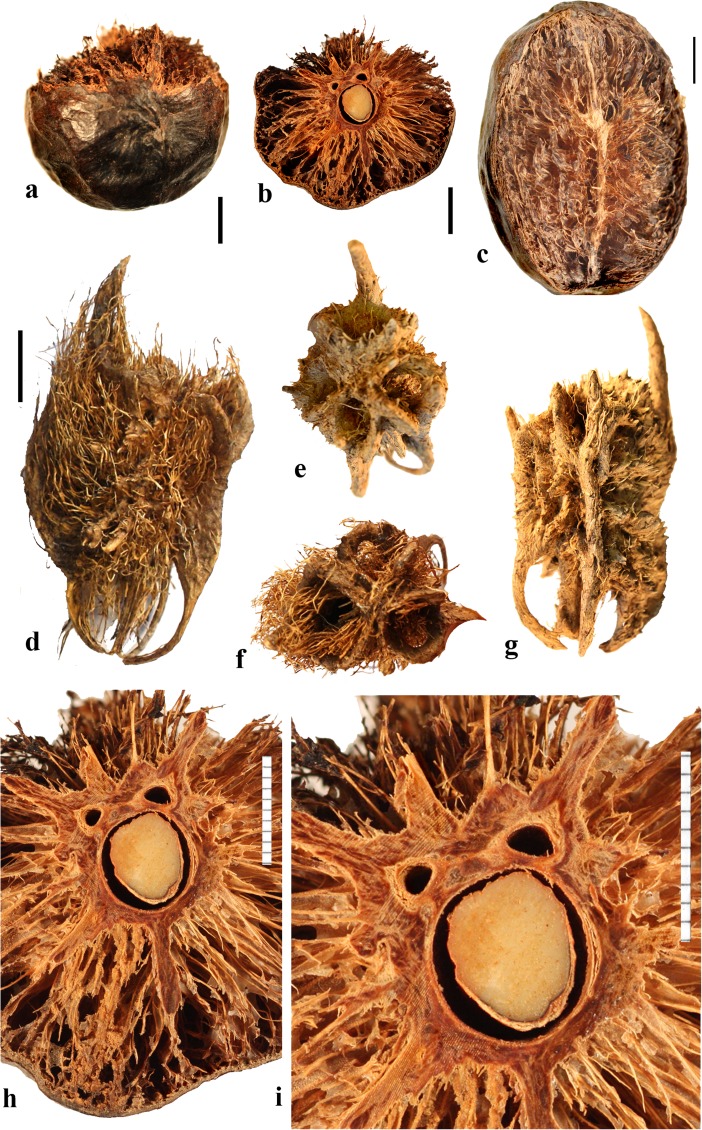
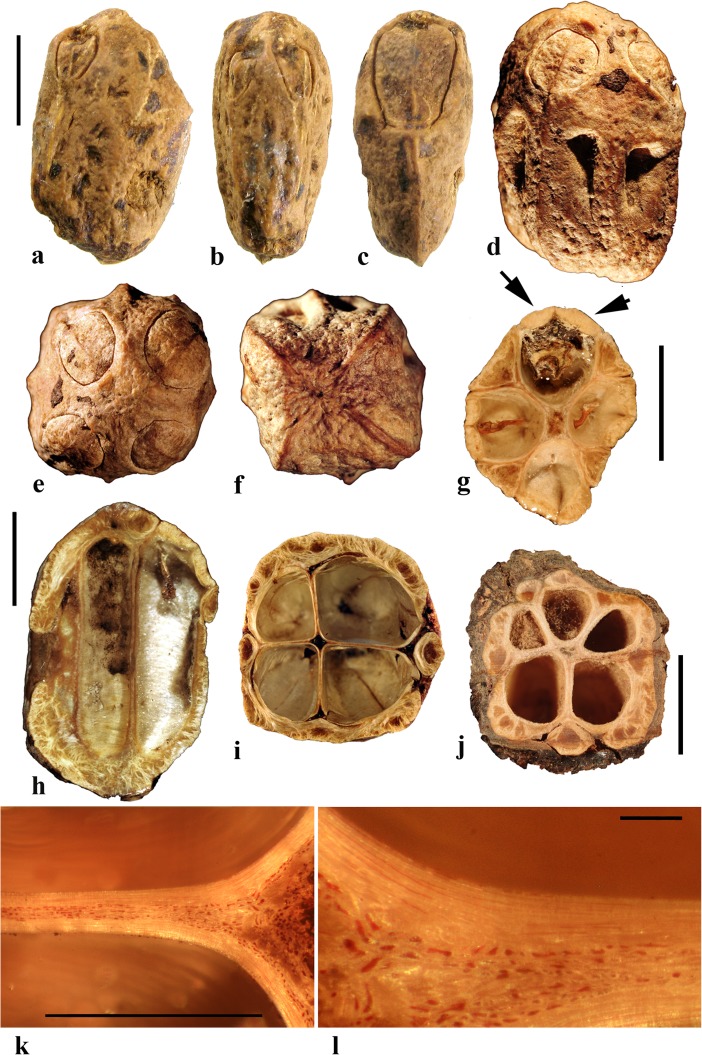
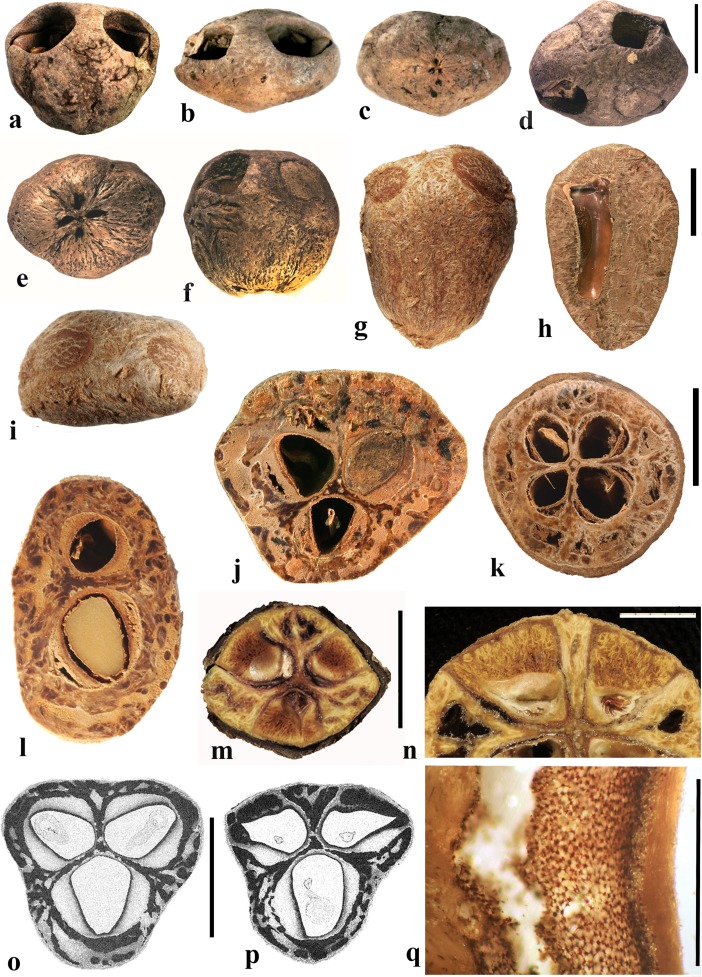
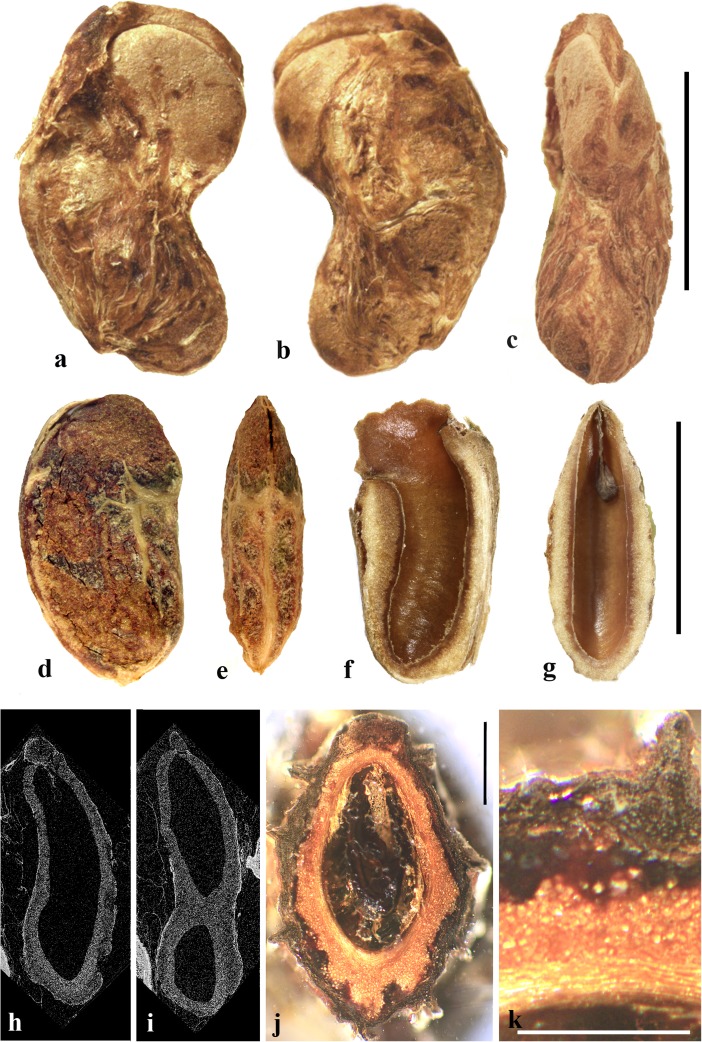
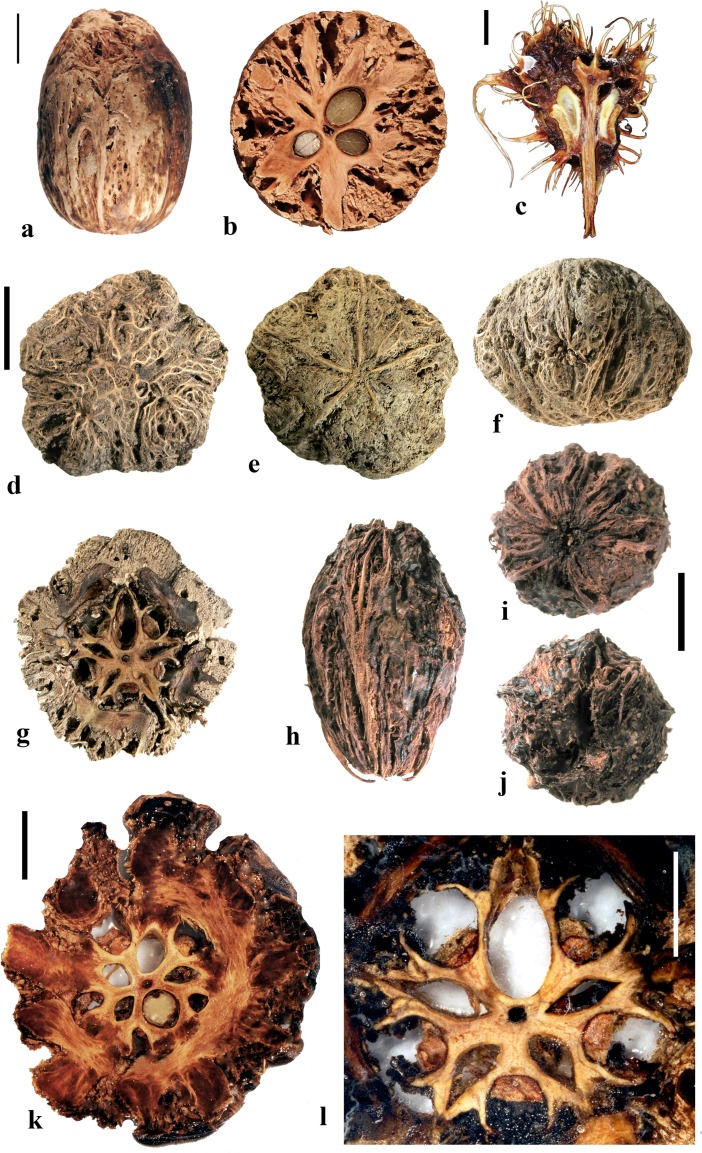
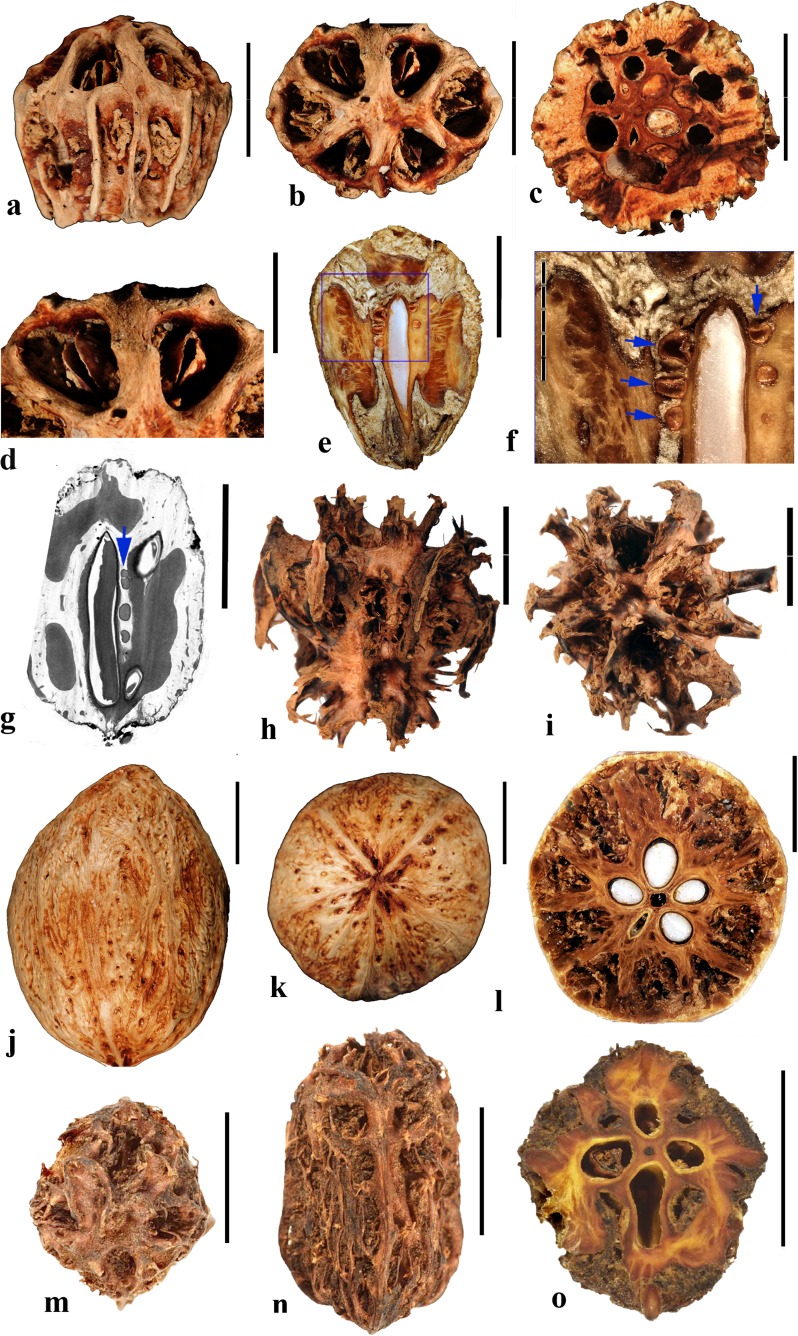
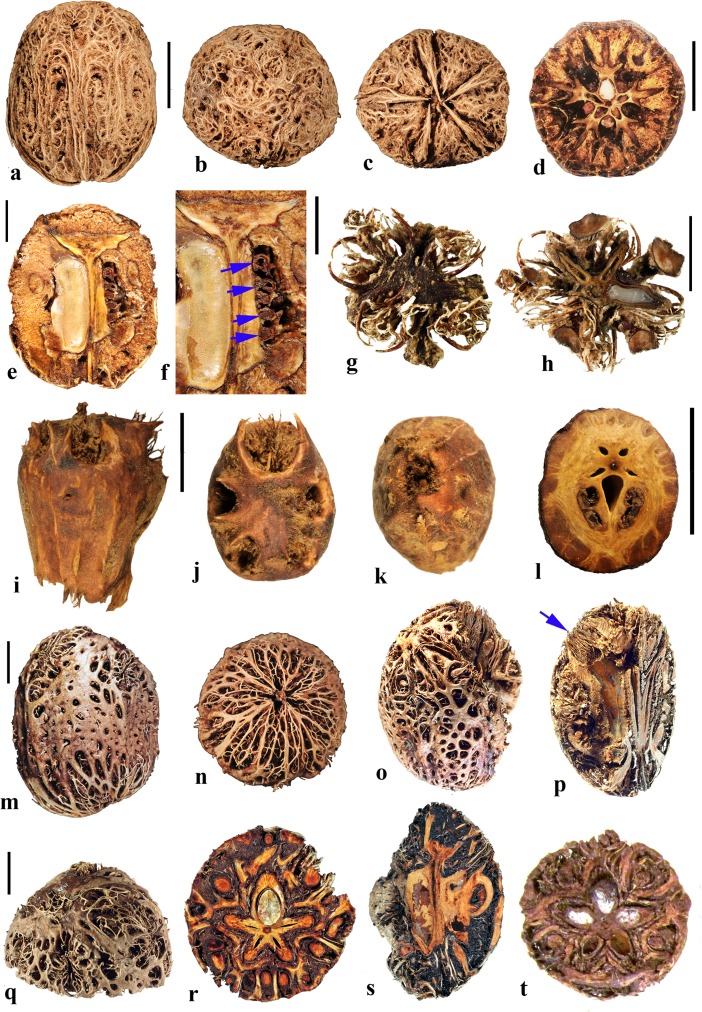
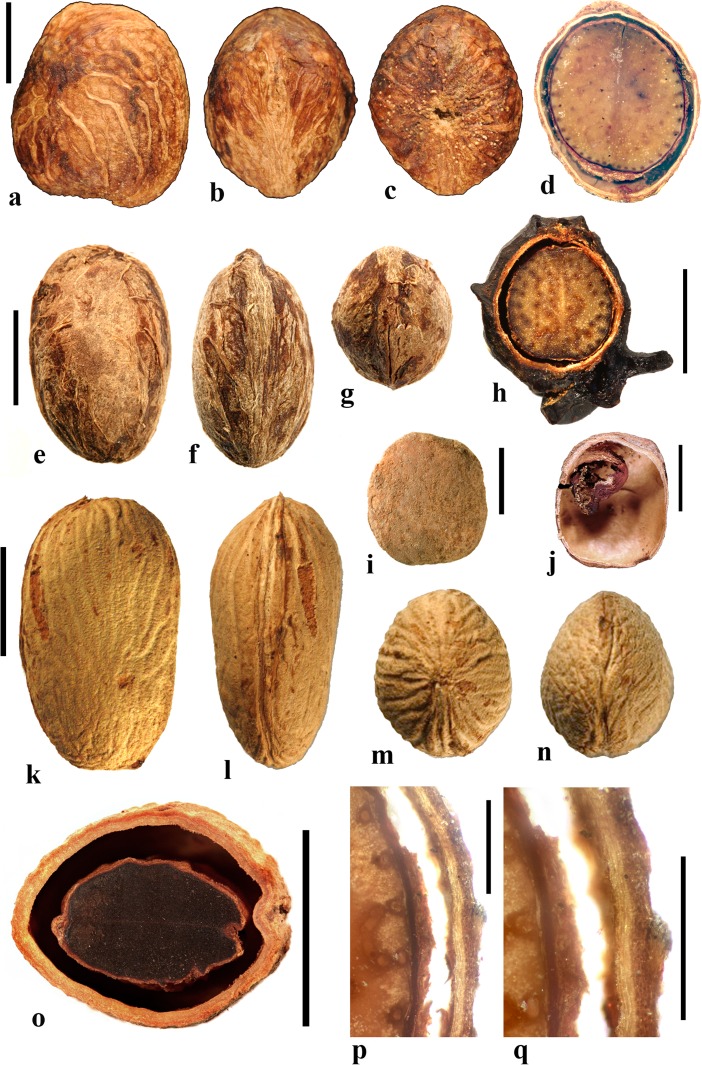
The Spondioideae subfamily of the Anacardiaceae is widely distributed today in tropical regions. Recent molecular phylogenetic investigations indicate that the Spondioideae are not monophyletic, but rather comprise at least two separate clades that are difficult to distinguish using vegetative and floral characters. Nevertheless, the syndrome of fruit characters traditionally used in identifying the subfamily is useful in discriminating genera of these clades and for identification of both modern and fossil anacardiaceous fruits. Here we document the morphology and anatomy of endocarps for representatives of all extant genera traditionally treated as Spondioideae, plus two genera that have been placed close to them in molecular investigations, and . All genera are characterized by drupe-like fruits with sclerified stones that vary from uni- to multilocular depending on the genus. Germination modes vary throughout the Spondioideae. Some have characteristic plug-like opercula; others have recessed bilabiate germination valves, and still others open by apical flaps or simple slits. Although most currently recognized genera appear to be monophyletic, fruit morphology indicates that current circumscriptions of , and are in need of revision.

摘要

漆树科的槟榔青亚科如今广泛分布于热带地区。最近的分子系统发育研究表明,槟榔青亚科并非单系类群,而是至少由两个难以通过营养体和花的特征区分的独立分支组成。然而,传统上用于识别该亚科的果实特征组合,对于区分这些分支中的属以及鉴定现代和化石漆树科果实很有用。在这里,我们记录了传统上被视为槟榔青亚科的所有现存属的代表以及在分子研究中被置于相近位置的两个属的内果皮形态和解剖结构。所有属的特征都是核果状果实,其硬化的果核根据属的不同从单室到多室不等。槟榔青亚科的萌发方式各不相同。有些具有特征性的塞状盖;有些具有凹陷的双唇萌发瓣,还有些通过顶端瓣或简单裂缝开口。尽管目前大多数公认的属似乎是单系类群,但果实形态表明,[此处缺失两个属名]目前的分类需要修订。
https://cdn.ncbi.nlm.nih.gov/pmc/blobs/7fab/6223893/e5119a04e577/12229_2018_9201_Fig30_HTML.jpg
https://cdn.ncbi.nlm.nih.gov/pmc/blobs/7fab/6223893/5f736842cdbf/12229_2018_9201_Fig1_HTML.jpg
https://cdn.ncbi.nlm.nih.gov/pmc/blobs/7fab/6223893/6f71433e0164/12229_2018_9201_Fig2_HTML.jpg
https://cdn.ncbi.nlm.nih.gov/pmc/blobs/7fab/6223893/564d68de2b22/12229_2018_9201_Fig3_HTML.jpg
https://cdn.ncbi.nlm.nih.gov/pmc/blobs/7fab/6223893/c06609a16fa6/12229_2018_9201_Fig4_HTML.jpg
https://cdn.ncbi.nlm.nih.gov/pmc/blobs/7fab/6223893/07fae6ac58bb/12229_2018_9201_Fig5_HTML.jpg
https://cdn.ncbi.nlm.nih.gov/pmc/blobs/7fab/6223893/81e7cd4bd52b/12229_2018_9201_Fig6_HTML.jpg
https://cdn.ncbi.nlm.nih.gov/pmc/blobs/7fab/6223893/8d3a728ece20/12229_2018_9201_Fig7_HTML.jpg
https://cdn.ncbi.nlm.nih.gov/pmc/blobs/7fab/6223893/1d751c07e33f/12229_2018_9201_Fig8_HTML.jpg
https://cdn.ncbi.nlm.nih.gov/pmc/blobs/7fab/6223893/15cafd1ce35e/12229_2018_9201_Fig9_HTML.jpg
https://cdn.ncbi.nlm.nih.gov/pmc/blobs/7fab/6223893/0ea3982d81f6/12229_2018_9201_Fig10_HTML.jpg
https://cdn.ncbi.nlm.nih.gov/pmc/blobs/7fab/6223893/e7d97b5a04ef/12229_2018_9201_Fig11_HTML.jpg
https://cdn.ncbi.nlm.nih.gov/pmc/blobs/7fab/6223893/0a15fd304506/12229_2018_9201_Fig12_HTML.jpg
https://cdn.ncbi.nlm.nih.gov/pmc/blobs/7fab/6223893/ac81507d66b4/12229_2018_9201_Fig13_HTML.jpg
https://cdn.ncbi.nlm.nih.gov/pmc/blobs/7fab/6223893/47f25859c3ab/12229_2018_9201_Fig14_HTML.jpg
https://cdn.ncbi.nlm.nih.gov/pmc/blobs/7fab/6223893/1dfaa20fa8ac/12229_2018_9201_Fig15_HTML.jpg
https://cdn.ncbi.nlm.nih.gov/pmc/blobs/7fab/6223893/edc73c5112ef/12229_2018_9201_Fig16_HTML.jpg
https://cdn.ncbi.nlm.nih.gov/pmc/blobs/7fab/6223893/73a598bec244/12229_2018_9201_Fig17_HTML.jpg
https://cdn.ncbi.nlm.nih.gov/pmc/blobs/7fab/6223893/40ea32f9e932/12229_2018_9201_Fig18_HTML.jpg
https://cdn.ncbi.nlm.nih.gov/pmc/blobs/7fab/6223893/5577af29b4f0/12229_2018_9201_Fig19_HTML.jpg
https://cdn.ncbi.nlm.nih.gov/pmc/blobs/7fab/6223893/5cc5f84736b8/12229_2018_9201_Fig20_HTML.jpg
https://cdn.ncbi.nlm.nih.gov/pmc/blobs/7fab/6223893/0890f3cb9a32/12229_2018_9201_Fig21_HTML.jpg
https://cdn.ncbi.nlm.nih.gov/pmc/blobs/7fab/6223893/17bea1bc5034/12229_2018_9201_Fig22_HTML.jpg
https://cdn.ncbi.nlm.nih.gov/pmc/blobs/7fab/6223893/01efb403677d/12229_2018_9201_Fig23_HTML.jpg
https://cdn.ncbi.nlm.nih.gov/pmc/blobs/7fab/6223893/667c8cb4fb75/12229_2018_9201_Fig24_HTML.jpg
https://cdn.ncbi.nlm.nih.gov/pmc/blobs/7fab/6223893/66f62ef3c6ab/12229_2018_9201_Fig25_HTML.jpg
https://cdn.ncbi.nlm.nih.gov/pmc/blobs/7fab/6223893/dba8d9db7b32/12229_2018_9201_Fig26_HTML.jpg
https://cdn.ncbi.nlm.nih.gov/pmc/blobs/7fab/6223893/e51ca70f92d4/12229_2018_9201_Fig27_HTML.jpg
https://cdn.ncbi.nlm.nih.gov/pmc/blobs/7fab/6223893/1369745b22dc/12229_2018_9201_Fig28_HTML.jpg
https://cdn.ncbi.nlm.nih.gov/pmc/blobs/7fab/6223893/330e4b41f5c8/12229_2018_9201_Fig29_HTML.jpg
https://cdn.ncbi.nlm.nih.gov/pmc/blobs/7fab/6223893/e5119a04e577/12229_2018_9201_Fig30_HTML.jpg
https://cdn.ncbi.nlm.nih.gov/pmc/blobs/7fab/6223893/5f736842cdbf/12229_2018_9201_Fig1_HTML.jpg
https://cdn.ncbi.nlm.nih.gov/pmc/blobs/7fab/6223893/6f71433e0164/12229_2018_9201_Fig2_HTML.jpg
https://cdn.ncbi.nlm.nih.gov/pmc/blobs/7fab/6223893/564d68de2b22/12229_2018_9201_Fig3_HTML.jpg
https://cdn.ncbi.nlm.nih.gov/pmc/blobs/7fab/6223893/c06609a16fa6/12229_2018_9201_Fig4_HTML.jpg
https://cdn.ncbi.nlm.nih.gov/pmc/blobs/7fab/6223893/07fae6ac58bb/12229_2018_9201_Fig5_HTML.jpg
https://cdn.ncbi.nlm.nih.gov/pmc/blobs/7fab/6223893/81e7cd4bd52b/12229_2018_9201_Fig6_HTML.jpg
https://cdn.ncbi.nlm.nih.gov/pmc/blobs/7fab/6223893/8d3a728ece20/12229_2018_9201_Fig7_HTML.jpg
https://cdn.ncbi.nlm.nih.gov/pmc/blobs/7fab/6223893/1d751c07e33f/12229_2018_9201_Fig8_HTML.jpg
https://cdn.ncbi.nlm.nih.gov/pmc/blobs/7fab/6223893/15cafd1ce35e/12229_2018_9201_Fig9_HTML.jpg
https://cdn.ncbi.nlm.nih.gov/pmc/blobs/7fab/6223893/0ea3982d81f6/12229_2018_9201_Fig10_HTML.jpg
https://cdn.ncbi.nlm.nih.gov/pmc/blobs/7fab/6223893/e7d97b5a04ef/12229_2018_9201_Fig11_HTML.jpg
https://cdn.ncbi.nlm.nih.gov/pmc/blobs/7fab/6223893/0a15fd304506/12229_2018_9201_Fig12_HTML.jpg
https://cdn.ncbi.nlm.nih.gov/pmc/blobs/7fab/6223893/ac81507d66b4/12229_2018_9201_Fig13_HTML.jpg
https://cdn.ncbi.nlm.nih.gov/pmc/blobs/7fab/6223893/47f25859c3ab/12229_2018_9201_Fig14_HTML.jpg
https://cdn.ncbi.nlm.nih.gov/pmc/blobs/7fab/6223893/1dfaa20fa8ac/12229_2018_9201_Fig15_HTML.jpg
https://cdn.ncbi.nlm.nih.gov/pmc/blobs/7fab/6223893/edc73c5112ef/12229_2018_9201_Fig16_HTML.jpg
https://cdn.ncbi.nlm.nih.gov/pmc/blobs/7fab/6223893/73a598bec244/12229_2018_9201_Fig17_HTML.jpg
https://cdn.ncbi.nlm.nih.gov/pmc/blobs/7fab/6223893/40ea32f9e932/12229_2018_9201_Fig18_HTML.jpg
https://cdn.ncbi.nlm.nih.gov/pmc/blobs/7fab/6223893/5577af29b4f0/12229_2018_9201_Fig19_HTML.jpg
https://cdn.ncbi.nlm.nih.gov/pmc/blobs/7fab/6223893/5cc5f84736b8/12229_2018_9201_Fig20_HTML.jpg
https://cdn.ncbi.nlm.nih.gov/pmc/blobs/7fab/6223893/0890f3cb9a32/12229_2018_9201_Fig21_HTML.jpg
https://cdn.ncbi.nlm.nih.gov/pmc/blobs/7fab/6223893/17bea1bc5034/12229_2018_9201_Fig22_HTML.jpg
https://cdn.ncbi.nlm.nih.gov/pmc/blobs/7fab/6223893/01efb403677d/12229_2018_9201_Fig23_HTML.jpg
https://cdn.ncbi.nlm.nih.gov/pmc/blobs/7fab/6223893/667c8cb4fb75/12229_2018_9201_Fig24_HTML.jpg
https://cdn.ncbi.nlm.nih.gov/pmc/blobs/7fab/6223893/66f62ef3c6ab/12229_2018_9201_Fig25_HTML.jpg
https://cdn.ncbi.nlm.nih.gov/pmc/blobs/7fab/6223893/dba8d9db7b32/12229_2018_9201_Fig26_HTML.jpg
https://cdn.ncbi.nlm.nih.gov/pmc/blobs/7fab/6223893/e51ca70f92d4/12229_2018_9201_Fig27_HTML.jpg
https://cdn.ncbi.nlm.nih.gov/pmc/blobs/7fab/6223893/1369745b22dc/12229_2018_9201_Fig28_HTML.jpg
https://cdn.ncbi.nlm.nih.gov/pmc/blobs/7fab/6223893/330e4b41f5c8/12229_2018_9201_Fig29_HTML.jpg
https://cdn.ncbi.nlm.nih.gov/pmc/blobs/7fab/6223893/e5119a04e577/12229_2018_9201_Fig30_HTML.jpg

相似文献

1
Fruit Morphology and Anatomy of the Spondioid Anacardiaceae.腰果科芒柄花属植物的果实形态与解剖学
Bot Rev. 2018;84(4):315-393. doi: 10.1007/s12229-018-9201-1. Epub 2018 Aug 3.
2
Phytogeographic implications of fossil endocarps of Menispermaceae from the Paleocene of Colombia.哥伦比亚古新世防己科内果皮化石的植物地理学意义。
Am J Bot. 2011 Dec;98(12):2004-17. doi: 10.3732/ajb.1000461. Epub 2011 Nov 23.
3
Phylogeny and fruit evolution in Menispermaceae.防己科的系统发育和果实演化。
Am J Bot. 2013 May;100(5):883-905. doi: 10.3732/ajb.1200556. Epub 2013 Apr 21.
4
The morphology and internal structure of dogwood ( L.) endocarps in the taxonomy and phylogeny of the genus.山茱萸属分类学和系统发育中梾木属(L.)内果皮的形态学和内部结构
PeerJ. 2021 Oct 28;9:e12170. doi: 10.7717/peerj.12170. eCollection 2021.
5
A revision of Spondias L. (Anacardiaceae) in the Neotropics.新热带地区漆树科腰果树属的修订
PhytoKeys. 2015 Aug 5(55):1-92. doi: 10.3897/phytokeys.55.8489. eCollection 2015.
6
Phylogeny of extant and fossil Juglandaceae inferred from the integration of molecular and morphological data sets.基于分子和形态数据集整合推断的现存和化石胡桃科系统发育
Syst Biol. 2007 Jun;56(3):412-30. doi: 10.1080/10635150701408523.
7
Revision of the Oriental subfamily Heteropteryginae Kirby, 1896, with a re-arrangement of the family Heteropterygidae and the descriptions of five new species of Haaniella Kirby, 1904. (Phasmatodea: Areolatae: Heteropterygidae).1896年东方异翅螳亚科(Heteropteryginae Kirby)的修订,兼异翅螳科(Heteropterygidae)的重新分类及1904年柯氏瘤螳属(Haaniella Kirby)五个新物种的描述。(竹节虫目:有翅亚目:异翅螳科)
Zootaxa. 2016 Sep 1;4159(1):1-219. doi: 10.11646/zootaxa.4159.1.1.
8
Comparative morphology and physiology of fruit and seed development in the two shrubs Rhus aromatica and R. glabra (Anacardiaceae).两种灌木——芳香漆树和光滑漆树(漆树科)果实与种子发育的比较形态学与生理学研究
Am J Bot. 1999 Sep;86(9):1217-25.
9
Initial development of the endocarp in Lithraea brasiliensis Marchand (Anacardiaceae): with taxonomic notes.巴西石梓(漆树科)内果皮的初期发育:附分类学注释
An Acad Bras Cienc. 2015 Sep;87(3):1711-6. doi: 10.1590/0001-3765201520140404. Epub 2015 Jul 28.
10
Morphology, anatomy and histochemistry of Salicornioideae (Chenopodiaceae) fruits and seeds.盐角草亚科(藜科)果实和种子的形态学、解剖学及组织化学
Ann Bot. 2005 May;95(6):917-33. doi: 10.1093/aob/mci101. Epub 2005 Mar 10.

引用本文的文献

1
Analysis of gene expansion and defense-related genes in Anacardiaceae family from an evolutionary aspect.从进化角度分析漆树科植物中的基因扩增及防御相关基因。
Front Plant Sci. 2025 Jul 16;16:1638044. doi: 10.3389/fpls.2025.1638044. eCollection 2025.
2
Magnetic Resonance Imaging of Burdekin Plum During Fruit Development.伯德金李果实发育过程中的磁共振成像
Food Sci Nutr. 2025 Jul 25;13(7):e70707. doi: 10.1002/fsn3.70707. eCollection 2025 Jul.
3
Phylogenomic analyses of Sapindales support new family relationships, rapid Mid-Cretaceous Hothouse diversification, and heterogeneous histories of gene duplication.

本文引用的文献

1
A revision of Spondias L. (Anacardiaceae) in the Neotropics.新热带地区漆树科腰果树属的修订
PhytoKeys. 2015 Aug 5(55):1-92. doi: 10.3897/phytokeys.55.8489. eCollection 2015.
2
To move or to evolve: contrasting patterns of intercontinental connectivity and climatic niche evolution in "Terebinthaceae" (Anacardiaceae and Burseraceae).迁移还是进化:“漆树科”(漆树科和橄榄科)洲际连通性与气候生态位进化的对比模式
Front Genet. 2014 Nov 28;5:409. doi: 10.3389/fgene.2014.00409. eCollection 2014.
无患子目植物的系统基因组分析支持新的科间关系、白垩纪中期温室效应下的快速多样化以及基因复制的异质历史。
Front Plant Sci. 2023 Mar 7;14:1063174. doi: 10.3389/fpls.2023.1063174. eCollection 2023.
4
Late Miocene Leaves and Endocarps of (Anacardiaceae) from Zhejiang, Eastern China: Implications for Paleogeography and Paleoclimate.中国东部浙江晚中新世漆树科盐肤木属植物的叶片和内果皮:对古地理学和古气候学的启示
Biology (Basel). 2022 Sep 25;11(10):1399. doi: 10.3390/biology11101399.
5
Inhibition of Protein and Lipid Oxidation in Ready-to-Eat Chicken Patties by a L. Bagasse Phenolic-Rich Extract.富含甘蔗渣酚提取物对即食鸡肉饼中蛋白质和脂质氧化的抑制作用。
Foods. 2021 Jun 10;10(6):1338. doi: 10.3390/foods10061338.
6
A correlation analysis of Light Microscopy and X-ray MicroCT imaging methods applied to archaeological plant remains' morphological attributes visualization.应用于考古植物遗存形态属性可视化的光学显微镜和 X 射线微计算机断层扫描成像方法的相关分析。
Sci Rep. 2020 Sep 15;10(1):15105. doi: 10.1038/s41598-020-71726-z.