Maamoun Ahmed H, Xue Yi F, Elbestawi Mohamed A, Veldhuis Stephen C
Department of Mechanical Engineering, McMaster University, 1280 Main Street, West Hamilton, ON L8S 4L7, Canada.
Materials (Basel). 2018 Nov 22;11(12):2343. doi: 10.3390/ma11122343.
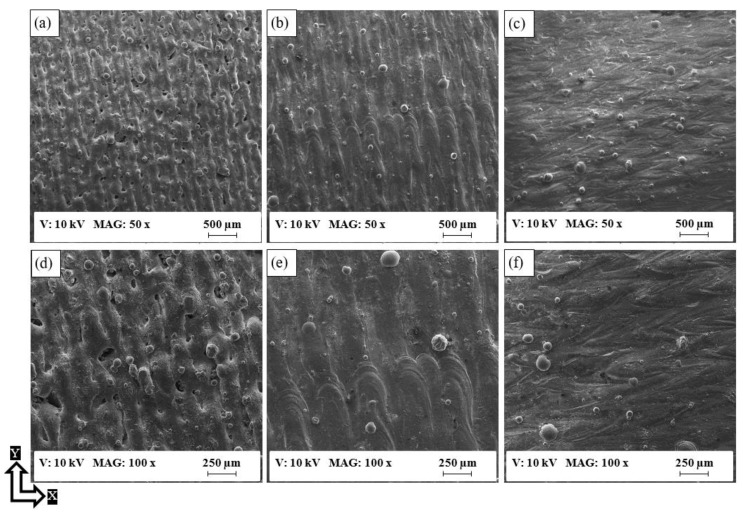
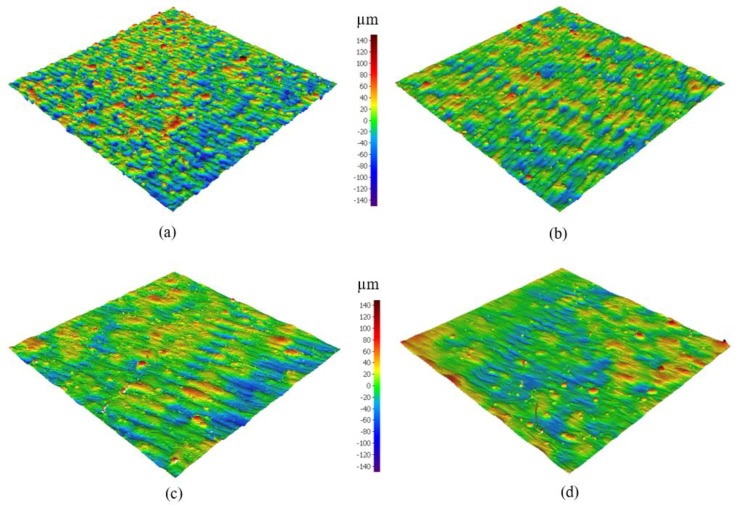
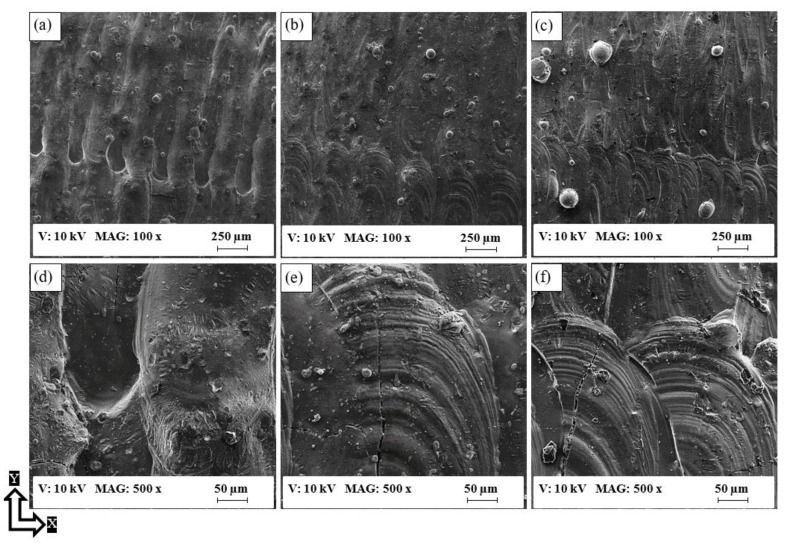
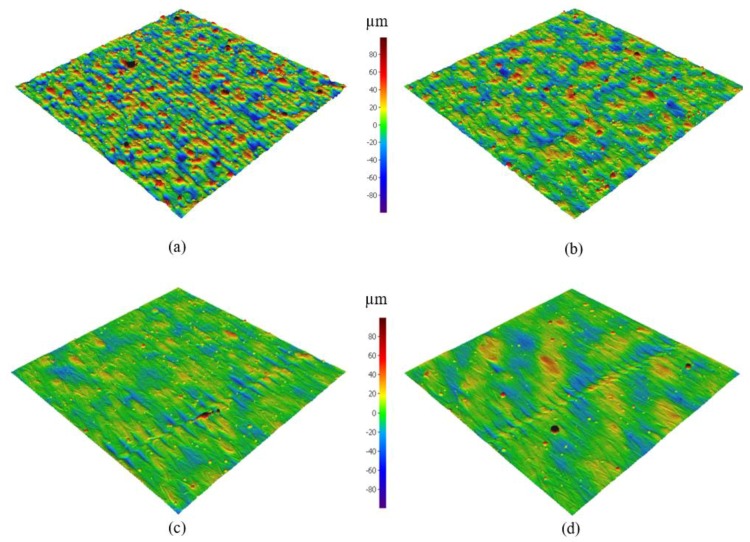
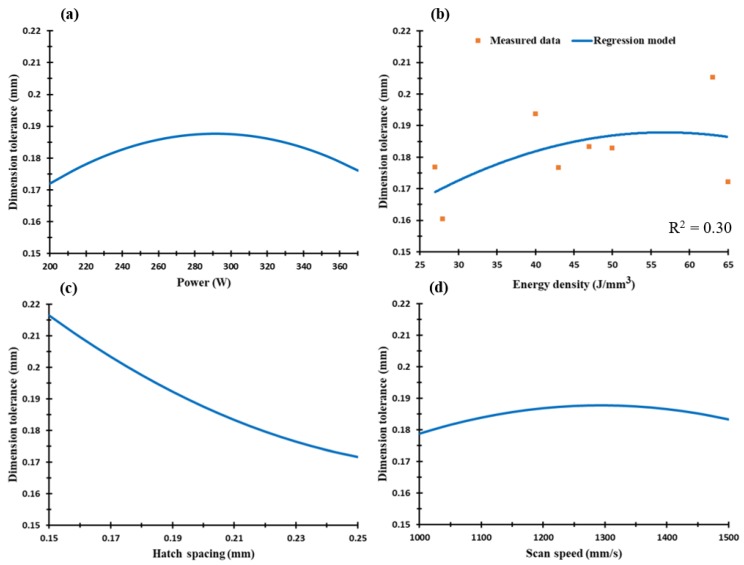
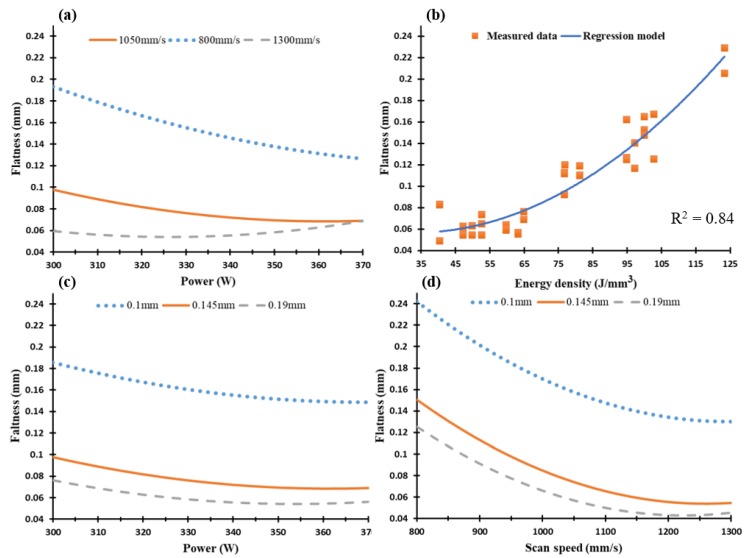
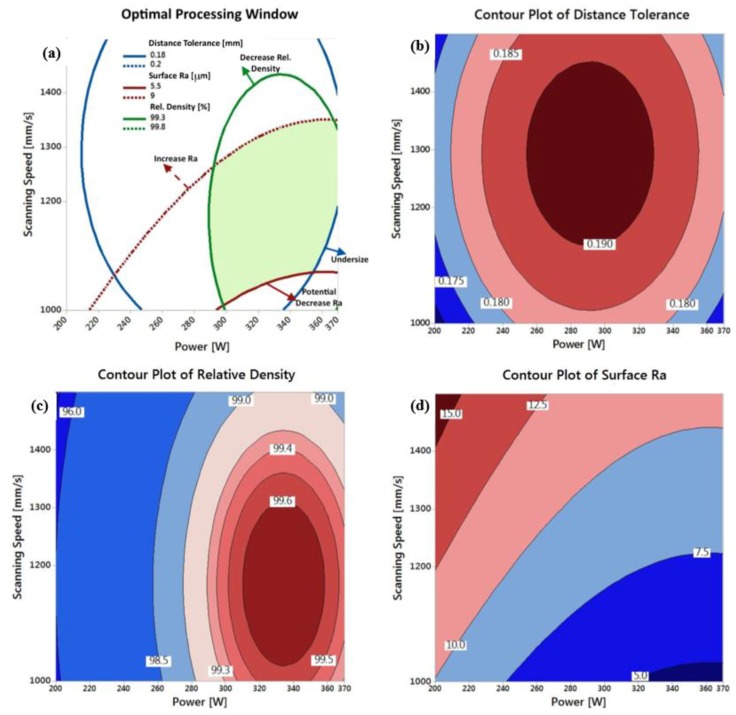
Additive manufacturing (AM) of high-strength Al alloys promises to enhance the performance of critical components related to various aerospace and automotive applications. The key advantage of AM is its ability to generate lightweight, robust, and complex shapes. However, the characteristics of the as-built parts may represent an obstacle to the satisfaction of the parts' quality requirements. The current study investigates the influence of selective laser melting (SLM) process parameters on the quality of parts fabricated from different Al alloys. A design of experiment (DOE) was used to analyze relative density, porosity, surface roughness, and dimensional accuracy according to the interaction effect between the SLM process parameters. The results show a range of energy densities and SLM process parameters for AlSi10Mg and Al6061 alloys needed to achieve "optimum" values for each performance characteristic. A process map was developed for each material by combining the optimized range of SLM process parameters for each characteristic to ensure good quality of the as-built parts. This study is also aimed at reducing the amount of post-processing needed according to the optimal processing window detected.
高强度铝合金的增材制造(AM)有望提升与各种航空航天和汽车应用相关的关键部件的性能。增材制造的关键优势在于其能够制造出轻质、坚固且复杂的形状。然而,成型零件的特性可能成为满足零件质量要求的障碍。当前的研究调查了选择性激光熔化(SLM)工艺参数对由不同铝合金制造的零件质量的影响。采用实验设计(DOE)根据SLM工艺参数之间的相互作用效应来分析相对密度、孔隙率、表面粗糙度和尺寸精度。结果显示了AlSi10Mg和Al6061合金达到每种性能特征“最佳”值所需的一系列能量密度和SLM工艺参数。通过结合每种特征的SLM工艺参数优化范围,为每种材料绘制了工艺图,以确保成型零件的质量良好。本研究还旨在根据检测到的最佳加工窗口减少所需的后处理量。