Human Genome Sequencing Center, Baylor College of Medicine, Houston, TX, 77030, USA.
Department of Molecular and Human Genetics, Baylor College of Medicine, Houston, TX, 77030, USA.
Genome Biol. 2018 Nov 26;19(1):203. doi: 10.1186/s13059-018-1579-x.
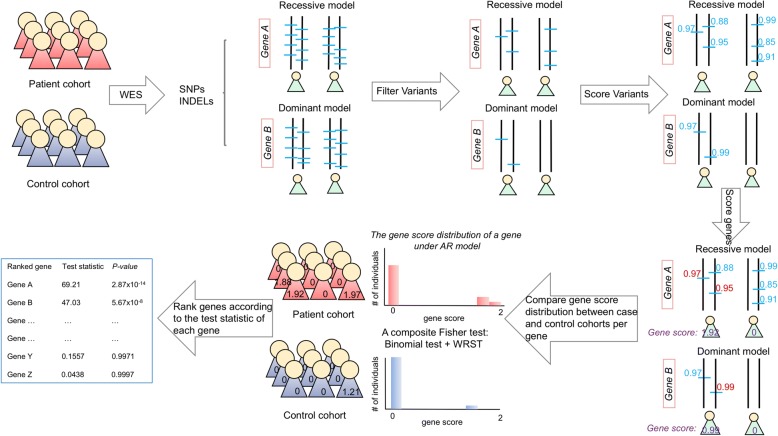
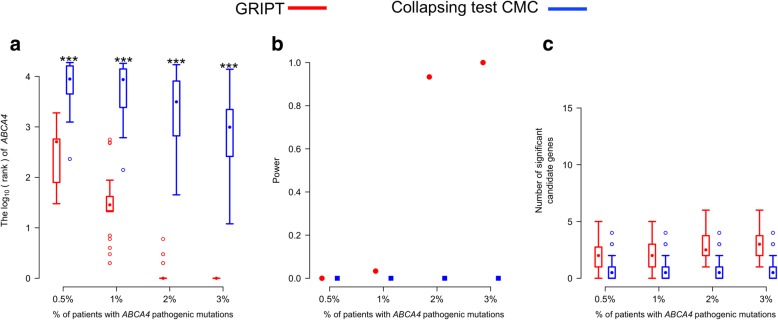
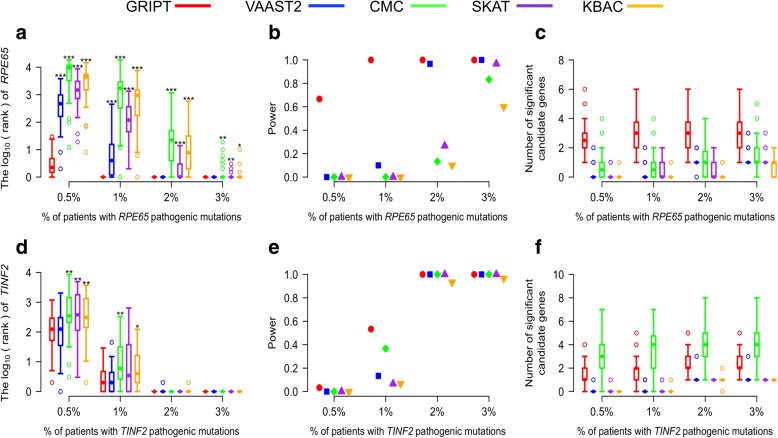
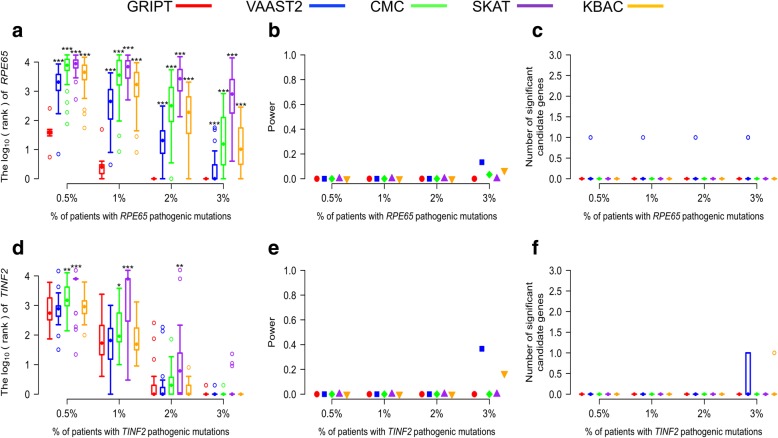
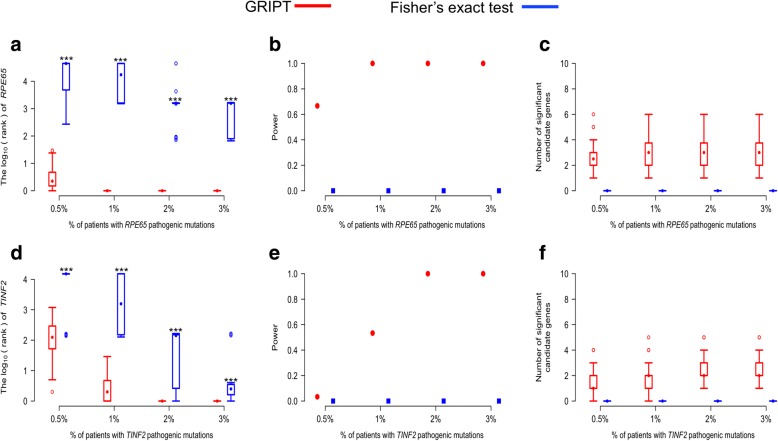
Despite rapid progress of next-generation sequencing (NGS) technologies, the disease-causing genes underpinning about half of all Mendelian diseases remain elusive. One main challenge is the high genetic heterogeneity of Mendelian diseases in which similar phenotypes are caused by different genes and each gene only accounts for a small proportion of the patients. To overcome this gap, we developed a novel method, the Gene Ranking, Identification and Prediction Tool (GRIPT), for performing case-control analysis of NGS data. Analyses of simulated and real datasets show that GRIPT is well-powered for disease gene discovery, especially for diseases with high locus heterogeneity.
尽管下一代测序(NGS)技术发展迅速,但仍有近一半的孟德尔疾病的致病基因难以确定。一个主要的挑战是孟德尔疾病的遗传异质性很高,即相似的表型由不同的基因引起,每个基因只占患者的一小部分。为了克服这一差距,我们开发了一种新的方法,即基因排序、识别和预测工具(GRIPT),用于对 NGS 数据进行病例对照分析。对模拟和真实数据集的分析表明,GRIPT 非常适合疾病基因的发现,特别是对于具有高基因座异质性的疾病。