Department of Psychiatry, University of Maryland School of Medicine, Baltimore, MD, USA.
Program in Toxicology, University of Maryland School of Medicine, Baltimore, MD, USA.
J Psychopharmacol. 2019 Jan;33(1):12-24. doi: 10.1177/0269881118812095. Epub 2018 Nov 29.
()-ketamine has gained attention for its rapid-acting antidepressant actions in patients with treatment-resistant depression. However, widespread use of ketamine is limited by its side effects, abuse potential, and poor oral bioavailability. The ketamine metabolite, ()-hydroxynorketamine, exerts rapid antidepressant effects, without ketamine's adverse effects and abuse potential, in rodents.
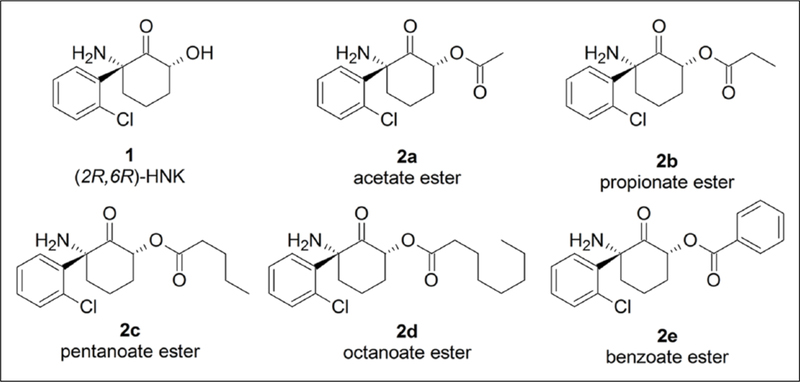
We evaluated the oral bioavailability of ()-hydroxynorketamine in three species (mice, rats, and dogs) and also evaluated five candidate prodrug modifications for their capacity to enhance the oral bioavailability of ()-hydroxynorketamine in mice. Oral administration of ()-hydroxynorketamine was assessed for adverse behavioral effects and for antidepressant efficacy in the mouse forced-swim and learned helplessness tests.
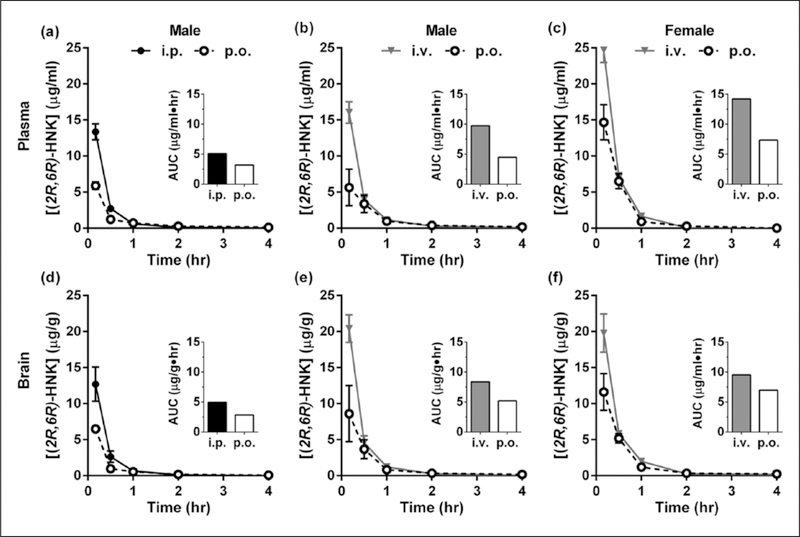
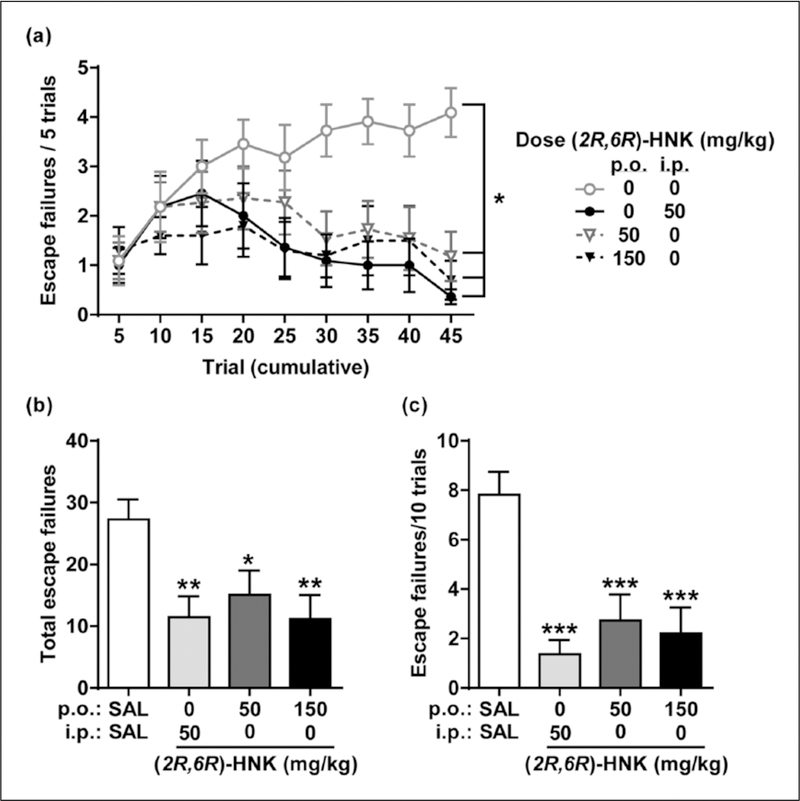
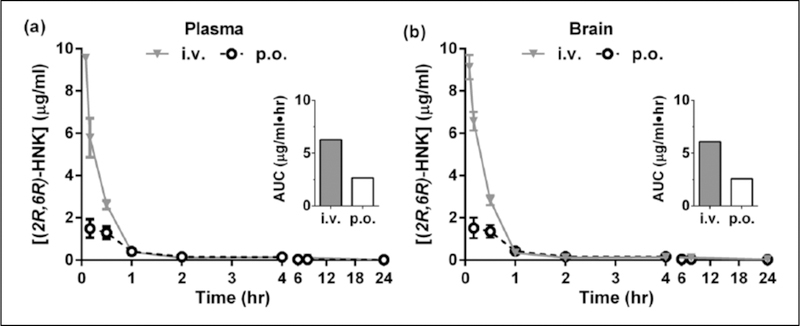
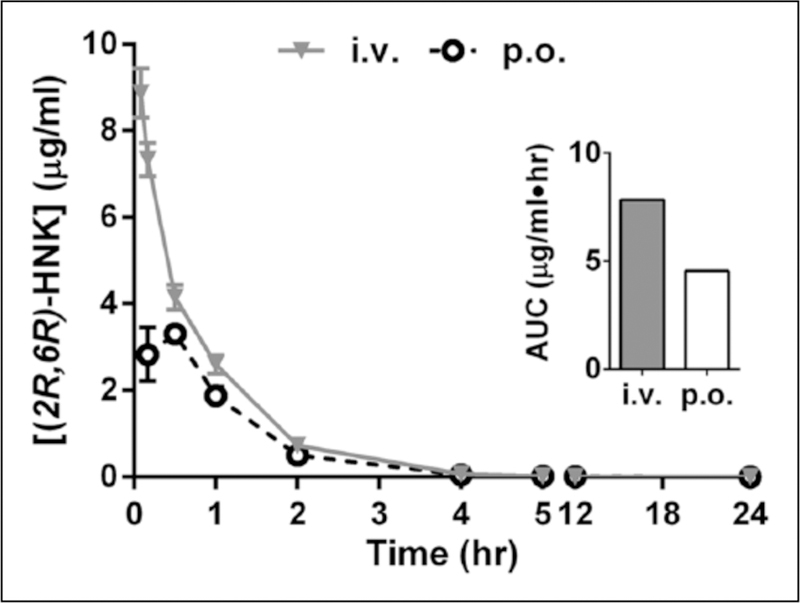
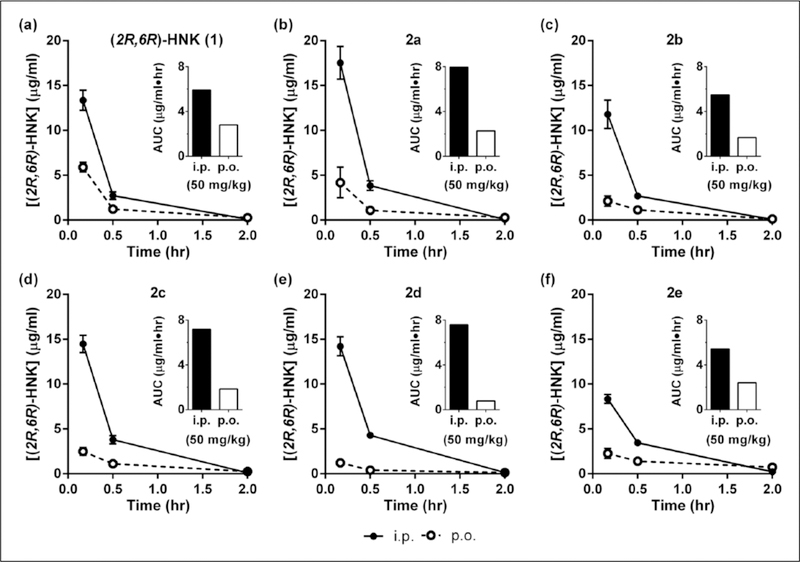
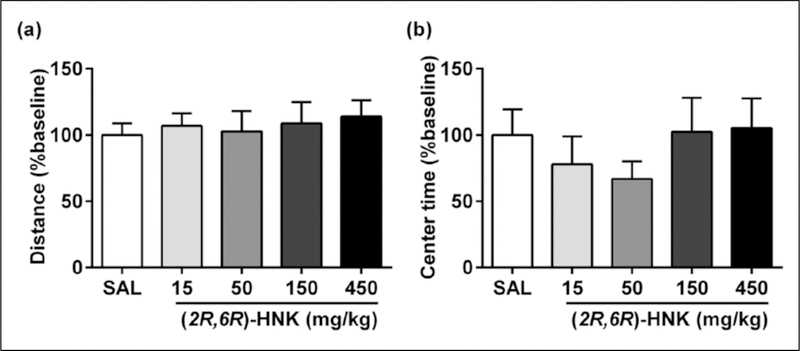
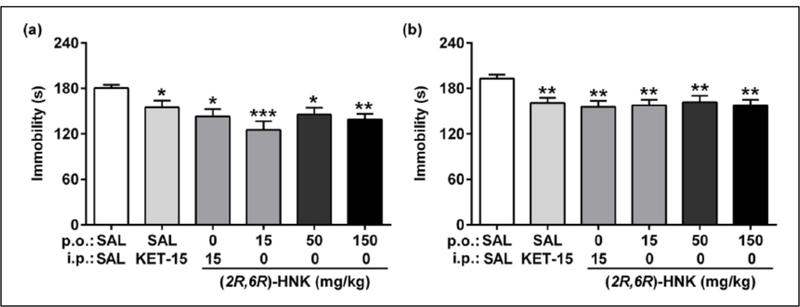
()-hydroxynorketamine had absolute bioavailability between 46-52% in mice, 42% in rats, and 58% in dogs. Compared to intraperitoneal injection in mice, the relative oral bioavailability of ()-hydroxynorketamine was 62%, which was not improved by any of the candidate prodrugs tested. Following oral administration, ()-hydroxynorketamine readily penetrated the brain, with brain to plasma ratios between 0.67-1.2 in mice and rats. Oral administration of ()-hydroxynorketamine to mice did not alter locomotor activity or precipitate behaviors associated with discomfort, sickness, or stereotypy up to a dose of 450 mg/kg. Oral ()-hydroxynorketamine reduced forced-swim test immobility time (15-150 mg/kg) and reversed learned helplessness (50-150 mg/kg) in mice.
These results demonstrate that ()-hydroxynorketamine has favorable oral bioavailability in three species and exhibits antidepressant efficacy following oral administration in mice.
()-氯胺酮因其在治疗抵抗性抑郁症患者中的快速抗抑郁作用而受到关注。然而,由于其副作用、滥用潜力和较差的口服生物利用度,氯胺酮的广泛应用受到限制。氯胺酮的代谢物()-羟基去甲氯胺酮在啮齿动物中具有快速的抗抑郁作用,没有氯胺酮的副作用和滥用潜力。
我们评估了()-羟基去甲氯胺酮在三种物种(小鼠、大鼠和狗)中的口服生物利用度,并评估了五种候选前药修饰物增强()-羟基去甲氯胺酮在小鼠中的口服生物利用度的能力。评估了()-羟基去甲氯胺酮的口服给药对小鼠的不良行为影响和抗抑郁功效,在强迫游泳和习得性无助试验中进行了评估。
()-羟基去甲氯胺酮在小鼠中的绝对生物利用度为 46-52%,在大鼠中的为 42%,在狗中的为 58%。与小鼠的腹腔注射相比,()-羟基去甲氯胺酮的相对口服生物利用度为 62%,这一比例没有通过任何一种测试的候选前药修饰物得到改善。口服给予()-羟基去甲氯胺酮后,()-羟基去甲氯胺酮很容易穿透大脑,在小鼠和大鼠中的脑/血浆比为 0.67-1.2。在 450mg/kg 剂量下,口服给予()-羟基去甲氯胺酮不会改变小鼠的运动活动,也不会引发与不适、疾病或刻板行为相关的行为。口服()-羟基去甲氯胺酮可减少小鼠强迫游泳试验的不动时间(15-150mg/kg)并逆转习得性无助(50-150mg/kg)。
这些结果表明,()-羟基去甲氯胺酮在三种物种中具有良好的口服生物利用度,并在小鼠中口服给予后表现出抗抑郁功效。