U. S. National Tick Collection, Institute for Coastal Plain Science, Georgia Southern University, Statesboro, GA, 30460, USA.
Present address: Department of Evolution, Ecology, and Organismal Biology, The Ohio State University, Columbus, OH, 43212, USA.
Parasit Vectors. 2018 Nov 29;11(1):610. doi: 10.1186/s13071-018-3186-9.
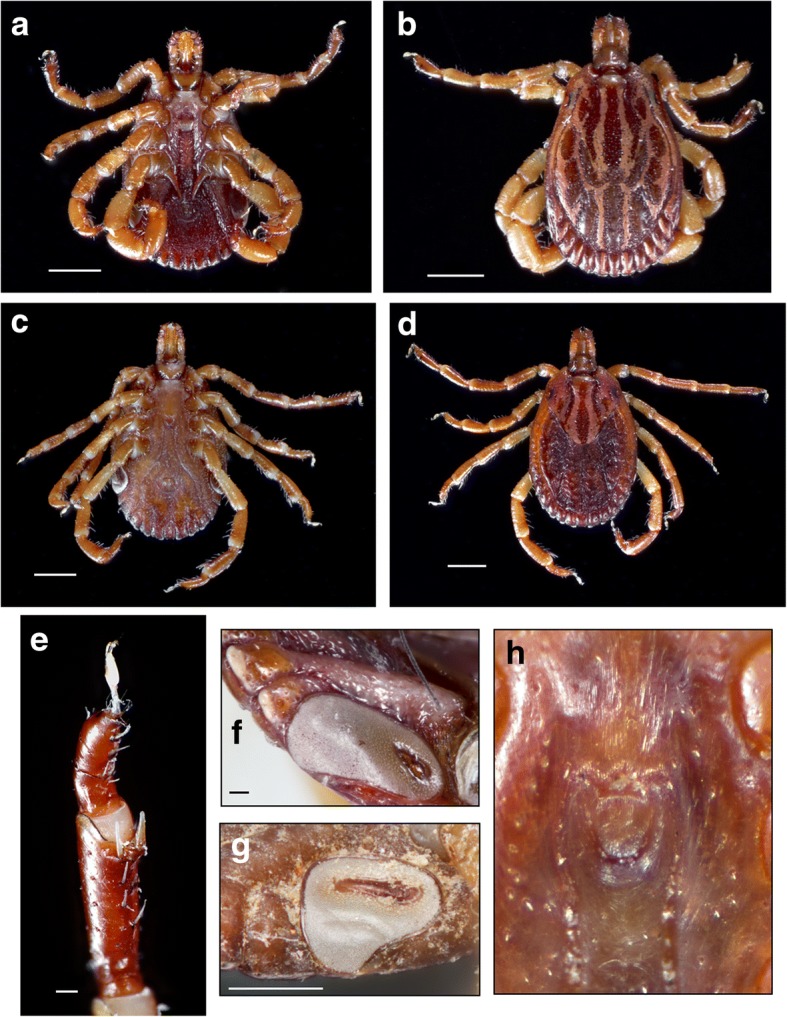
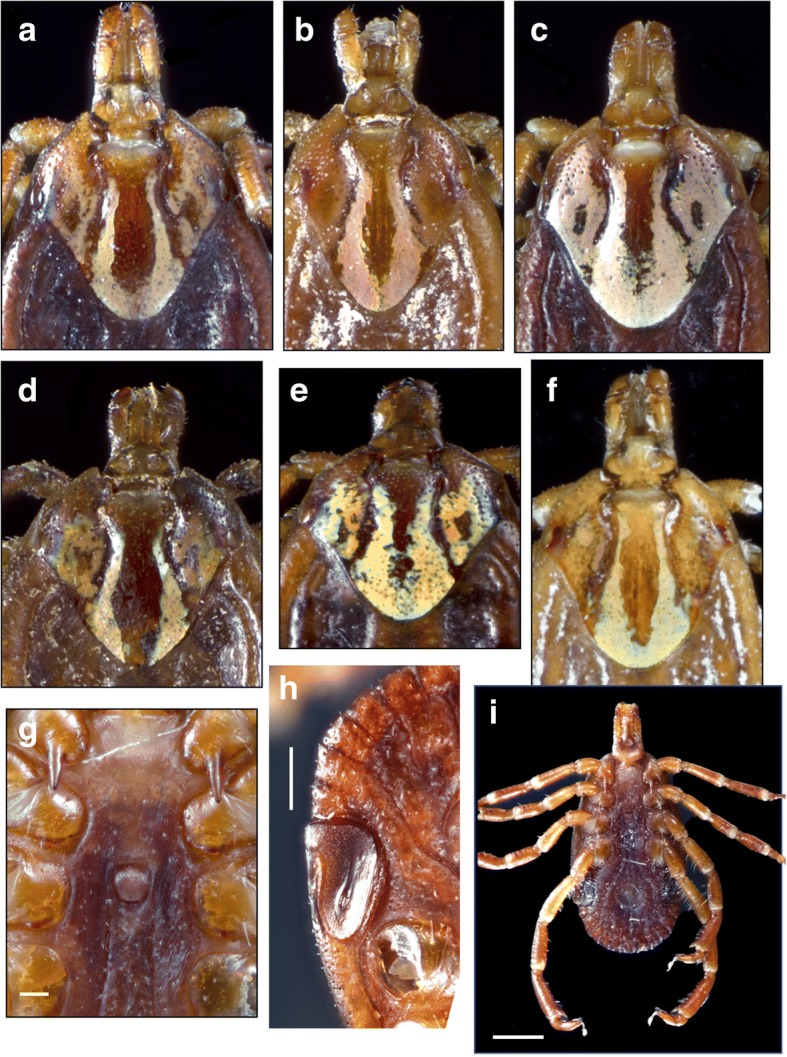
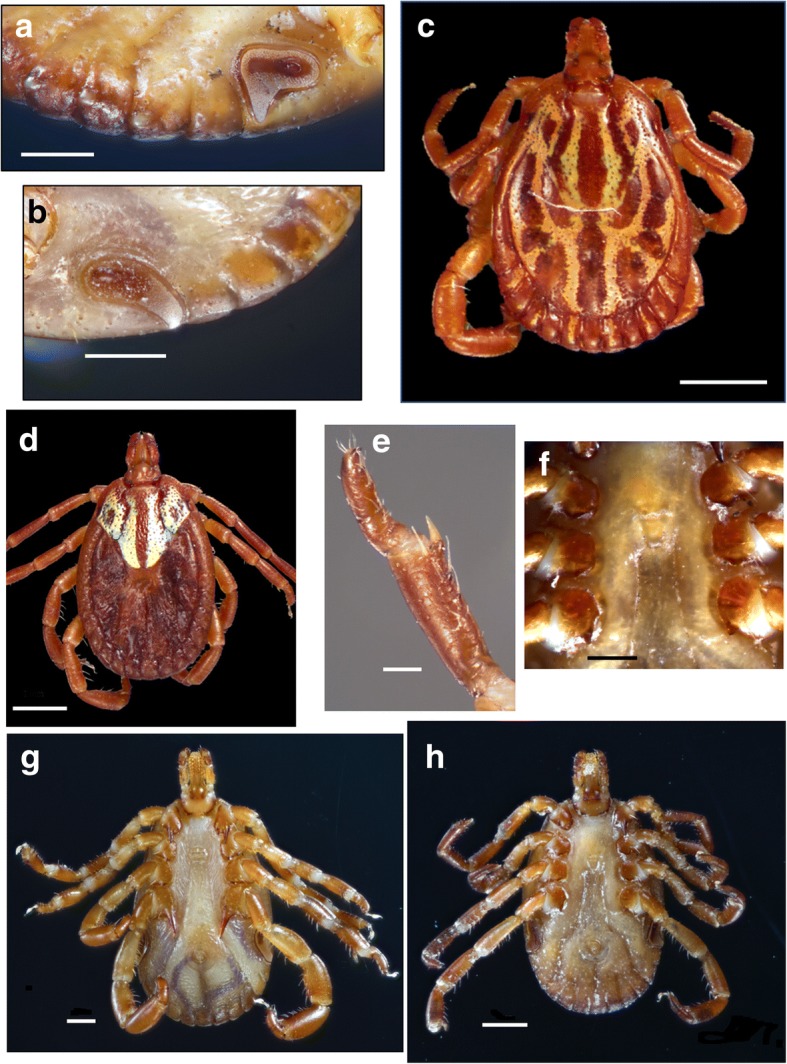
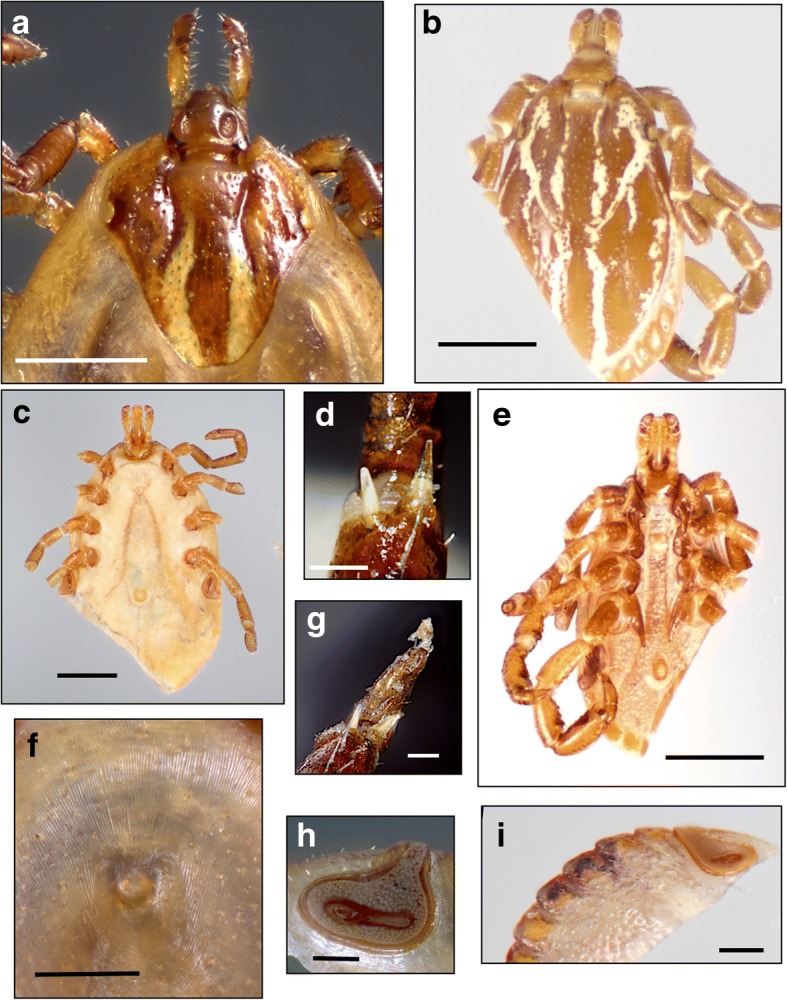
The goal of this study was to reassess the taxonomic status of A. maculatum, A. triste and A. tigrinum by phylogenetic analysis of five molecular markers [four mitochondrial: 12S rDNA, 16S rDNA, the control region (DL) and cytochrome c oxidase 1 (cox1), and one nuclear: ribosomal intergenic transcribed spacer 2 (ITS2)]. In addition, the phenotypic diversity of adult ticks identified as A. maculatum and A. triste from geographically distinct populations was thoroughly re-examined.
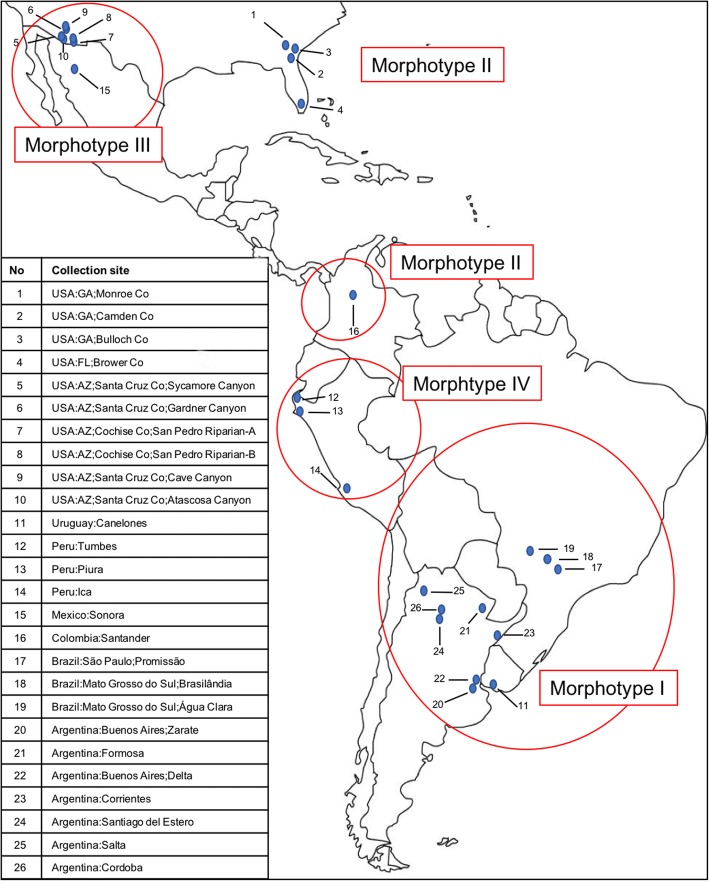
Microscopic examination identified four putative morphotypes distinguishable by disjunct geographical ranges, but very scant fixed characters. Analysis of the separated mitochondrial datasets mostly resulted in conflicting tree topologies. Nuclear gene sequences were almost identical throughout the geographical ranges of the two species, suggesting a very recent, almost explosive radiation of the terminal operational taxonomic units. Analysis of concatenated molecular datasets was more informative and indicated that, although genetically very close to the A. maculatum - A. triste lineage, A. tigrinum was a monophyletic separate entity. Within the A. maculatum - A. triste cluster, three main clades were supported. The two morphotypes, corresponding to the western North American and eastern North American populations, consistently grouped in a single monophyletic clade with many shared mitochondrial sequences among ticks of the two areas. Ticks from the two remaining morphotypes, south-eastern South America and Peruvian, corresponded to two distinct clades.
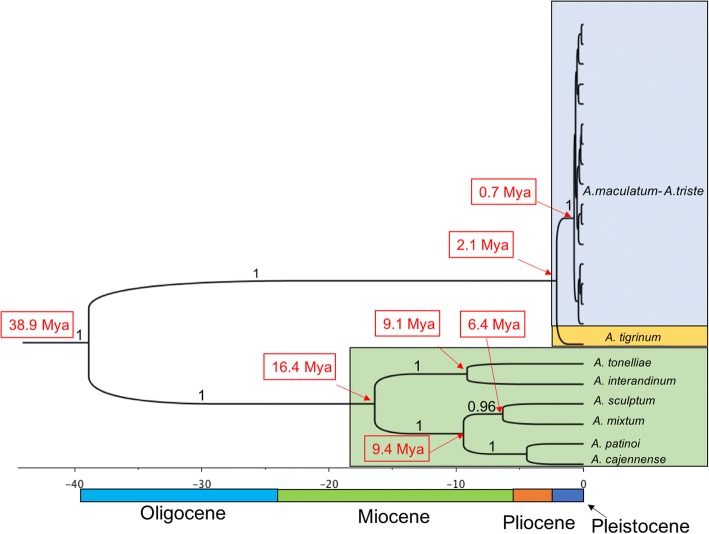
Given the paucity of morphological characters, the minimal genetic distance separating morphotypes, and more importantly the fact that two morphotypes are genetically indistinguishable, our data suggest that A. maculatum and A. triste should be synonymized and that morphological differences merely reflect very recent local adaptation to distinct environments in taxa that might be undergoing the first steps of speciation but have yet to complete lineage sorting. Nonetheless, future investigations using more sensitive nuclear markers and/or crossbreeding experiments might reveal the occurrence of very rapid speciation events in this group of taxa. Tentative node dating revealed that the A. tigrinum and A. maculatum - A. triste clades split about 2 Mya, while the A. maculatum - A.triste cluster radiated no earlier than 700,000 years ago.
本研究旨在通过对五个分子标记物(四个线粒体标记物:12S rDNA、16S rDNA、控制区(DL)和细胞色素 c 氧化酶 1(cox1),以及一个核标记物:核糖体基因间转录间隔区 2(ITS2))的系统发育分析,重新评估 A. maculatum、A. triste 和 A. tigrinum 的分类地位。此外,还彻底重新检查了来自地理上不同种群的鉴定为 A. maculatum 和 A. triste 的成年蜱的表型多样性。
显微镜检查确定了四个可区分的形态型,它们的地理分布范围不连续,但固定特征很少。分离的线粒体数据集的分析主要导致了相互冲突的树拓扑结构。核基因序列在这两个物种的地理范围内几乎完全相同,表明终端操作分类单元的辐射非常迅速。对连接的分子数据集的分析更具信息量,并表明,尽管与 A. maculatum-A.triste 谱系在遗传上非常接近,但 A. tigrinum 是一个单系的独立实体。在 A. maculatum-A. triste 聚类中,支持三个主要分支。对应于北美西部和北美东部种群的两个形态型,始终与两个地区的蜱虫的单一单系聚类。来自剩余两个形态型的蜱虫,东南南美洲和秘鲁,对应于两个不同的分支。
鉴于形态特征很少,形态型之间的遗传距离最小,更重要的是,两个形态型在遗传上无法区分,我们的数据表明 A. maculatum 和 A. triste 应该被同义化,形态差异仅反映了最近对不同环境的局部适应,在可能正在经历物种形成的第一步但尚未完成谱系分化的分类群中。然而,使用更敏感的核标记物和/或杂交实验的未来研究可能会揭示该组分类群中非常快速的物种形成事件的发生。暂定节点日期显示,A. tigrinum 和 A. maculatum-A. triste 分支在大约 200 万年前分裂,而 A. maculatum-A.triste 聚类的辐射发生在不早于 70 万年前。