Emerging Infectious Diseases Program, Duke-NUS Medical School, Singapore, Republic of Singapore.
Department of Infectious Diseases, Molecular Virology, University Hospital Heidelberg, Heidelberg, Baden-Württemberg, Germany.
J Virol. 2019 Feb 5;93(4). doi: 10.1128/JVI.01457-18. Print 2019 Feb 15.
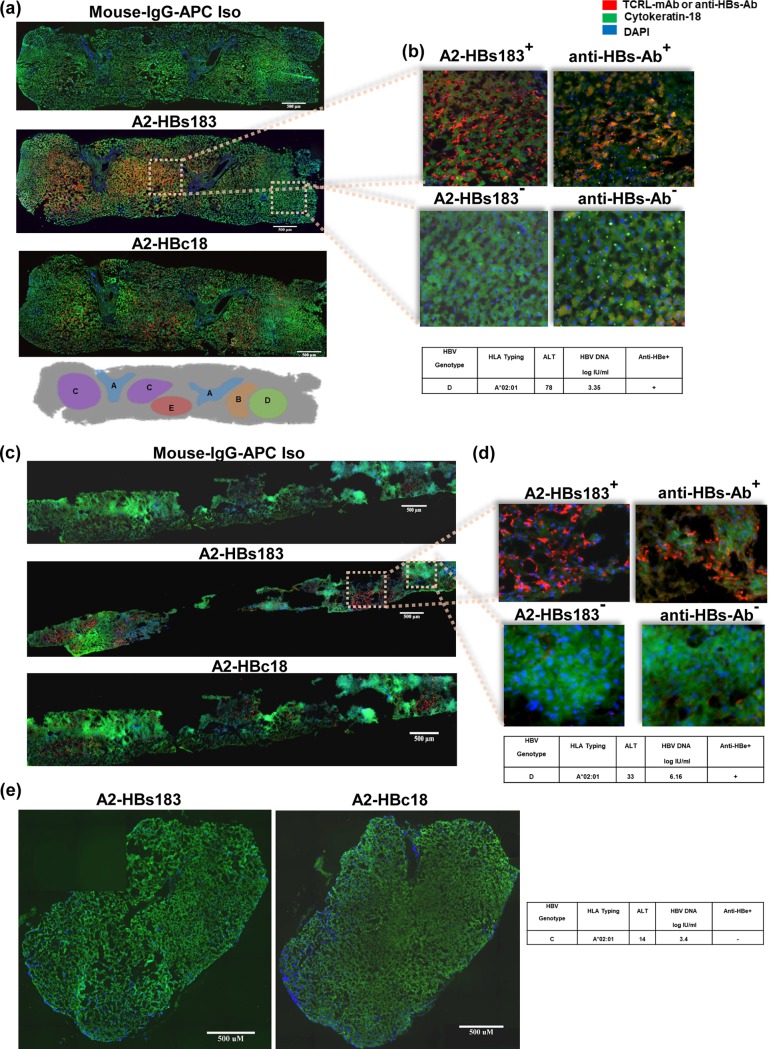
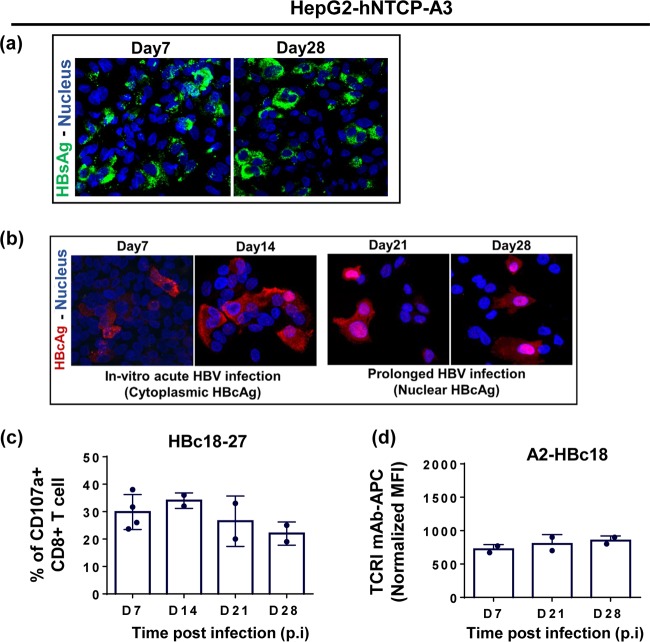
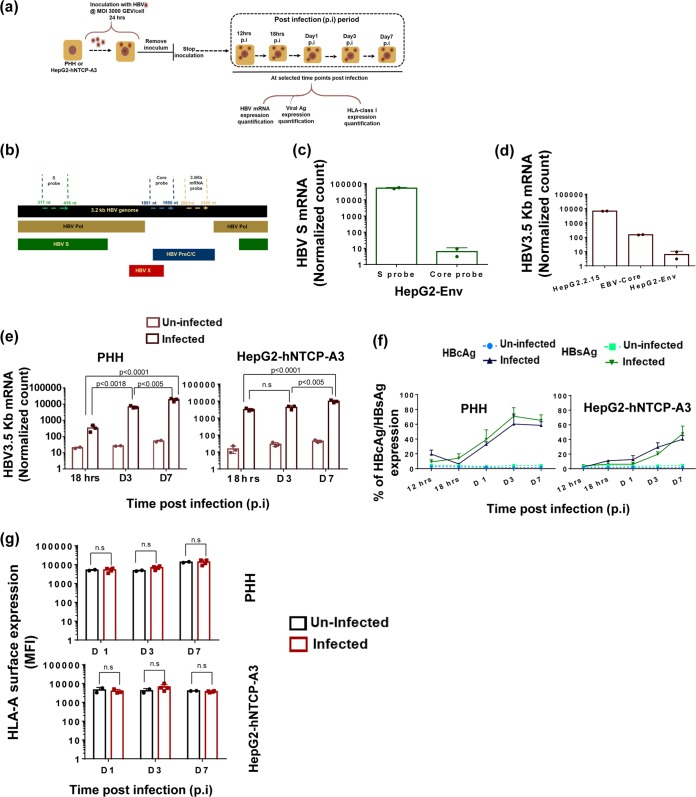
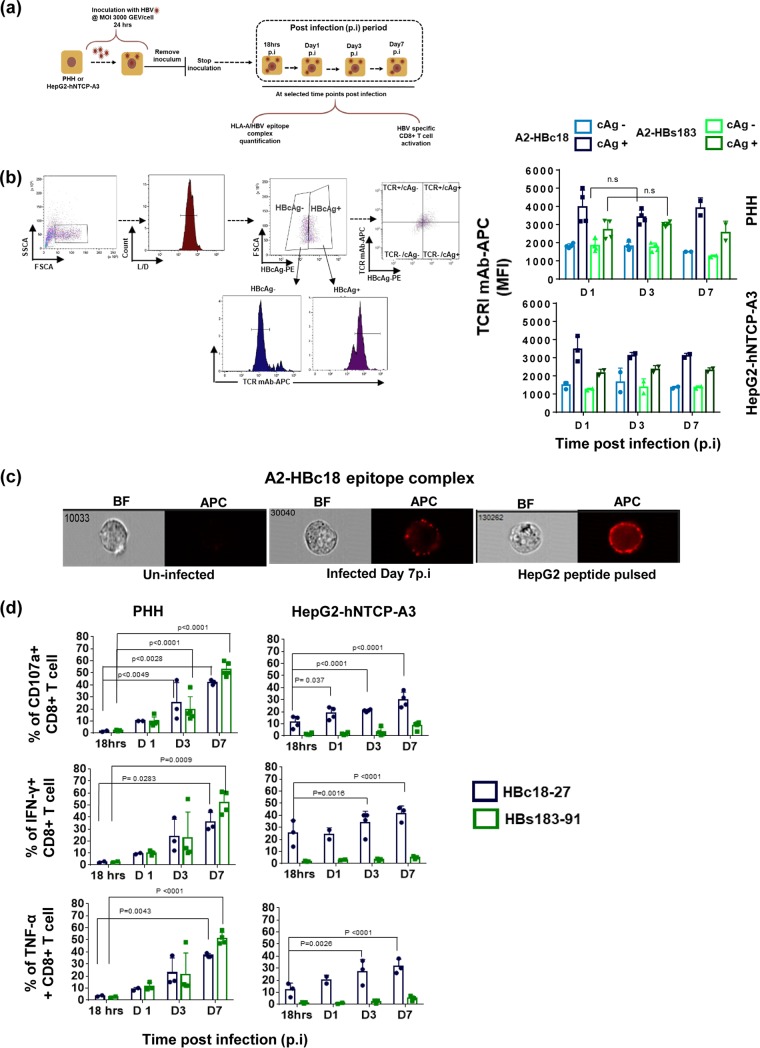
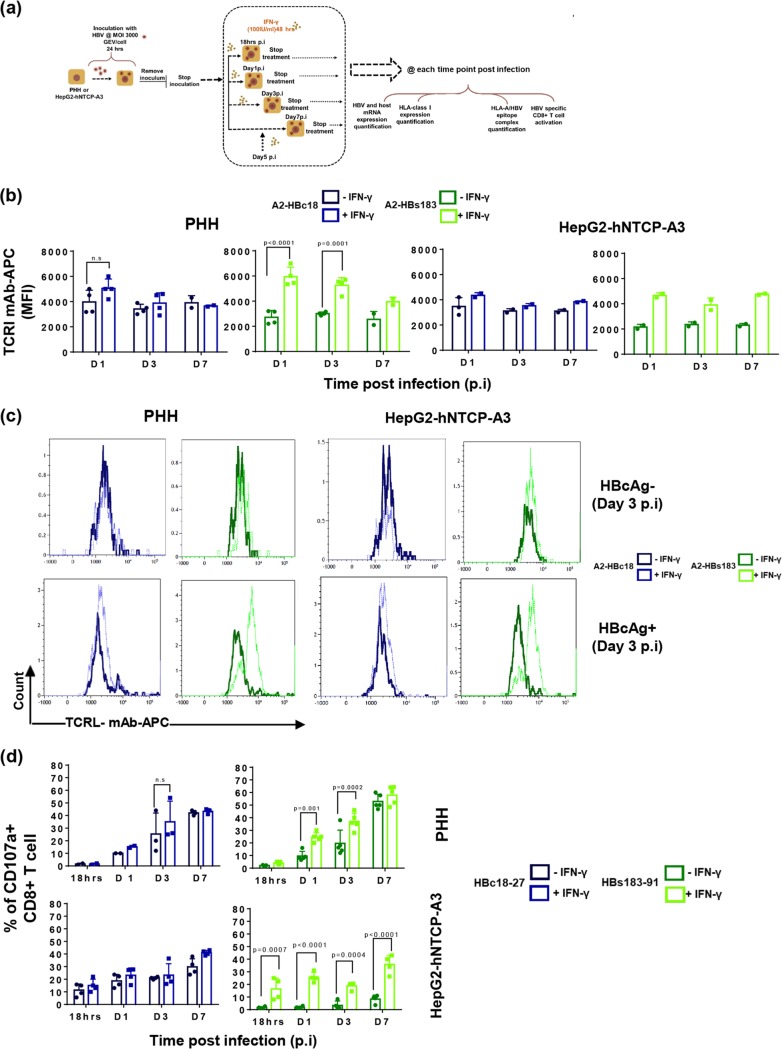
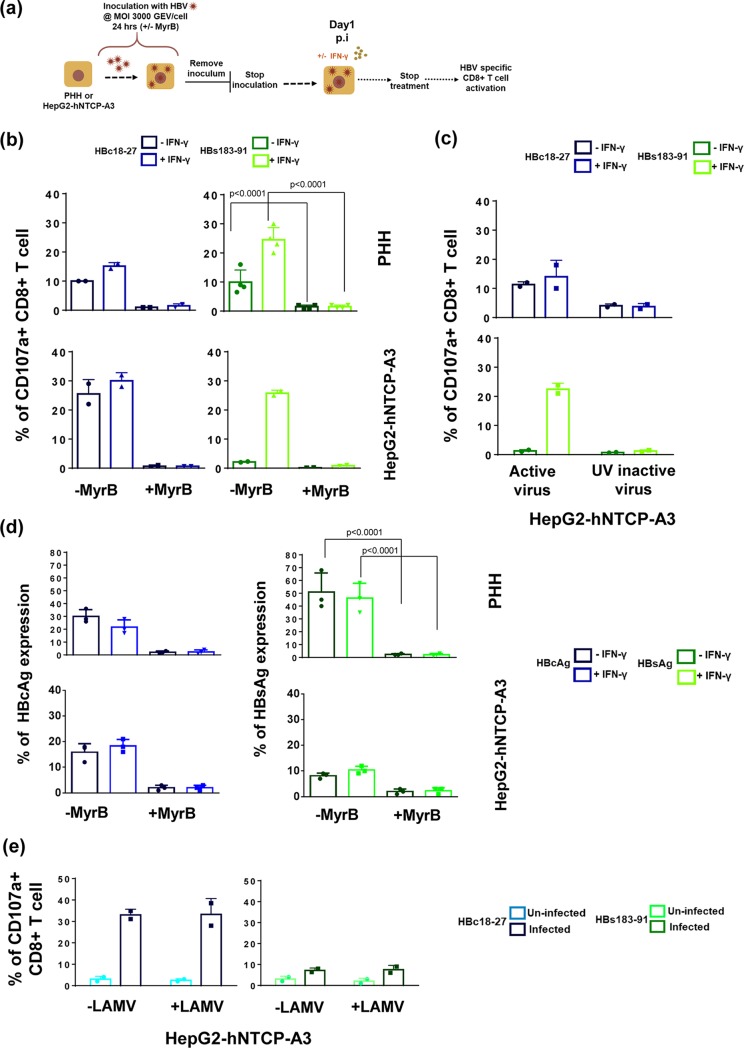
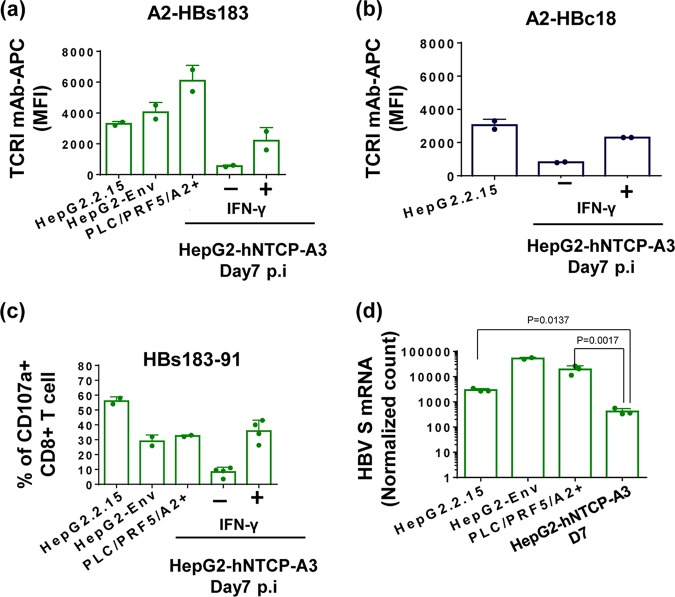
Distinct populations of hepatocytes infected with hepatitis B virus (HBV) or only harboring HBV DNA integrations coexist within an HBV chronically infected liver. These hepatocytes express HBV antigens at different levels and with different intracellular localizations, but it is not known whether this heterogeneity of viral antigen expression could result in an uneven hepatic presentation of distinct HBV epitopes/HLA class I complexes triggering different levels of activation of HBV-specific CD8 T cells. Using antibodies specific to two distinct HLA-A02:01/HBV epitope complexes of HBV nucleocapsid and envelope proteins, we mapped their topological distributions in liver biopsy specimens of two anti-hepatitis B e antigen-positive (HBe) chronic HBV (CHB) patients. We demonstrated that the core and envelope CD8 T cell epitopes were not uniformly distributed in the liver parenchyma but preferentially located in distinct and sometimes mutually exclusive hepatic zones. The efficiency of HBV epitope presentation was then tested utilizing HLA-A02:01/HBV epitope-specific antibodies and the corresponding CD8 T cells in primary human hepatocyte and hepatoma cell lines either infected with HBV or harboring HBV DNA integration. We confirmed the existence of a marked variability in the efficiency of HLA class I/HBV epitope presentation among the different targets that was influenced by the presence of gamma interferon (IFN-γ) and availability of newly translated viral antigens. In conclusion, HBV antigen presentation can be heterogeneous within an HBV-infected liver. As a consequence, CD8 T cells of different HBV specificities might have different antiviral efficacies. The inability of patients with chronic HBV infection to clear HBV is associated with defective HBV-specific CD8 T cells. Hence, the majority of immunotherapy developments focus on HBV-specific T cell function restoration. However, knowledge of whether distinct HBV-specific T cells can equally target all the HBV-infected hepatocytes of a chronically infected liver is lacking. In this work, analysis of CHB patient liver parenchyma and HBV infection models shows a nonuniform distribution of HBV CD8 T cell epitopes that is influenced by the presence of IFN-γ and availability of newly translated viral antigens. These results suggest that CD8 T cells recognizing different HBV epitopes can be necessary for efficient immune therapeutic control of chronic HBV infection.
在慢性 HBV 感染的肝脏中,存在着不同群体的被 HBV 感染的肝细胞或仅携带 HBV DNA 整合的肝细胞。这些肝细胞以不同的水平和不同的细胞内定位表达 HBV 抗原,但尚不清楚这种病毒抗原表达的异质性是否会导致不同 HBV 表位/HLA Ⅰ类复合物在肝脏中的不均匀呈递,从而触发不同水平的 HBV 特异性 CD8 T 细胞的激活。我们使用针对 HBV 核衣壳和包膜蛋白的两个不同 HLA-A02:01/HBV 表位复合物的特异性抗体,在两名抗乙型肝炎 e 抗原阳性 (HBe) 慢性 HBV (CHB) 患者的肝活检标本中绘制了它们的拓扑分布。我们证明了核心和包膜 CD8 T 细胞表位在肝实质中不是均匀分布的,而是优先定位于不同的、有时是相互排斥的肝区。然后,我们利用 HLA-A02:01/HBV 表位特异性抗体和相应的 CD8 T 细胞,在感染 HBV 或携带 HBV DNA 整合的原代人肝细胞和肝癌细胞系中,测试了 HBV 表位呈递的效率。我们证实了不同靶标之间 HLA Ⅰ类/HBV 表位呈递效率的显著变异性,这种变异性受到γ干扰素 (IFN-γ) 的存在和新翻译的病毒抗原的可用性的影响。总之,HBV 感染的肝脏中 HBV 抗原的呈递可能是异质的。因此,不同 HBV 特异性的 CD8 T 细胞可能具有不同的抗病毒效力。慢性 HBV 感染患者不能清除 HBV 与 HBV 特异性 CD8 T 细胞功能缺陷有关。因此,大多数免疫治疗的发展都集中在 HBV 特异性 T 细胞功能的恢复上。然而,对于慢性 HBV 感染的肝脏中是否所有 HBV 感染的肝细胞都能被不同的 HBV 特异性 T 细胞靶向,尚不清楚。在这项工作中,对 CHB 患者肝组织和 HBV 感染模型的分析显示,HBV CD8 T 细胞表位的分布不均匀,这种分布受 IFN-γ 的存在和新翻译的病毒抗原的可用性的影响。这些结果表明,识别不同 HBV 表位的 CD8 T 细胞可能是有效免疫治疗慢性 HBV 感染所必需的。