Mohr Teresa, Aliyu Habibu, Küchlin Raphael, Zwick Michaela, Cowan Don, Neumann Anke, de Maayer Pieter
Section II: Technical Biology, Institute of Process engineering in Life Science, Karlsruhe Institute of Technology, Kaiserstrasse 12, 76131, Karlsruhe, Germany.
Centre for Microbial Ecology and Genomics, Department of Biochemistry, Genetics and Microbiology, University of Pretoria, Hatfield, Pretoria, 0028, South Africa.
BMC Genomics. 2018 Dec 6;19(1):880. doi: 10.1186/s12864-018-5302-9.
The facultatively anaerobic thermophile Parageobacillus thermoglucosidasius produces hydrogen gas (H) by coupling CO oxidation to proton reduction in the water-gas shift (WGS) reaction via a carbon monoxide dehydrogenase-hydrogenase enzyme complex. Although little is known about the hydrogenogenic capacities of different strains of this species, these organisms offer a potentially viable process for the synthesis of this alternative energy source.
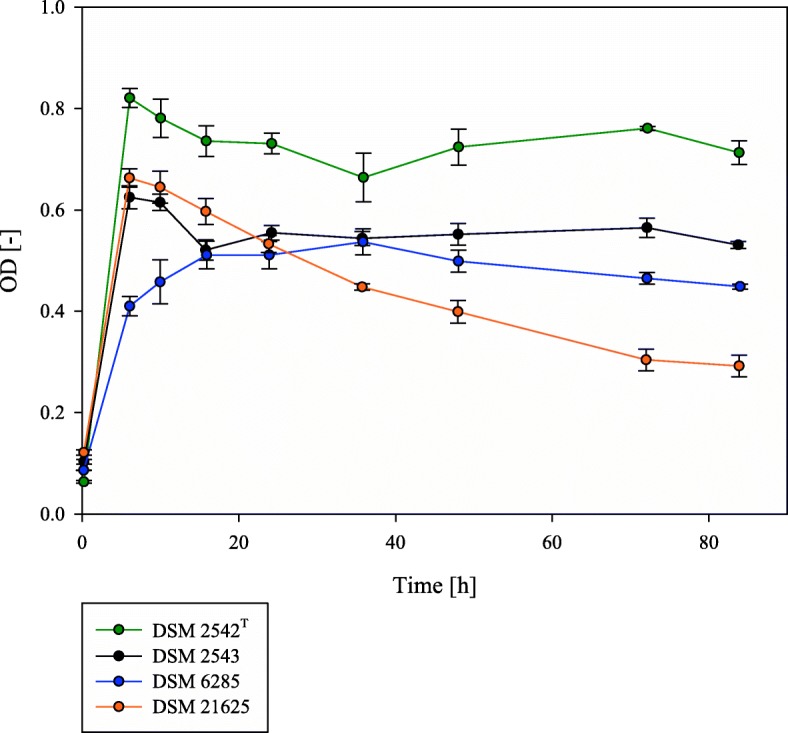
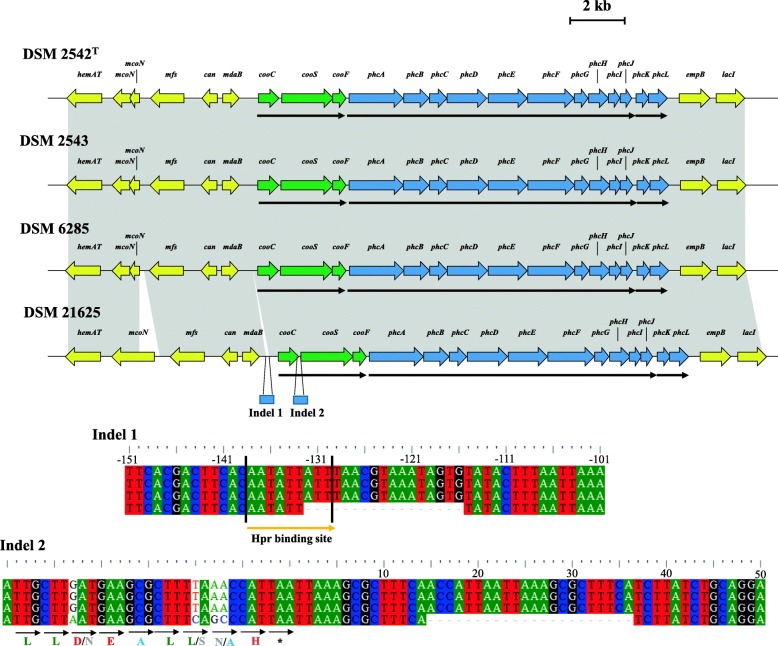
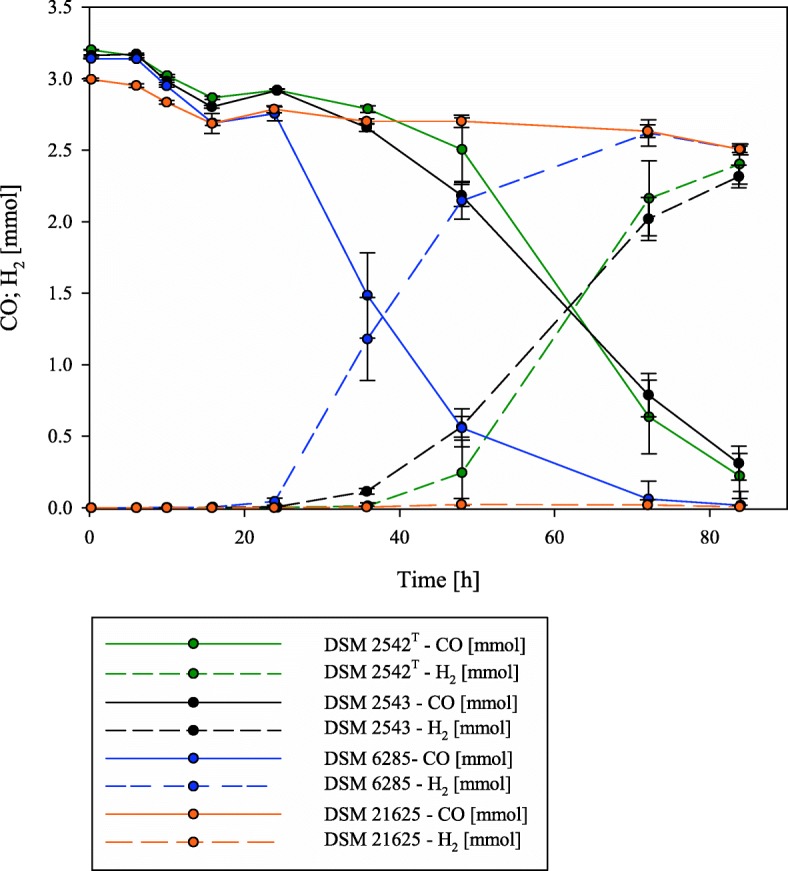
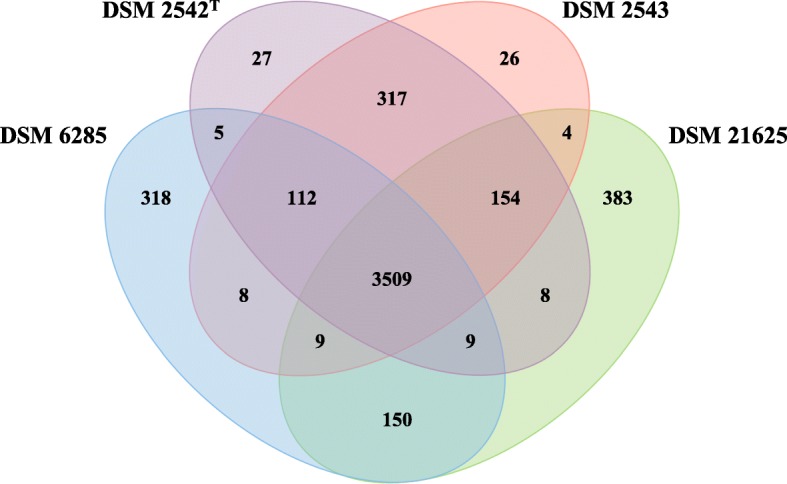
The WGS-catalyzed H production capacities of four distinct P. thermoglucosidasius strains were determined by cultivation and gas analysis. Three strains (DSM 2542, DSM 2543 and DSM 6285) were hydrogenogenic, while the fourth strain (DSM 21625) was not. Furthermore, in one strain (DSM 6285) H production commenced earlier in the cultivation than the other hydrogenogenic strains. Comparative genomic analysis of the four strains identified extensive differences in the protein complement encoded on the genomes, some of which are postulated to contribute to the different hydrogenogenic capacities of the strains. Furthermore, polymorphisms and deletions in the CODH-NiFe hydrogenase loci may also contribute towards this variable phenotype.
Disparities in the hydrogenogenic capacities of different P. thermoglucosidasius strains were identified, which may be correlated to variability in their global proteomes and genetic differences in their CODH-NiFe hydrogenase loci. The data from this study may contribute towards an improved understanding of WGS-catalysed hydrogenogenesis by P. thermoglucosidasius.
兼性厌氧嗜热菌嗜热葡糖苷芽孢杆菌通过一氧化碳脱氢酶-氢化酶酶复合物,在水煤气变换(WGS)反应中将CO氧化与质子还原偶联,从而产生氢气(H₂)。尽管对于该物种不同菌株的产氢能力了解甚少,但这些微生物为这种替代能源的合成提供了一种潜在可行的方法。
通过培养和气体分析确定了四种不同的嗜热葡糖苷芽孢杆菌菌株的WGS催化产氢能力。三株菌株(DSM 2542、DSM 2543和DSM 6285)具有产氢能力,而第四株菌株(DSM 21625)则不具备。此外,在一株菌株(DSM 6285)中,产氢在培养过程中比其他产氢菌株开始得更早。对这四株菌株的比较基因组分析发现,基因组编码的蛋白质互补物存在广泛差异,其中一些差异被认为导致了菌株产氢能力的不同。此外,CODH-NiFe氢化酶基因座的多态性和缺失也可能导致这种可变表型。
确定了不同嗜热葡糖苷芽孢杆菌菌株产氢能力的差异,这可能与其整体蛋白质组的变异性以及CODH-NiFe氢化酶基因座的遗传差异相关。本研究的数据可能有助于更好地理解嗜热葡糖苷芽孢杆菌催化的WGS产氢过程。