Shang Ai-Jia, Yang Chang-Hao, Cheng Cheng, Tao Ben-Zhang, Zhang Yuan-Zheng, Gao Hai-Hao, Bai Shao-Cong
Department of Neurosurgery, PLA General Hospital, Beijing, China.
Department of Neurosurgery, Yanan University Affiliated Hospital, Yanan, Shaanxi Province, China.
Neural Regen Res. 2019 Jan;14(1):149-155. doi: 10.4103/1673-5374.243720.
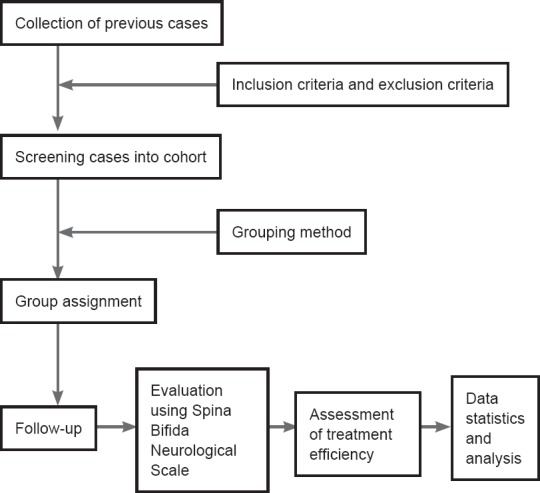
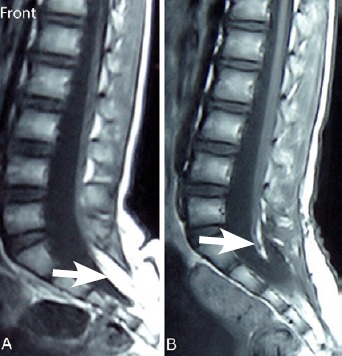
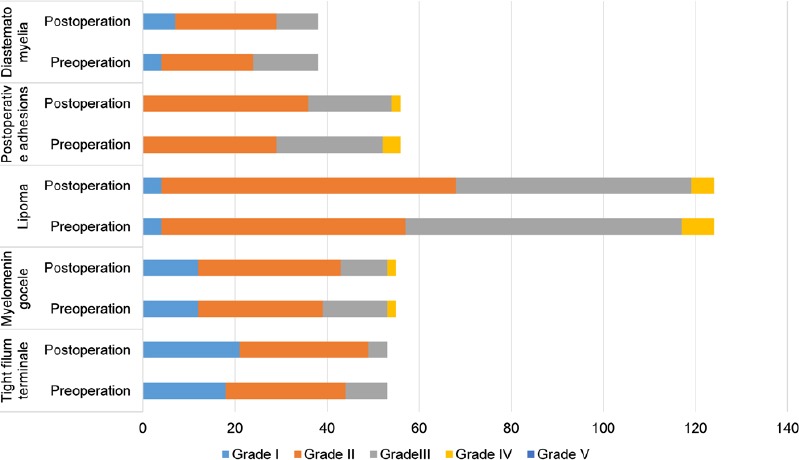
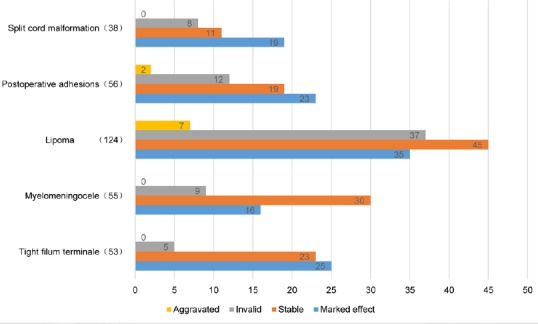
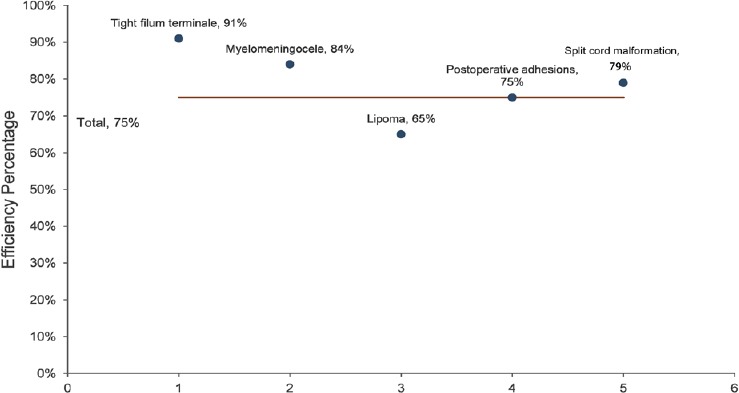
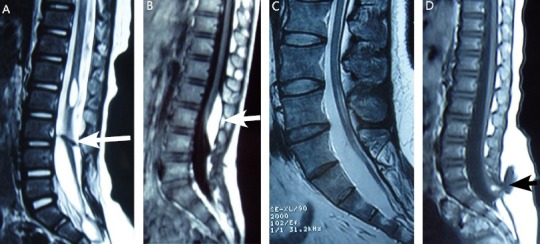
Tethered cord syndrome is a progressive disease with a typically insidious onset in infants and children, and which can lead to persistent progress of neurological deficits and a high rate of disability without timely intervention. The purpose of this study was to investigate the curative effect of microsurgery in children with different types of tethered cord syndrome. In this study, we analyzed 326 patients with tethered cord syndrome, aged from 2 months to 14 years old, who were followed for 3-36 months after microscopic surgery. Based on clinical manifestations and imaging findings, these patients were classified into five types: tight filum terminale (53 cases), lipomyelomeningocele (55 cases), lipomatous malformation (124 cases), postoperative adhesions (56 cases), and split cord malformation (38 cases). All patients underwent microsurgery. Curative effects were measured before and 3 months after surgery by Spina Bifida Neurological Scale based on sensory and motor functions, reflexes, and bladder and bowel function. The results showed that Spina Bifida Neurological Scale scores improved in all five types after surgery. Overall effective rates in these patients were 75%. Effective rates were 91% in tight filum terminale, 84% in lipomyelomeningocele, 65% in lipomatous malformation, 75% in postoperative adhesion, and 79% in split cord malformation. Binary logistic regression analysis revealed that types of tethered cord syndrome (lipoma-type or not) and symptom duration before surgery were independent influencing factors of surgical outcome. These results show that therapeutic effect is markedly different in patients with different types of tethered cord syndrome. Suitable clinical classification for tethered cord syndrome will be helpful in predicting prognosis and guiding treatment. This trial has been registered in the Chinese Clinical Trial Registry (registration number: ChiCTR1800016464).
脊髓拴系综合征是一种进展性疾病,在婴幼儿和儿童中起病通常隐匿,若不及时干预,可导致神经功能缺损持续进展,致残率高。本研究旨在探讨显微手术治疗不同类型脊髓拴系综合征患儿的疗效。本研究分析了326例脊髓拴系综合征患儿,年龄2个月至14岁,显微手术后随访3 - 36个月。根据临床表现和影像学检查结果,将这些患儿分为5型:终丝紧张型(53例)、脂肪瘤型脊髓脊膜膨出(55例)、脂肪瘤样畸形(124例)、术后粘连型(56例)和脊髓纵裂畸形(38例)。所有患儿均接受显微手术。采用脊柱裂神经功能量表,基于感觉和运动功能、反射以及膀胱和肠道功能,在术前和术后3个月评估疗效。结果显示,术后所有5型患儿的脊柱裂神经功能量表评分均有改善。这些患儿的总体有效率为75%。终丝紧张型有效率为91%,脂肪瘤型脊髓脊膜膨出为84%,脂肪瘤样畸形为65%,术后粘连型为75%,脊髓纵裂畸形为79%。二元logistic回归分析显示,脊髓拴系综合征类型(是否为脂肪瘤型)和术前症状持续时间是手术疗效的独立影响因素。这些结果表明,不同类型脊髓拴系综合征患儿的治疗效果差异显著。合适的脊髓拴系综合征临床分型有助于预测预后和指导治疗。本试验已在中国临床试验注册中心注册(注册号:ChiCTR1800016464)。