Steno Diabetes Center Copenhagen, Niels Steensens Vej 2, 2820, Gentofte, Denmark.
Novo Nordisk Foundation Center for Basic Metabolic Research, Faculty of Health and Medical Sciences, University of Copenhagen, Copenhagen, Denmark.
Diabetologia. 2019 Feb;62(2):292-305. doi: 10.1007/s00125-018-4783-z. Epub 2018 Dec 13.
AIMS/HYPOTHESIS: Identifying rare coding variants associated with albuminuria may open new avenues for preventing chronic kidney disease and end-stage renal disease, which are highly prevalent in individuals with diabetes. Efforts to identify genetic susceptibility variants for albuminuria have so far been limited, with the majority of studies focusing on common variants.
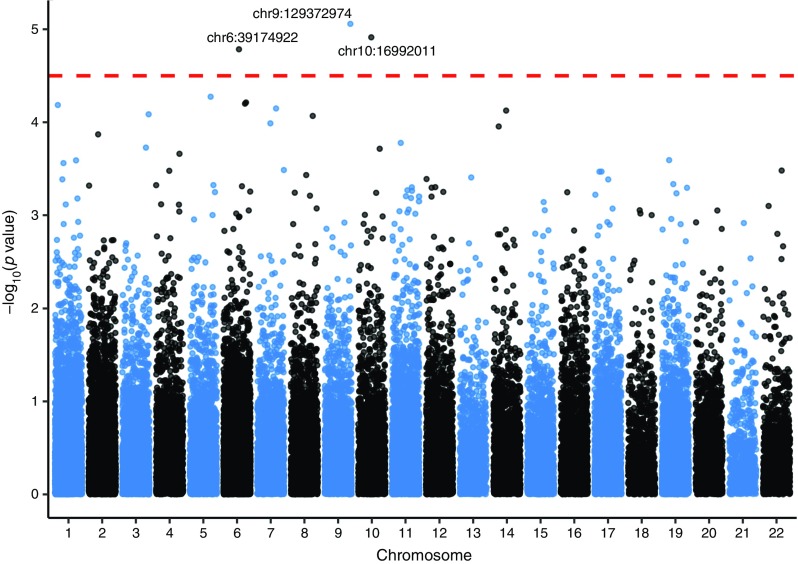
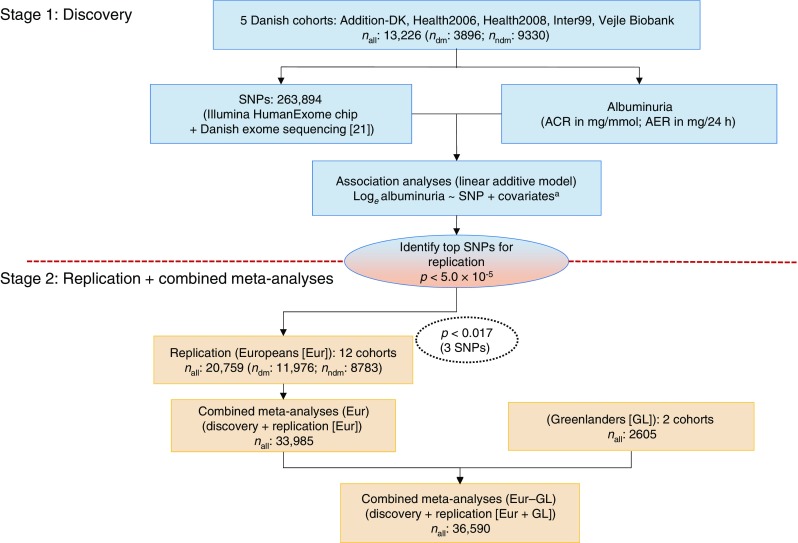
We performed an exome-wide association study to identify coding variants in a two-stage (discovery and replication) approach. Data from 33,985 individuals of European ancestry (15,872 with and 18,113 without diabetes) and 2605 Greenlanders were included.
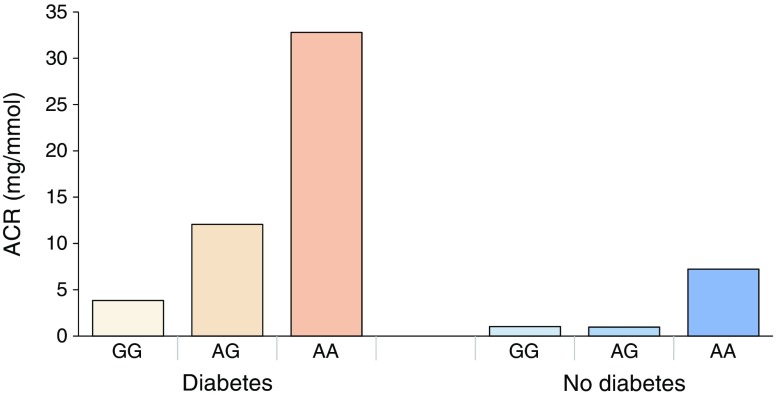
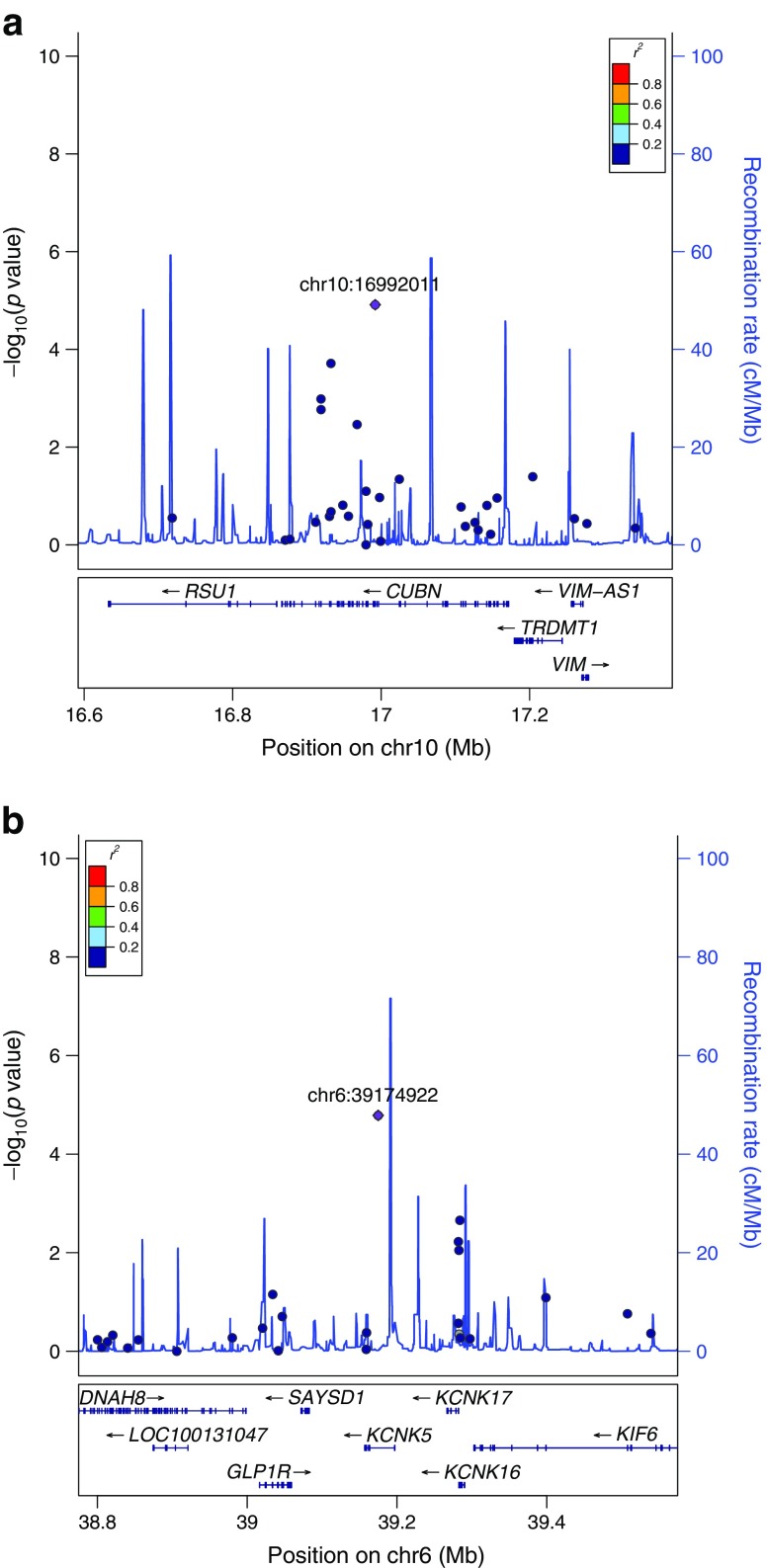
We identified a rare (minor allele frequency [MAF]: 0.8%) missense (A1690V) variant in CUBN (rs141640975, β = 0.27, p = 1.3 × 10) associated with albuminuria as a continuous measure in the combined European meta-analysis. The presence of each rare allele of the variant was associated with a 6.4% increase in albuminuria. The rare CUBN variant had an effect that was three times stronger in individuals with type 2 diabetes compared with those without (p = 7.0 × 10, β with diabetes = 0.69, β without diabetes = 0.20) in the discovery meta-analysis. Gene-aggregate tests based on rare and common variants identified three additional genes associated with albuminuria (HES1, CDC73 and GRM5) after multiple testing correction (p < 2.7 × 10).
CONCLUSIONS/INTERPRETATION: The current study identifies a rare coding variant in the CUBN locus and other potential genes associated with albuminuria in individuals with and without diabetes. These genes have been implicated in renal and cardiovascular dysfunction. The findings provide new insights into the genetic architecture of albuminuria and highlight target genes and pathways for the prevention of diabetes-related kidney disease.
目的/假设:鉴定与白蛋白尿相关的罕见编码变异可能为预防慢性肾病和终末期肾病开辟新途径,这些疾病在糖尿病患者中极为普遍。迄今为止,鉴定白蛋白尿遗传易感性变异的努力受到限制,大多数研究都集中在常见变异上。
我们采用两阶段(发现和复制)方法进行外显子组全关联研究,以鉴定编码变异。研究数据包括 33985 名欧洲血统个体(15872 名患有糖尿病,18113 名无糖尿病)和 2605 名格陵兰人。
我们在欧洲联合荟萃分析中发现了一个罕见的(次要等位基因频率 [MAF]:0.8%)错义(A1690V)变体 CUBN(rs141640975,β=0.27,p=1.3×10)与白蛋白尿呈连续测量相关。该变异体每个稀有等位基因的存在与白蛋白尿增加 6.4%相关。在发现荟萃分析中,与无糖尿病患者相比,该罕见的 CUBN 变体在 2 型糖尿病患者中的作用要强三倍(p=7.0×10,β伴糖尿病=0.69,β无糖尿病=0.20)。在多重检验校正后,基于罕见和常见变异的基因集合检验确定了另外三个与白蛋白尿相关的基因(HES1、CDC73 和 GRM5)(p<2.7×10)。
结论/解释:本研究鉴定了 CUBN 基因座中的一个罕见编码变异体以及其他与糖尿病患者和无糖尿病患者白蛋白尿相关的潜在基因。这些基因与肾脏和心血管功能障碍有关。这些发现为白蛋白尿的遗传结构提供了新的见解,并强调了预防糖尿病相关肾病的靶基因和途径。