Methner Ulrich, Moog Udo
Institute of Bacterial Infections and Zoonoses at the Friedrich-Loeffler-Institute, Federal Research Institute for Animal Health, Naumburger Str. 96a, 07743, Jena, Germany.
Thuringian Animal Diseases Fund, Victor-Goerttler-Str. 4, 07745, Jena, Germany.
BMC Vet Res. 2018 Dec 17;14(1):401. doi: 10.1186/s12917-018-1741-4.
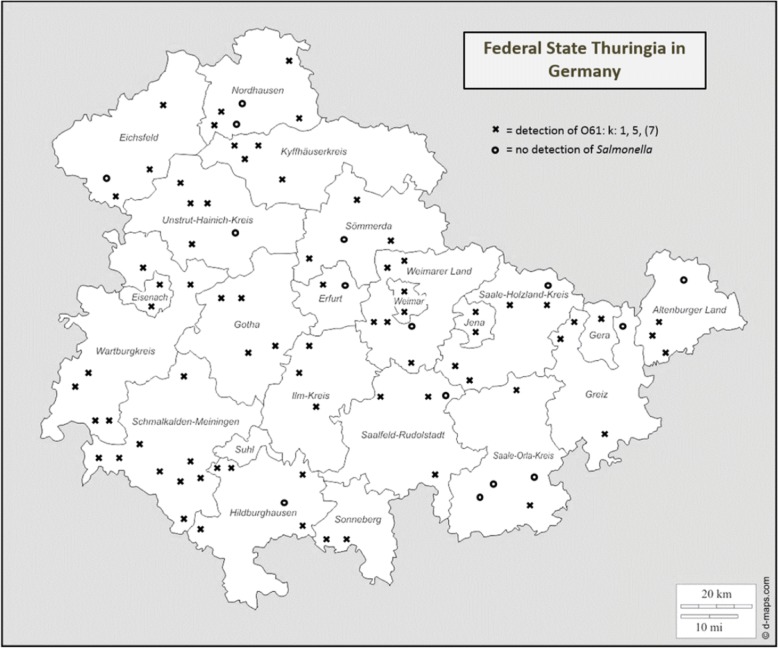
The occurrence of Salmonella enterica subspecies diarizonae serovar 61: k: 1, 5, (7) (SASd) and other Salmonella organisms in sheep in the German federal state of Thuringia was examined for the first time. Pooled faecal samples from 90 flocks located in this state were monitored.
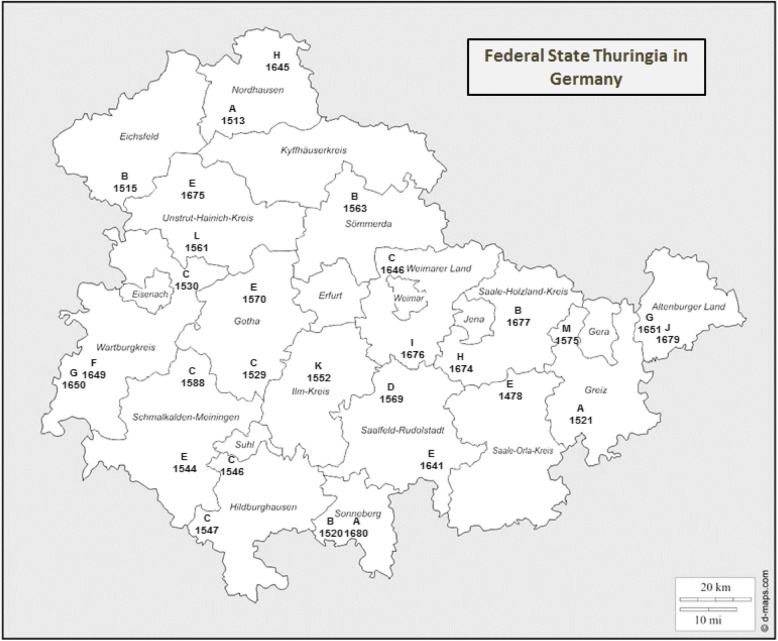
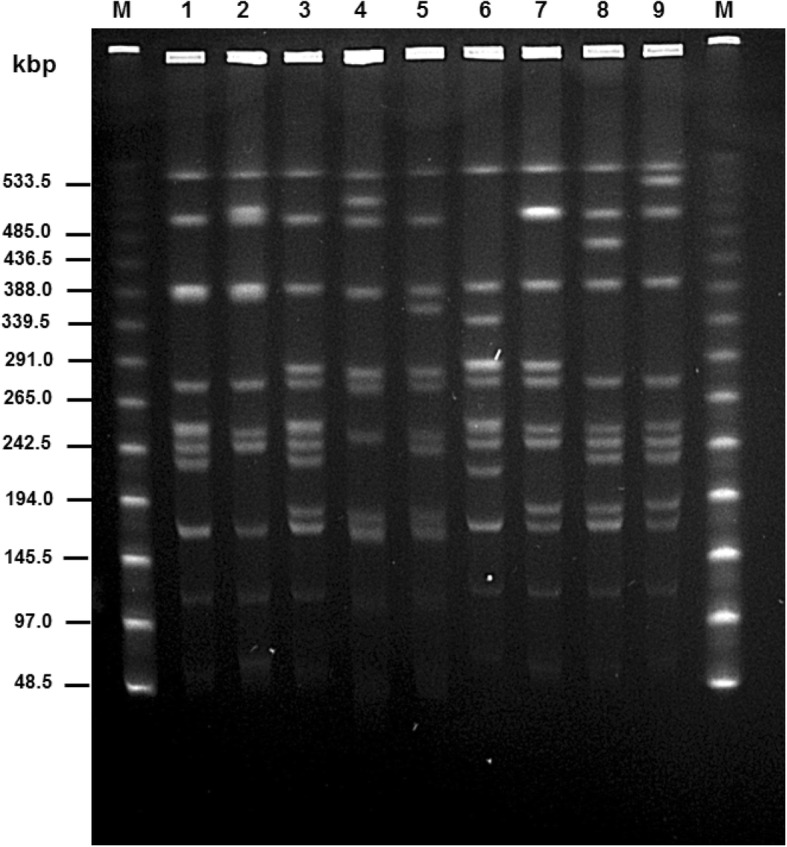
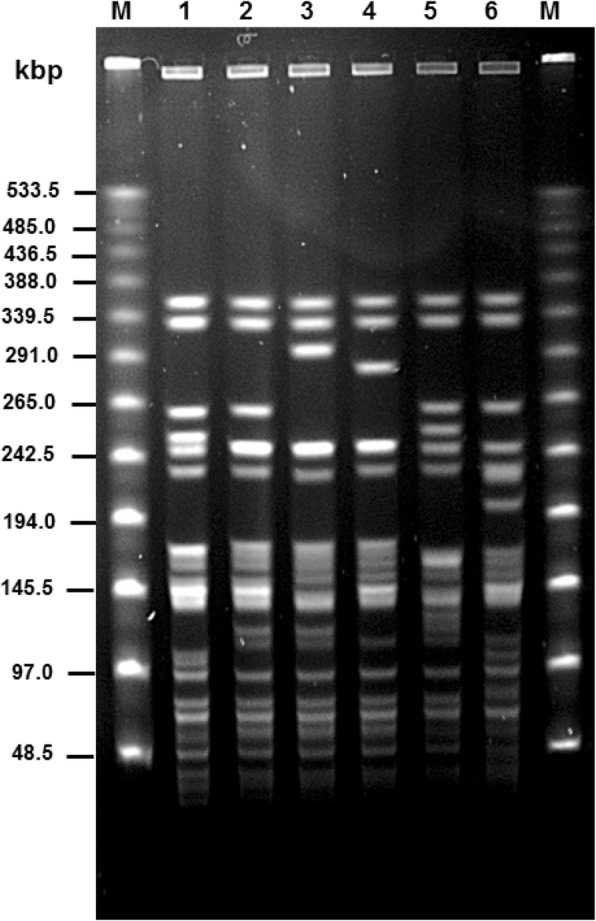
Only SASd was detected in 74 (82.2%) out of the 90 sheep herds, other Salmonella serovars were not identified. A positive correlation was found between the flock size and the detection probability of SASd. Despite the agent's high prevalence, clinical symptoms of a disease exclusively due to SASd have not been observed. The SASd strains were characterised by macrorestriction analysis, antimicrobial testing and the biochemical profile. All strains were sensitive to 13 out of 14 antimicrobial substances and resistant to only sulfamethoxazole. The high number of macrorestriction groups of SASd strains indicated a low clonality of the serovar.
Data from sheep derived foods and public health data in Germany strongly suggest that the significance of SASd for public health is considerably lower than that of serovars belonging to Salmonella enterica subspecies enterica. For this reason and because of the low disease-causing potential of SASd in sheep, it is worthwile to consider a reduction in ongoing activities from combating to monitoring serovar 61: k: 1, 5, (7) in the sheep population.
首次对德国图林根州绵羊体内肠炎沙门氏菌亚利桑那亚种血清型61:k:1,5,(7)(SASd)及其他沙门氏菌的出现情况进行了检测。对该州90个羊群的粪便混合样本进行了监测。
在90个羊群中的74个(82.2%)检测到了SASd,未发现其他沙门氏菌血清型。发现羊群规模与SASd的检测概率之间存在正相关。尽管该病原体的流行率很高,但尚未观察到仅由SASd引起的疾病的临床症状。通过宏观限制性分析、抗菌测试和生化谱对SASd菌株进行了特征描述。所有菌株对14种抗菌物质中的13种敏感,仅对磺胺甲恶唑耐药。SASd菌株的大量宏观限制性组表明该血清型的克隆性较低。
来自德国绵羊源性食品的数据和公共卫生数据强烈表明,SASd对公共卫生的重要性远低于肠炎沙门氏菌亚种肠道亚种的血清型。出于这个原因,也由于SASd在绵羊中的致病潜力较低,值得考虑减少目前在绵羊群体中针对血清型61:k:1,5,(7)从防治到监测的活动。