Department of Pediatric Oncology, Dana-Farber Cancer Institute, Boston, MA, USA.
Department of Medical Oncology, Dana-Farber Cancer Institute, Boston, MA, USA.
Nature. 2019 Jan;565(7737):43-48. doi: 10.1038/s41586-018-0768-9. Epub 2018 Dec 17.
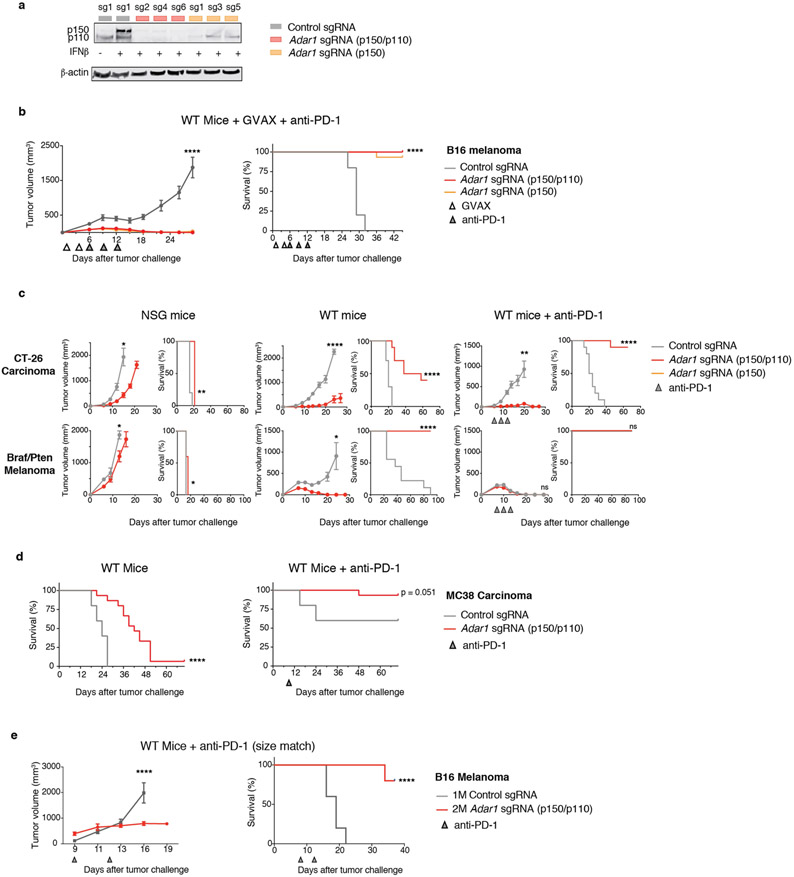
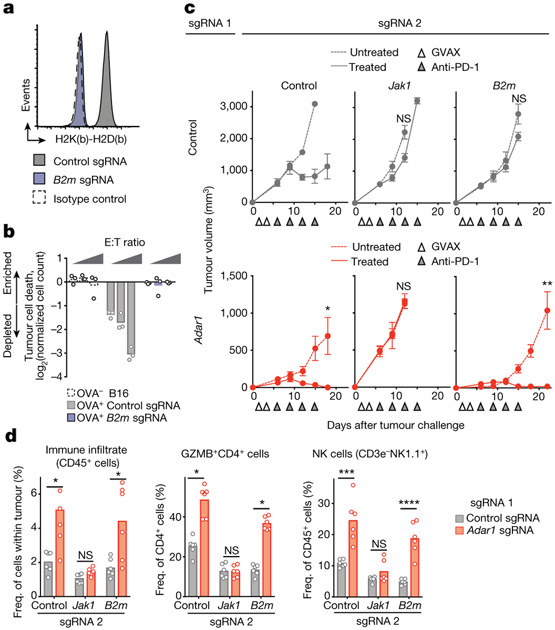
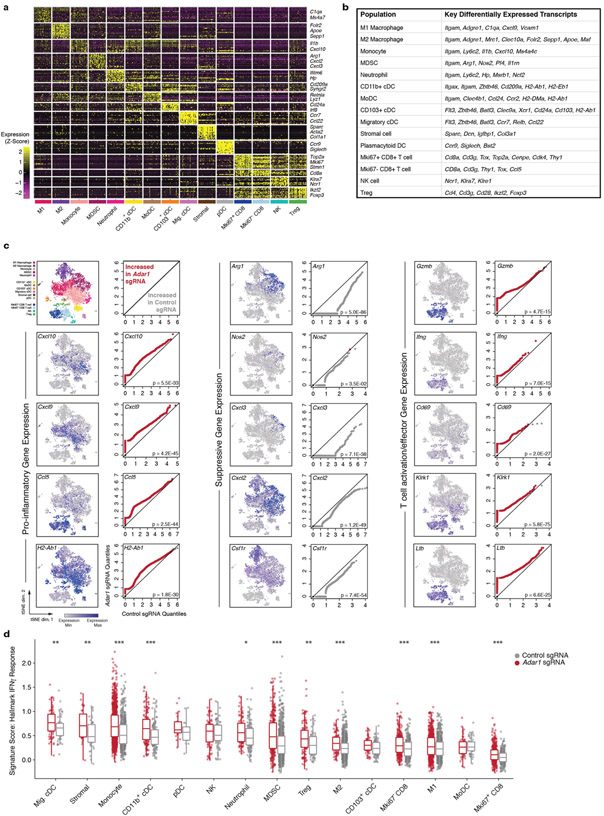
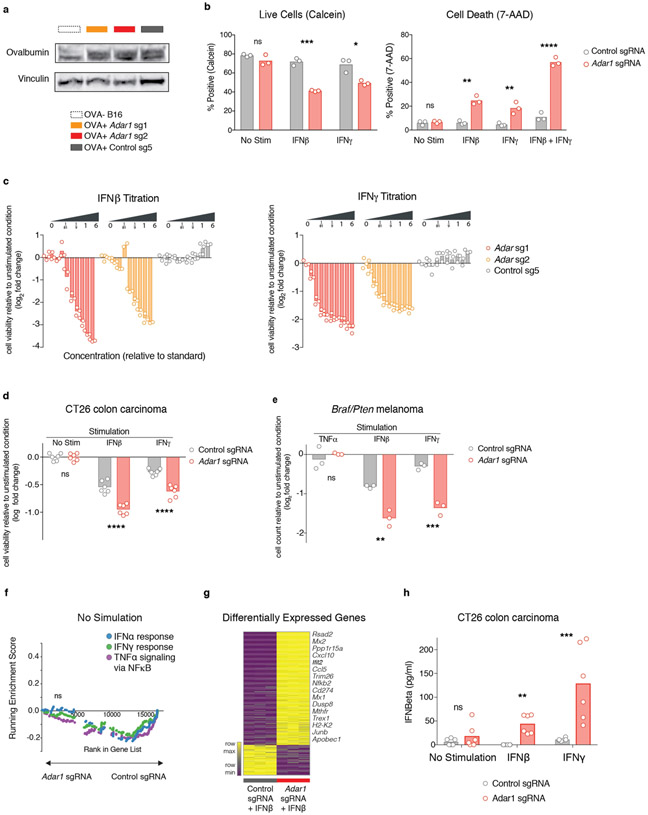
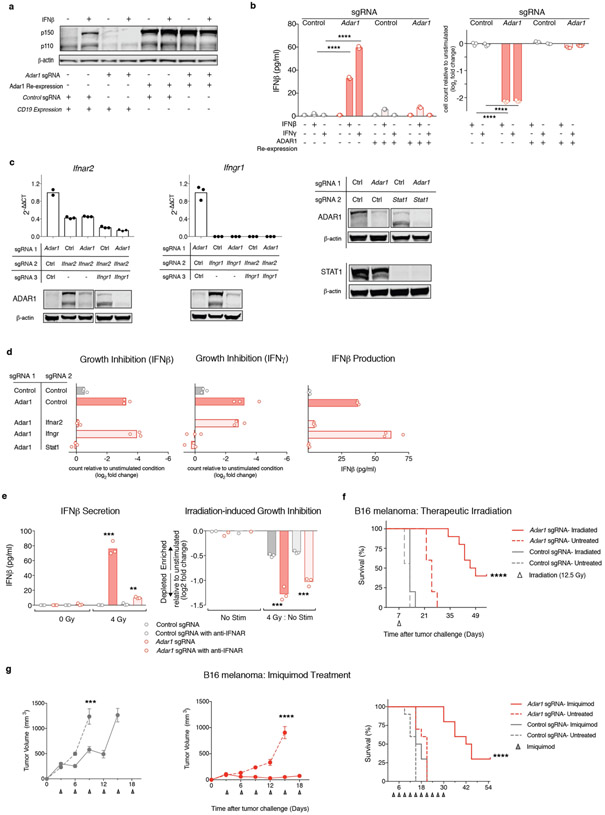
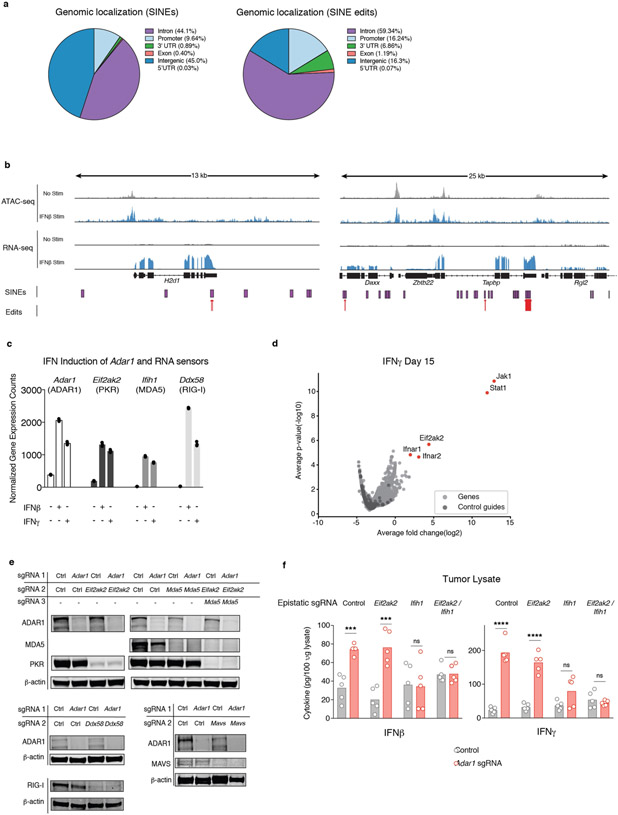
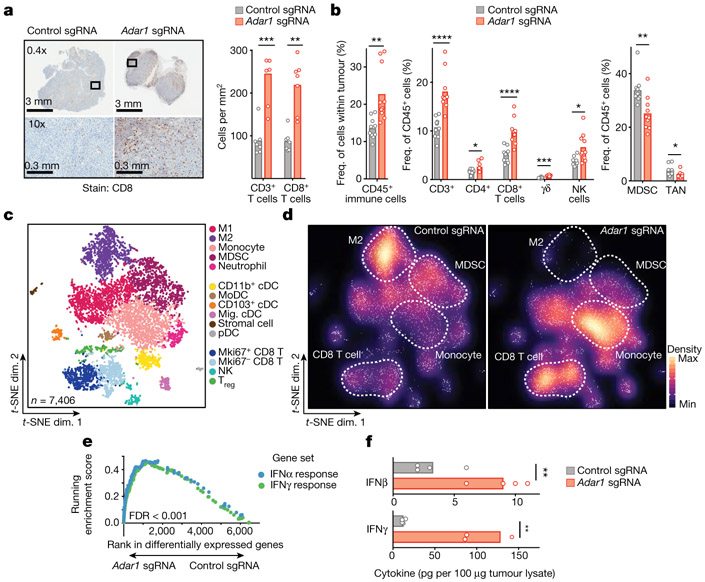
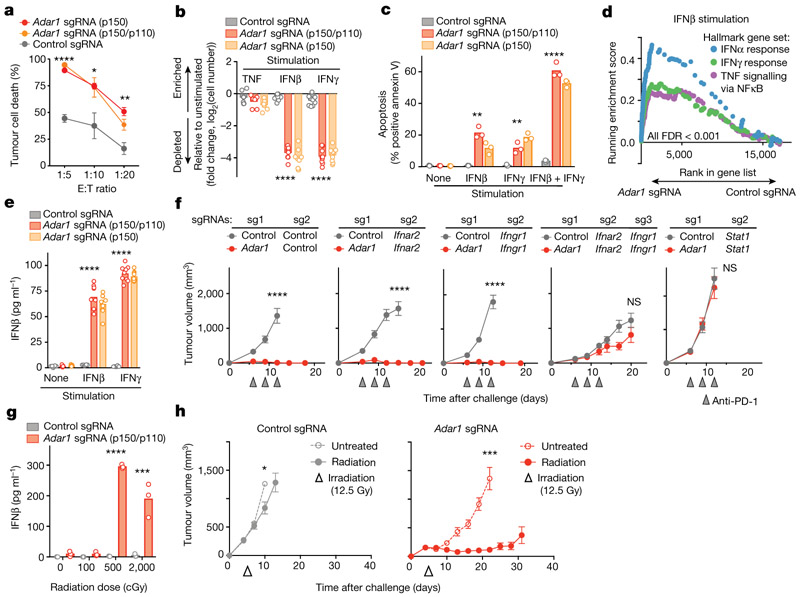
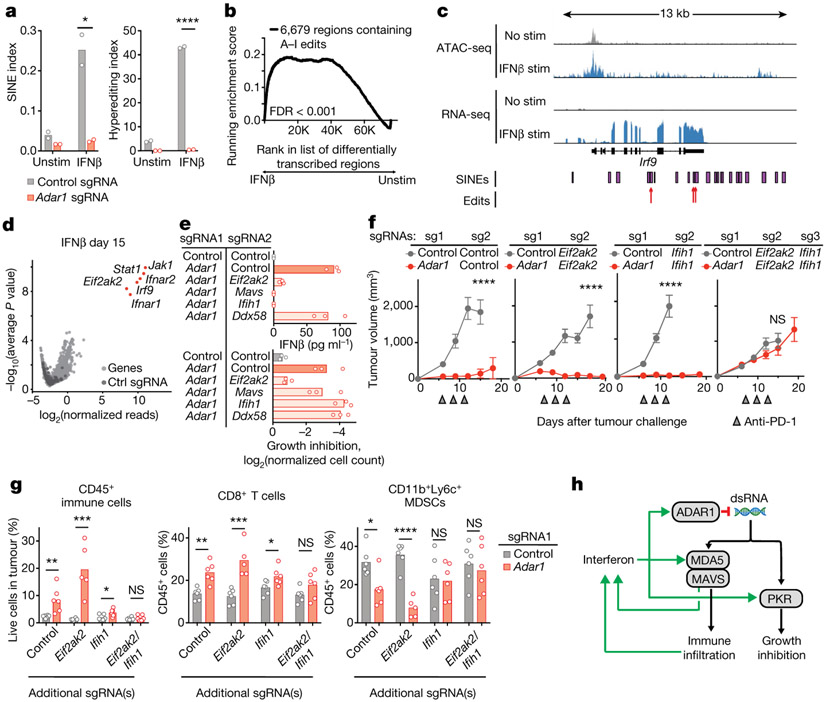
Most patients with cancer either do not respond to immune checkpoint blockade or develop resistance to it, often because of acquired mutations that impair antigen presentation. Here we show that loss of function of the RNA-editing enzyme ADAR1 in tumour cells profoundly sensitizes tumours to immunotherapy and overcomes resistance to checkpoint blockade. In the absence of ADAR1, A-to-I editing of interferon-inducible RNA species is reduced, leading to double-stranded RNA ligand sensing by PKR and MDA5; this results in growth inhibition and tumour inflammation, respectively. Loss of ADAR1 overcomes resistance to PD-1 checkpoint blockade caused by inactivation of antigen presentation by tumour cells. Thus, effective anti-tumour immunity is constrained by inhibitory checkpoints such as ADAR1 that limit the sensing of innate ligands. The induction of sufficient inflammation in tumours that are sensitized to interferon can bypass the therapeutic requirement for CD8 T cell recognition of cancer cells and may provide a general strategy to overcome immunotherapy resistance.
大多数癌症患者对免疫检查点阻断治疗没有反应或产生耐药性,这通常是因为获得性突变会损害抗原呈递。在这里,我们发现肿瘤细胞中 RNA 编辑酶 ADAR1 的功能丧失会使肿瘤对免疫治疗高度敏感,并克服对检查点阻断的耐药性。在缺乏 ADAR1 的情况下,干扰素诱导的 RNA 物种的 A 到 I 编辑减少,导致双链 RNA 配体被 PKR 和 MDA5 识别;这分别导致生长抑制和肿瘤炎症。ADAR1 的缺失克服了肿瘤细胞抗原呈递失活引起的 PD-1 检查点阻断耐药性。因此,像 ADAR1 这样的抑制性检查点会限制对先天配体的感知,从而限制有效的抗肿瘤免疫。在对干扰素敏感的肿瘤中诱导足够的炎症可以绕过 CD8 T 细胞识别癌细胞的治疗需求,并可能为克服免疫治疗耐药性提供一种通用策略。