Department of Experimental Immunology, Amsterdam UMC, University of Amsterdam, Amsterdam, Netherlands.
Department of Microbiology and Immunology, College of Medicine, Chang Gung University, Taoyuan, Taiwan.
Front Immunol. 2018 Dec 3;9:2830. doi: 10.3389/fimmu.2018.02830. eCollection 2018.
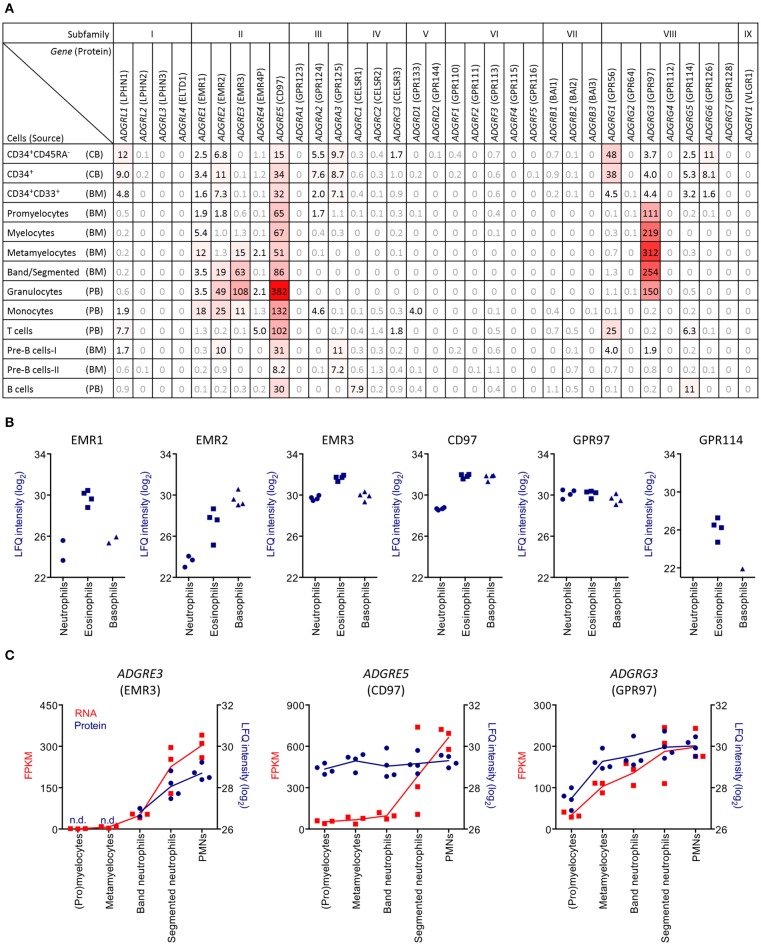
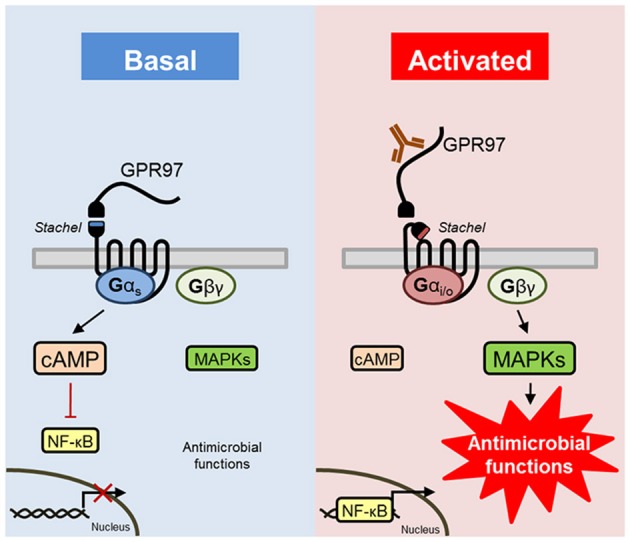
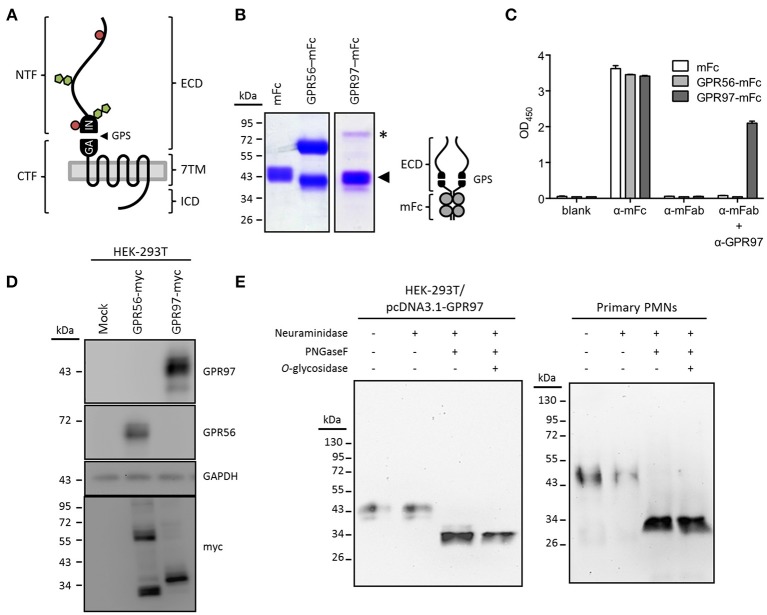
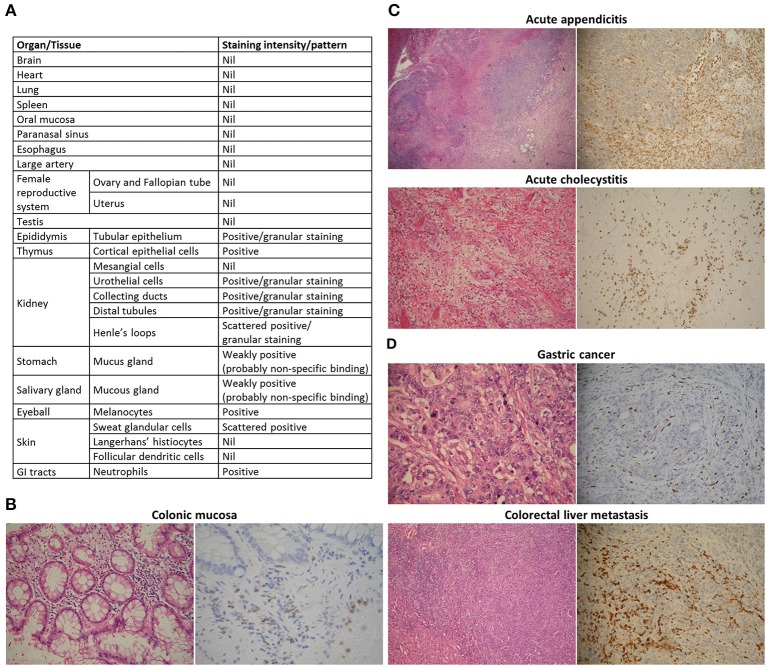
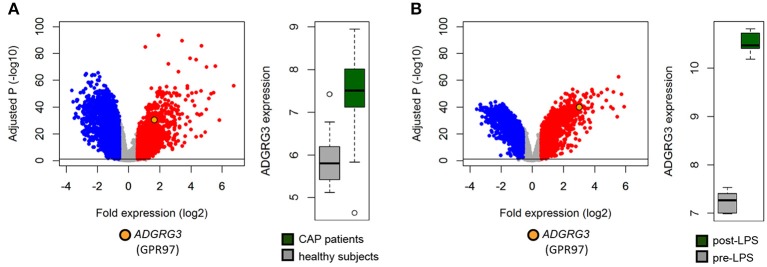
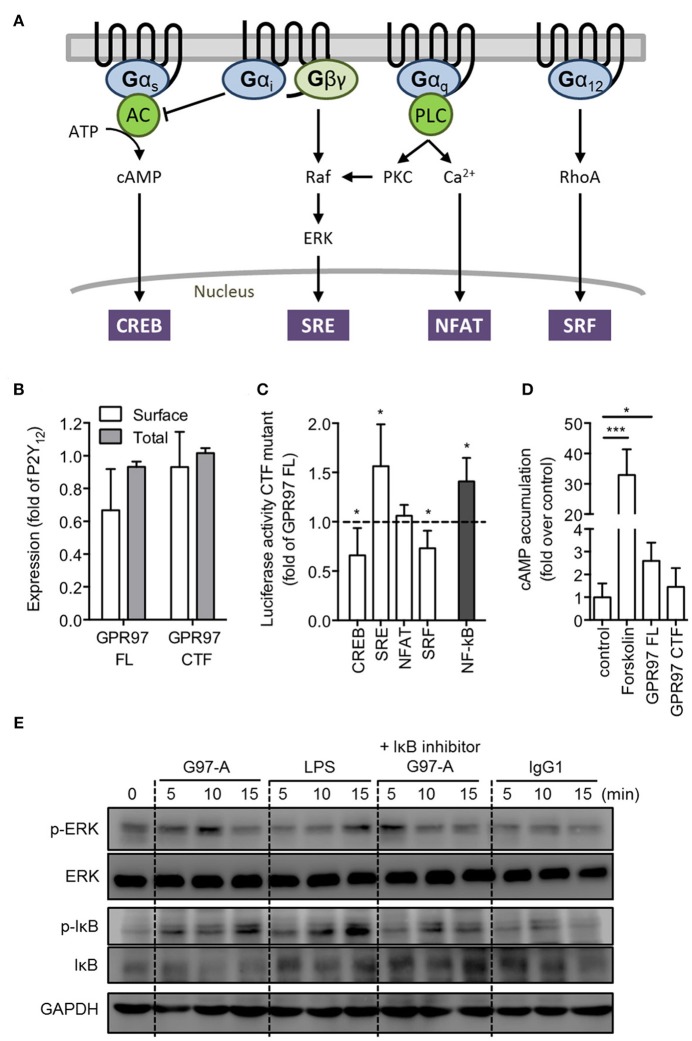
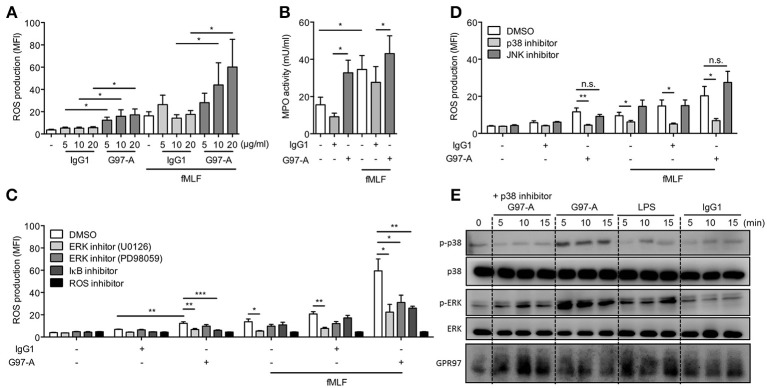
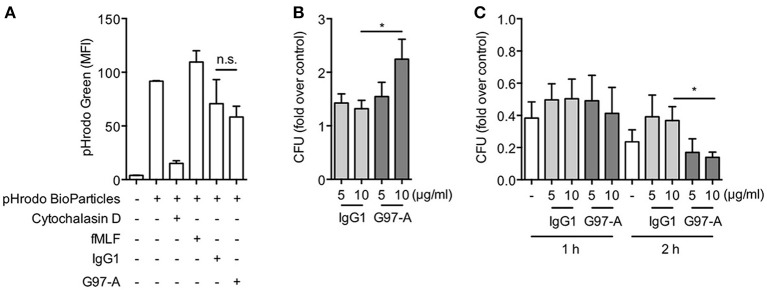
The adhesion family of G protein-coupled receptors (aGPCRs) comprises 33 members in human, several of which are distinctly expressed and functionally involved in polymorphonuclear cells (PMNs). As former work indicated the possible presence of the aGPCR GPR97 in granulocytes, we studied its cellular distribution, molecular structure, signal transduction, and biological function in PMNs. RNA sequencing and mass-spectrometry revealed abundant RNA and protein expression of ADGRG3/GPR97 in granulocyte precursors and terminally differentiated neutrophilic, eosinophilic, and basophilic granulocytes. Using a newly generated GPR97-specific monoclonal antibody, we confirmed that endogenous GPR97 is a proteolytically processed, dichotomous, N-glycosylated receptor. GPR97 was detected in tissue-infiltrating PMNs and upregulated during systemic inflammation. Antibody ligation of GPR97 increased neutrophil reactive oxygen species production and proteolytic enzyme activity, which is accompanied by an increase in mitogen-activated protein kinases and IκBα phosphorylation. In-depth analysis of the GPR97 signaling cascade revealed a possible switch from basal Gαs/cAMP-mediated signal transduction to a Gαi-induced reduction in cAMP levels upon mutation-induced activation of the receptor, in combination with an increase in downstream effectors of Gβγ, such as SRE and NF-κB. Finally, ligation of GPR97 increased the bacteria uptake and killing activity of neutrophils. We conclude that the specific presence of GPR97 regulates antimicrobial activity in human granulocytes.
粘附家族的 G 蛋白偶联受体(aGPCRs)在人类中包含 33 个成员,其中几个在多形核细胞(PMN)中明显表达并具有功能。由于以前的工作表明 G 蛋白偶联受体 GPR97 可能存在于粒细胞中,我们研究了其在 PMN 中的细胞分布、分子结构、信号转导和生物学功能。RNA 测序和质谱分析显示粒细胞前体和终末分化的中性粒细胞、嗜酸性粒细胞和嗜碱性粒细胞中大量表达 ADGRG3/GPR97 的 RNA 和蛋白。使用新生成的 GPR97 特异性单克隆抗体,我们证实内源性 GPR97 是一种蛋白水解加工的、二分叉的、N-糖基化受体。GPR97 存在于组织浸润的 PMN 中,并在全身炎症期间上调。GPR97 的抗体结合增加了中性粒细胞活性氧物质的产生和蛋白水解酶的活性,伴随着丝裂原活化蛋白激酶和 IκBα 磷酸化的增加。对 GPR97 信号级联的深入分析表明,在受体诱导激活时,可能从基础 Gαs/cAMP 介导的信号转导切换到 Gαi 诱导的 cAMP 水平降低,同时 Gβγ 的下游效应物,如 SRE 和 NF-κB,增加。最后,GPR97 的结合增加了中性粒细胞的细菌摄取和杀伤活性。我们得出结论,GPR97 的特异性存在调节人类粒细胞中的抗菌活性。