Lobo João, Henrique Rui, Jerónimo Carmen
Cancer Biology and Epigenetics Group, Research Center of Portuguese Oncology Institute of Porto (GEBC CI-IPOP), R. Dr. António Bernardino de Almeida, 4200-072 Porto, Portugal.
Department of Pathology, Portuguese Oncology Institute of Porto (IPOP), R. Dr. António Bernardino de Almeida, 4200-072 Porto, Portugal.
Cancers (Basel). 2018 Dec 20;11(1):6. doi: 10.3390/cancers11010006.
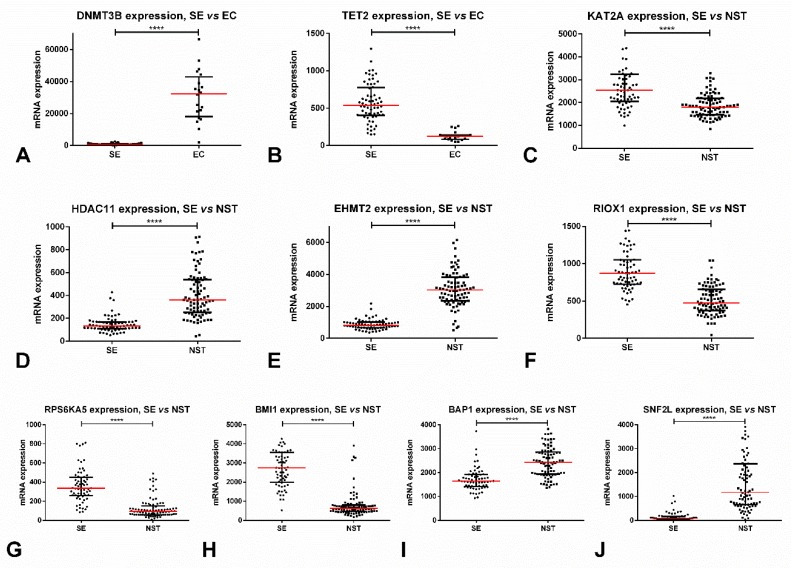
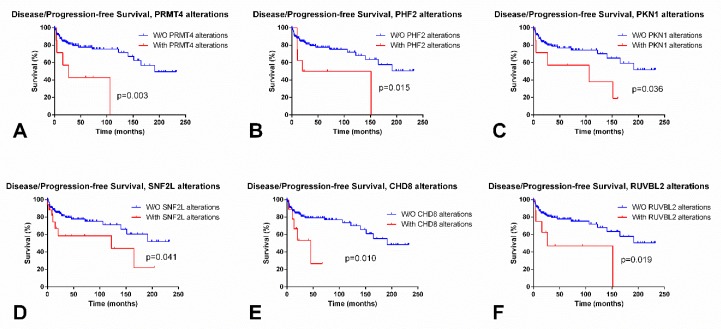
It is well established that cancer cells exhibit alterations in chromatin structure and accessibility. Indeed, the dysregulation of many protein-coding players with enzymatic activity (DNA and histone-modifying enzymes) and chromatin remodelers have been depicted in various tumor models in recent years. Still, little attention has been directed towards testicular germ cell tumors (TGCTs)-representing the most common neoplasm among young adult Caucasian men-with most studies focusing on exploring the role of DNA methyltransferases () and DNA demethylases (). TGCTs represent a complex tumor model, associated with developmental and embryogenesis-related phenomena, and display seldom (cyto)genetic aberrations, leaving room for Epigenetics to explain such morphological and clinical diversity. Herein, we have summarized the major findings that were reported in literature regarding the dysregulation of DNA/histone-modifying enzymes and chromatin remodelers in TGCTs. Additionally, we performed in silico analysis of The Cancer Genome Atlas database to find the most relevant of those players in TGCTs. We concluded that several DNA/histone-modifying enzymes and chromatin remodelers may serve as biomarkers for subtyping, dictating prognosis and survival, and, possibly, for serving as targets of directed, less toxic therapies.
众所周知,癌细胞的染色质结构和可及性会发生改变。事实上,近年来在各种肿瘤模型中都描述了许多具有酶活性的蛋白质编码因子(DNA和组蛋白修饰酶)以及染色质重塑因子的失调。然而,对于睾丸生殖细胞肿瘤(TGCT)——年轻成年白人男性中最常见的肿瘤——却很少受到关注,大多数研究集中在探索DNA甲基转移酶和DNA去甲基化酶的作用。TGCT是一种复杂的肿瘤模型,与发育和胚胎发生相关现象有关,并且很少出现(细胞)遗传畸变,这为表观遗传学解释这种形态学和临床多样性留下了空间。在此,我们总结了文献中报道的关于TGCT中DNA/组蛋白修饰酶和染色质重塑因子失调的主要发现。此外,我们对癌症基因组图谱数据库进行了计算机分析,以找出TGCT中最相关的那些因子。我们得出结论,几种DNA/组蛋白修饰酶和染色质重塑因子可能作为亚型分类、判断预后和生存情况的生物标志物,并且可能作为定向、低毒治疗的靶点。