Beijing Key Laboratory of Innovative Drug Discovery of Traditional Chinese Medicine (Natural Medicine) and Translational Medicine, Institute of Medicinal Plant Development, Peking Union Medical College and Chinese Academy of Medical Sciences, Beijing 100193, China.
Key Laboratory of Bioactive Substances and Resource Utilization of Chinese Herbal Medicine, Ministry of Education, Beijing 100193, China.
Int J Mol Sci. 2018 Dec 21;20(1):36. doi: 10.3390/ijms20010036.
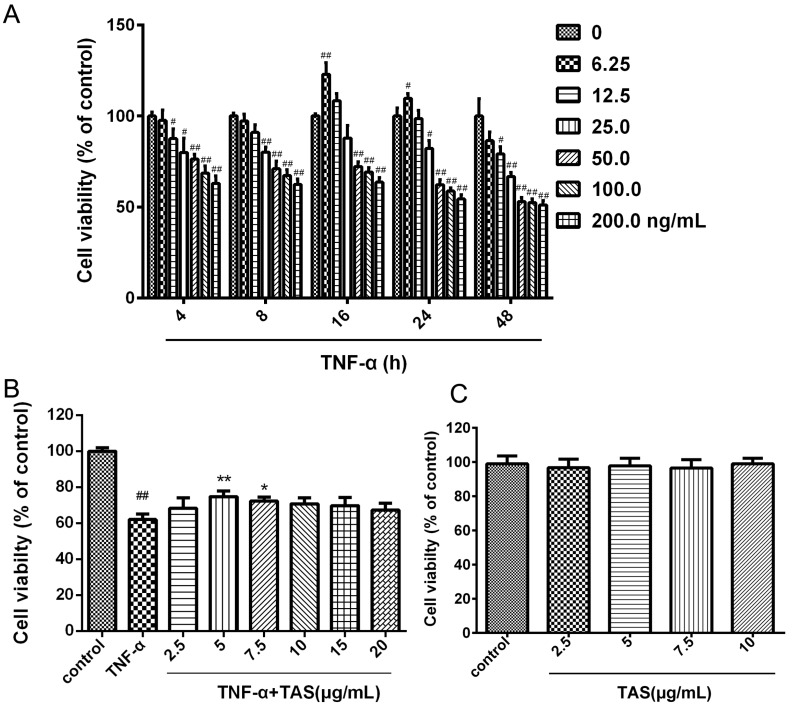
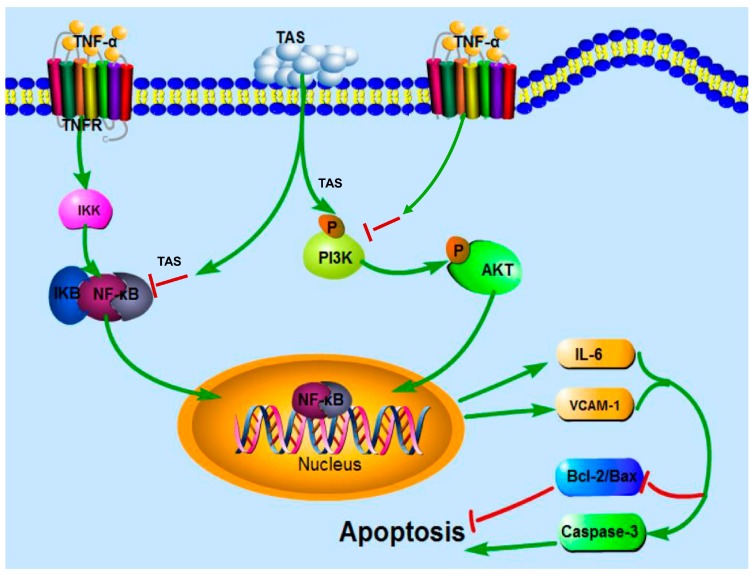
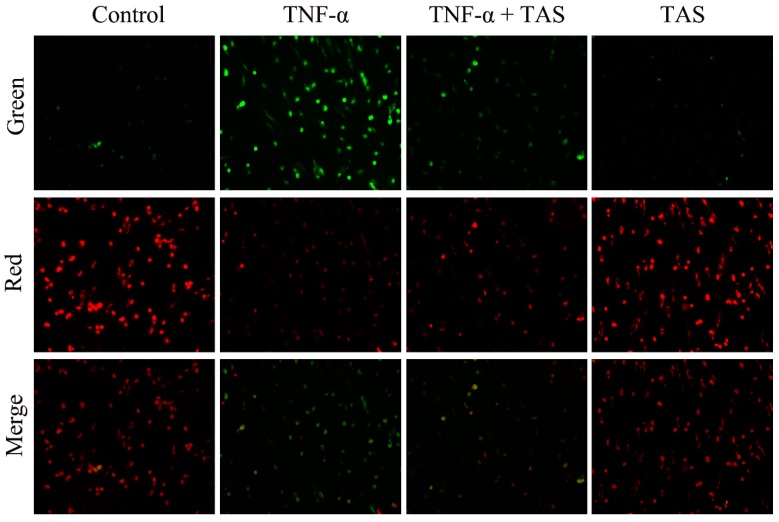
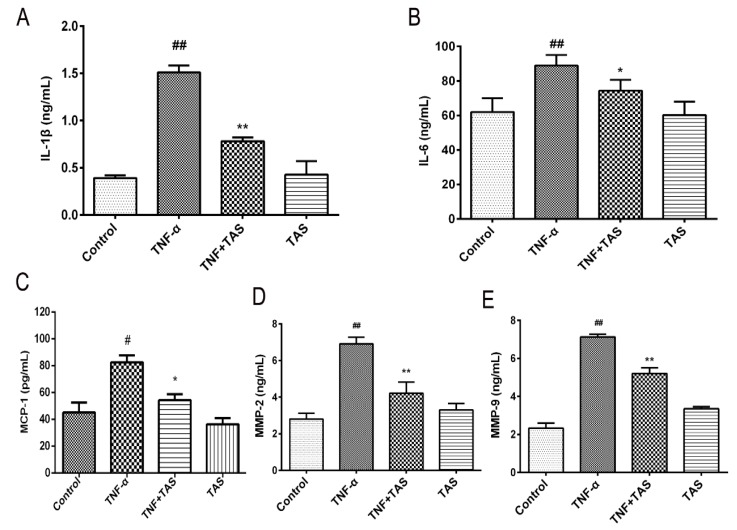
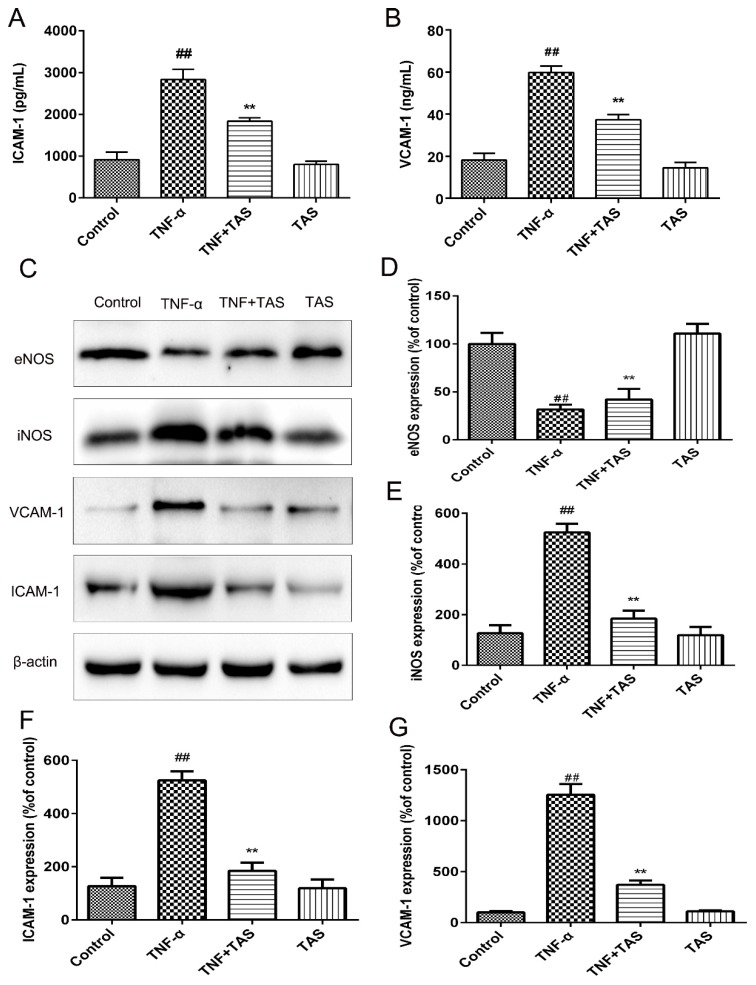
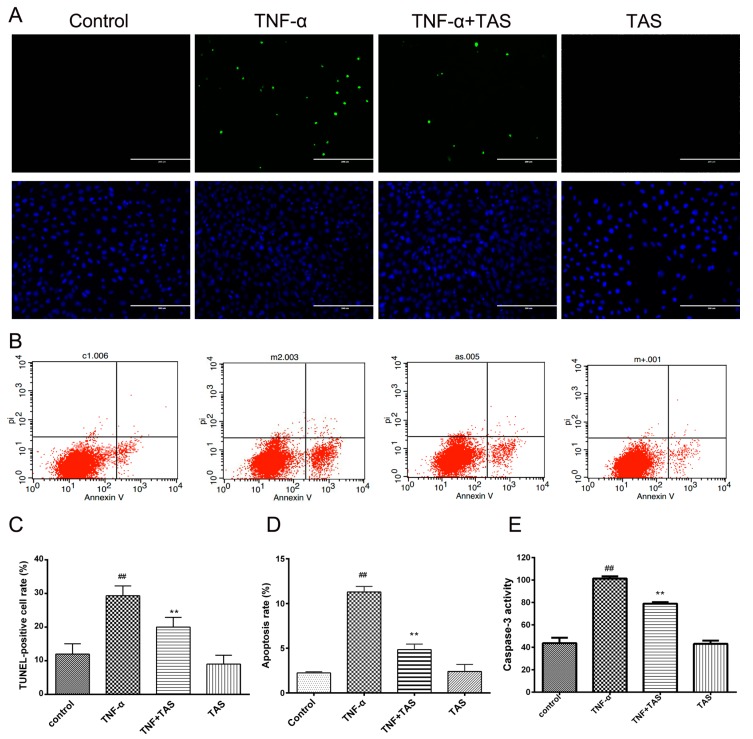
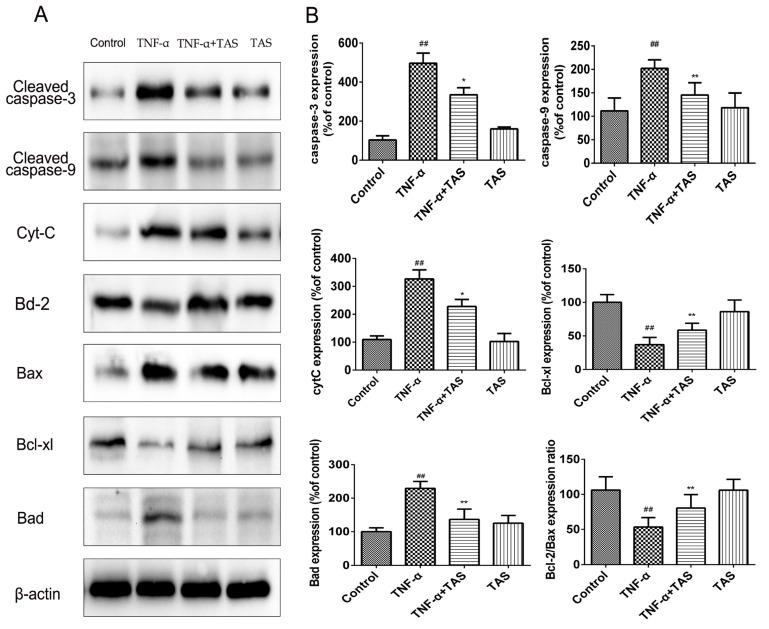
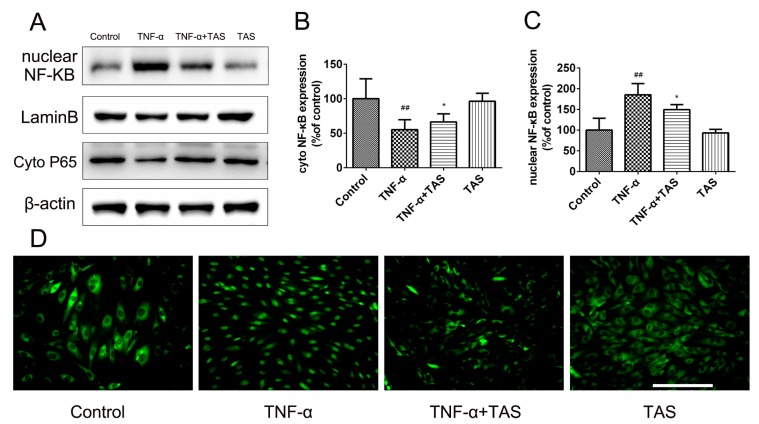
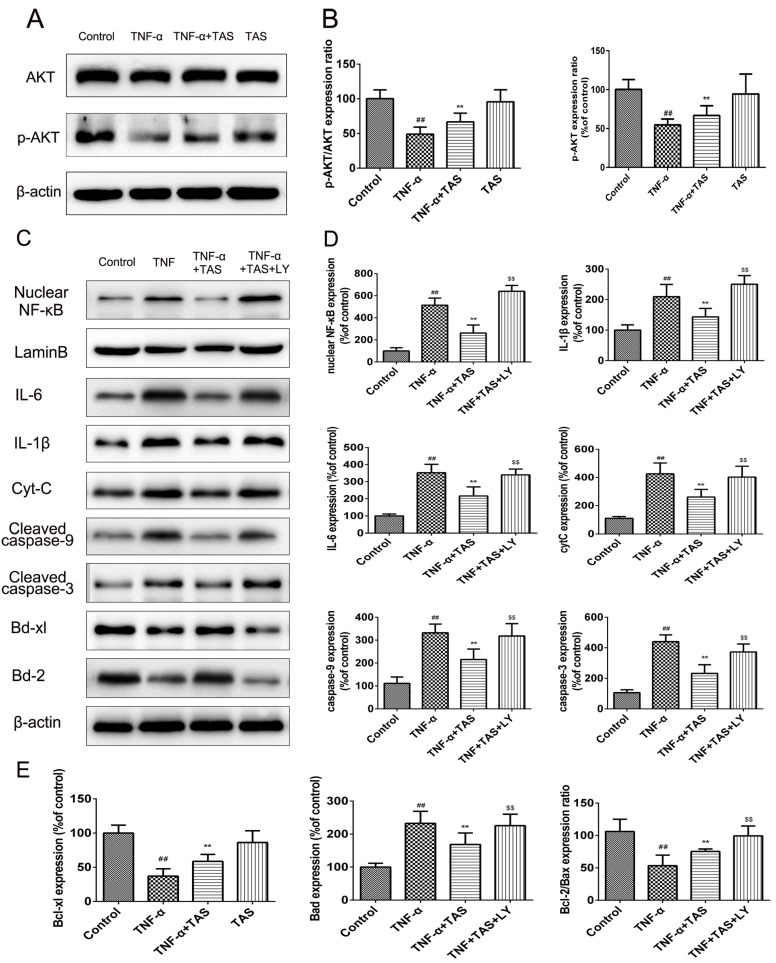
Atherosclerosis is an arterial disease associated with inflammation. Hence, the discovery of novel therapeutic agents for suppressing inflammatory responses is urgent and vital for the treatment of atherosclerosis in cardiovascular diseases. The total saponins of (Miq.) Seem. (TAS) are the main components extracted from the Chinese traditional herb Longya L., a folk medicine used in Asian countries for treating numerous diseases, enhancing energy and boosting immunity. However, the protective effects of TAS against inflammation-triggered vascular endothelial dysfunction, a critical early event during the course of atherosclerosis, and the potential mechanisms of this protection have been not demonstrated. Accordingly, the aim of this study was to investigate the anti-inflammatory and anti-apoptotic effects and the protective mechanisms of TAS, and show how TAS ameliorates human umbilical vein endothelial cell (HUVEC) damage caused by tumour necrosis factor-α (TNF-α). The results indicated that TAS exerted cytoprotective effects by inhibiting TNF-α-triggered HUVEC apoptosis, mitochondrial membrane potential depolarisation, and the regulation of inflammatory factors (IL-6, MCP-1, and VCAM-1) while suppressing NF-κB transcription. Furthermore, this phenomenon was related to activation of the phosphoinositide 3-kinase (PI3K)/Akt signalling pathway. Blocking the Akt pathway with LY294002, a PI3K inhibitor, reversed the cytoprotective effect of TAS against TNF-α-induced endothelial cell death. Moreover, LY294002 partially abolished the effects of TAS on the upregulation of the Bcl-2 family of proteins and the downregulation of Bax protein expression. In conclusion, the results of our study suggest that TAS suppresses the inflammation and apoptosis of HUVECs induced by TNF-α and that PI3K/Akt signalling plays a key role in promoting cell survival and anti-inflammatory reactions during this process.
动脉粥样硬化是一种与炎症相关的动脉疾病。因此,发现新型的抑制炎症反应的治疗药物对于心血管疾病中动脉粥样硬化的治疗至关重要。(Miq.)Seem. 的总皂苷(TAS)是从中国传统草药龙牙草中提取的主要成分,龙牙草在亚洲国家被用作治疗多种疾病、提高能量和增强免疫力的民间药物。然而,TAS 对炎症引发的血管内皮功能障碍的保护作用,以及这种保护的潜在机制尚未得到证实。因此,本研究旨在探讨 TAS 的抗炎和抗凋亡作用及其保护机制,并展示 TAS 如何改善肿瘤坏死因子-α(TNF-α)引起的人脐静脉内皮细胞(HUVEC)损伤。结果表明,TAS 通过抑制 TNF-α 触发的 HUVEC 凋亡、线粒体膜电位去极化以及调节炎症因子(IL-6、MCP-1 和 VCAM-1)来发挥细胞保护作用,同时抑制 NF-κB 转录。此外,这种现象与磷酸肌醇 3-激酶(PI3K)/Akt 信号通路的激活有关。用 PI3K 抑制剂 LY294002 阻断 Akt 通路,逆转了 TAS 对 TNF-α 诱导的内皮细胞死亡的细胞保护作用。此外,LY294002 部分消除了 TAS 对 Bcl-2 家族蛋白上调和 Bax 蛋白表达下调的作用。总之,我们的研究结果表明,TAS 抑制了 TNF-α 诱导的 HUVEC 炎症和凋亡,PI3K/Akt 信号通路在促进细胞存活和抗炎反应中起关键作用。