Li Xiaoli, Zhu Guangbei, Yao Xintong, Wang Ning, Hu Ronghui, Kong Qingxin, Zhou Duanfang, Long Liangyuan, Cai Jiali, Zhou Weiying
Department of Pharmacology, College of Pharmacy, Chongqing Medical University, Chongqing 400016, P.R. China,
Chongqing Key Laboratory of Drug Metabolism, Chongqing 400016, P.R. China,
Onco Targets Ther. 2018 Dec 11;11:8977-8985. doi: 10.2147/OTT.S187315. eCollection 2018.
Celastrol is a major active component of the thunder god vine () used in traditional Chinese medicine to treat chronic inflammatory and autoimmune diseases. Celastrol inhibits PI3K-Akt-mTOR signaling, which is frequently dysregulated in tumors and critical for tumor-cell proliferation and survival, but the underlying mechanisms are still not fully understood. In the present study, we investigated detailed mechanisms of celastrol inhibition of mTOR signaling in breast cancer cells.
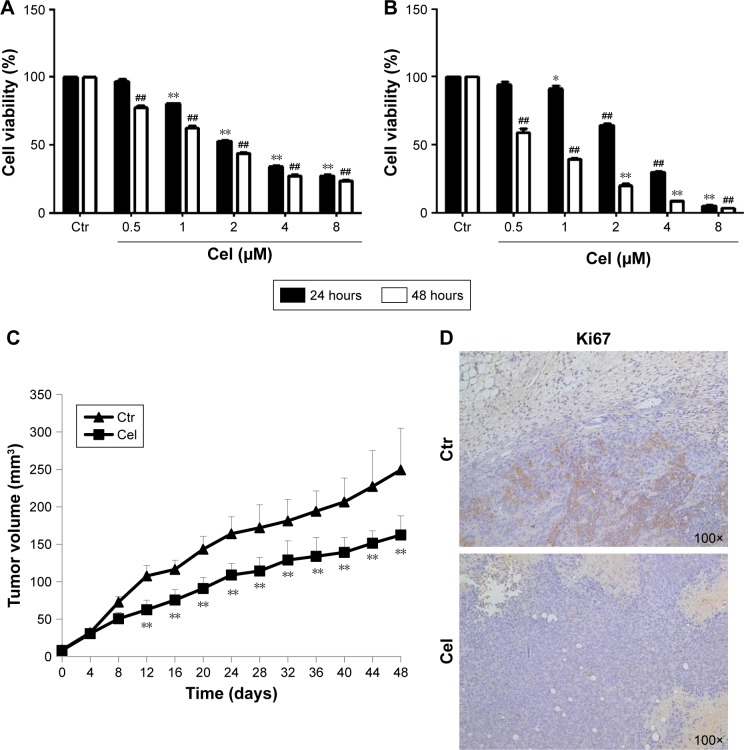
First, we evaluated the effect of celastrol on breast cancer-cell growth using MTT assays. Second, we examined the effects of celastrol on mTOR phosphorylation and expression using Western blot. Furthermore, we investigated the cause of mTOR downregulation by celastrol using immunoprecipitation assays. In addition, we evaluated the effect of celastrol on an MDA-MB231 cell-derived xenograft model.
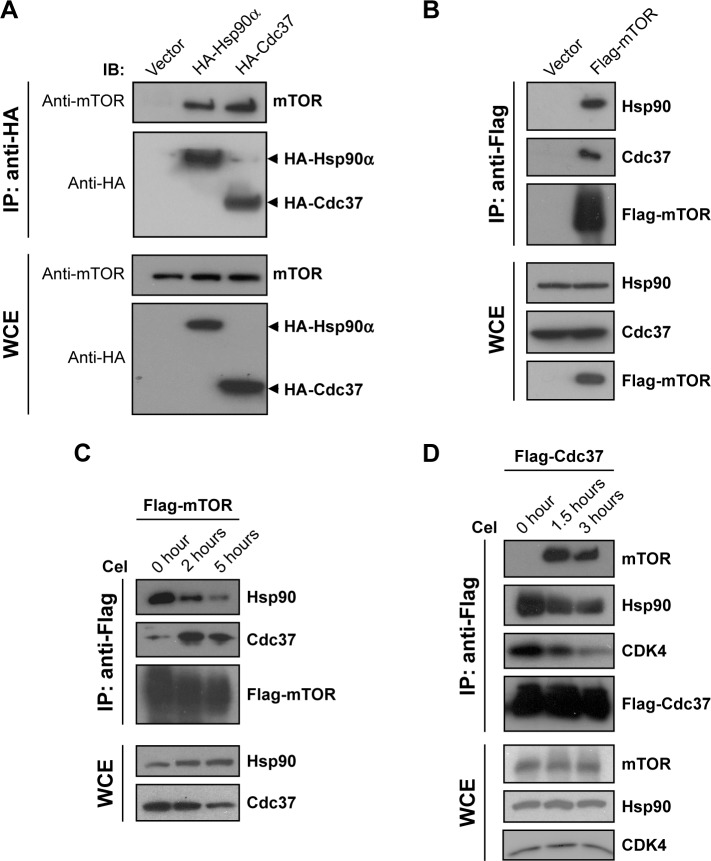
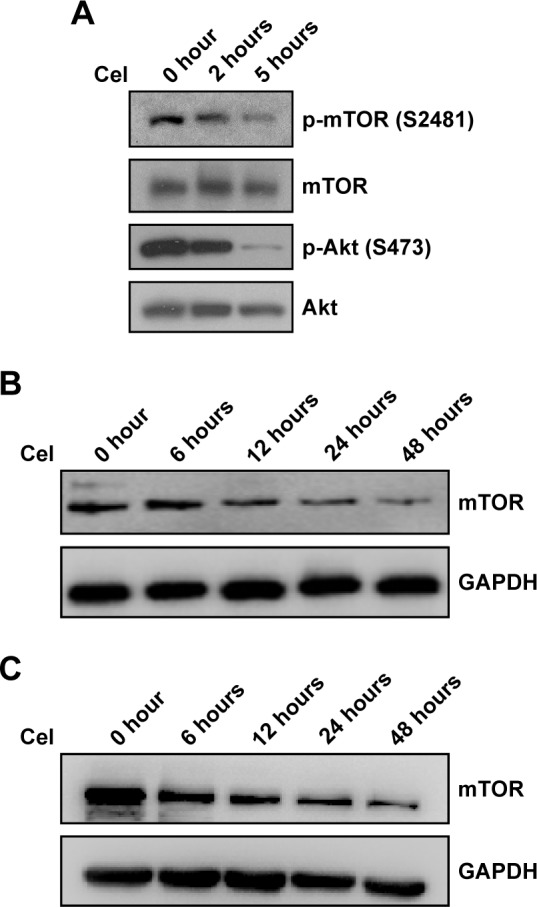
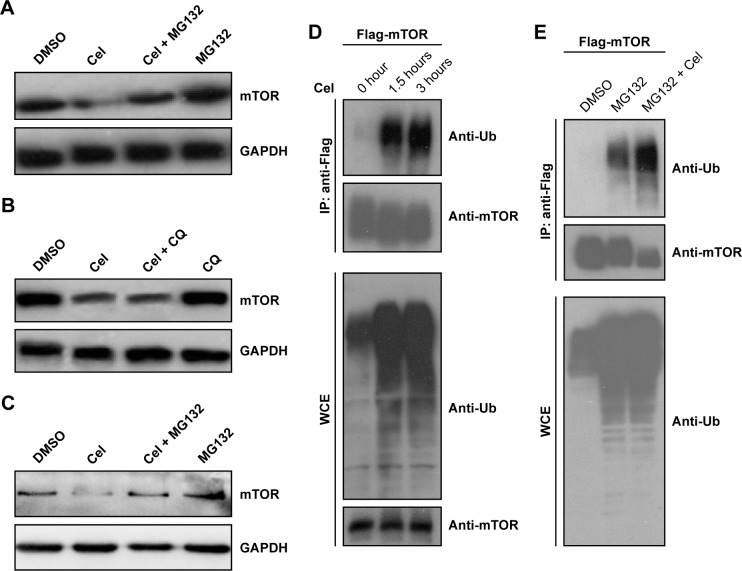
Celastrol suppressed breast cancer cell growth in vitro and in vivo. Celastrol inhibited mTOR phosphorylation and induced mTOR ubiquitination, resulting in its proteasomal degradation. Mechanistically, we found that mTOR is a client of Hsp90-Cdc37 chaperone complex, and celastrol disrupts mTOR interaction with chaperone Hsp90 while promoting mTOR association with cochaperone Cdc37.
Our study reveals that celastrol suppresses mTOR signaling, at least in part through regulating its association with chaperones and inducing its ubiquitination.
雷公藤红素是中药雷公藤用于治疗慢性炎症和自身免疫性疾病的主要活性成分。雷公藤红素抑制PI3K-Akt-mTOR信号传导,该信号传导在肿瘤中经常失调,对肿瘤细胞的增殖和存活至关重要,但其潜在机制仍未完全了解。在本研究中,我们研究了雷公藤红素抑制乳腺癌细胞中mTOR信号传导的详细机制。
首先,我们使用MTT试验评估雷公藤红素对乳腺癌细胞生长的影响。其次,我们使用蛋白质免疫印迹法检测雷公藤红素对mTOR磷酸化和表达的影响。此外,我们使用免疫沉淀试验研究雷公藤红素下调mTOR的原因。另外,我们评估了雷公藤红素对MDA-MB231细胞来源的异种移植模型的影响。
雷公藤红素在体外和体内均抑制乳腺癌细胞生长。雷公藤红素抑制mTOR磷酸化并诱导mTOR泛素化,导致其蛋白酶体降解。从机制上讲,我们发现mTOR是Hsp90-Cdc37伴侣复合物的底物,雷公藤红素破坏mTOR与伴侣蛋白Hsp90的相互作用,同时促进mTOR与辅助伴侣蛋白Cdc37的结合。
我们的研究表明,雷公藤红素至少部分通过调节其与伴侣蛋白的结合并诱导其泛素化来抑制mTOR信号传导。