Department of Biological Sciences, Howard Hughes Medical Institute, Columbia University, New York, United States.
Friedrich Miescher Institute for Biomedical Research, Basel, Switzerland.
Elife. 2019 Jan 1;8:e42078. doi: 10.7554/eLife.42078.
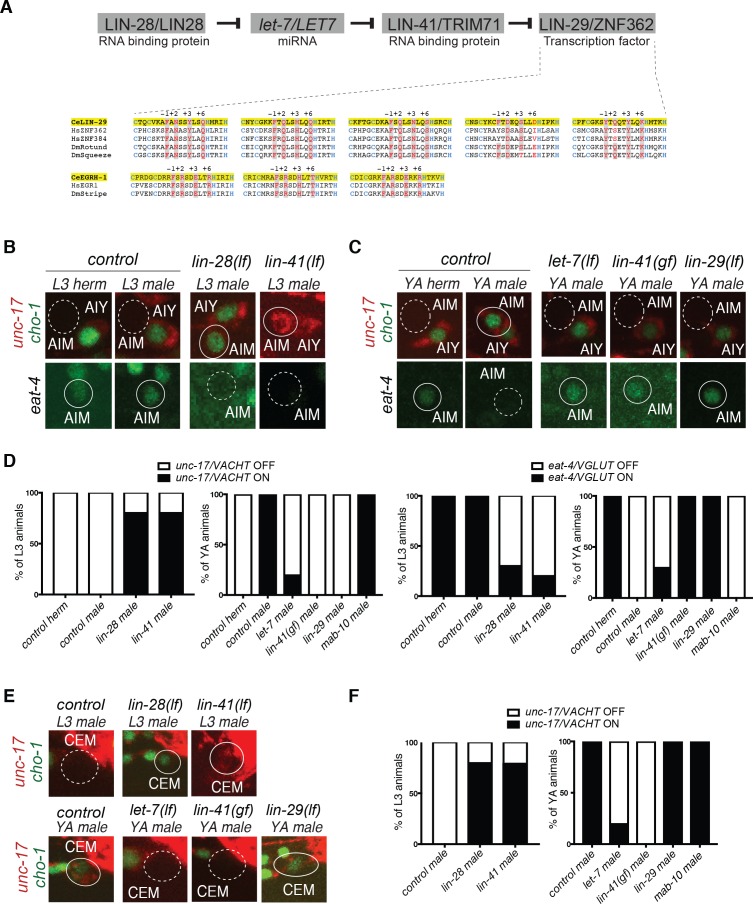
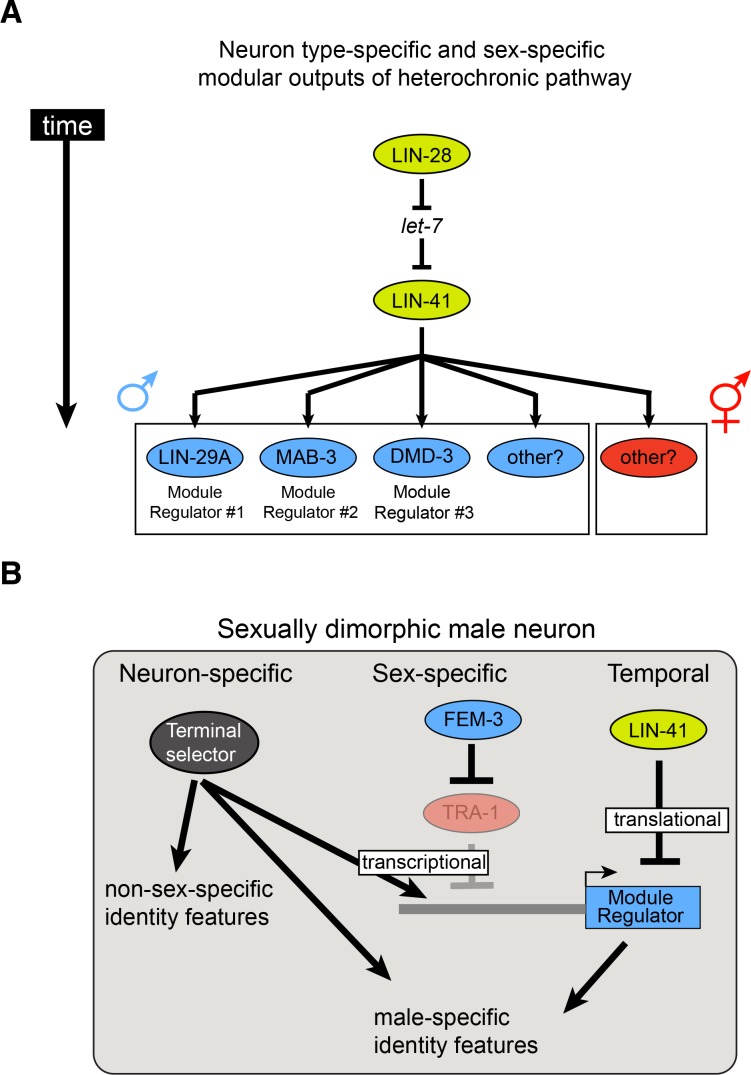
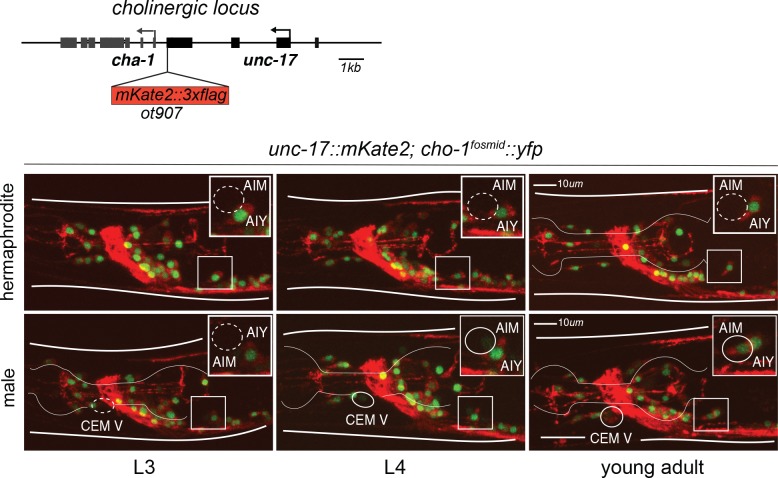
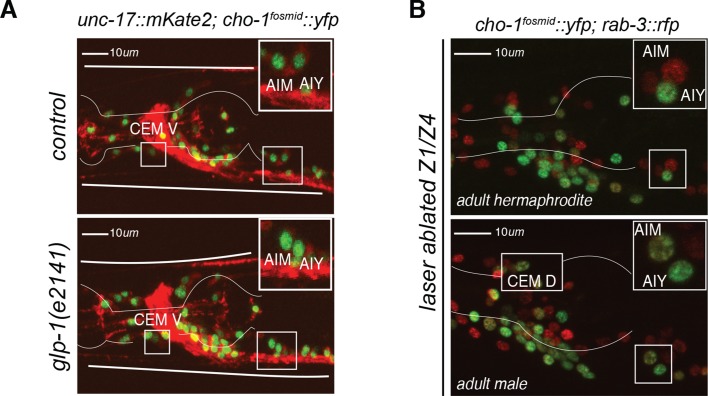
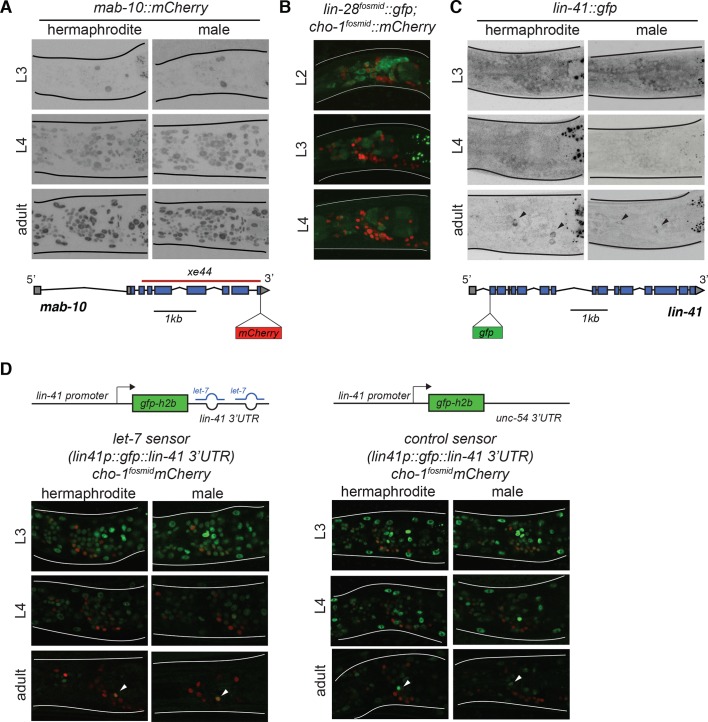
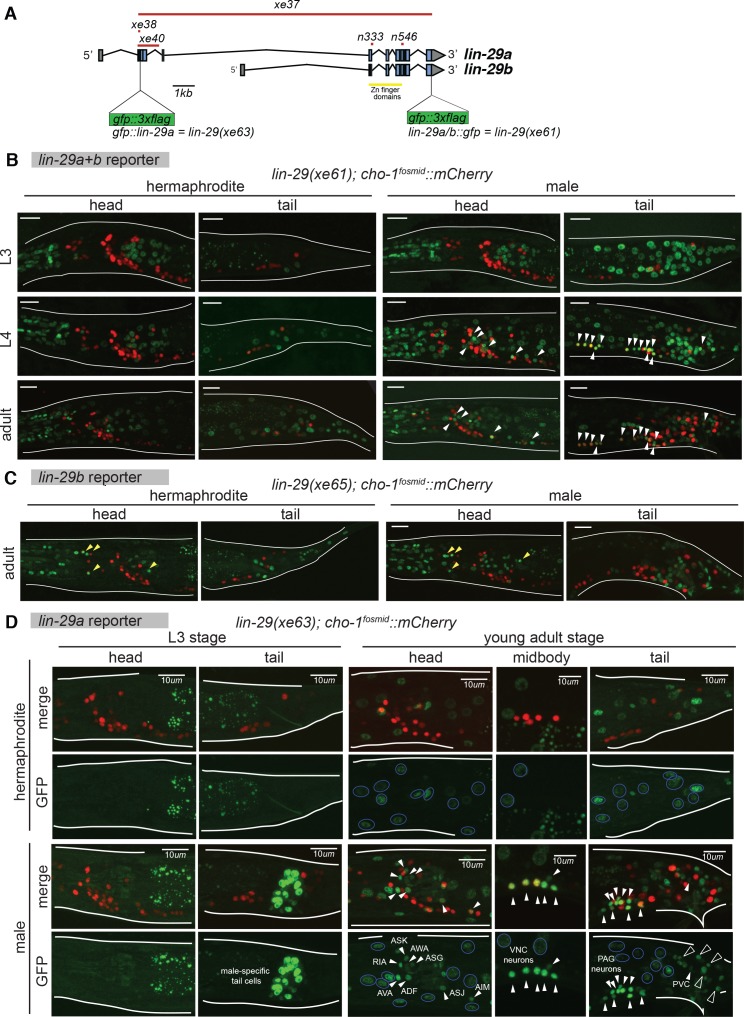
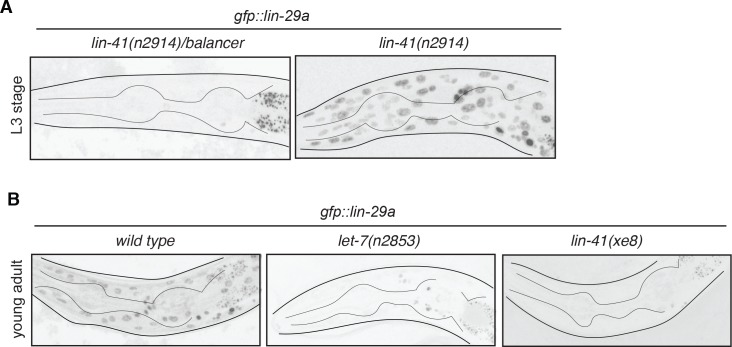
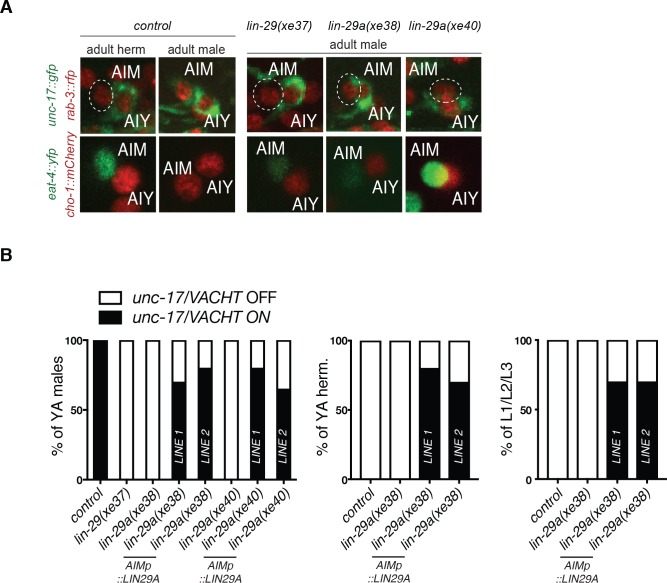
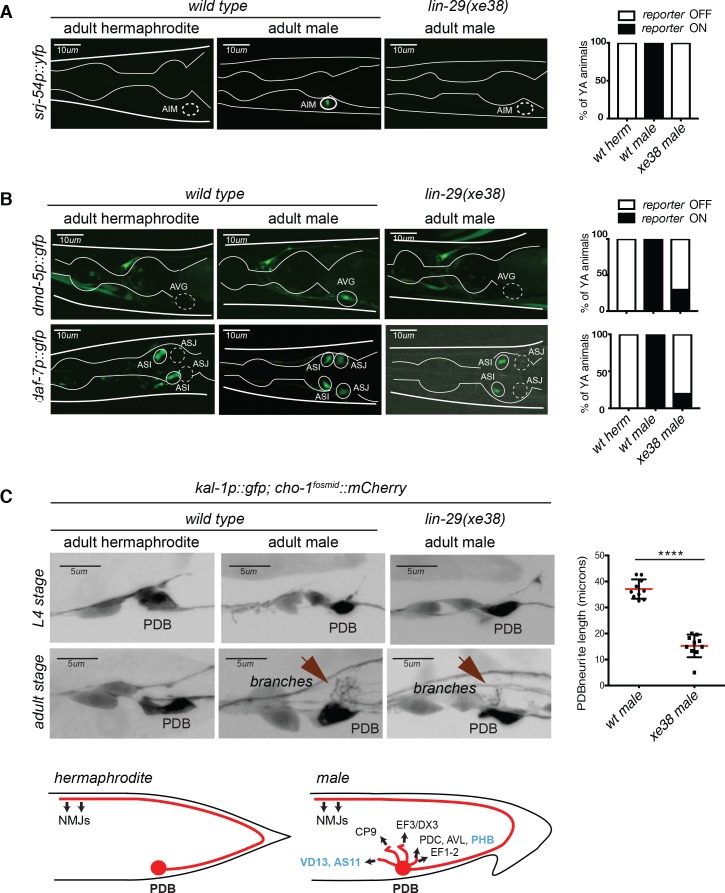
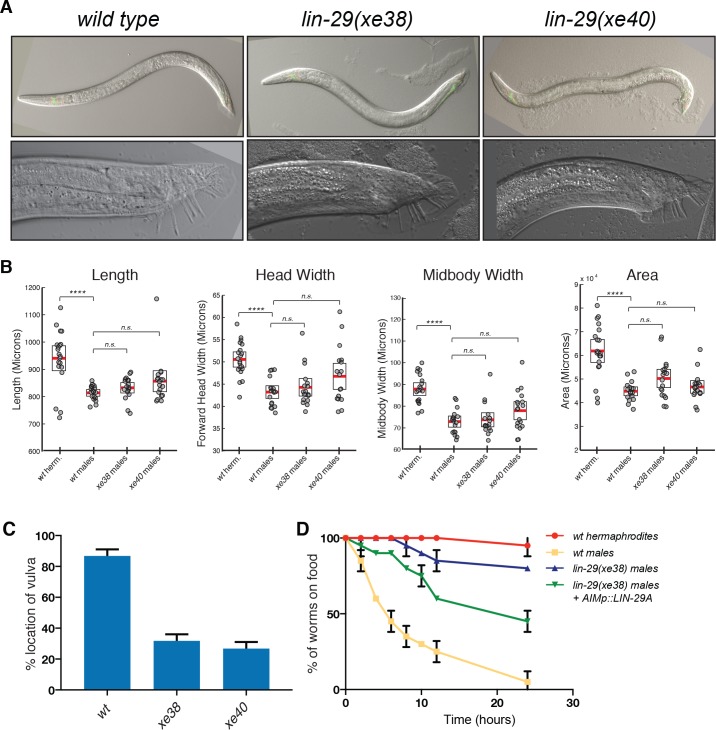
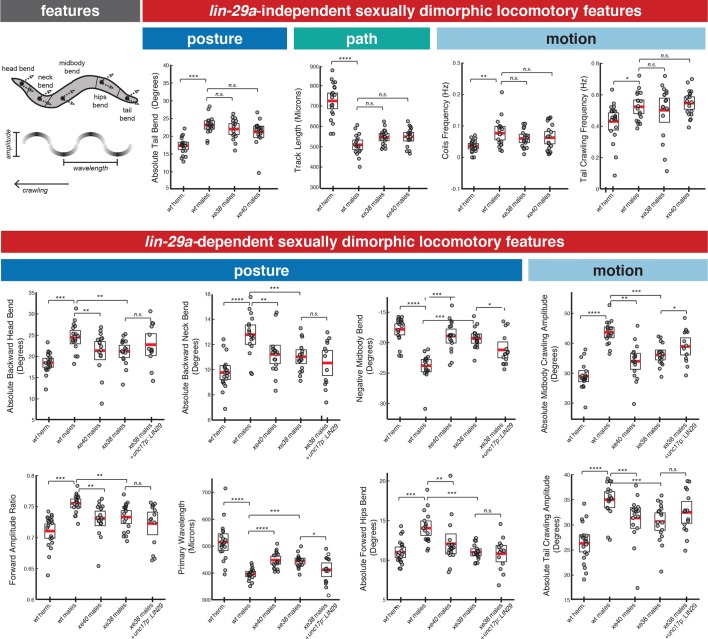
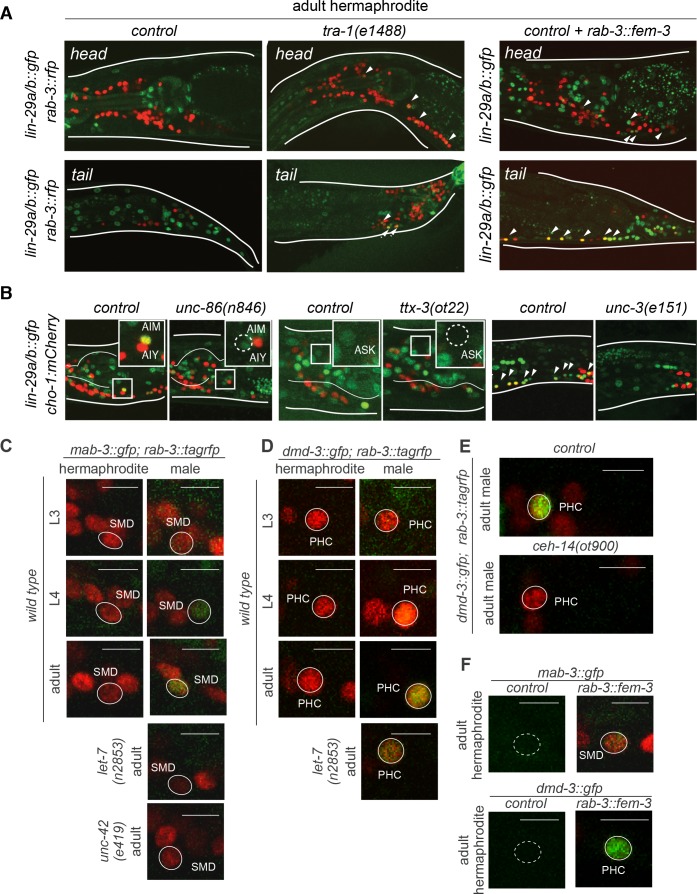
The molecular mechanisms that control the timing of sexual differentiation in the brain are poorly understood. We found that the timing of sexually dimorphic differentiation of postmitotic, sex-shared neurons in the nervous system of the male is controlled by the temporally regulated miRNA and its target , a translational regulator. acts through an isoform of a conserved Zn finger transcription factor, expressed in a subset of sex-shared neurons only in the male. Ectopic is sufficient to impose male-specific features at earlier stages of development and in the opposite sex. The temporal, sexual and spatial specificity of expression is controlled intersectionally through the heterochronic pathway, sex chromosome configuration and neuron-type-specific terminal selector transcription factors. Two Doublesex-like transcription factors represent additional sex- and neuron-type specific targets of LIN-41 and are regulated in a similar intersectional manner.
大脑中控制性别分化时间的分子机制还知之甚少。我们发现,雄性神经系统中,有丝分裂后性共享神经元的性别二态性分化的时间由受时间调控的 microRNA 及其靶标,一种翻译调节剂来控制。通过在雄性中仅在部分性共享神经元中表达的保守锌指转录因子的同种型起作用。异位表达足以在发育的早期阶段和在相反的性别中强加雄性特有的特征。通过 异时性途径、性染色体构型和神经元类型特异性终末选择转录因子的交叉控制来实现 的表达的时间、性和空间特异性。两个类似双性恋的转录因子代表 LIN-41 的另外两个性别和神经元类型特异性靶标,并以类似的交叉方式进行调节。