Department of Medicine, Johns Hopkins University, Baltimore, Maryland; Department of Pediatric Nephrology, The Second Affiliated Hospital of Nanjing Medical University, Nanjing, People's Republic of China.
Department of Medicine, Johns Hopkins University, Baltimore, Maryland.
Semin Nephrol. 2019 Jan;39(1):107-116. doi: 10.1016/j.semnephrol.2018.10.009.
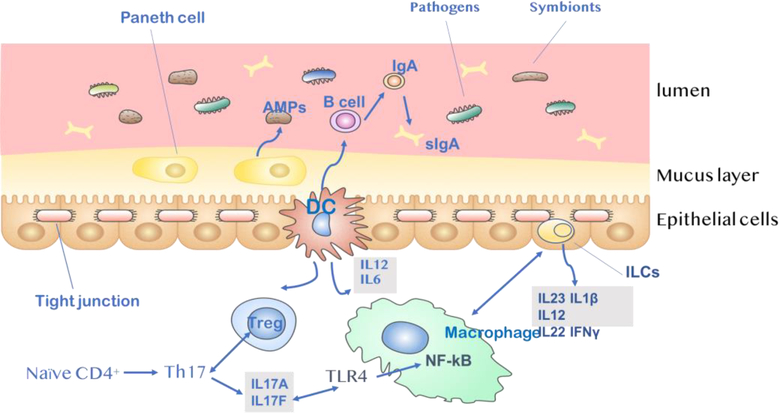
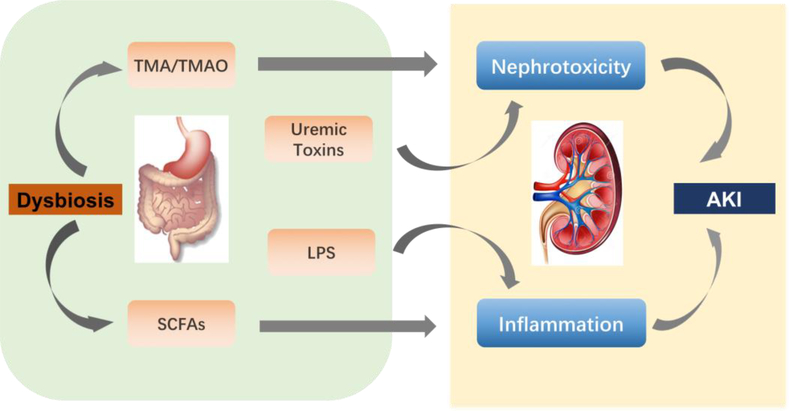
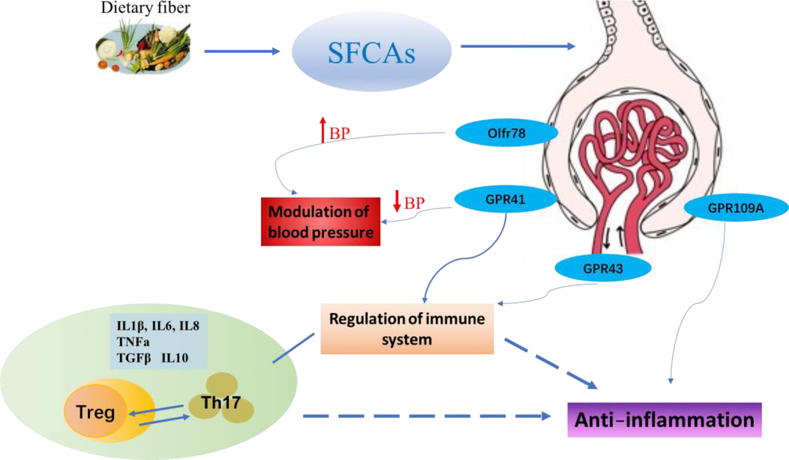
The recent surge in research on the intestinal microbiota has greatly changed our understanding of human biology. Significant technical advances in DNA sequencing analysis and its application to metagenomics and metatranscriptomics has profoundly enhanced our ability to quantify and track complex microbial communities and to begin understanding their impact on human health and disease. This has led to a better understanding of the relationships between the intestinal microbiome and renal physiology/pathophysiology. In this review, we discuss the interactions between intestinal microbiota and kidney. We focus on select aspects including the intestinal barrier, immunologic and soluble mediators of microbiome effects, and effects of dysbiosis on acute kidney injury. Relevant studies on microbiome changes in other renal diseases are highlighted. We also introduce potential mechanisms of intervention with regard to gut microbiota in renal diseases.
近年来,肠道微生物组的研究热潮极大地改变了我们对人类生物学的理解。DNA 测序分析及其在宏基因组学和宏转录组学中的应用的重大技术进步,极大地增强了我们定量和跟踪复杂微生物群落的能力,并开始了解它们对人类健康和疾病的影响。这使得我们对肠道微生物组与肾脏生理学/病理生理学之间的关系有了更好的理解。在这篇综述中,我们讨论了肠道微生物群与肾脏之间的相互作用。我们重点讨论了一些方面,包括肠道屏障、微生物组作用的免疫和可溶性介质,以及肠道菌群失调对急性肾损伤的影响。还强调了其他肾脏疾病中微生物组变化的相关研究。我们还介绍了针对肾脏疾病中肠道微生物组的潜在干预机制。