Department of Biochemistry and Molecular Biology, Medical College of Georgia, Augusta, Georgia.
Georgia Cancer Center, Medical College of Georgia, Augusta, Georgia.
Cancer Immunol Res. 2019 Mar;7(3):414-427. doi: 10.1158/2326-6066.CIR-18-0126. Epub 2019 Jan 4.
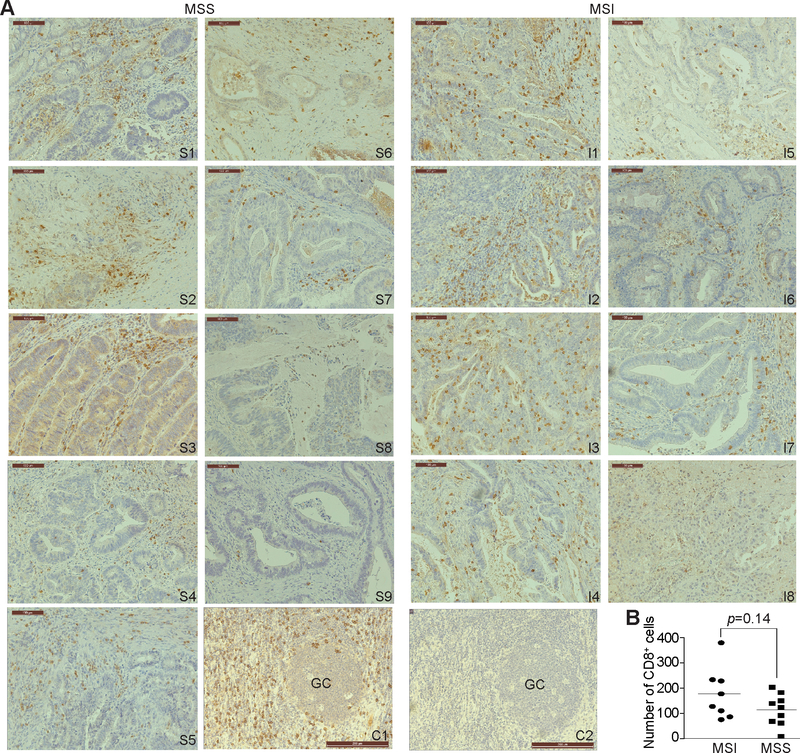
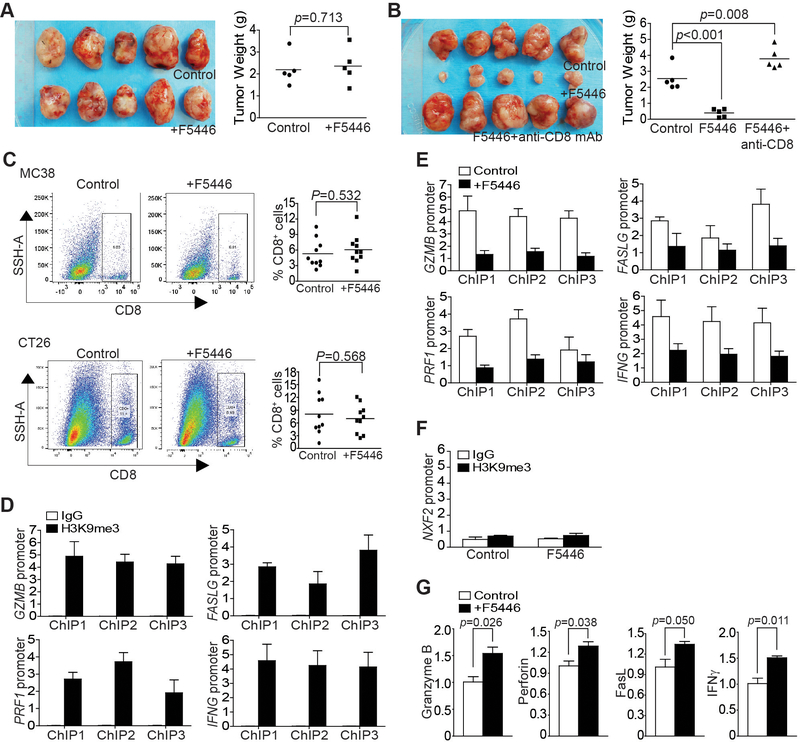
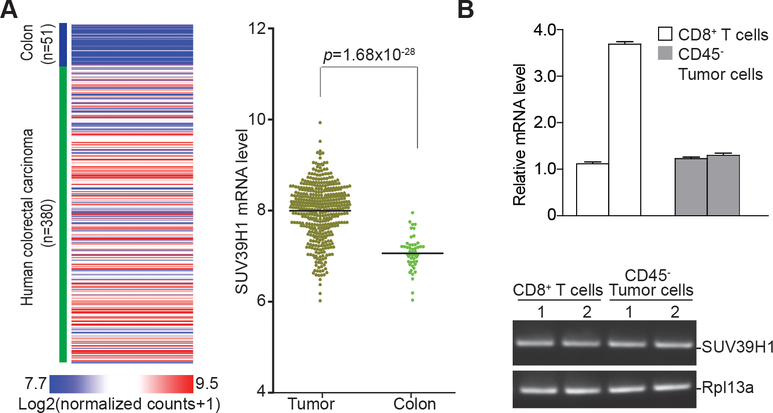
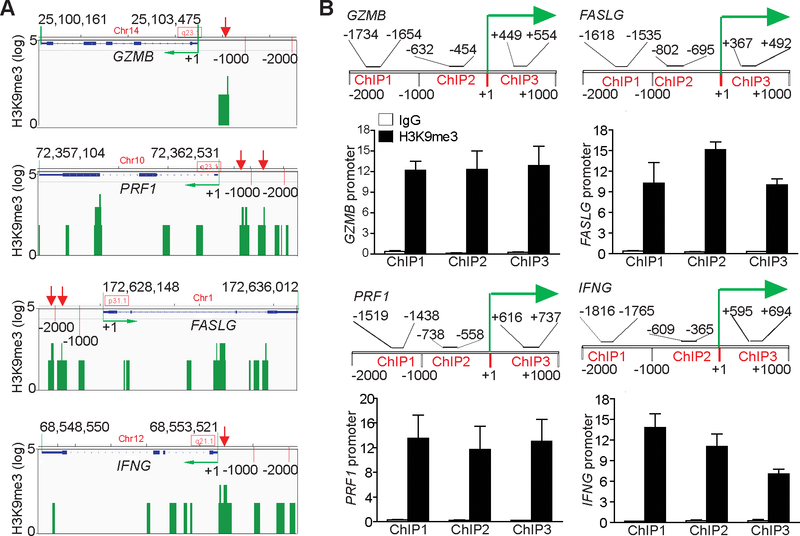
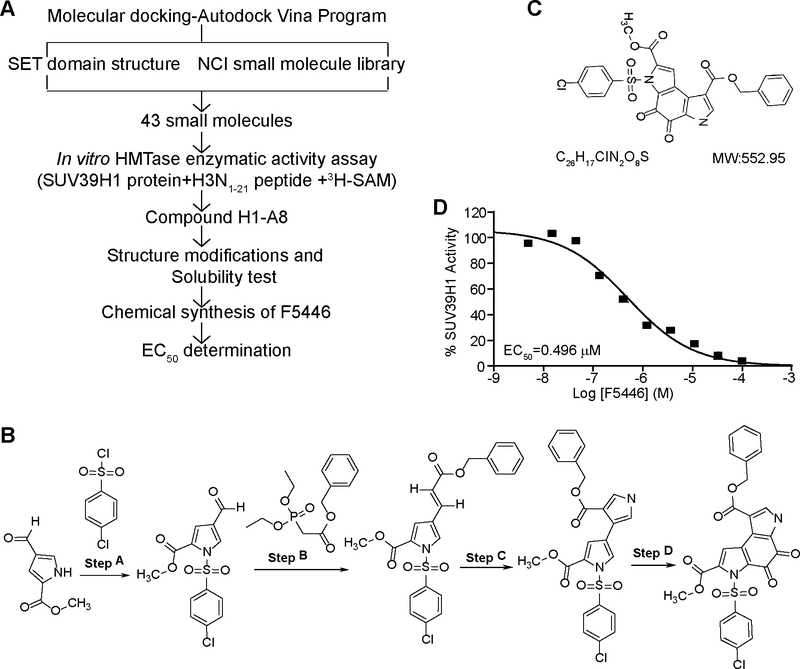
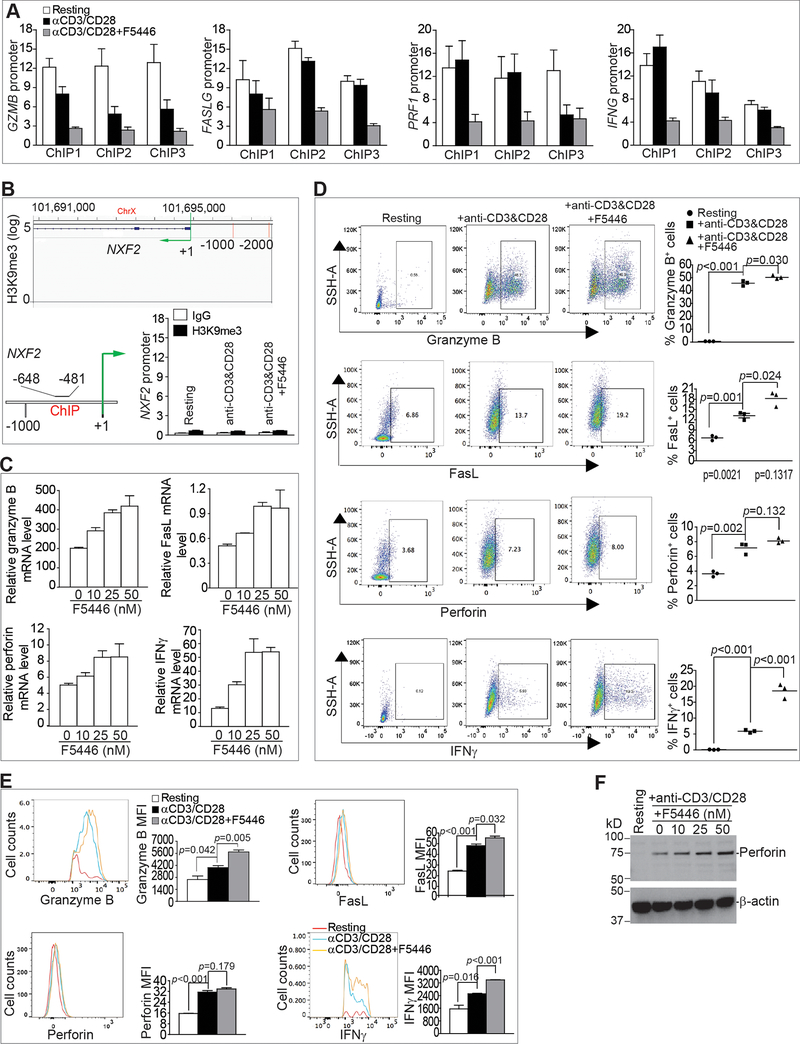
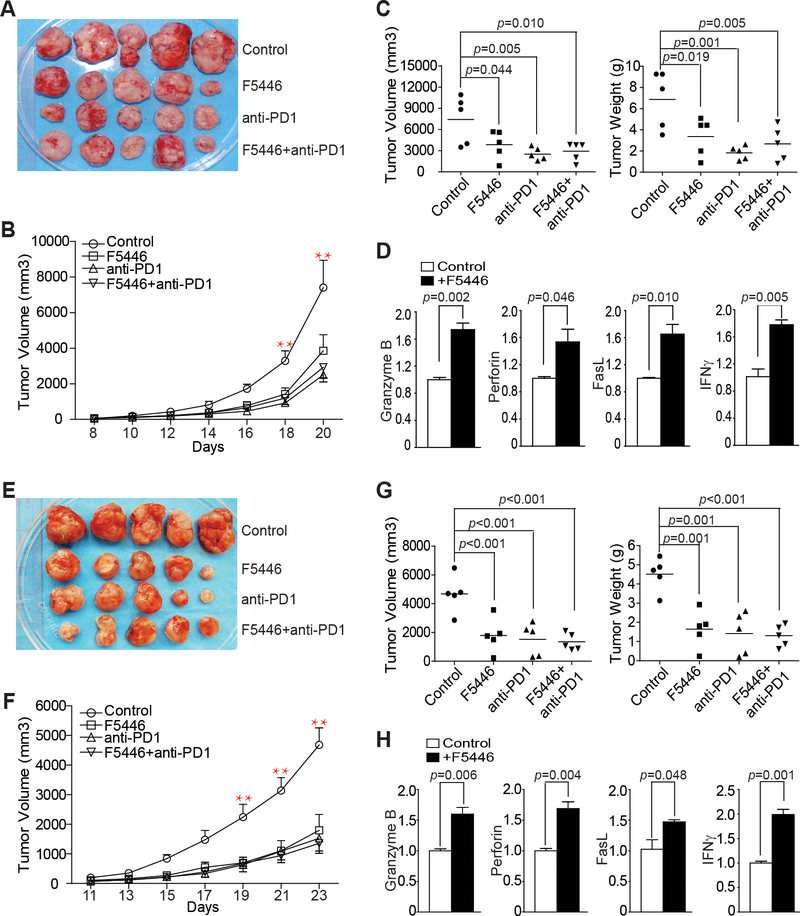
Despite the presence of CTLs in the tumor microenvironment, the majority of immunogenic human colon cancer does not respond to immune checkpoint inhibitor immunotherapy, and microsatellite instable (MSI) tumors are not naturally eliminated. The molecular mechanism underlying the inactivity of tumor-infiltrating CTLs is unknown. We report here that CTLs were present in both MSI and microsatellite stable colon tumors. The expression of the H3K9me3-specific histone methyltransferase SUV39H1 was significantly elevated in human colon carcinoma compared with normal colon tissues. Using a mouse colon carcinoma model, we further determined that tumor-infiltrating CTLs in the colon tumor microenvironment have high expression of SUV39H1. To target SUV39H1 in the tumor microenvironment, a virtual chemical library was screened on the basis of the SET (suppressor of variegation 3-9, enhancer of zeste and trithorax) domain structure of the human SUV39H1 protein. Functional enzymatic activity assays identified a small molecule that inhibits SUV39H1 enzymatic activity. On the basis of the structure of this small molecule, we modified it and chemically synthesized a small molecule, termed F5446, which has an EC of 0.496 μmol/L for SUV39H1 enzymatic activity. H3K9me3 was enriched in the promoters of , and in quiescent T cells. F5446 inhibited H3K9me3, thereby upregulating expression of these effectors in tumor-infiltrating CTLs and suppressing colon carcinoma growth in a CD8 CTL-dependent manner Our data indicate that SUV39H1 represses CTL effector gene expression and, in doing so, confers colon cancer immune escape.
尽管肿瘤微环境中存在 CTL,但大多数免疫原性人结肠癌不会对免疫检查点抑制剂免疫治疗产生反应,并且微卫星不稳定 (MSI) 肿瘤不会被自然消除。肿瘤浸润 CTL 无活性的分子机制尚不清楚。我们在这里报告 CTL 存在于 MSI 和微卫星稳定的结肠癌中。与正常结肠组织相比,人结肠癌细胞中 H3K9me3 特异性组蛋白甲基转移酶 SUV39H1 的表达显著升高。使用小鼠结肠癌细胞模型,我们进一步确定了在结肠肿瘤微环境中浸润的肿瘤浸润 CTL 具有高表达 SUV39H1。为了靶向肿瘤微环境中的 SUV39H1,基于人 SUV39H1 蛋白的 SET(修饰性 3-9、增强子的锌指和三螺旋结构域)结构筛选了虚拟化学文库。功能酶活性测定鉴定出一种抑制 SUV39H1 酶活性的小分子。基于该小分子的结构,我们对其进行了修饰并化学合成了一种小分子,称为 F5446,其对 SUV39H1 酶活性的 EC 为 0.496 μmol/L。H3K9me3 在静止 T 细胞中的 和 基因的启动子中富集。F5446 抑制 H3K9me3,从而上调肿瘤浸润 CTL 中这些效应物的表达,并以 CD8 CTL 依赖性方式抑制结肠癌细胞生长。我们的数据表明 SUV39H1 抑制 CTL 效应基因的表达,并通过这种方式赋予结肠癌免疫逃逸。