Lo Martire Viviana, Alvente Sara, Bastianini Stefano, Berteotti Chiara, Valli Alice, Manconi Mauro, Zoccoli Giovanna, Silvani Alessandro
Laboratory of Physiological Regulations in Sleeping Mice, Department of Biomedical and Neuromotor Sciences, University of Bologna, Bologna, Italy.
Sleep and Epilepsy Center, Neurocenter of Southern Switzerland, Civic Hospital (EOC) of Lugano, Lugano, Switzerland.
Front Physiol. 2018 Dec 17;9:1818. doi: 10.3389/fphys.2018.01818. eCollection 2018.
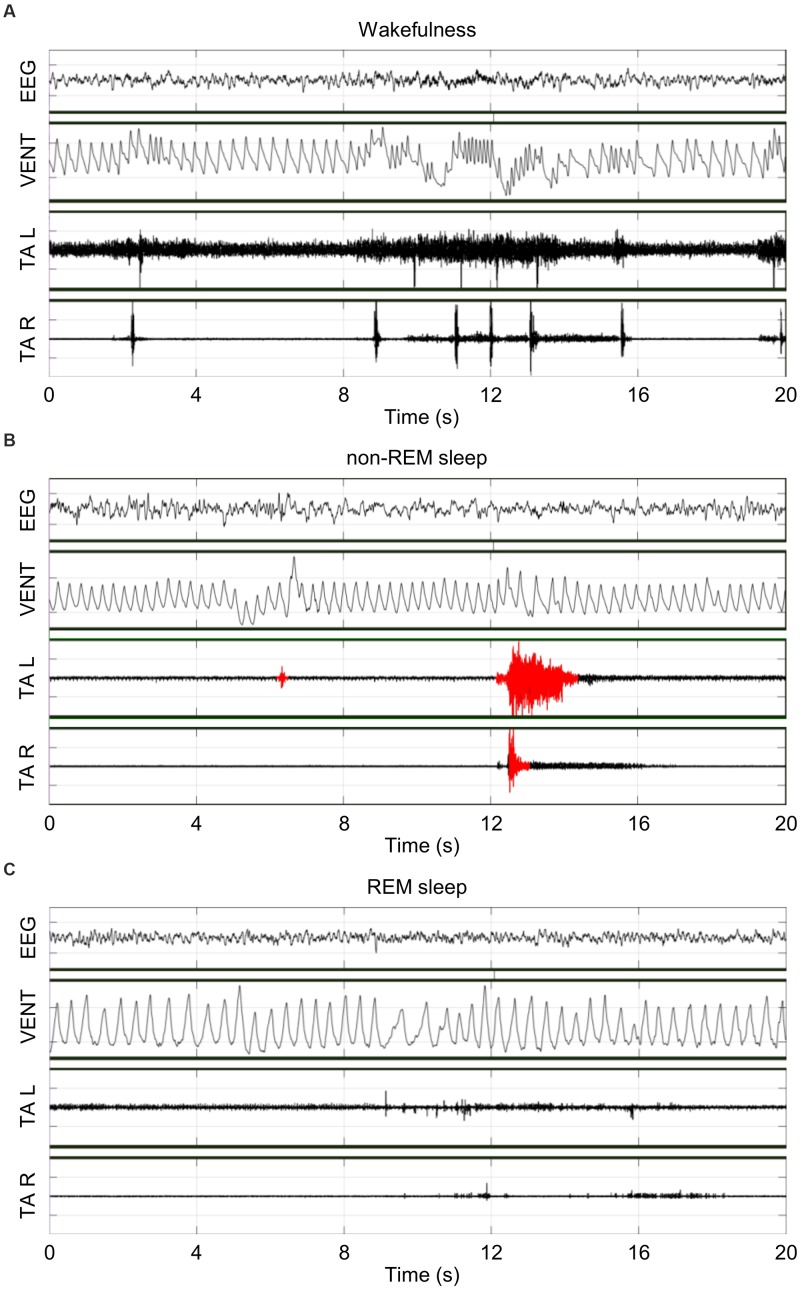
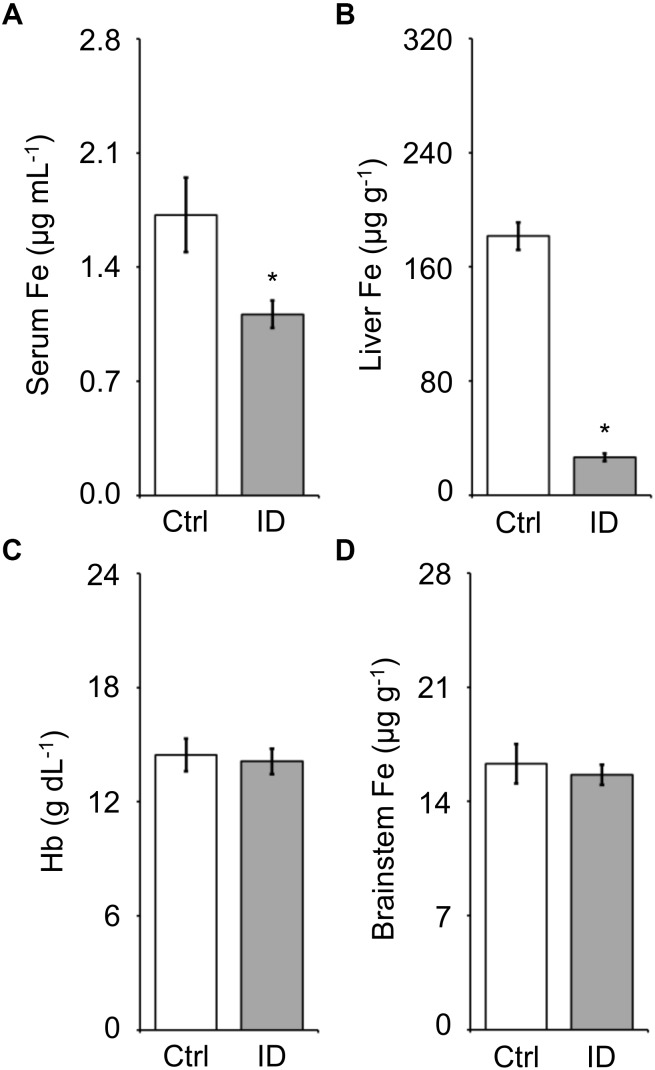
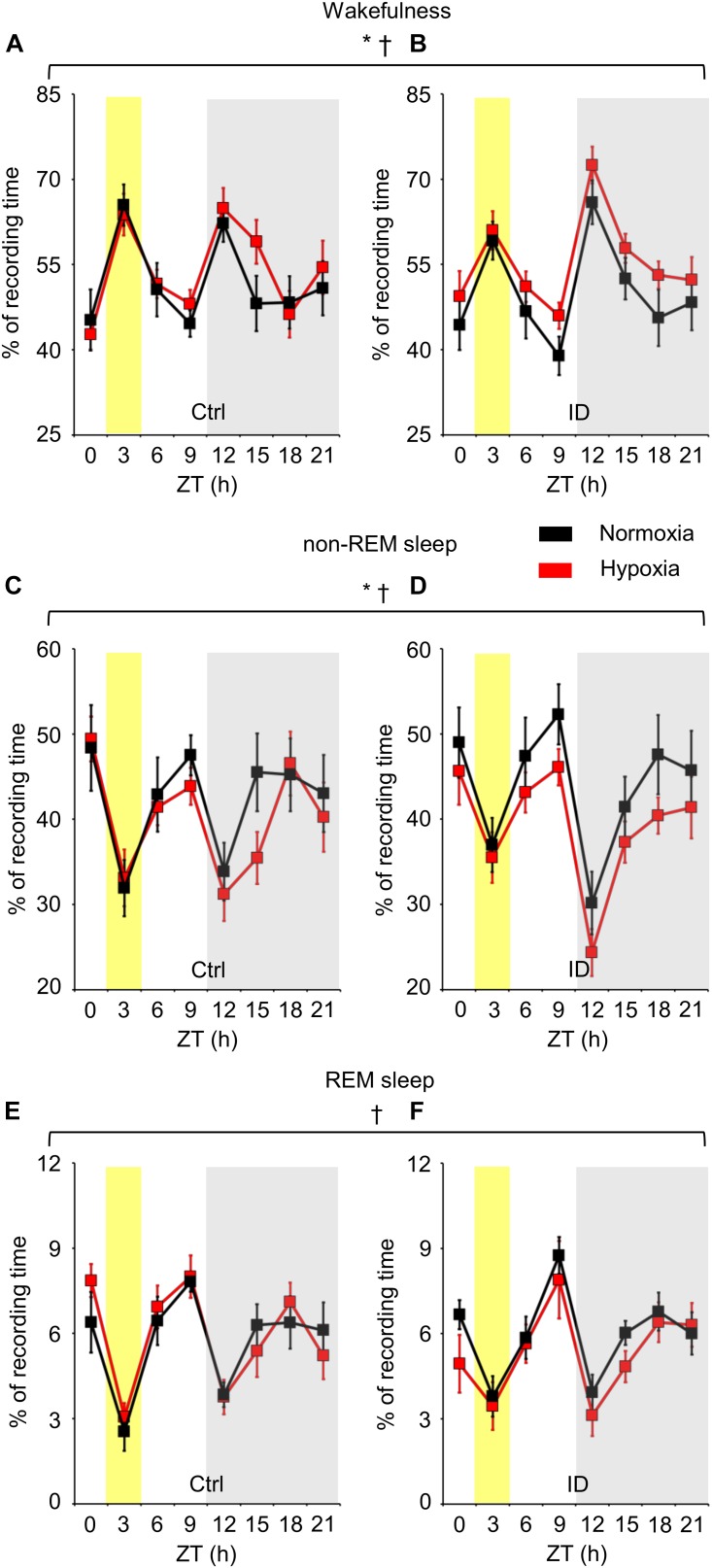
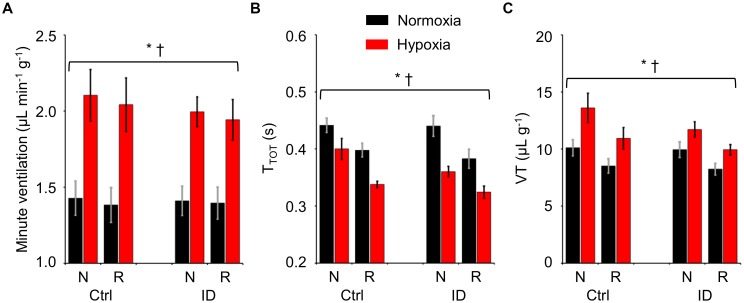
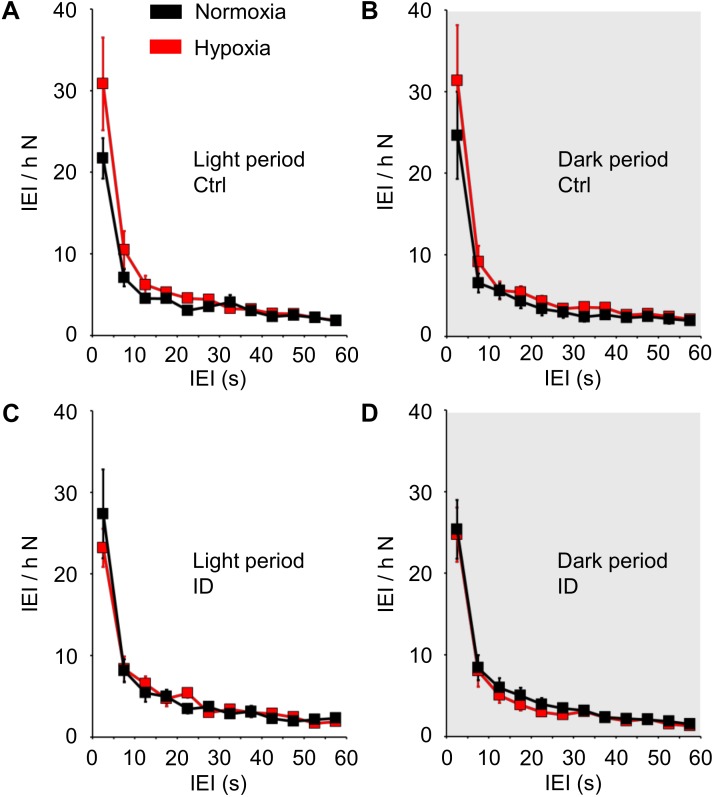
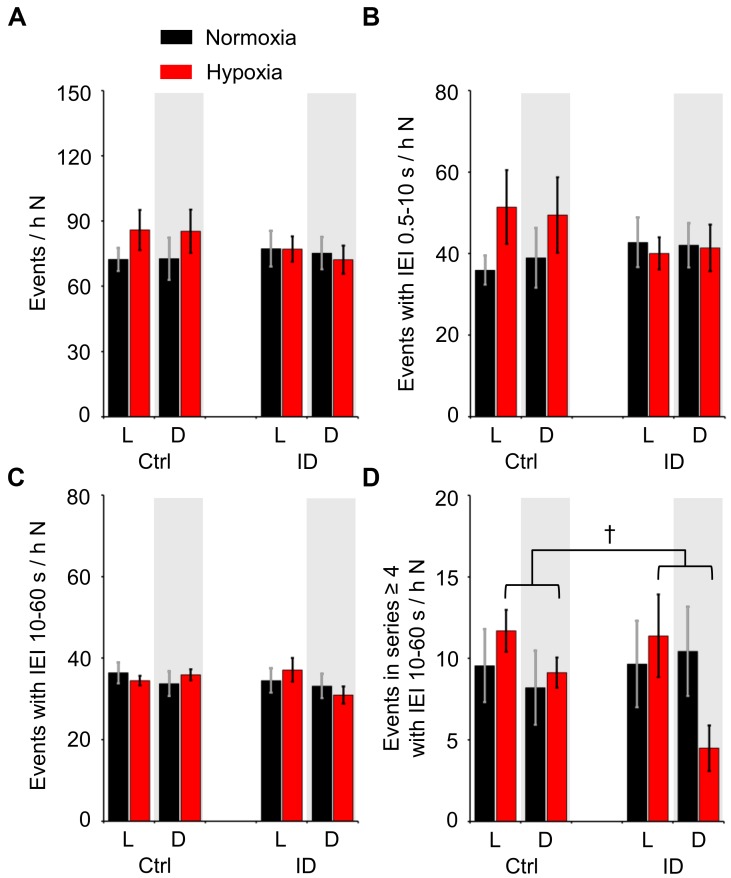
Restless legs syndrome (RLS) is a neurological disorder that entails an urge to move with a circadian pattern during the evening/night. RLS may be accompanied by decreased sleep time and increased occurrence of periodic leg movements during sleep (PLMS), which involve bursts of tibialis anterior (TA) muscle electromyogram (EMG). Mild hypoxia and non-anemic iron deficiency, a highly prevalent nutritional deficiency, are relatively unexplored factors in RLS pathophysiology. We tested whether mice exposed to mild hypoxia, alone or in combination with non-anemic iron deficiency, show decreased sleep time particularly in the light (rest) period and increased occurrence of TA EMG phasic events similar to human PLMS. Female C57BL/6J mice were fed diets with low or normal iron for 6 months from weaning and instrumented with electrodes to record the electroencephalogram and the EMG of both TA muscles. Mice were recorded in a whole-body plethysmograph while breathing a normoxic or mildly hypoxic (15% O) gas mixture for 48 h. Hypoxia increased minute ventilation during sleep. The low-iron diet decreased liver and serum iron, leaving blood hemoglobin and brainstem iron levels unaffected. Hypoxia, either alone or in combination with non-anemic iron deficiency, decreased non-rapid-eye-movement (non-REM) sleep time, but this occurred irrespective of the light/dark period and was not associated with increased occurrence of TA EMG events during non-REM sleep. These results do not support the hypothesis that mild hypoxia is sufficient to cause signs of RLS, either alone or in combination with non-anemic iron deficiency, pointing to the necessity of further susceptibility factors.
不宁腿综合征(RLS)是一种神经系统疾病,表现为傍晚/夜间有按昼夜节律活动的冲动。RLS可能伴有睡眠时间减少以及睡眠期间周期性腿部运动(PLMS)的发生率增加,PLMS涉及胫前肌(TA)肌电图(EMG)的爆发。轻度缺氧和非贫血性缺铁(一种非常普遍的营养缺乏症)是RLS病理生理学中相对未被充分研究的因素。我们测试了单独暴露于轻度缺氧或与非贫血性缺铁联合暴露的小鼠是否表现出睡眠时间减少,特别是在光照(休息)期,以及TA肌电图相位事件的发生率增加,类似于人类的PLMS。雌性C57BL/6J小鼠从断奶开始喂食低铁或正常铁饮食6个月,并植入电极以记录脑电图和双侧TA肌肉的肌电图。小鼠在全身体积描记器中记录,同时呼吸常氧或轻度缺氧(15% O)气体混合物48小时。缺氧增加了睡眠期间的分钟通气量。低铁饮食降低了肝脏和血清铁水平,而血液血红蛋白和脑干铁水平未受影响。单独或与非贫血性缺铁联合的缺氧减少了非快速眼动(non-REM)睡眠时间,但这与光照/黑暗期无关,并且与非REM睡眠期间TA肌电图事件的发生率增加无关。这些结果不支持轻度缺氧足以单独或与非贫血性缺铁联合导致RLS症状的假设,这表明需要进一步研究易感性因素。